
Church of Our Lady of Juso
Cent. 13th
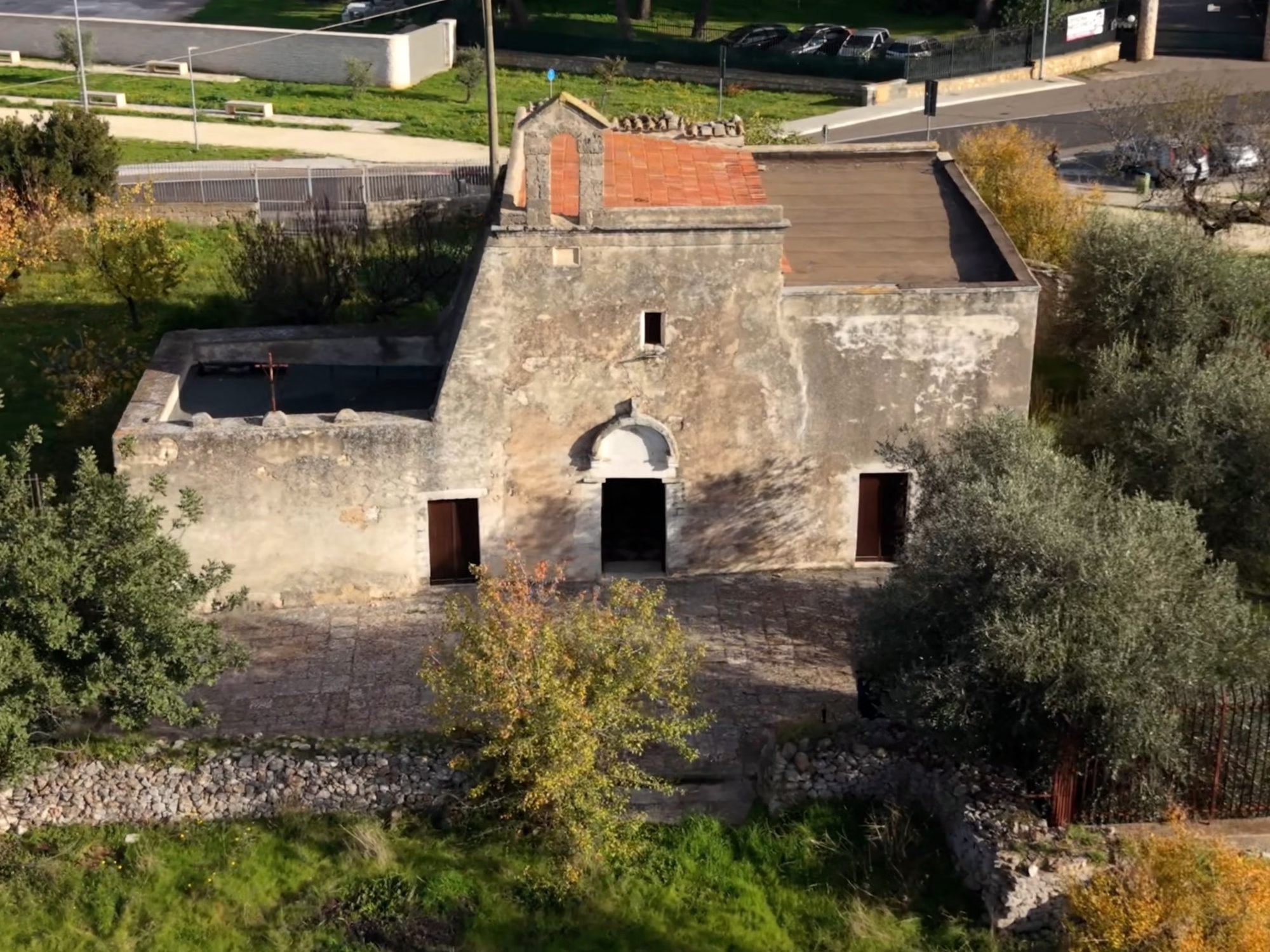
The church of Our Lady of Juso is one of the oldest in the area and is situated below the town on the hill. “Juso” in fact means “below” in dialect. To enter the church, you first pass through an archway beneath a small bell tower with two arches, which was originally in the church of San Giovanni Battista, demolished in 1959 in Porta Reale. Inside the walled enclosure the simple façade becomes visible with its three doors, the central one situated beneath an arch. A small gabled bell tower stands above the façade. On the right of the building are the remains of third nave, now in ruins. The church was documented in the 16th century as a destination for pilgrims coming from all around. The building is made up of two naves divided by robust pillars with round arches and is covered by barrel vaults in the first nave and two cross vaults in the second.
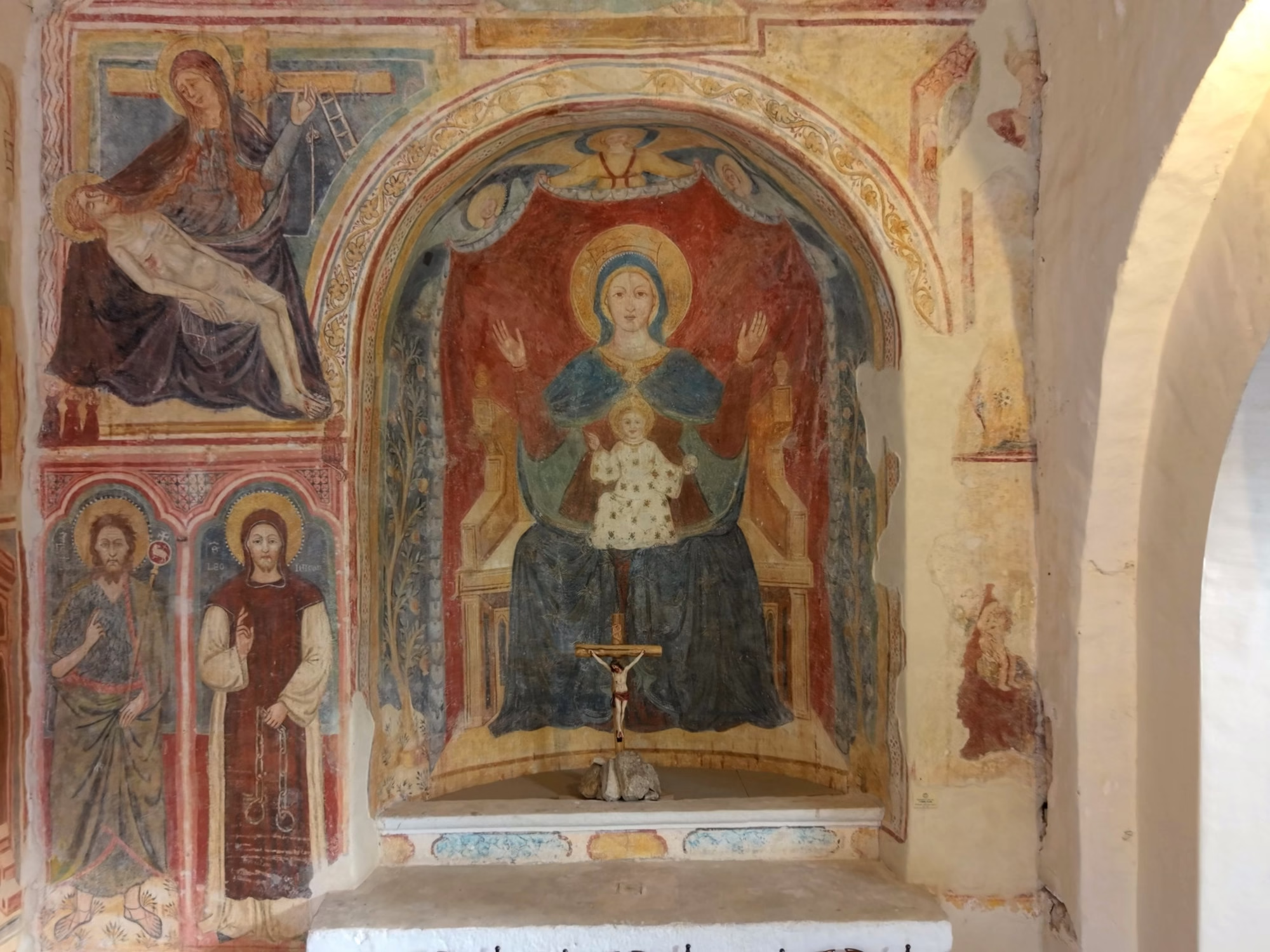
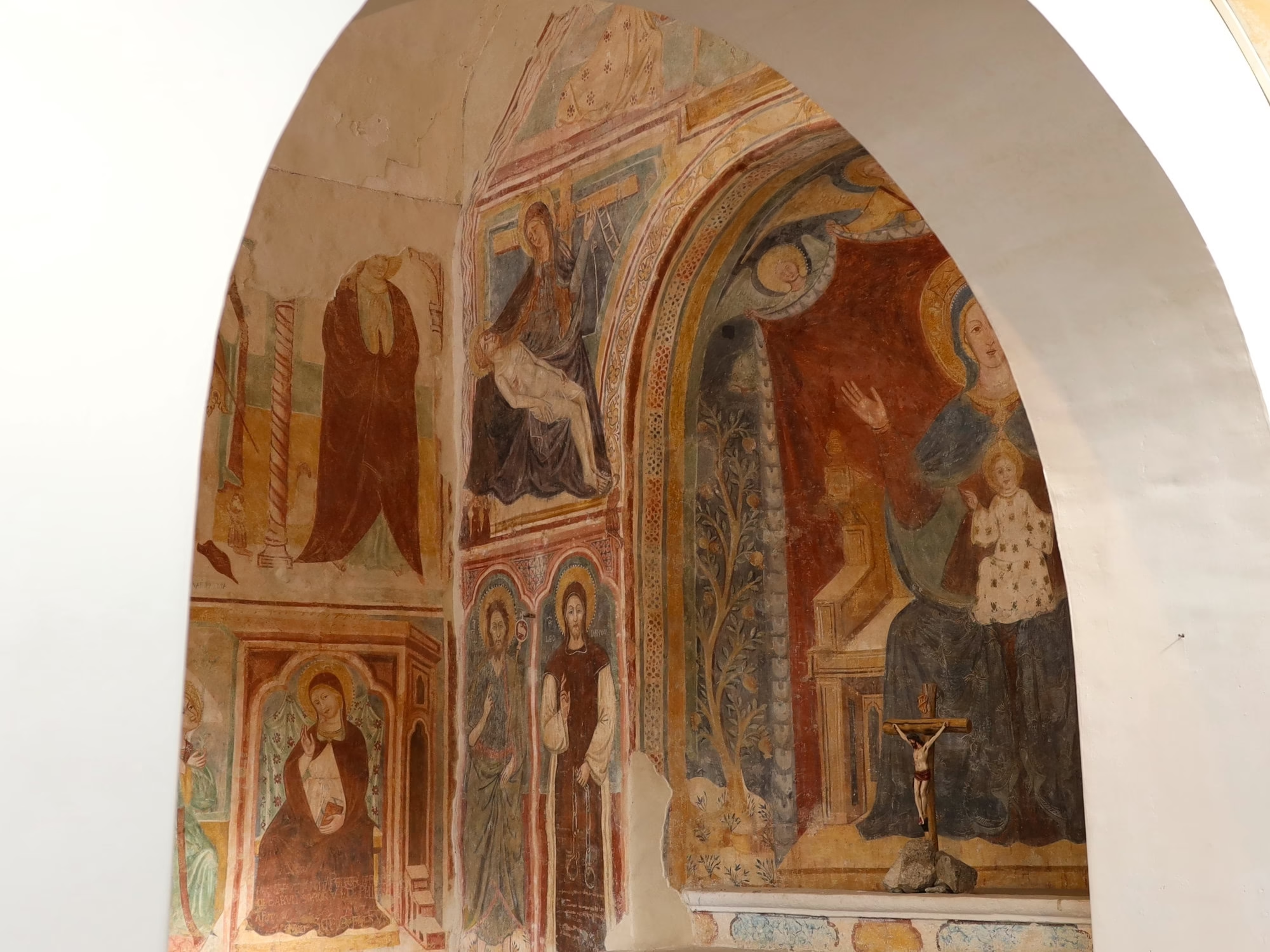
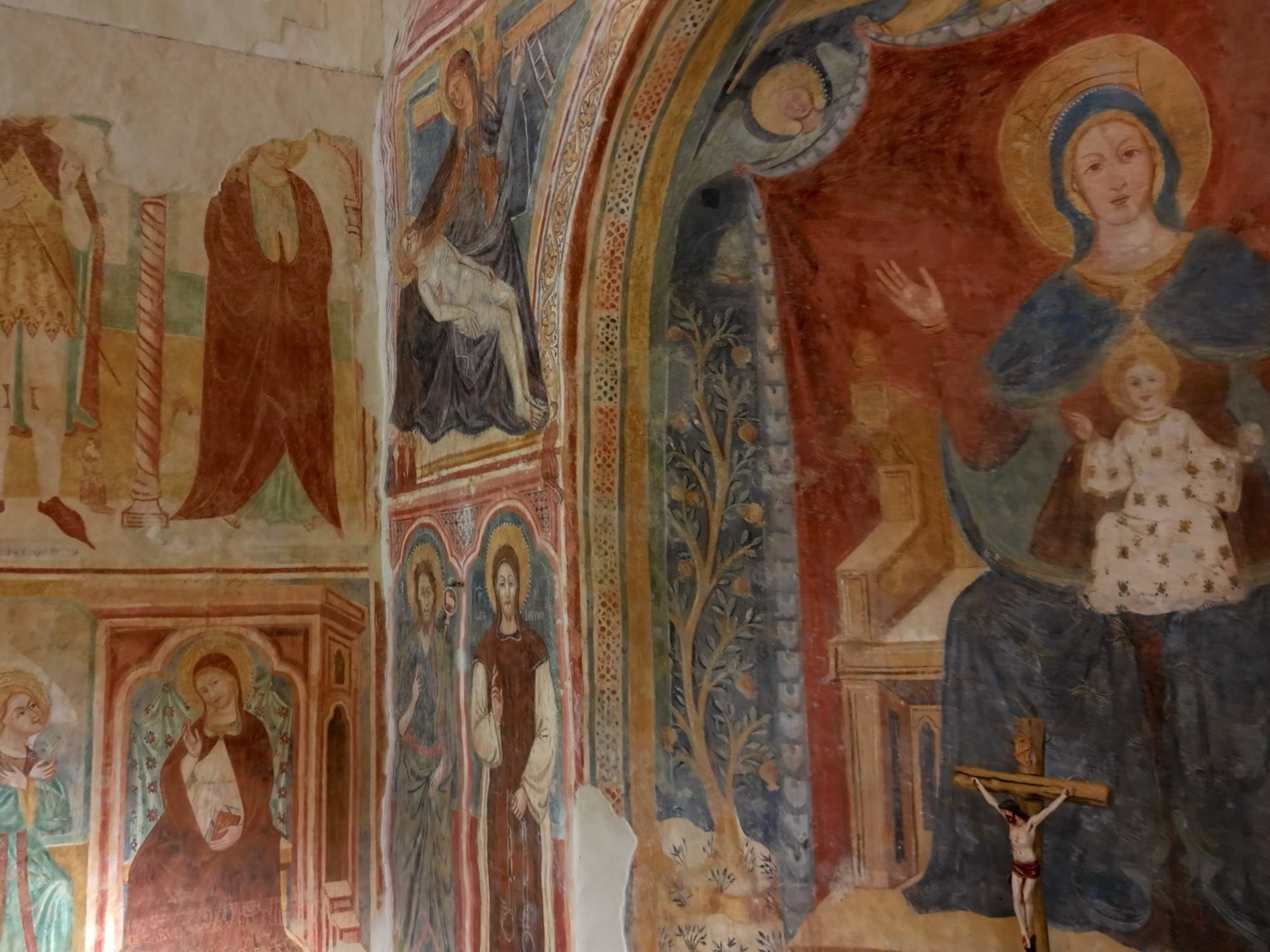
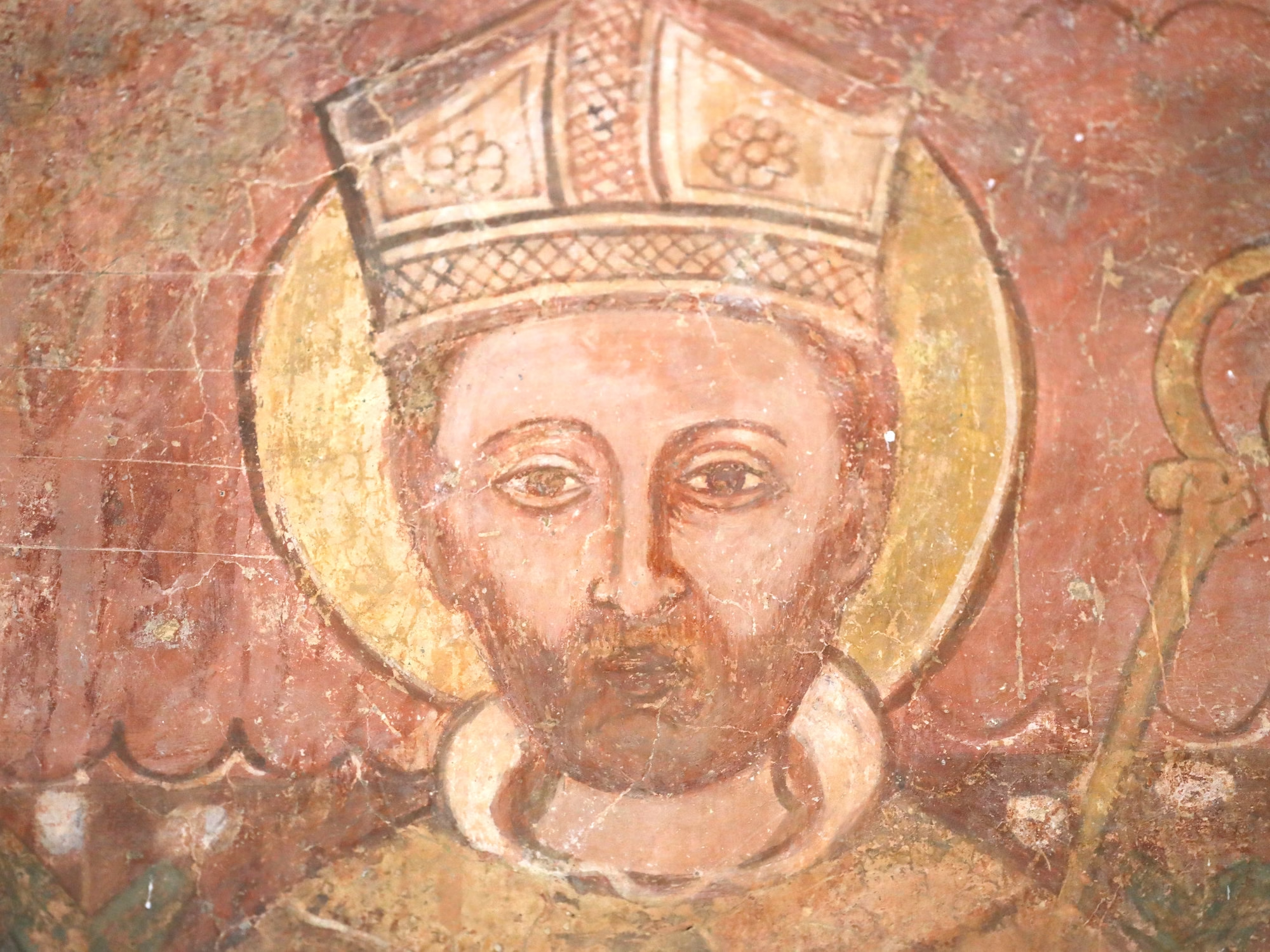
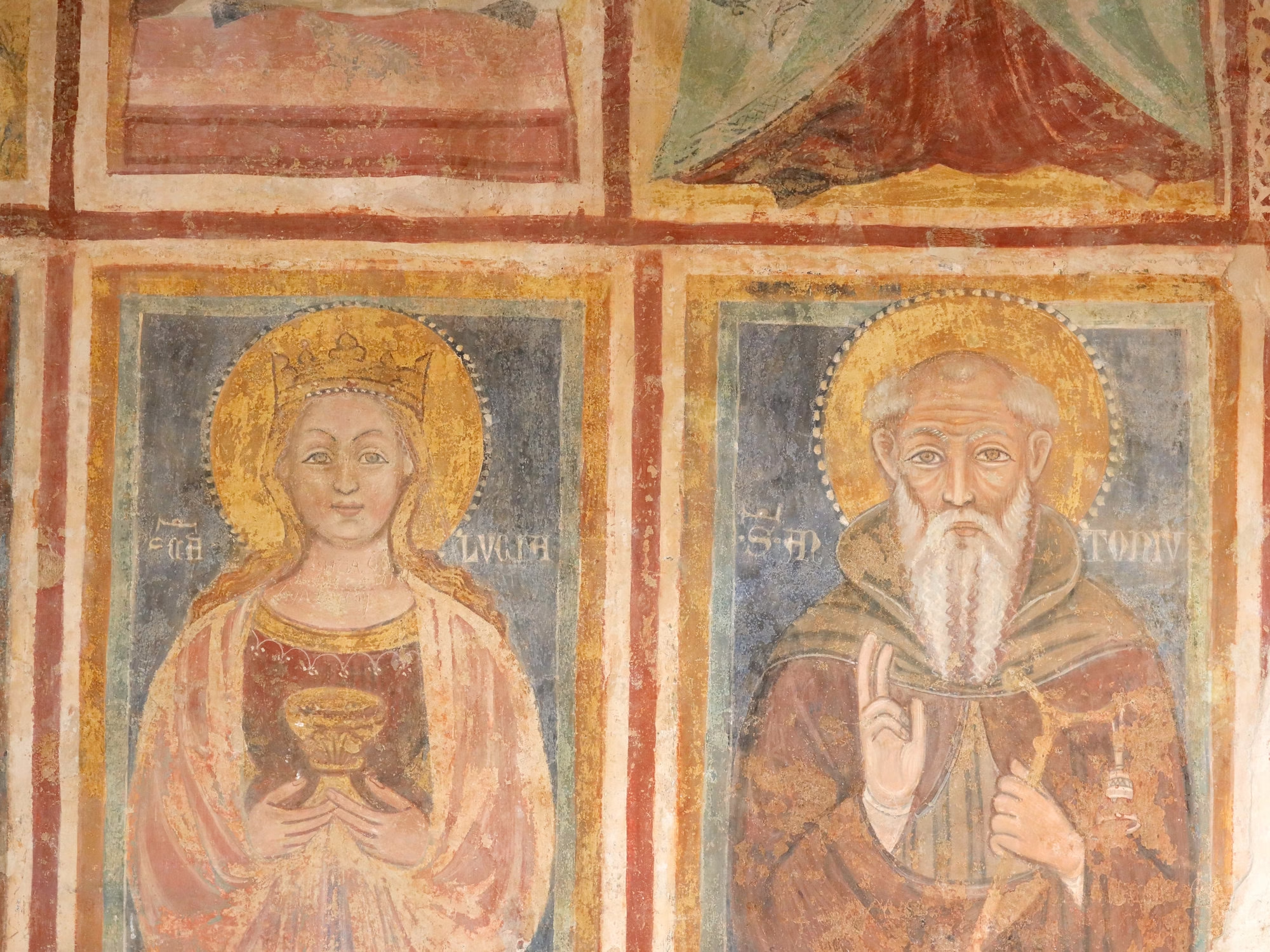
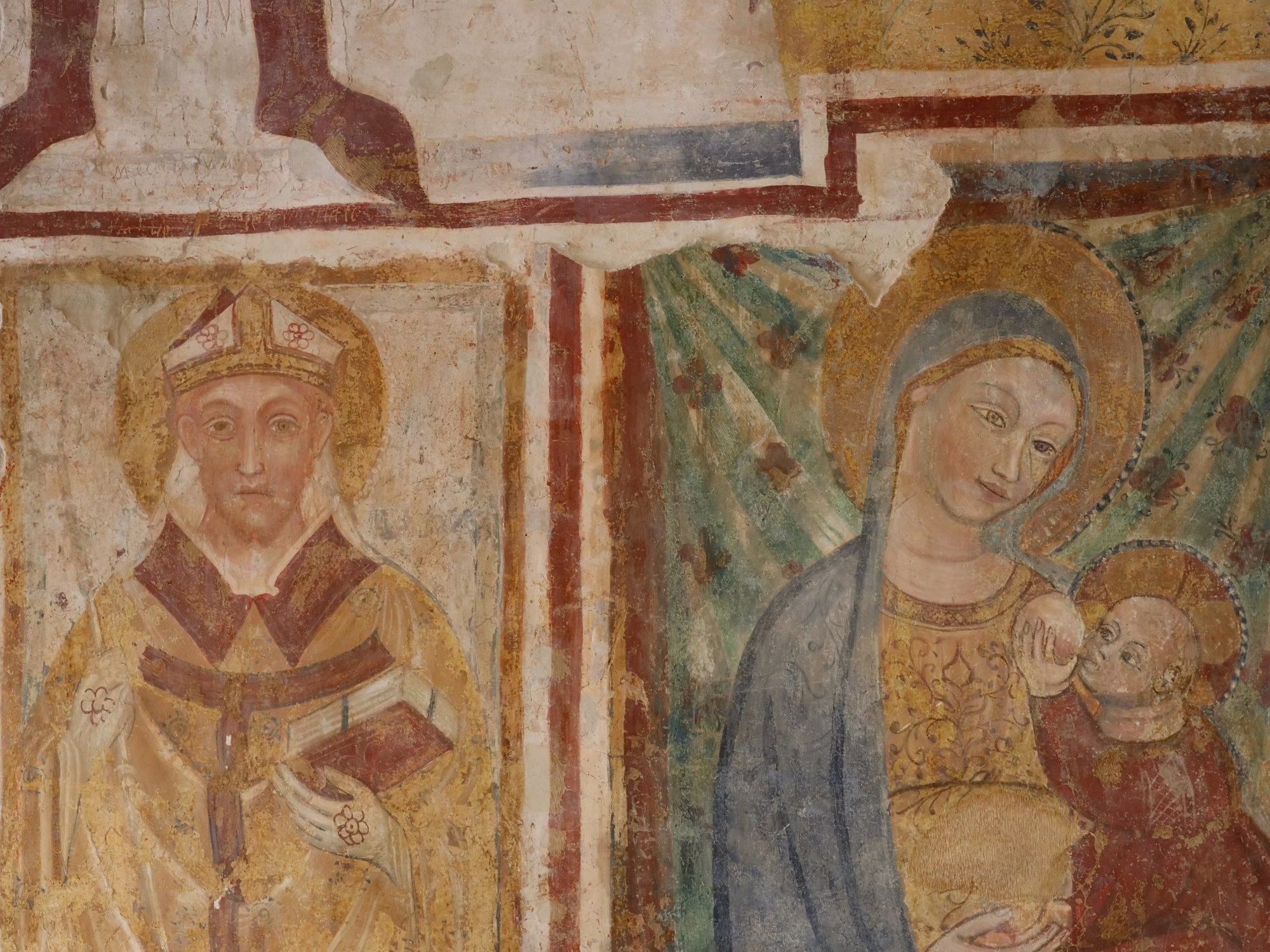
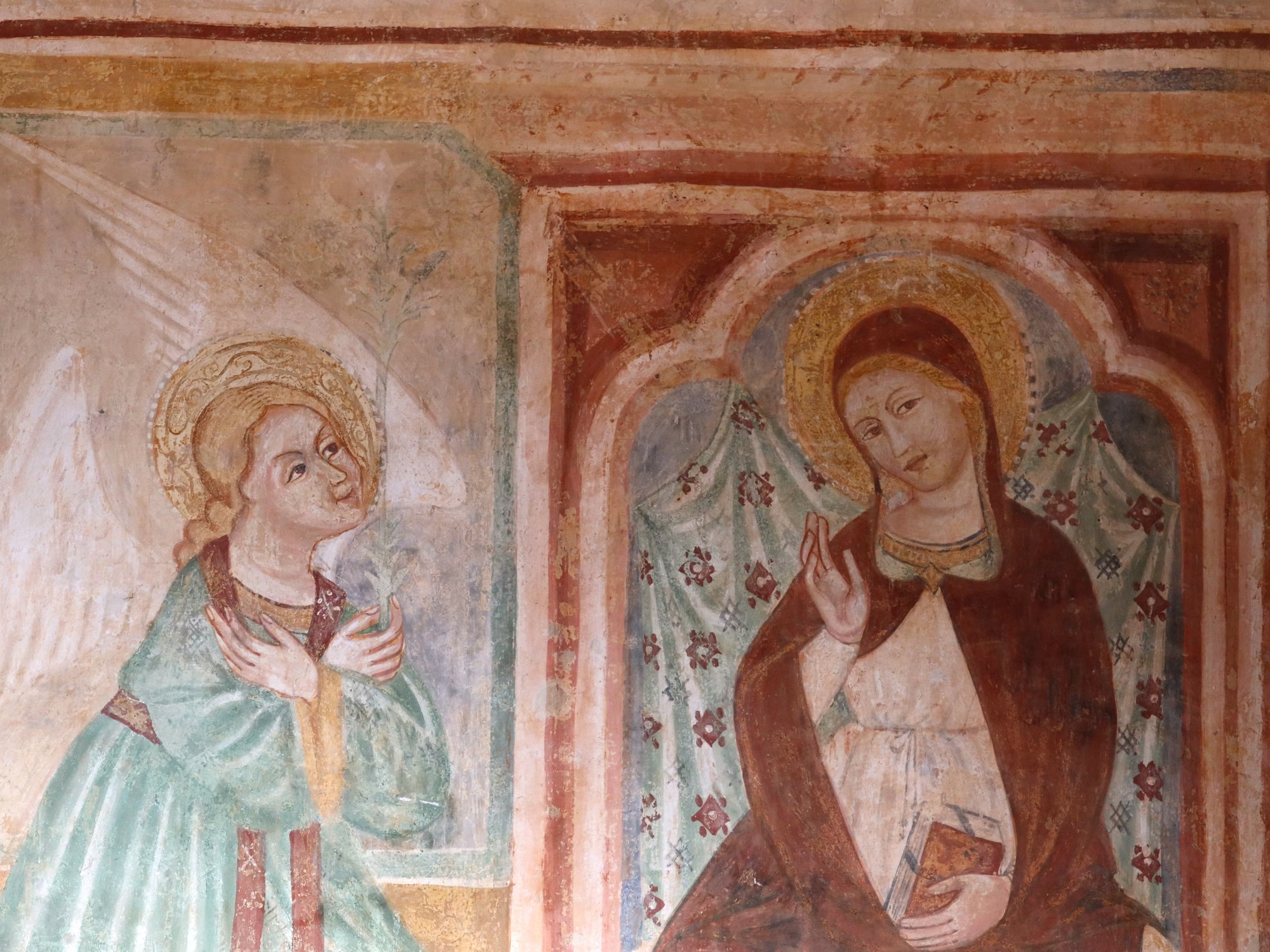
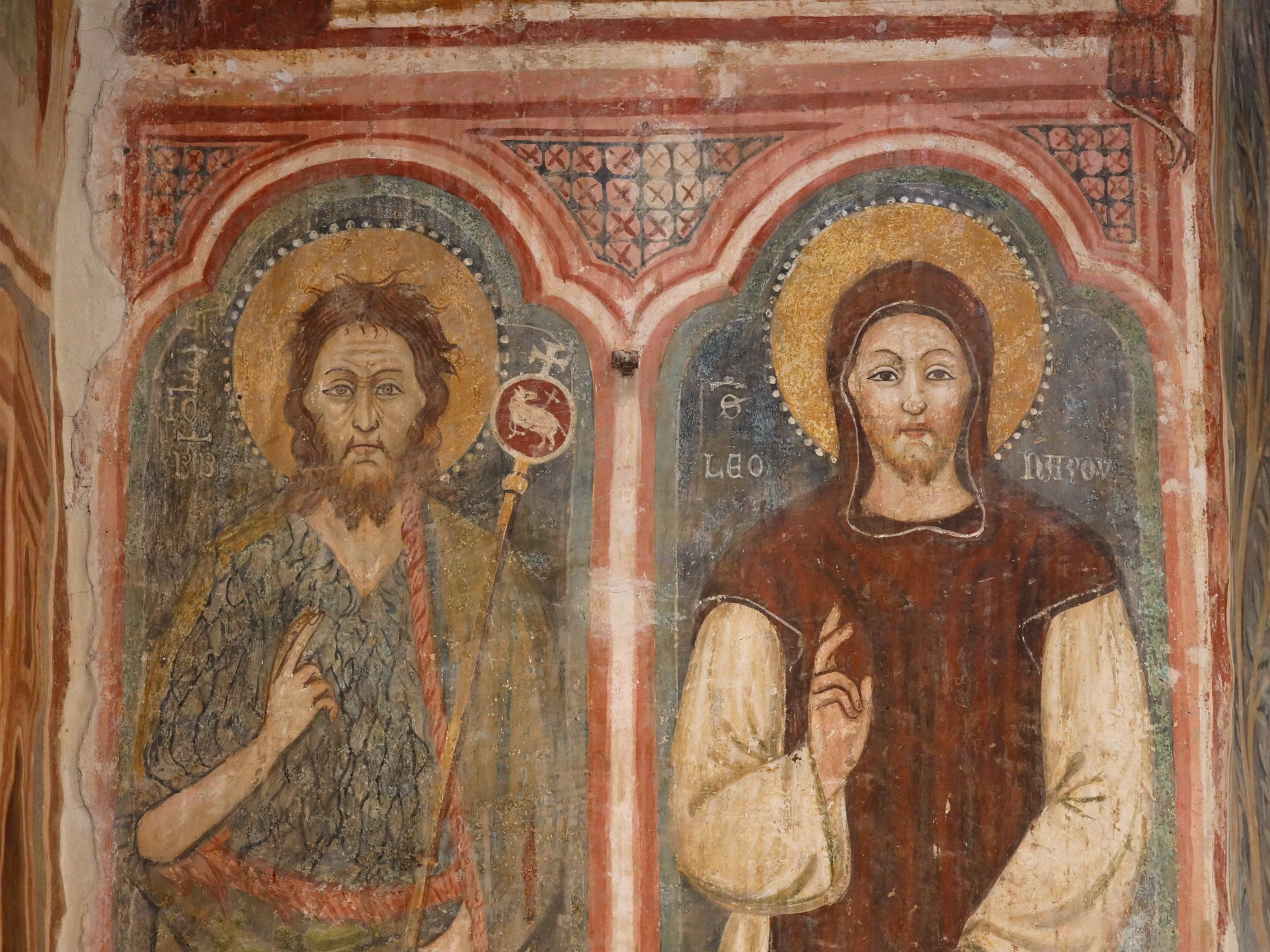
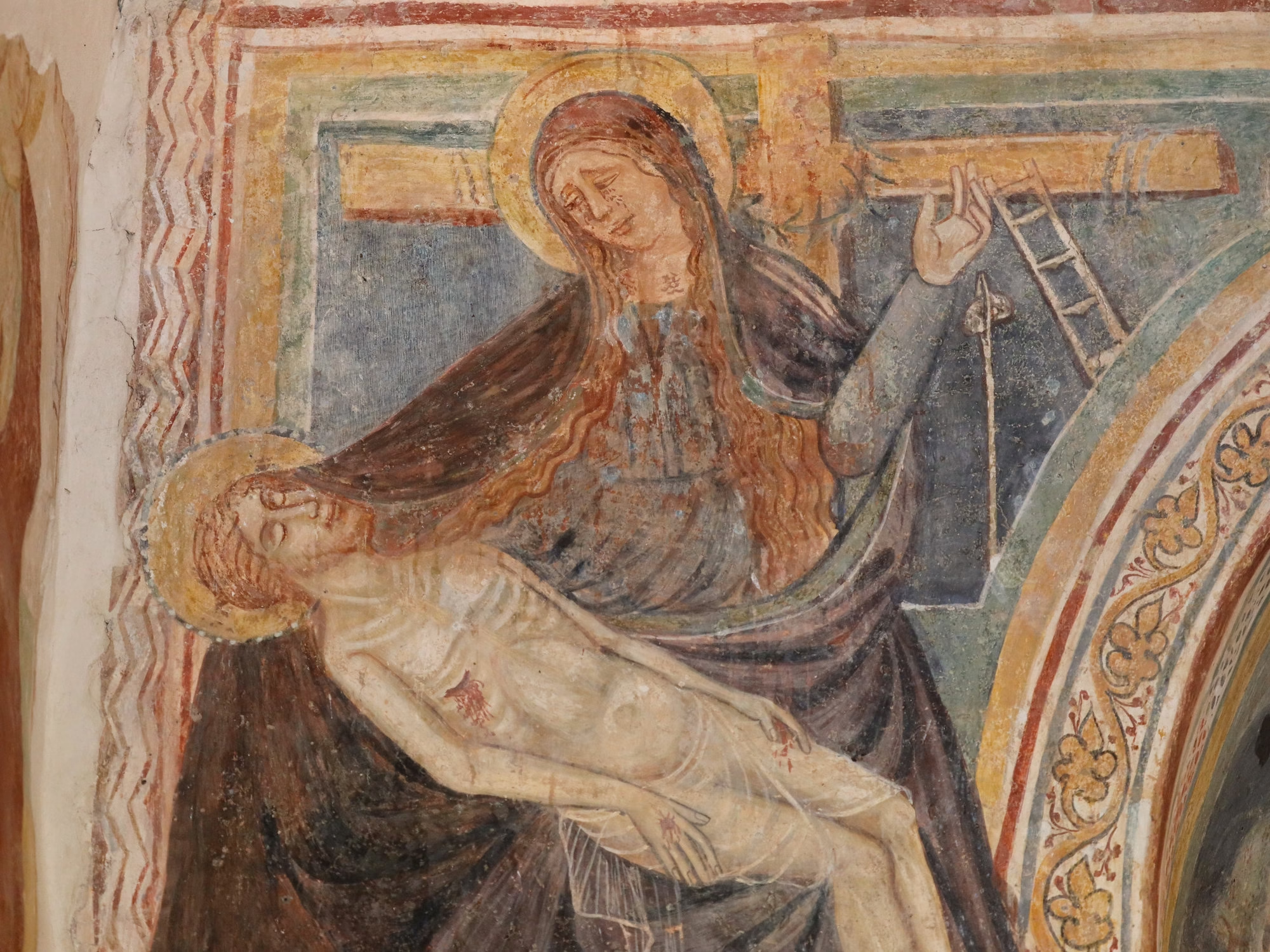
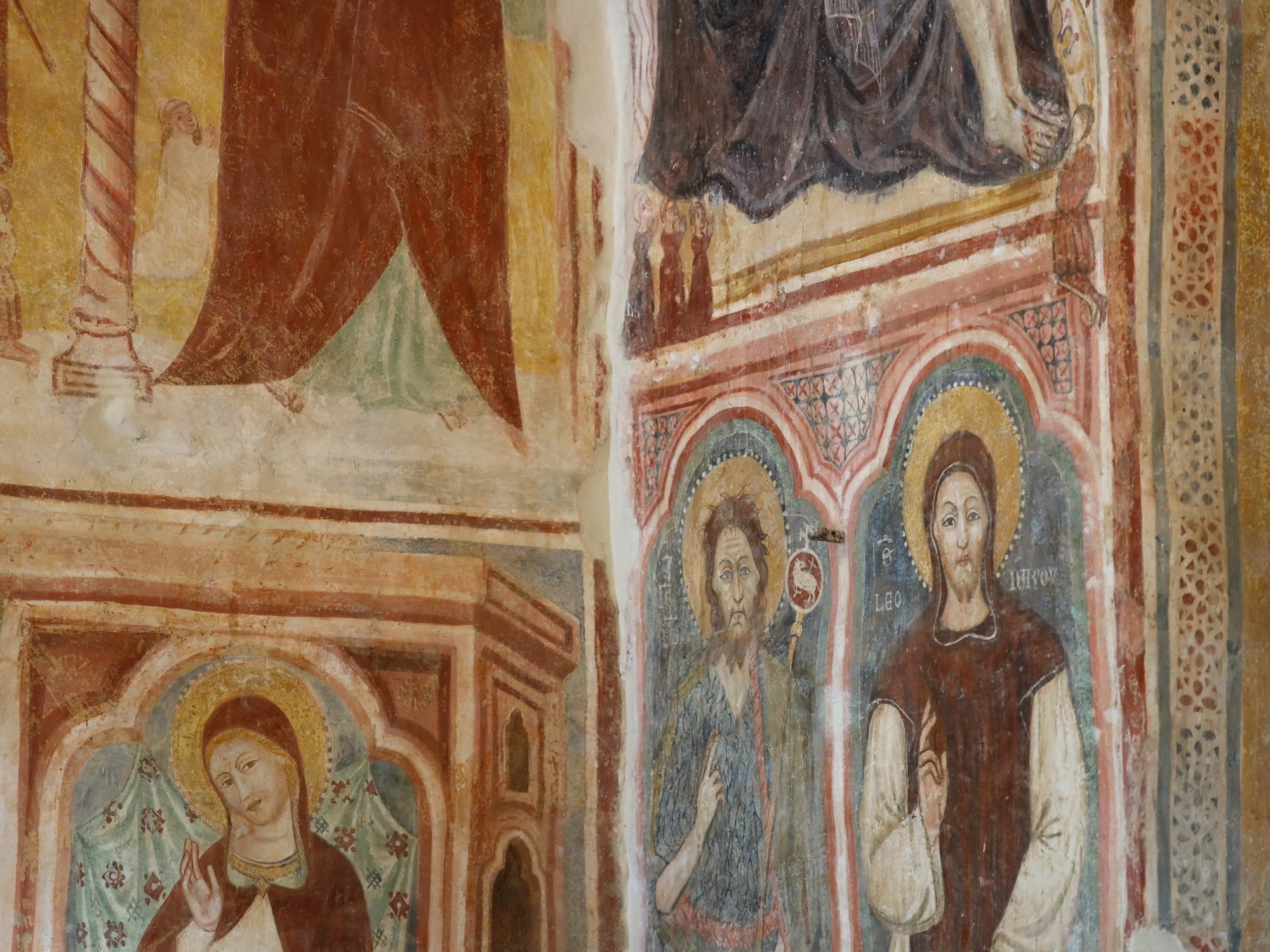
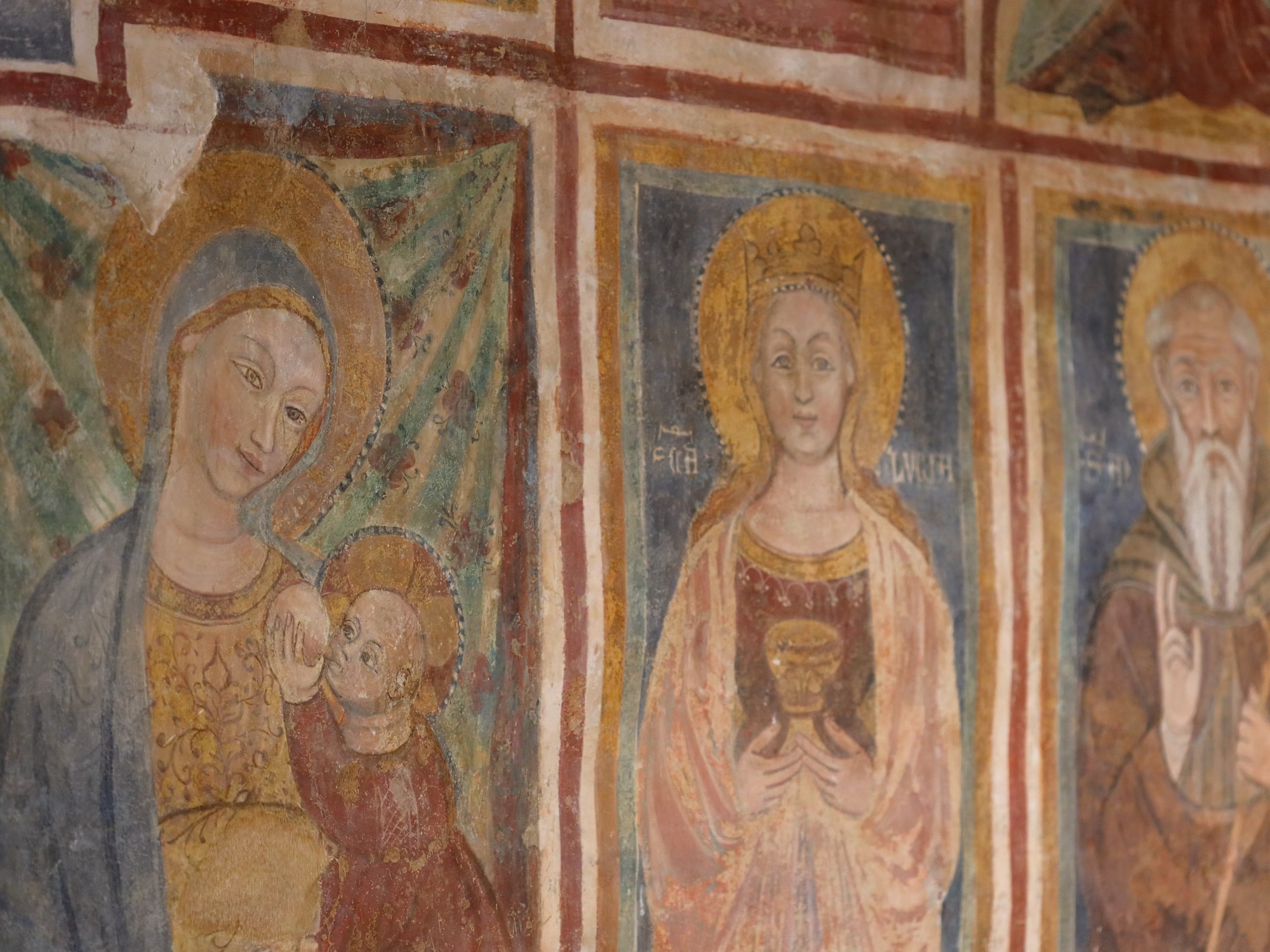
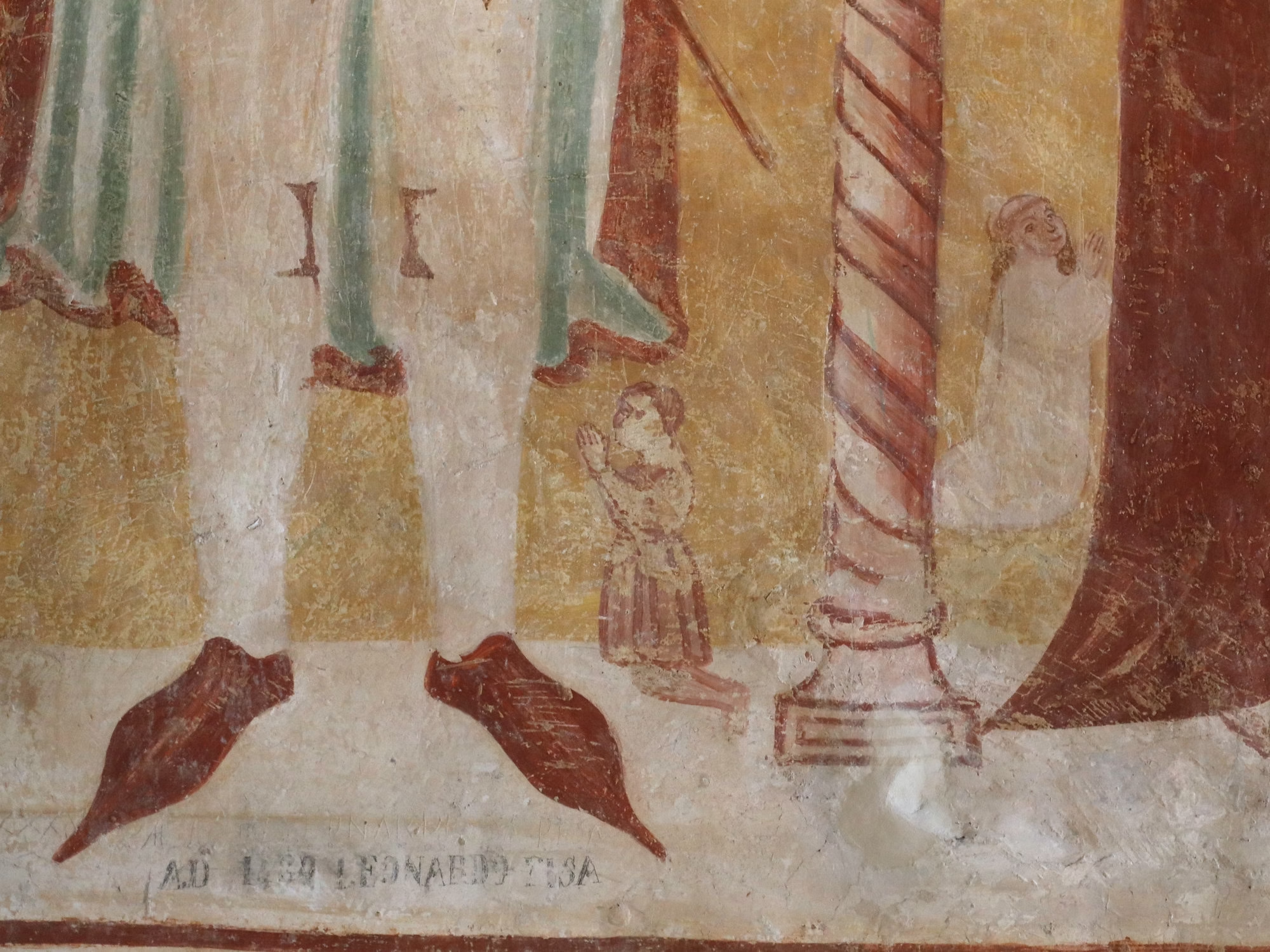
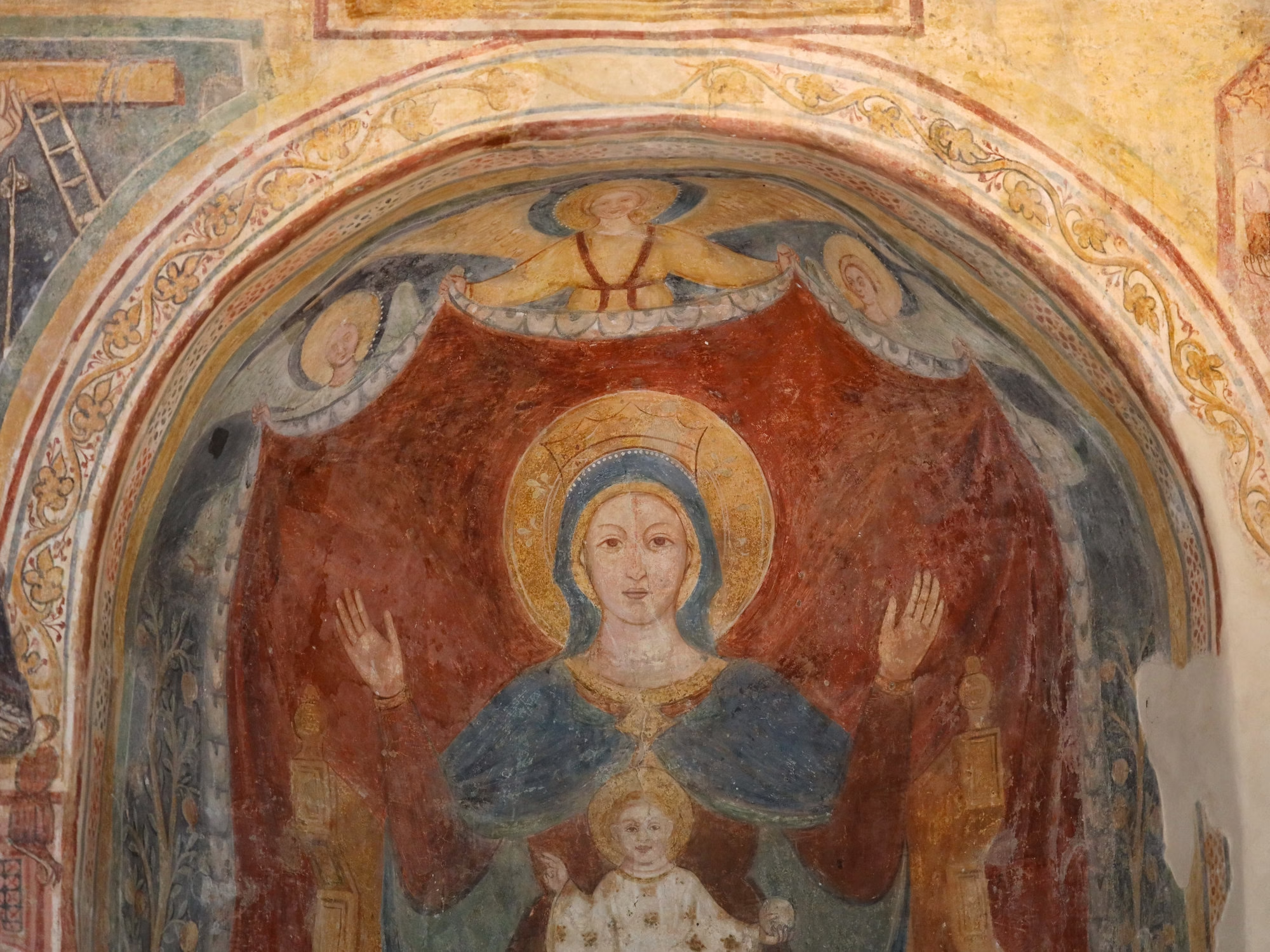
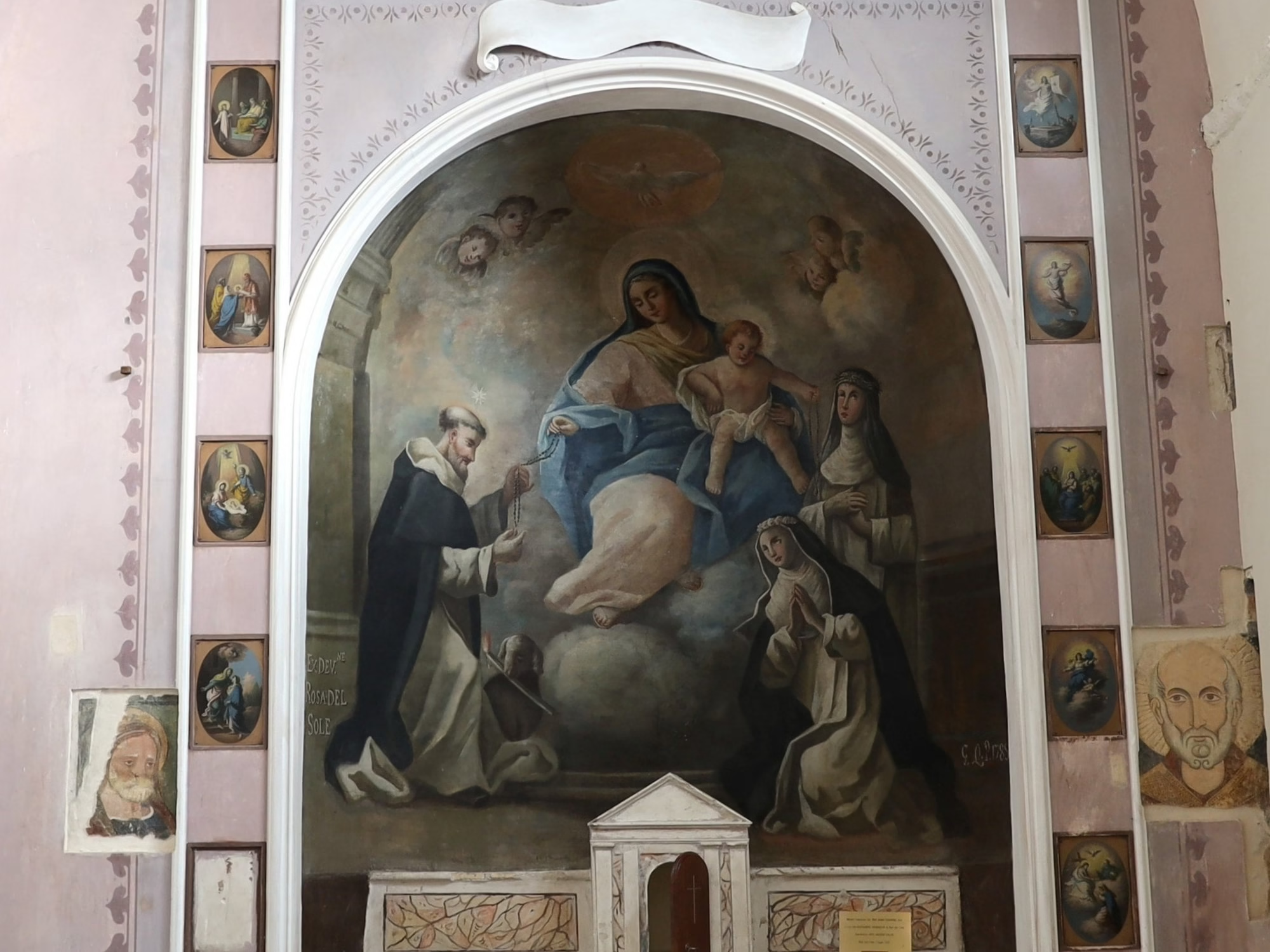
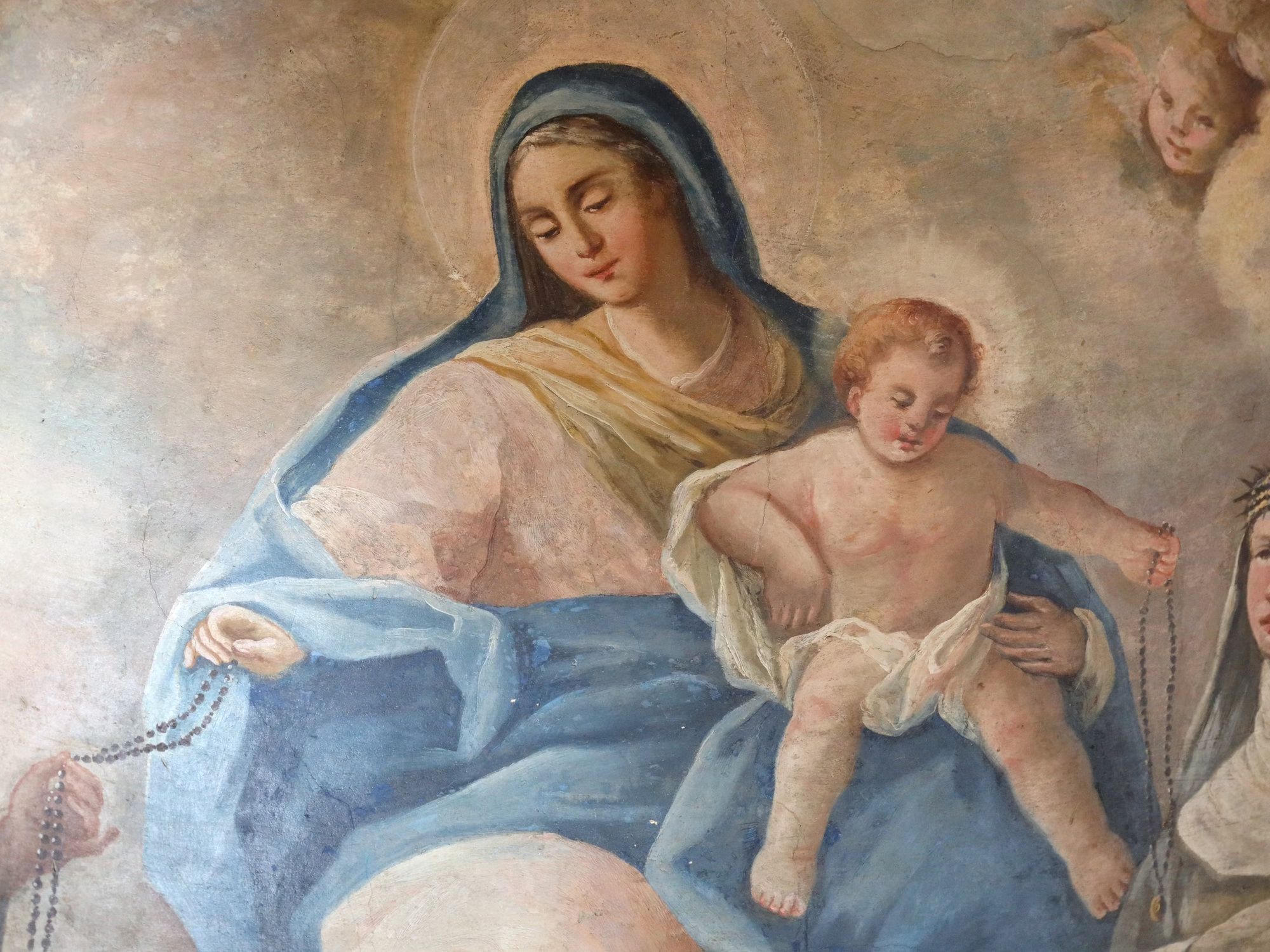
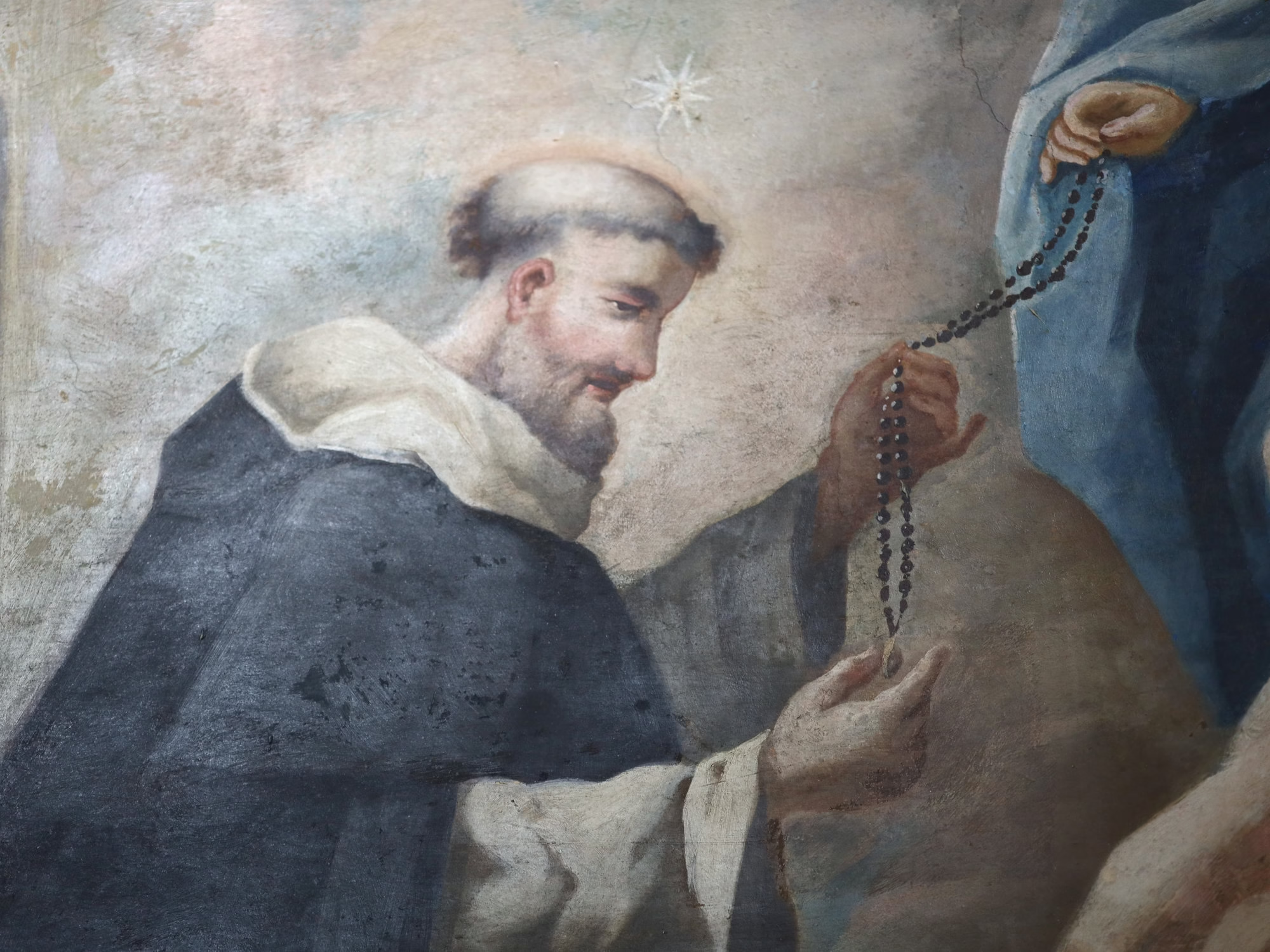
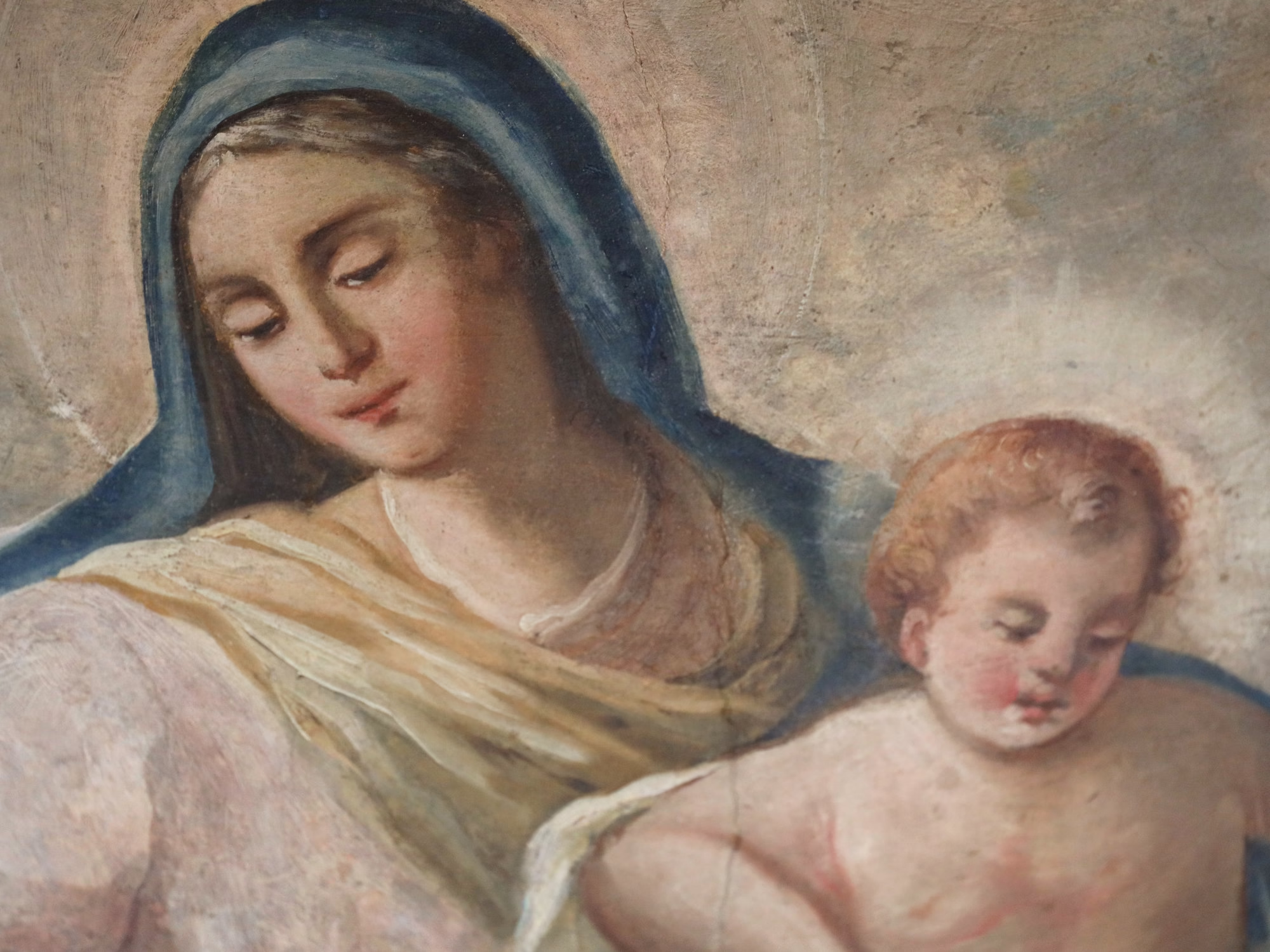
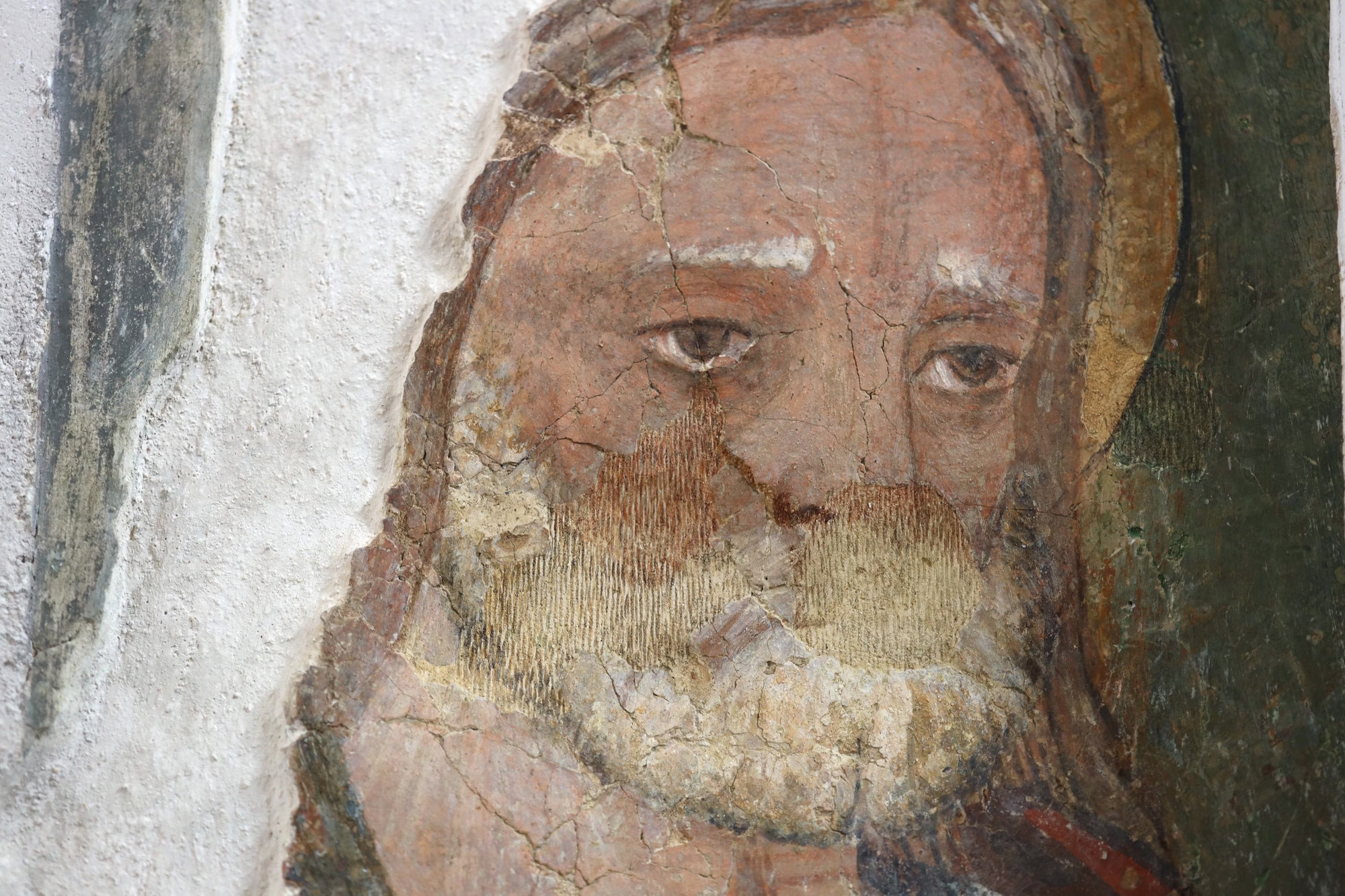
The left wall is frescoed with paintings divided into rectangular spaces on two levels. On the bottom half of the wall are: Saint Bishop, Nursing Madonna, St. Lucy, St. Anthony the Abbot and the Annunciation. On the top half some of these figures are replicated and others are not identifiable. The frescoes are attributed to Giovanni di Francia (15th century). In the first apse is the Virgin with Child with three angels holding a red cloth, surrounded by pomegranate plants, a symbol of fertility and rebirth. Next to this on the same wall is the Pietà and in trefoil arches the figures of St. John the Baptist and St. Leonard. In the apse of the second nave is Our Lady of the Rosary with St. Dominic, St. Catherine and St. Rose, a 1785 work by Gioacchino Quercia. The painting is surrounded by smaller paintings of the 15 mysteries of the rosary. To the sides are the frescoes of the faces of St. Peter and St. Nicholas. The sacred building has been restored on various occasions in order to preserve the religious, historical and artistic heritage of the community. On the day of the festival, Easter Monday, the church is opened for sacred rites and the square in front of the church becomes a convivial meeting place.