Piazza Santa Croce
Cent. 13th
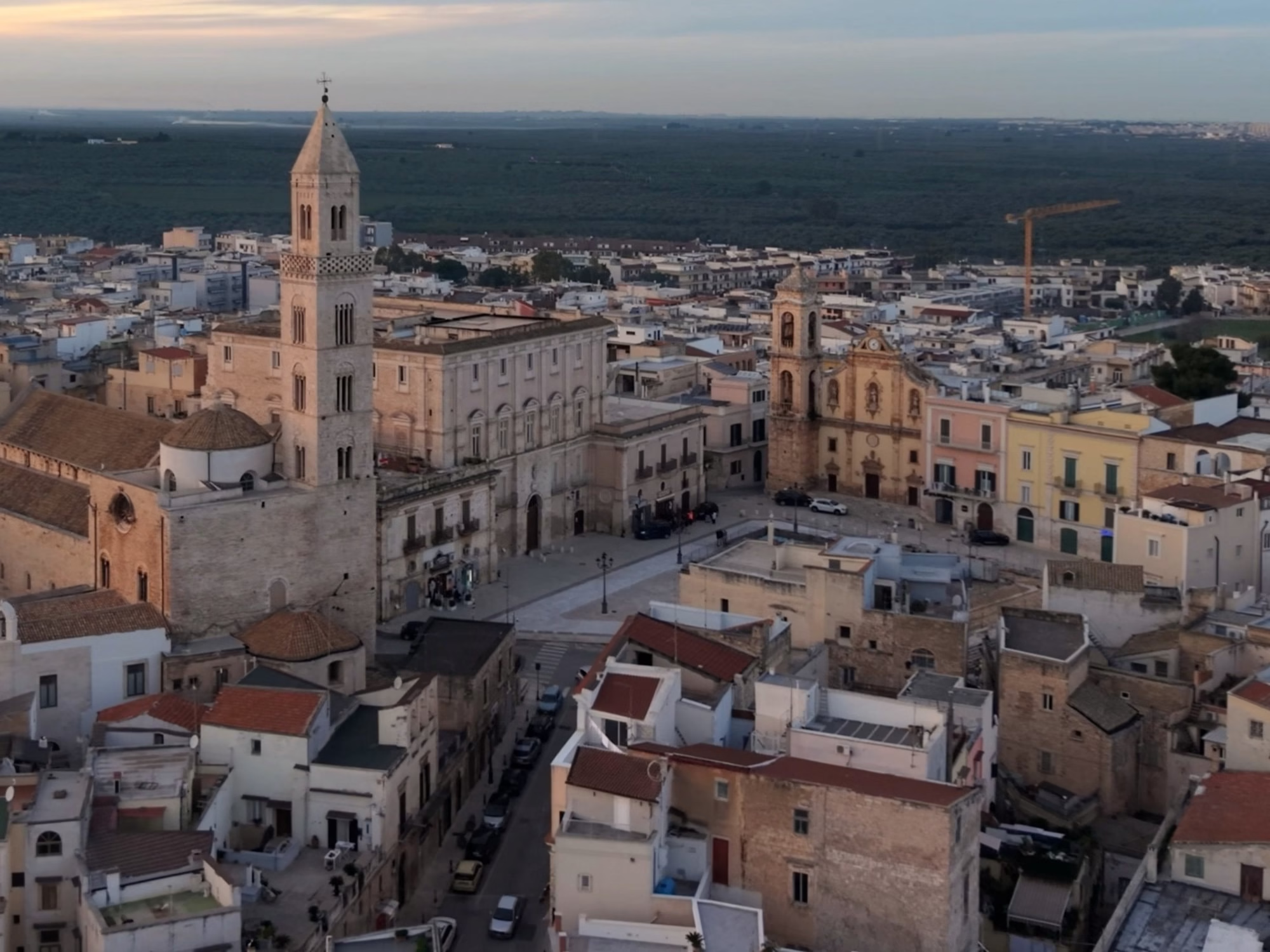
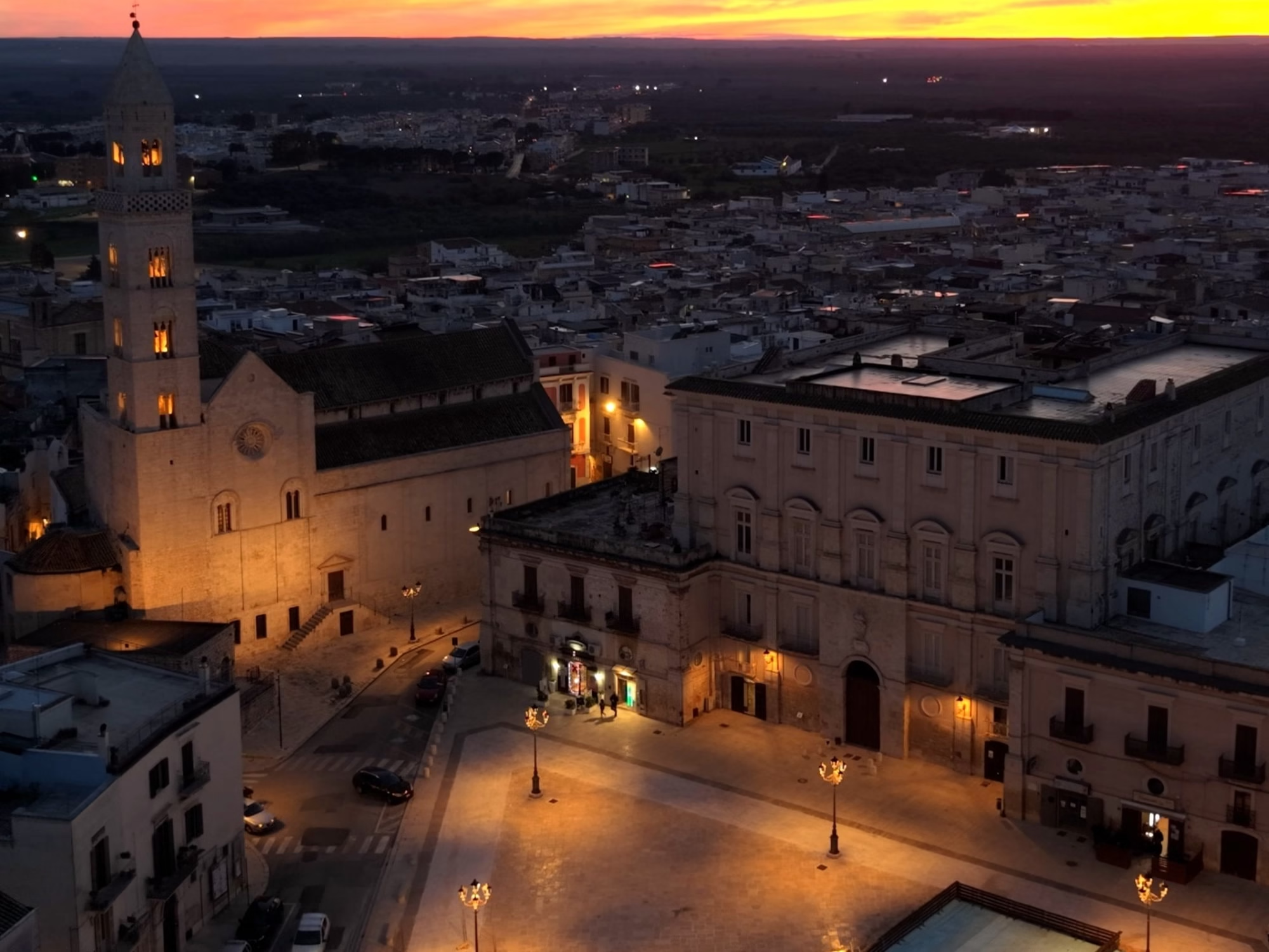
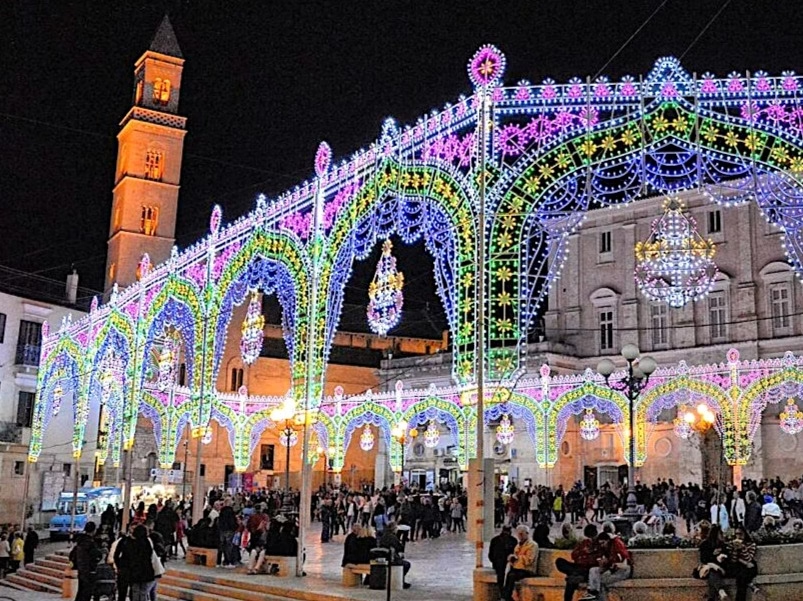
“Nmenz’ a u’ Largh” (In the middle of the square): this is how the citizens of Palo call the Piazza Santa Croce in their dialect. It has a trapezoid shape and is defined as “il salotto” of Palo, the traditional place to gather and talk, where the patron saints’ festivals are held, where public meetings take place, surrounded by the evocative architecture of medieval and renaissance times. The tall bell tower and the side façade of the Mother Church Santa Maria La Porta dominate the square, along with the splendid 18th century Palazzo of Prince Filomarino, flanked by a series of buildings, some of which are significantly rich in history. This square came into being with the construction of the Swabian castle, completed in 1256, its central tower surrounded by a moat and a high wall with monumental gate, in front of which a large open space opened up into the countryside down to the sea. “Porta della Terra” opened onto this space, between the castle and the parish church, giving access to the “Terra Vecchia”, and over time this place saw the construction of important buildings, as well as the baroque Chiesa del Purgatorio until the end of the 17th century.
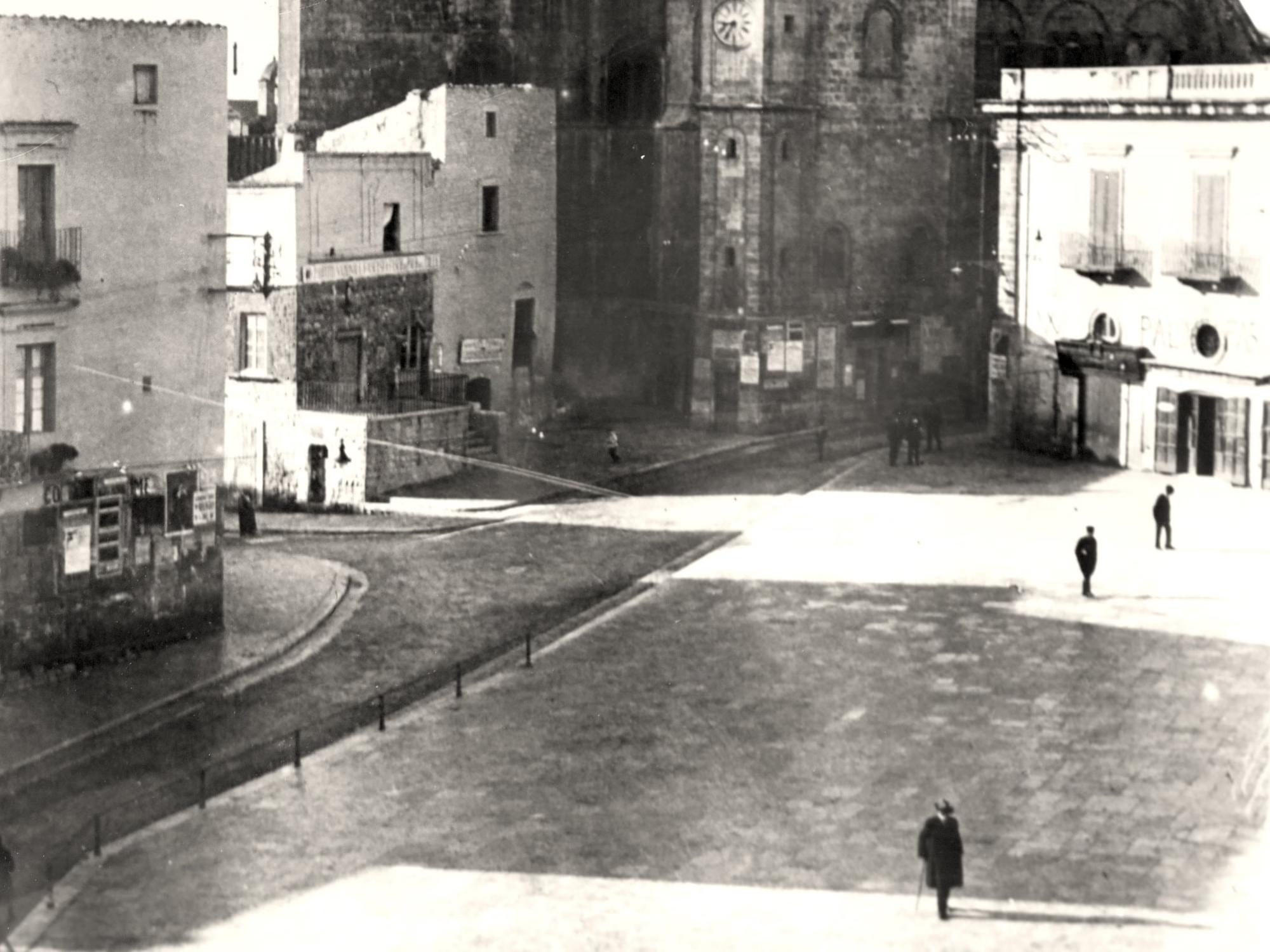
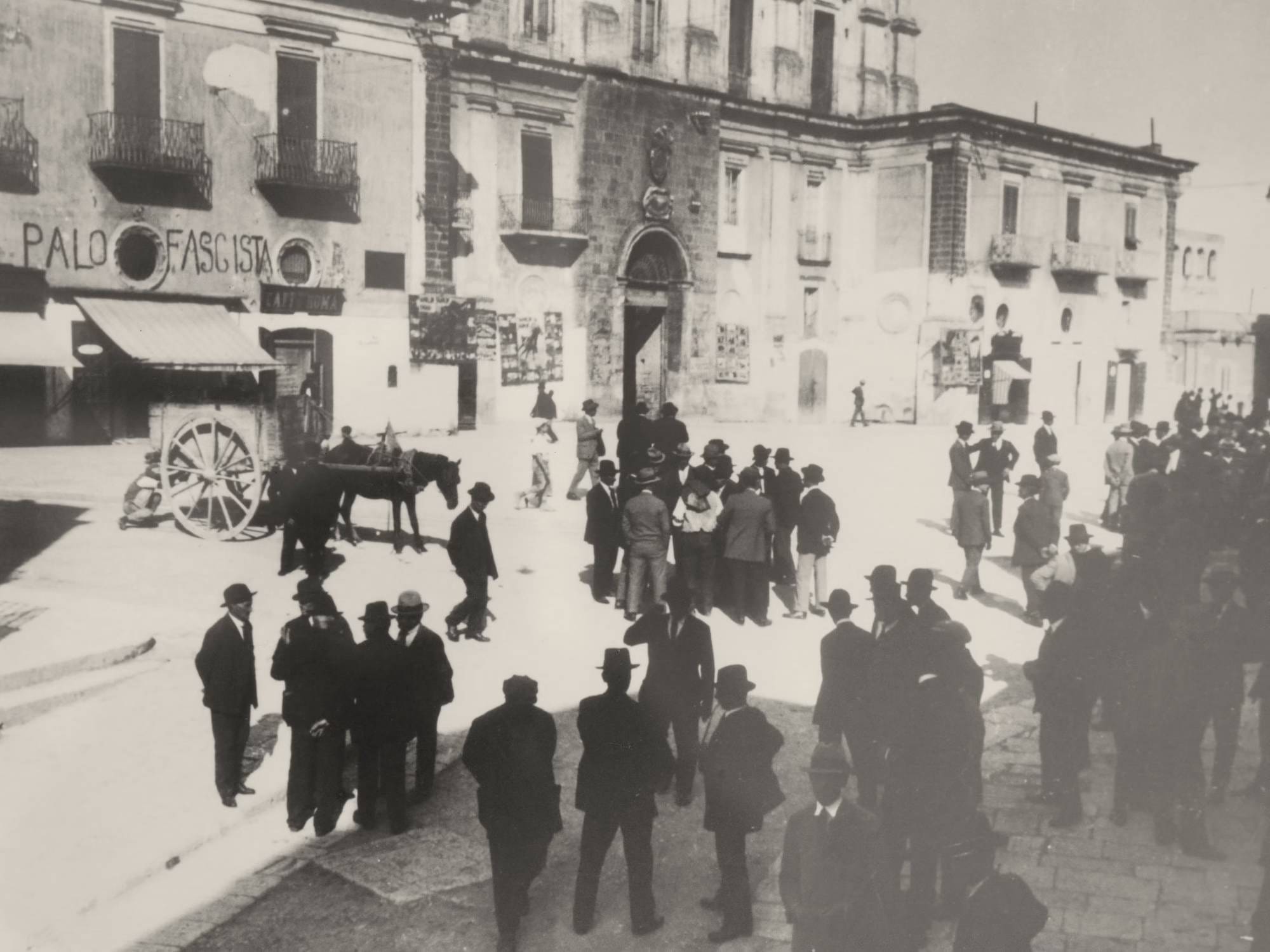
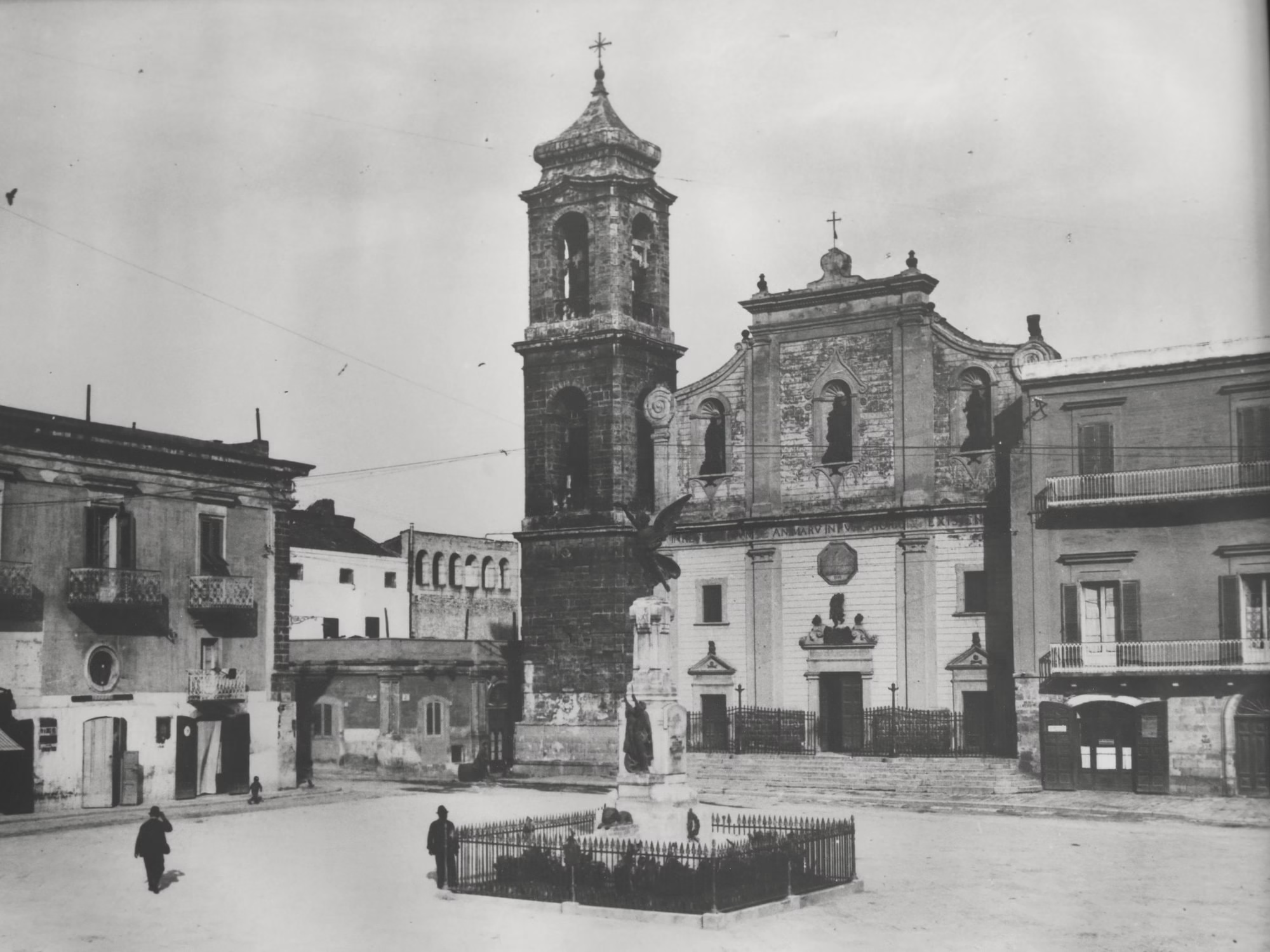
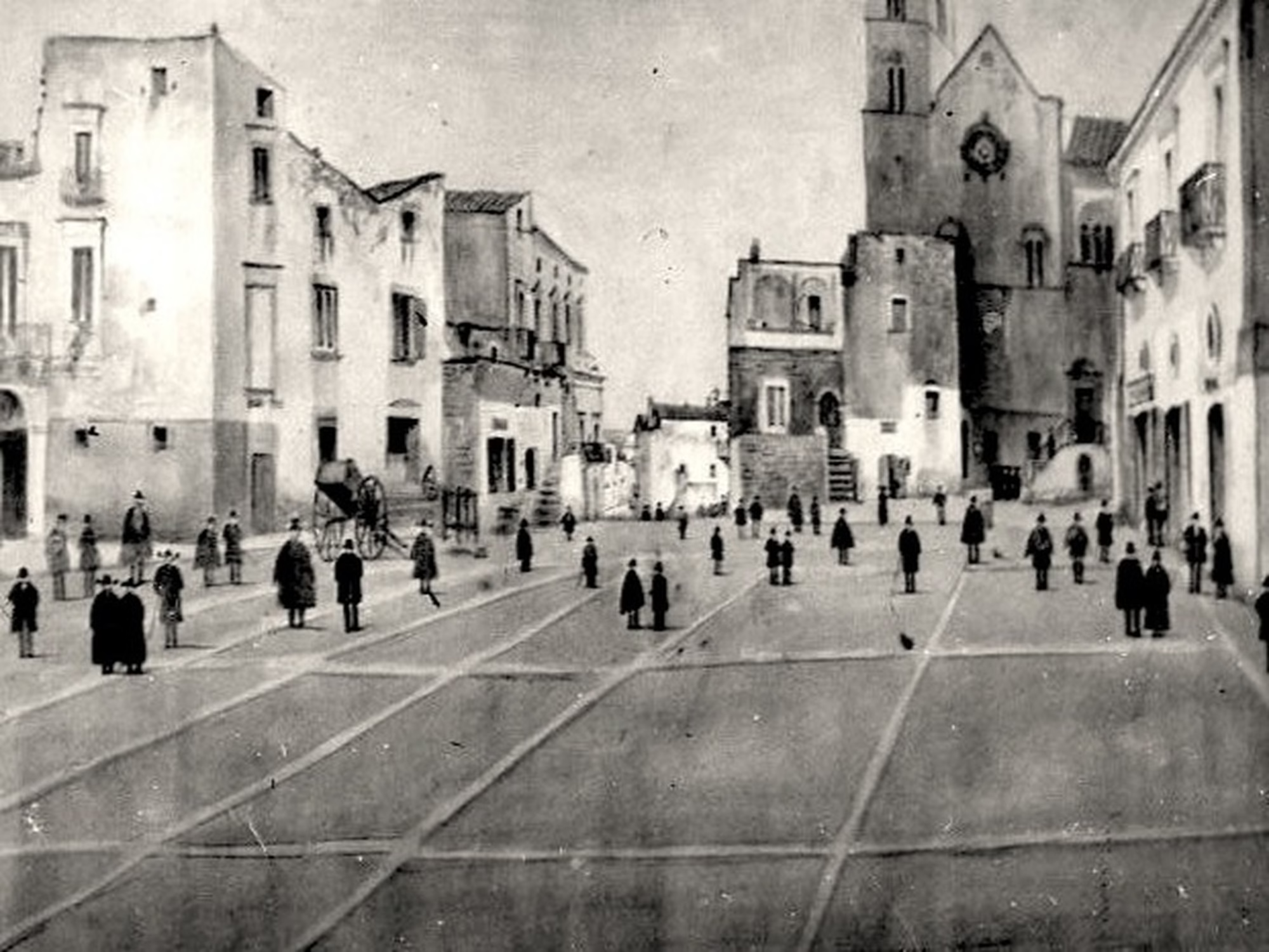
This space was known as Largo del Castello until 1800 but also Largo della Croce. These were the old names used until the end of the 19th century when the name Piazza Santa Croce took hold. In fact, since medieval times there was a cross in this space, probably in front of where Palazzo de Leone stands today. In 1552, the local governors decided to move the cross away from the inhabited area and this place was referred to in the acts as “above the cross”. The symbol of the cross was so important that it identified the whole square, and even the ancient “Porta della Terra” took on the name of “Porta della Croce”. The square was thus enclosed also by Porta Madonna, situated between the castle and the Chiesa del Purgatorio.