Masseria Guaccero
Cent. 16th-20th
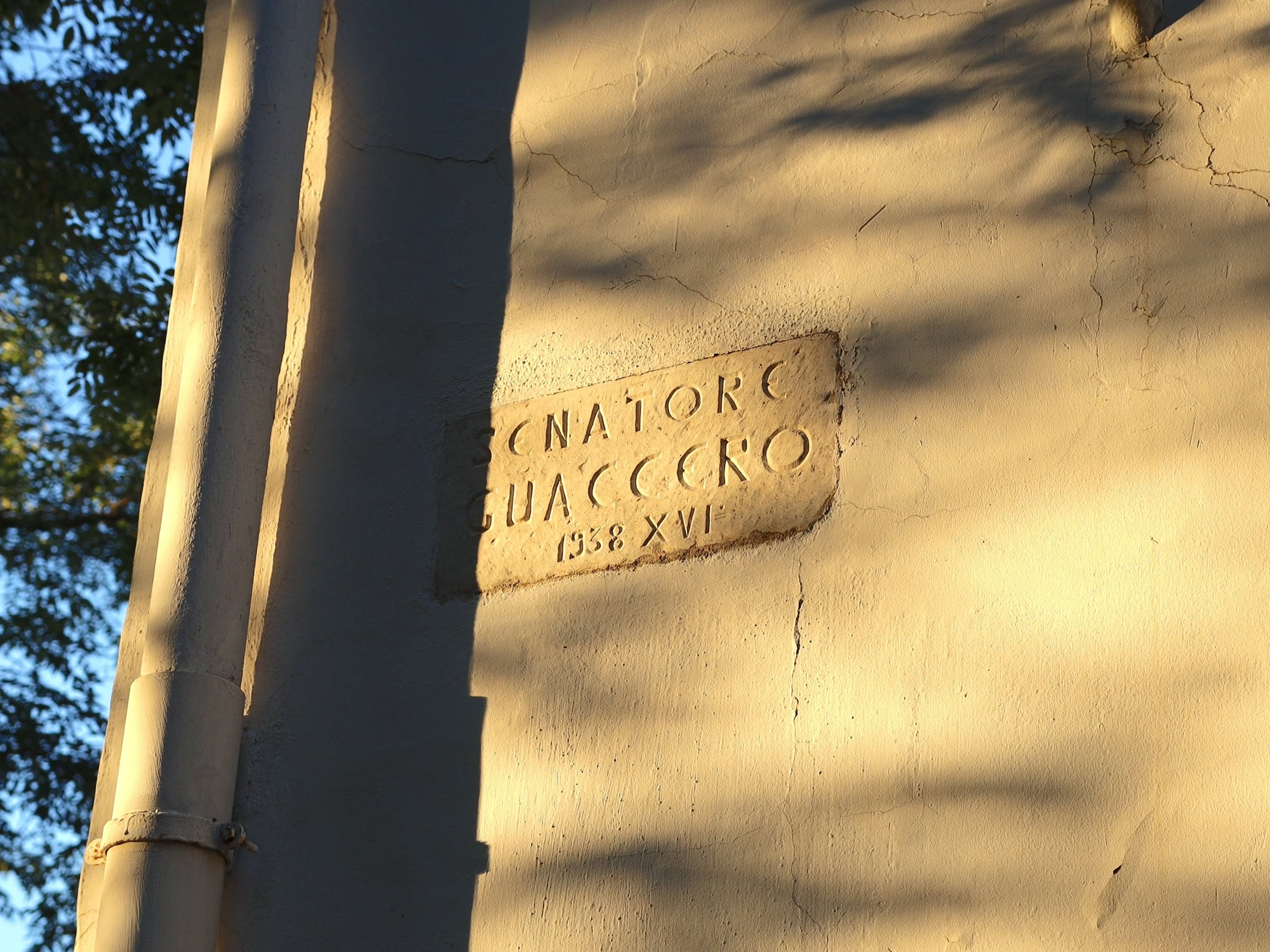
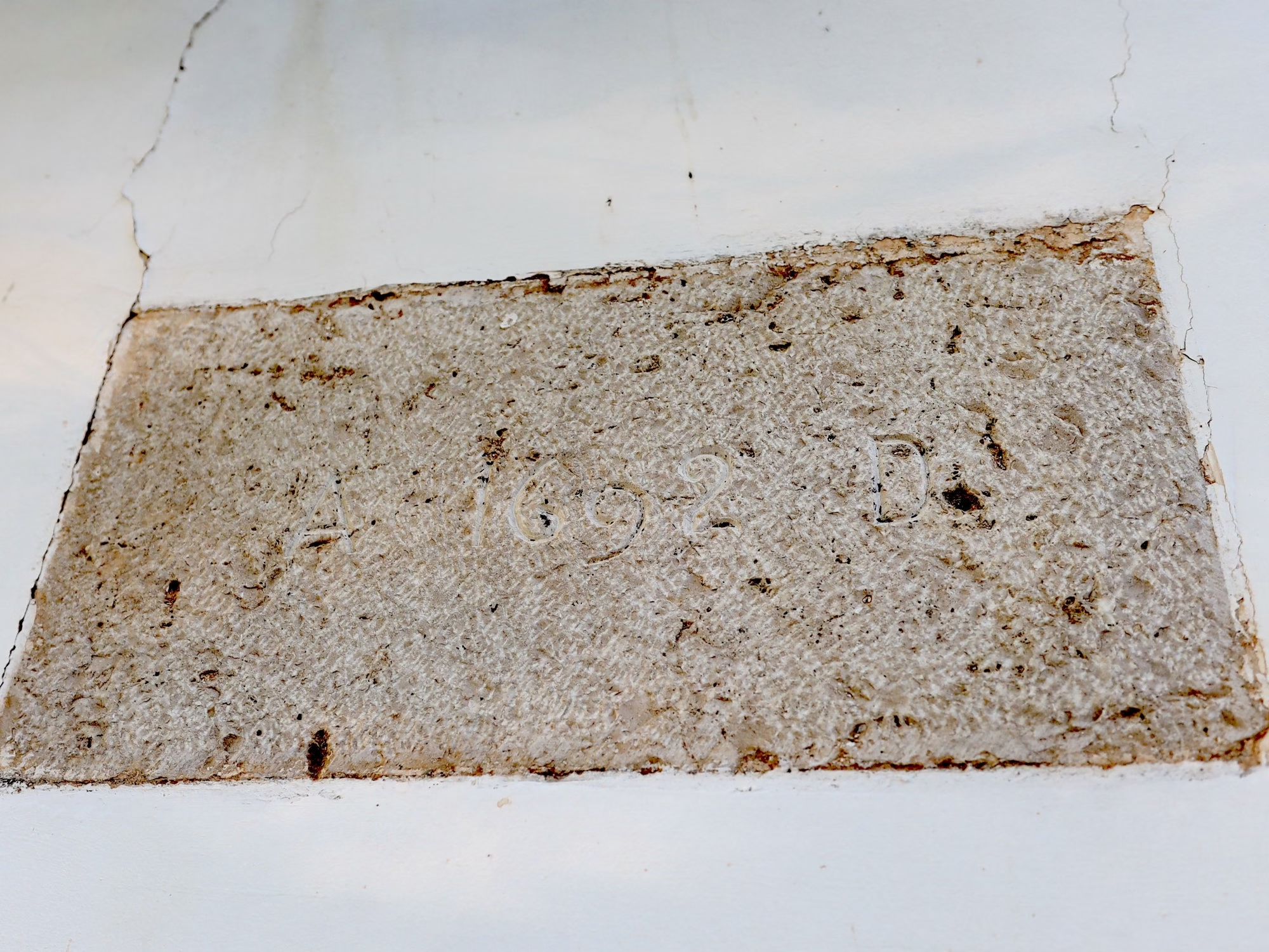
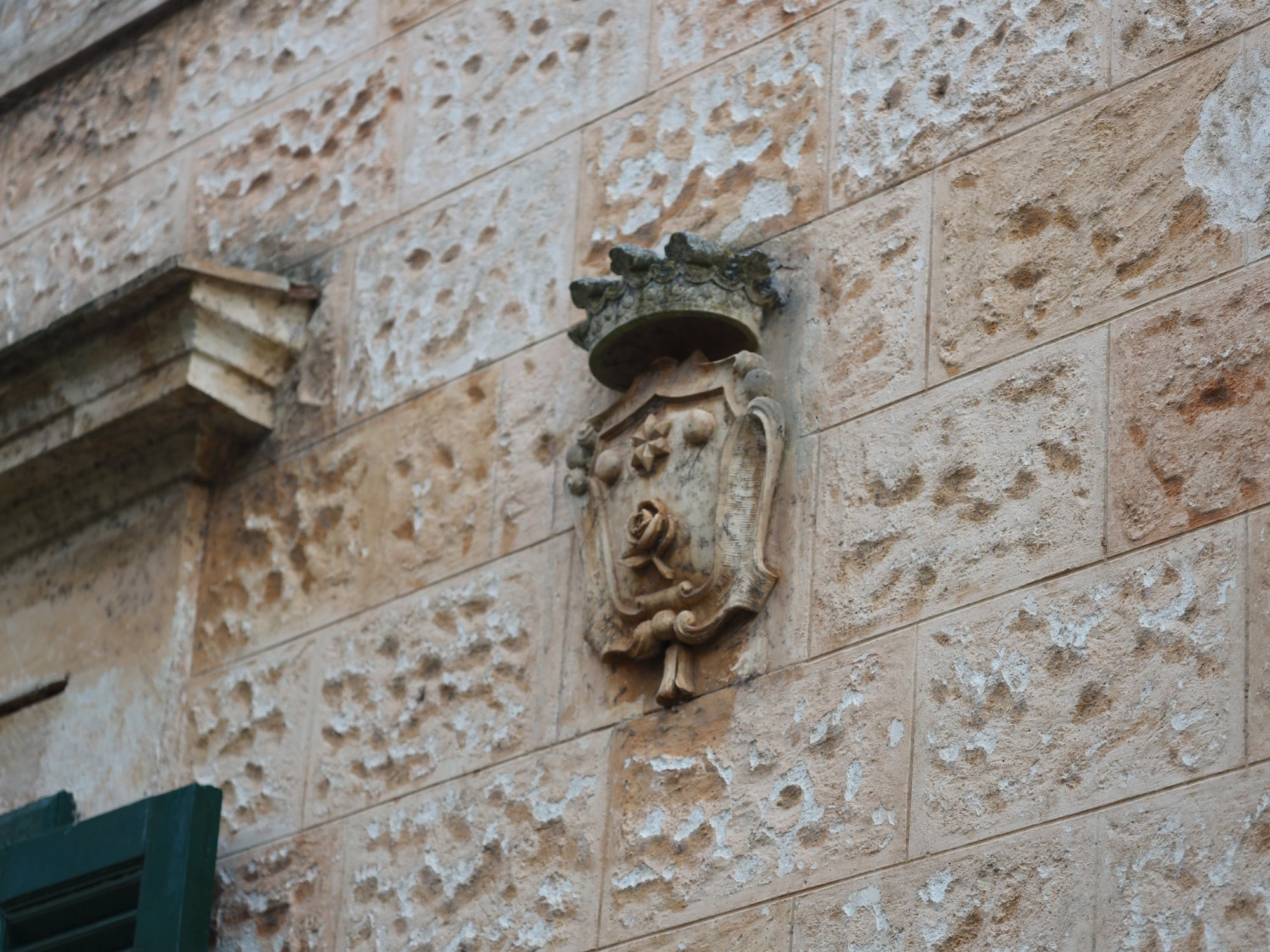
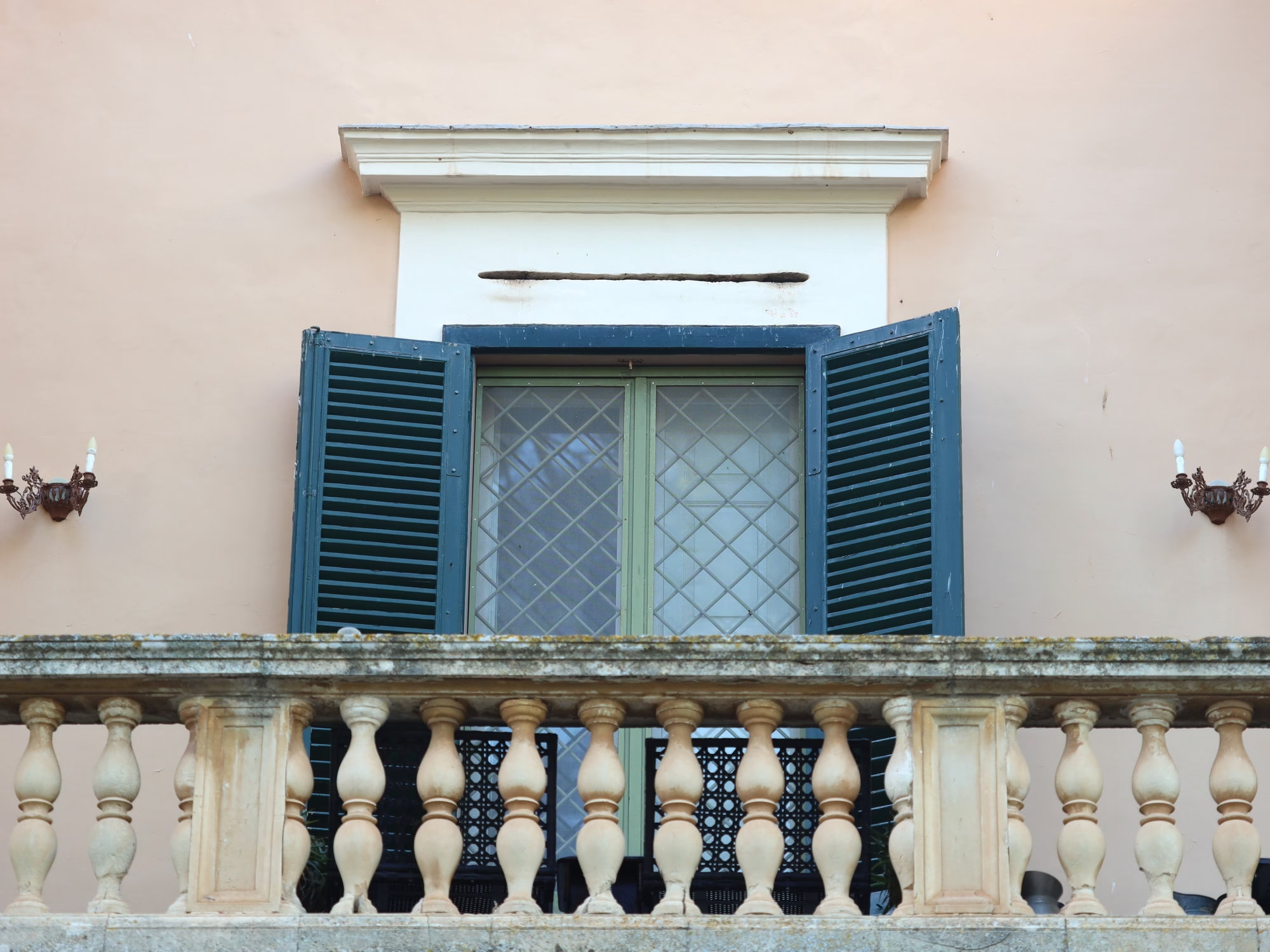
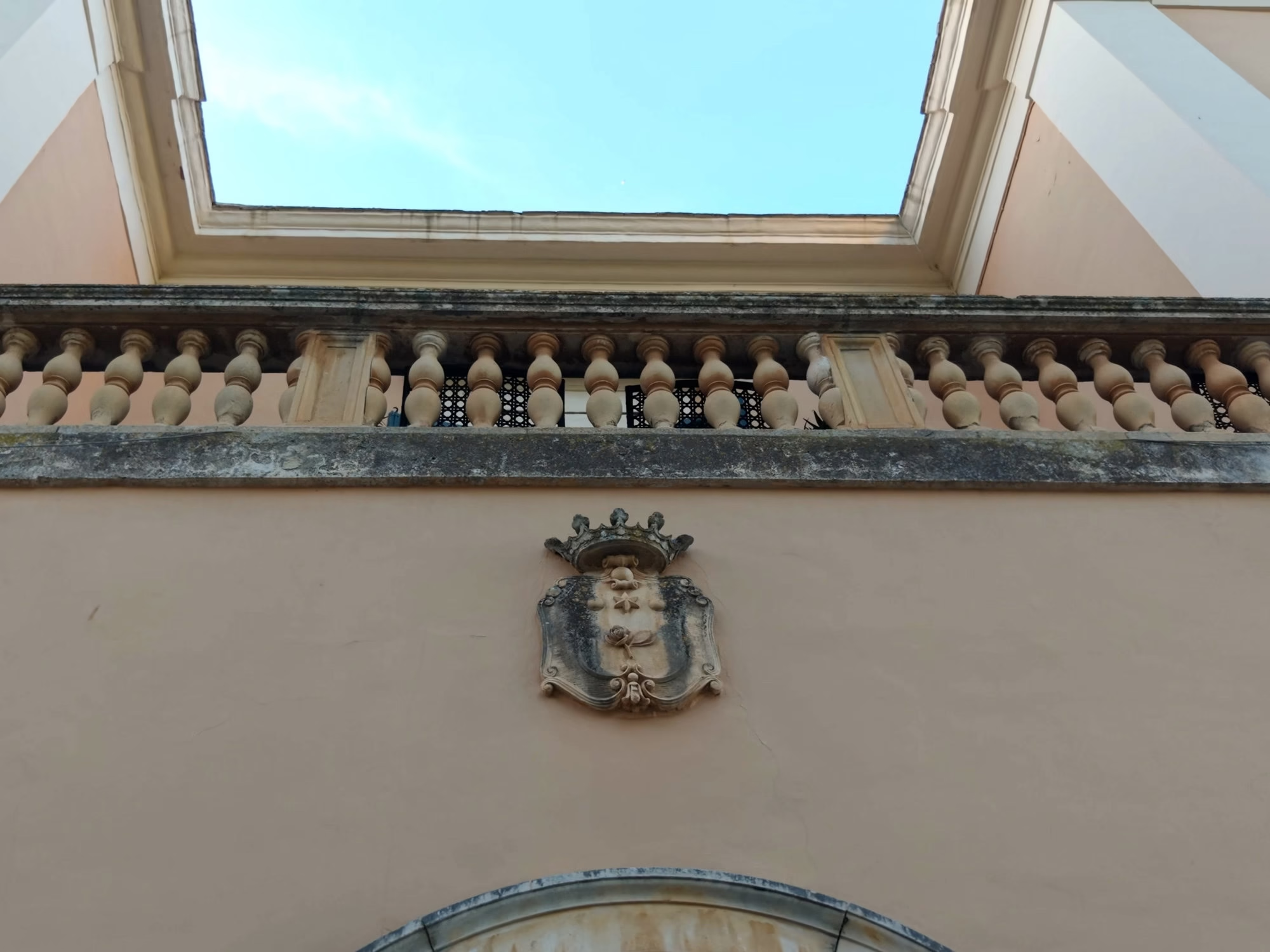
The road leading to Maiorana crosses through the estate like a blade, dividing two worlds which, although belonging to the same family, tell of different eras and ambitions. On one side, hidden behind a gate supported by square columns decorated with stone pine cones, is the Guaccero residence. Its foundations date back to the 16th century and the walls have been added to over the centuries. The façade is sober and harmonious and welcomes visitors through a round arch, above which sits the family coast of arms: a star on two spheres resting on a rose. Across the road is the residence built in 1929 by the Senator Alessandro Guaccero. Here there is no sober renaissance elegance but a style evocative of a castle with gothic and medieval traits. Its walls alternate between ashlar and blocks of tuff, while a large central arch welcomes guests. On the door a Latin inscription declares the Senator’s desire to restore and decorate his ancestors’ home according to modern tastes, without going against his roots.
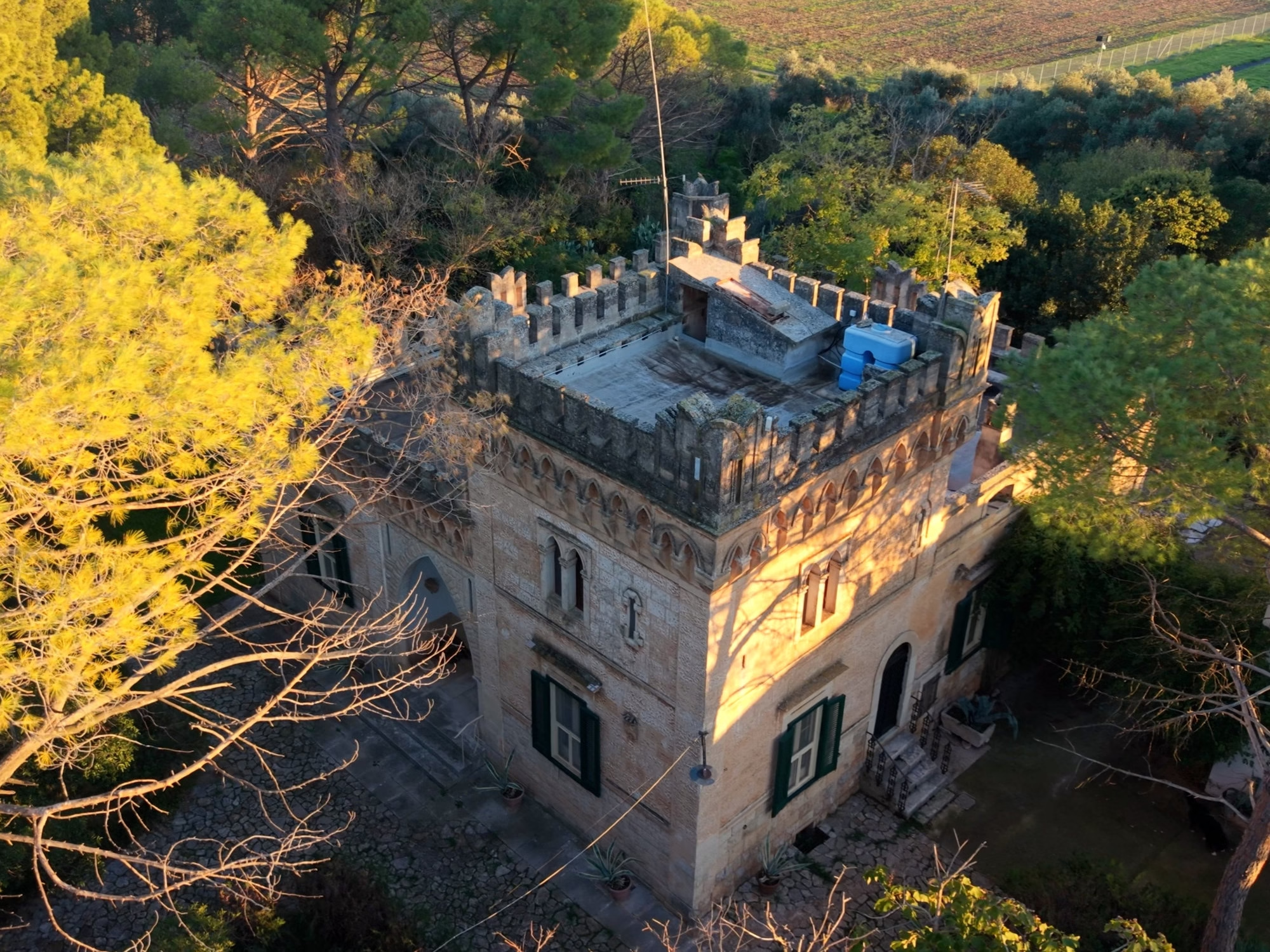
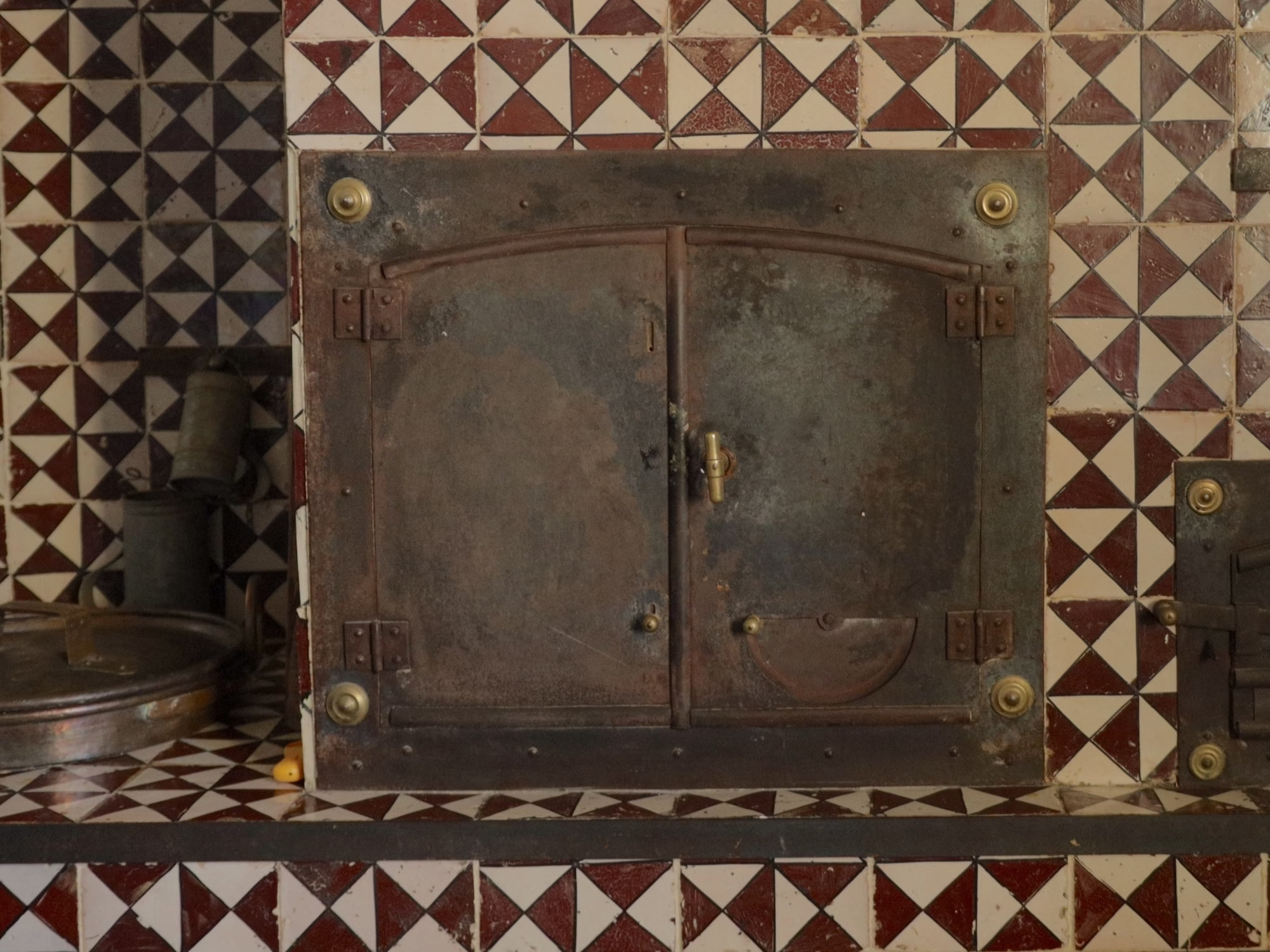
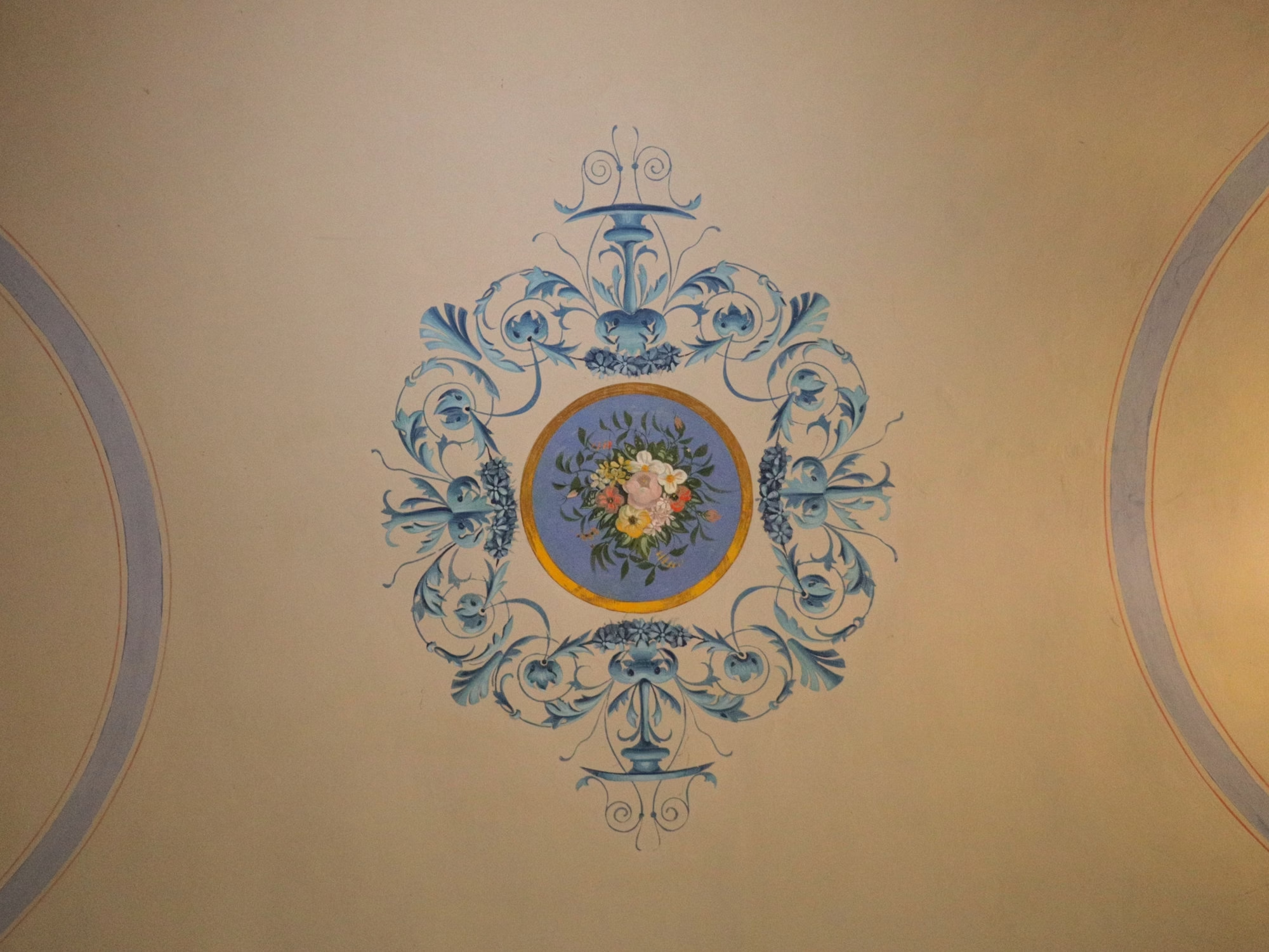
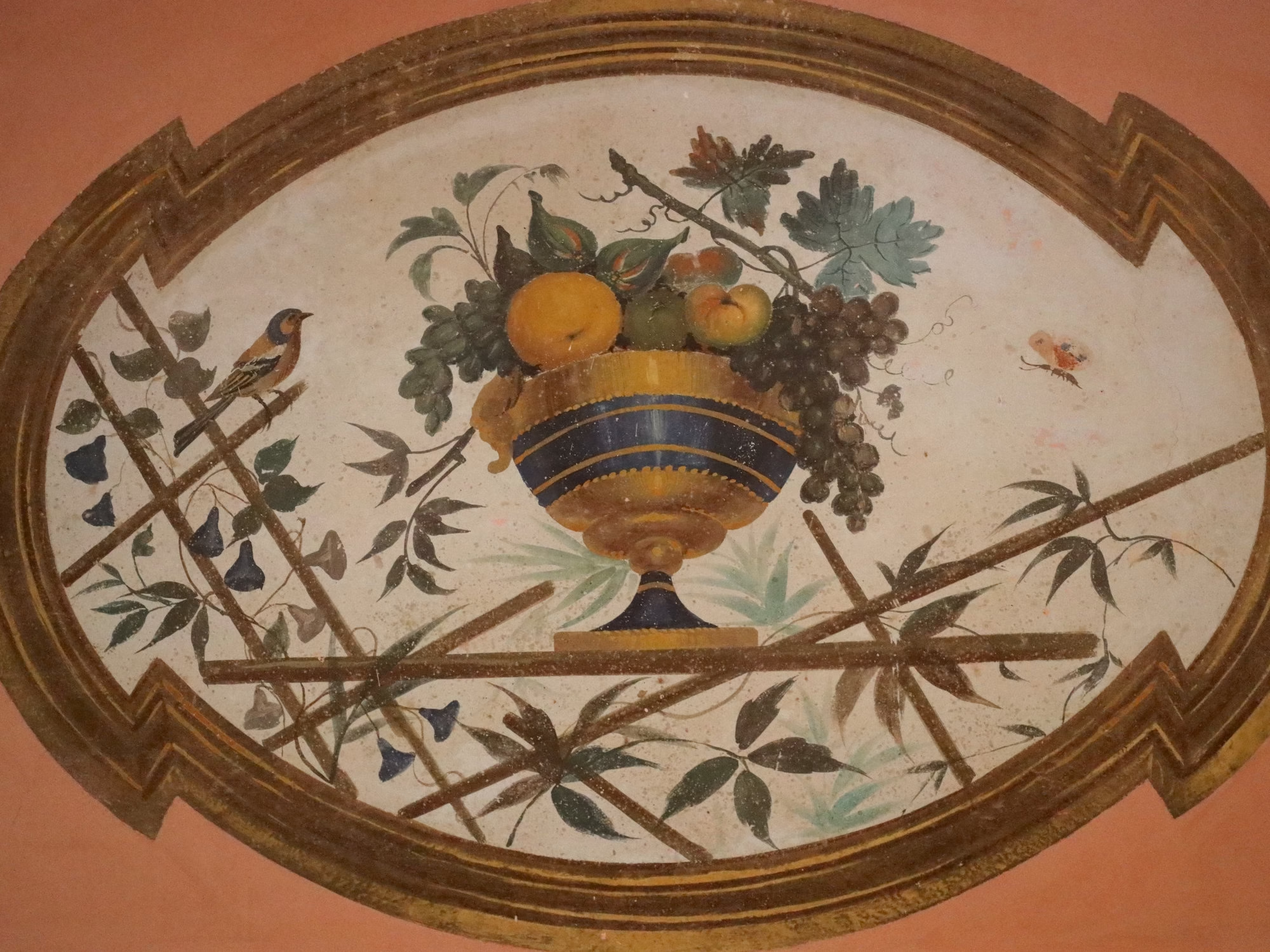
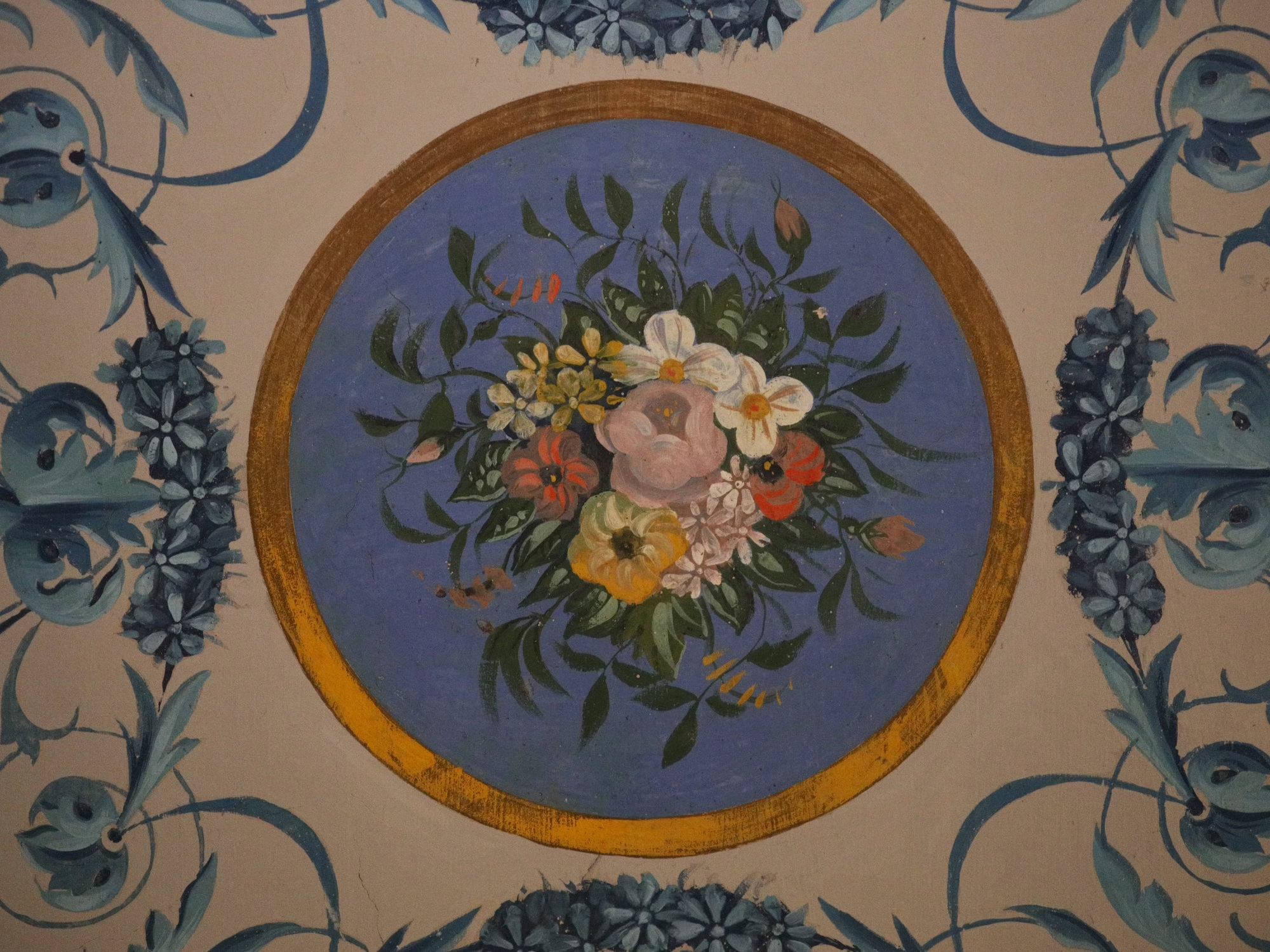
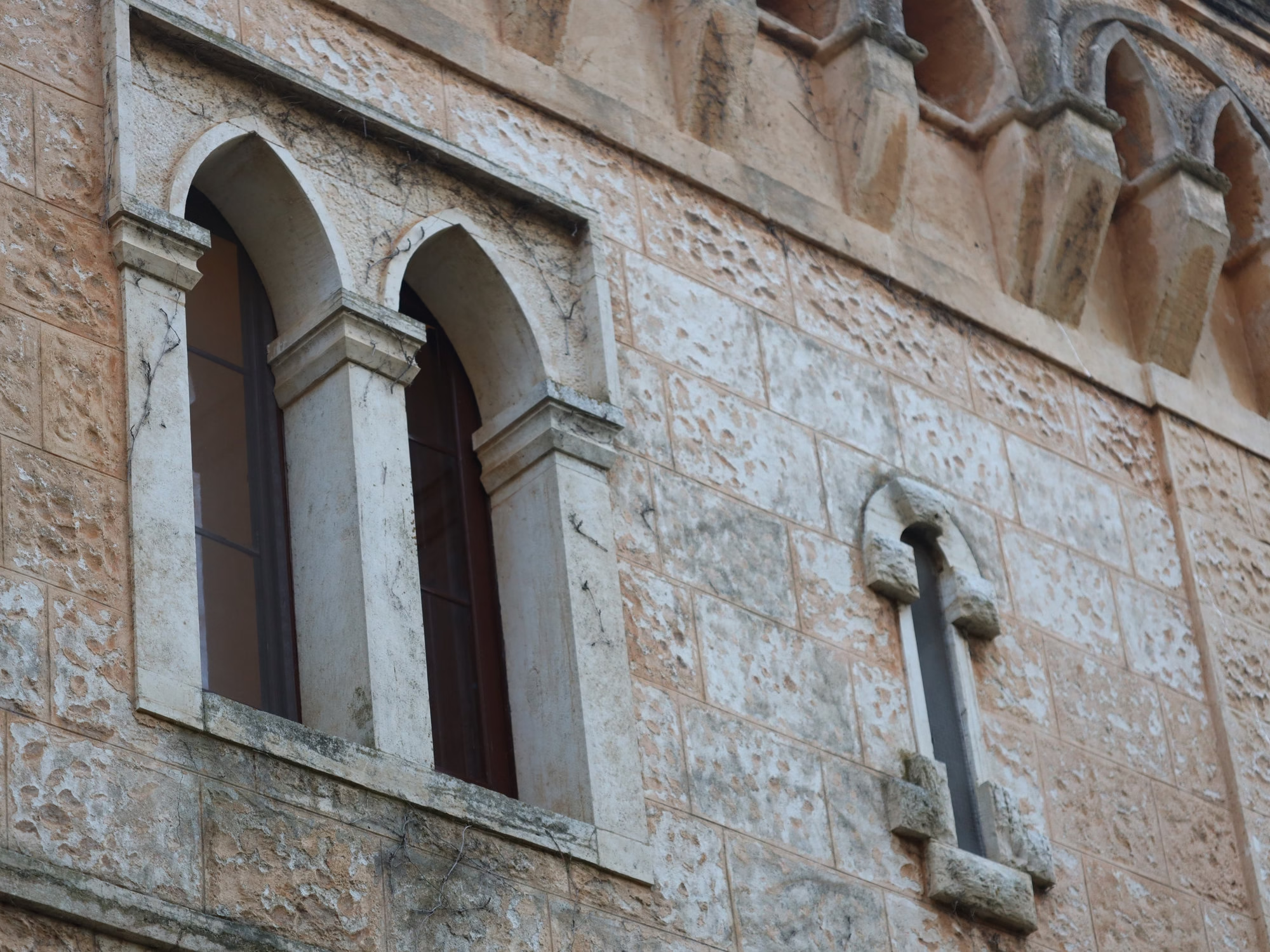
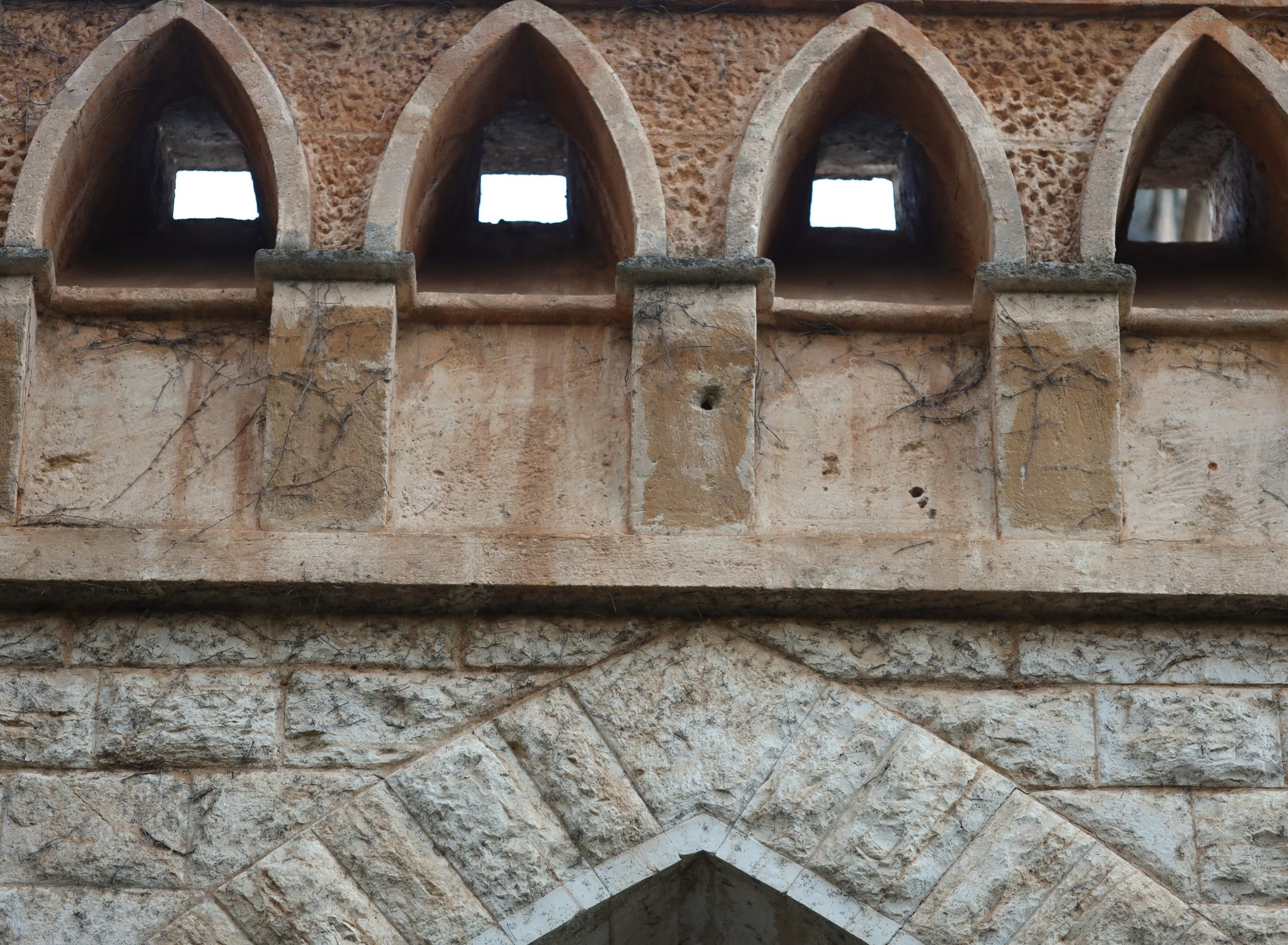
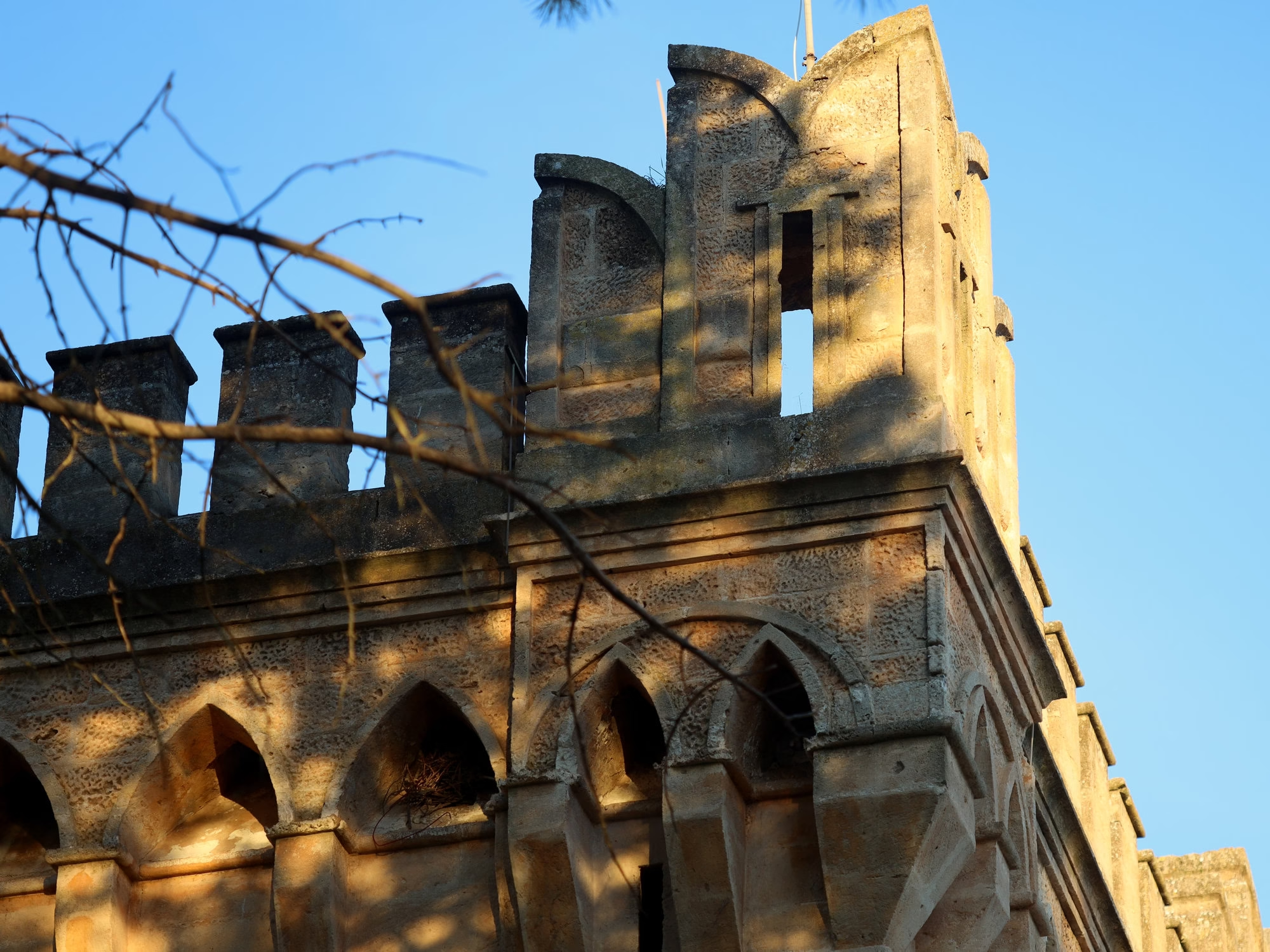
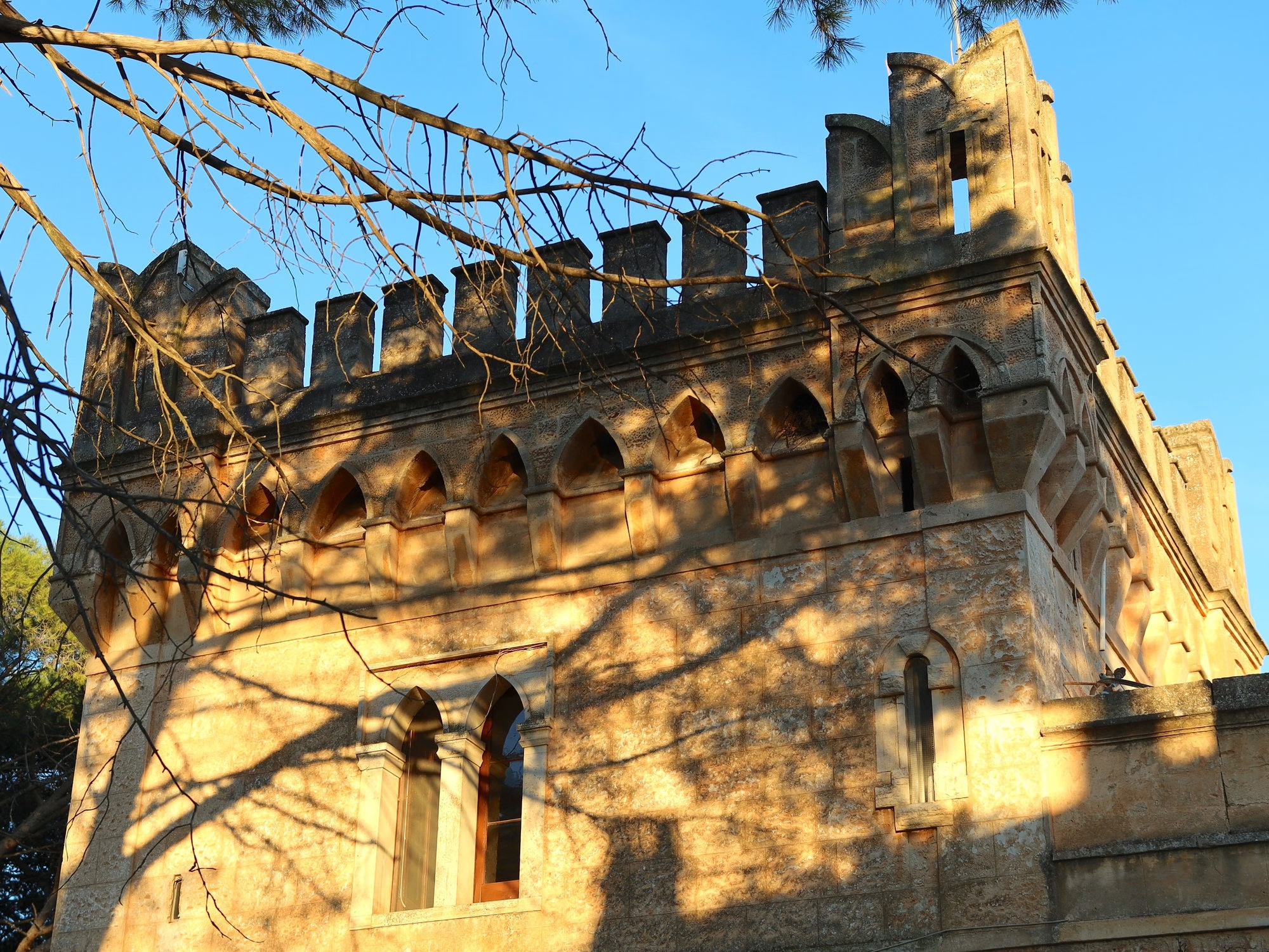
The crenellations recall defensive castles, as if wishing to protect the centuries-old history of the family. The Guaccero family tree goes back more than six centuries. Originally Lombards, they arrived from Salerno in the 14th century and immediately took their place in community life as farmers, merchants, doctors and administrators. In the 19th century the union with the Forges Davanzati family sealed the patriotic links of the clan. Pasquale Guaccero married Agata Forges Davanzati and Domenico was born from this union. Domenico married Maria Fallacara and had eight children, including Alessandro Guaccero who became a well-known doctor, member of parliament and senator of the Kingdom in 1929. Later, his son, the engineer Domenico, having inherited the family estate, created a farm producing wine and fruit, popular in Italy and exported to many European countries, a business combining past and future, tradition and innovation.