Chiesa del Purgatorio
Cent. 17th
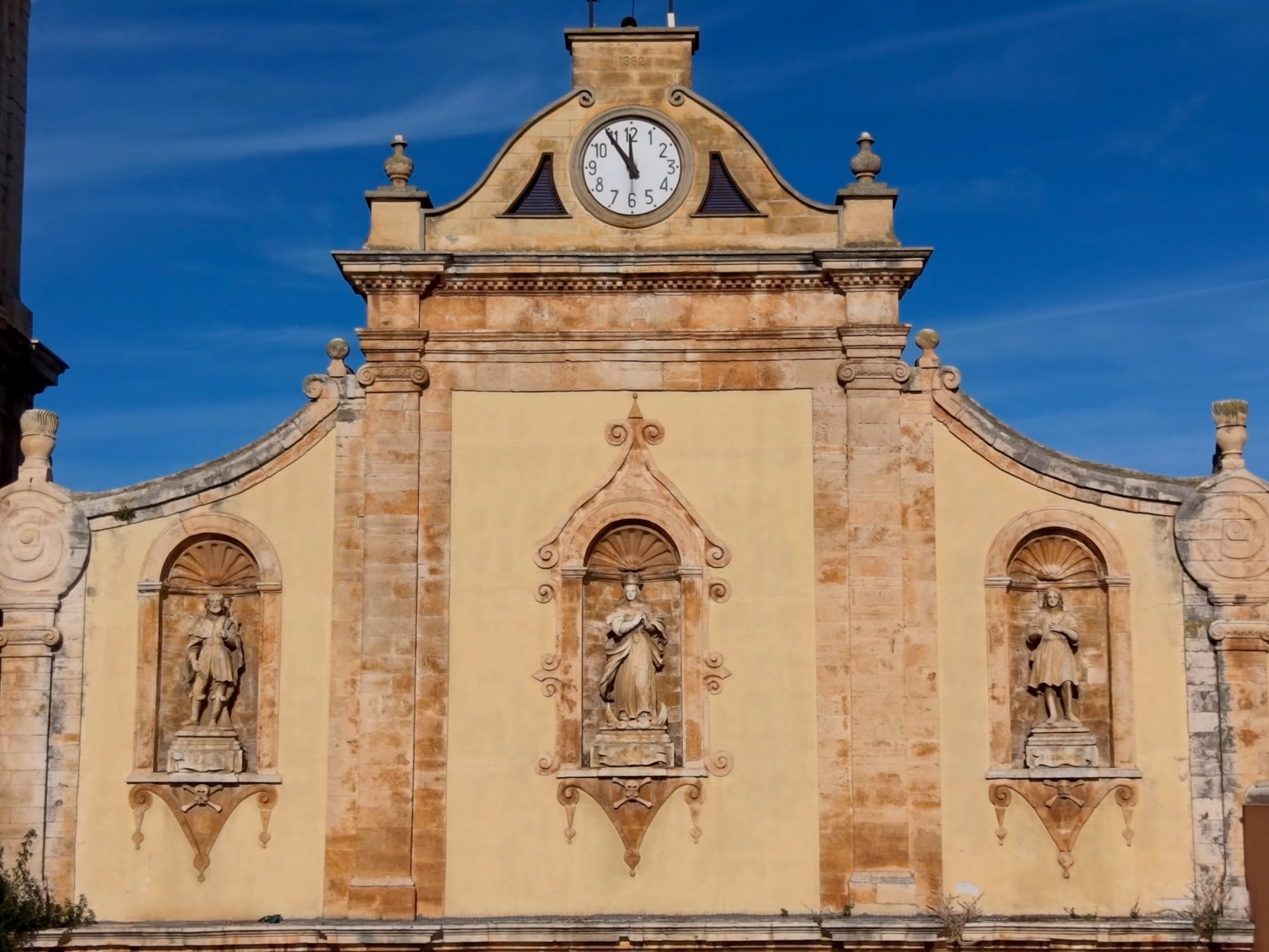
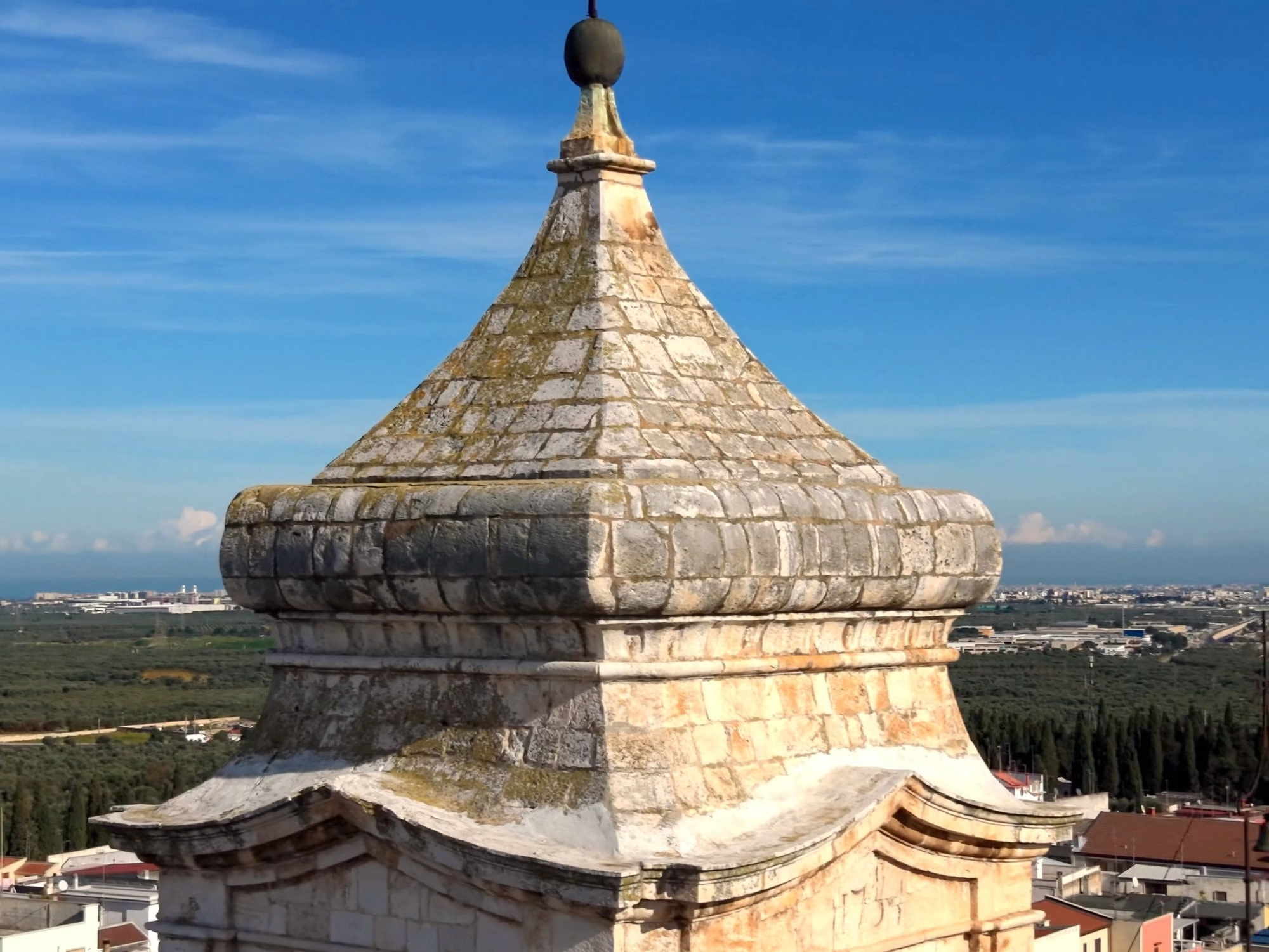
Walking across Piazza Santa Croce, one is immediately entranced by the sober baroque elegance of the Chiesa del Purgatorio, with its sculptures and decorations. It was built between 1669 and the early 1700s thanks to the commitment of the Confraternity of the Suffrage of Souls in Purgatory and over time it became a place of shared memories. At the entrance, the Archangel Michael guides the souls in purgatory towards the light. The latin inscription on the architrave reads “Congiungi le mani affinché San Michele, con l’intercessione della Vergine, liberi le anime che il fuoco brucia purificandole” (Join your hands so that St. Michael, with the intercession of the Virgin Mary, may free the souls burning in the fire and purify them): a prayer inscribed in the stone which still speaks to those who enter. Higher up, the figures of the Immaculate Virgin, St. Roch and St. Nicholas the Pilgrim, created by the artist Carlo Altieri sit in three recesses. In the centre, the 1881 sundial marks the passing of time. The tall and austere bell tower stands on the left. Built in 1734 by the architect Vito Valentino, the solid structure reinforced the building which was had unsafe. Inside the church, the space envelops the visitor like an embrace.
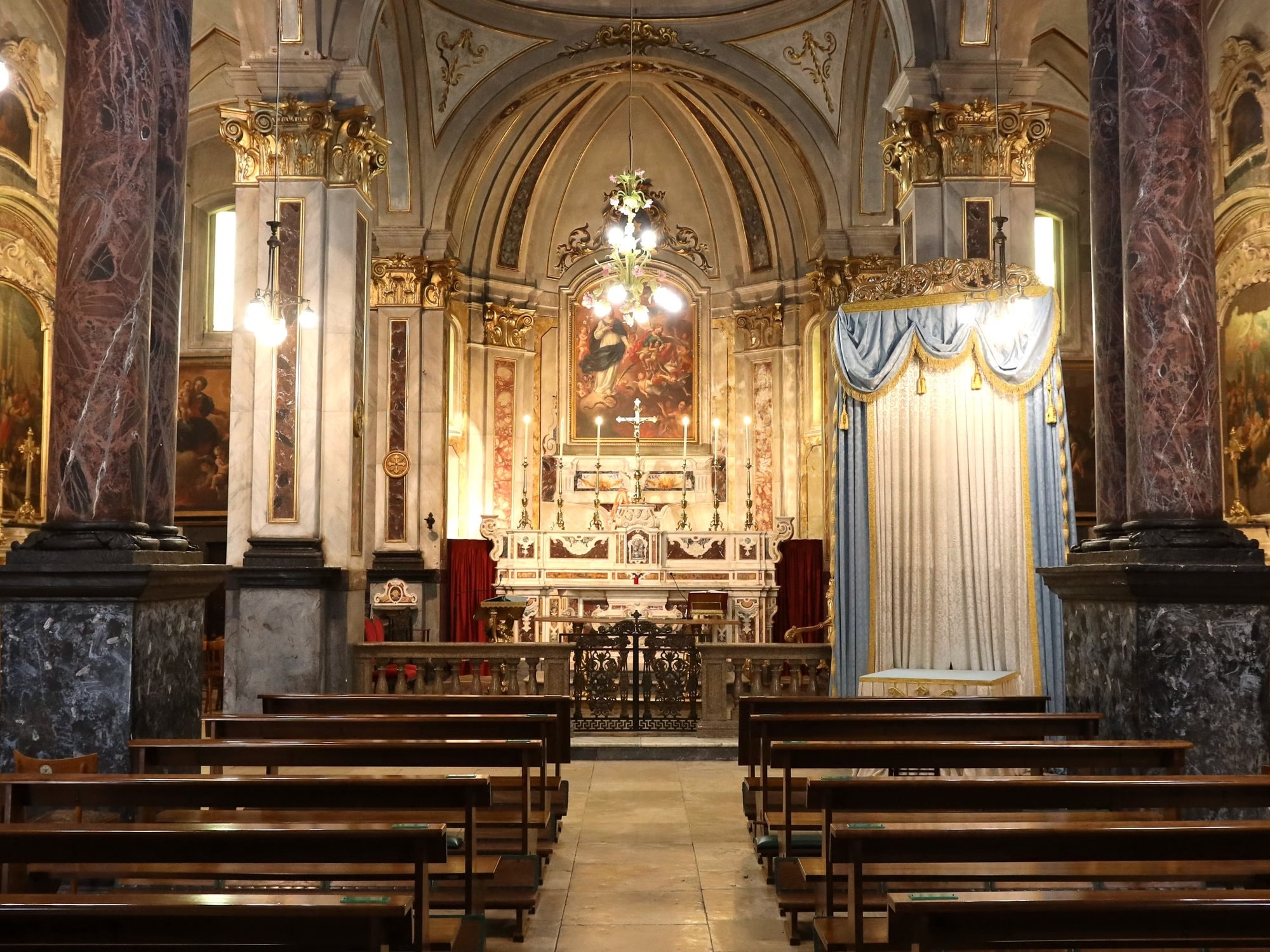
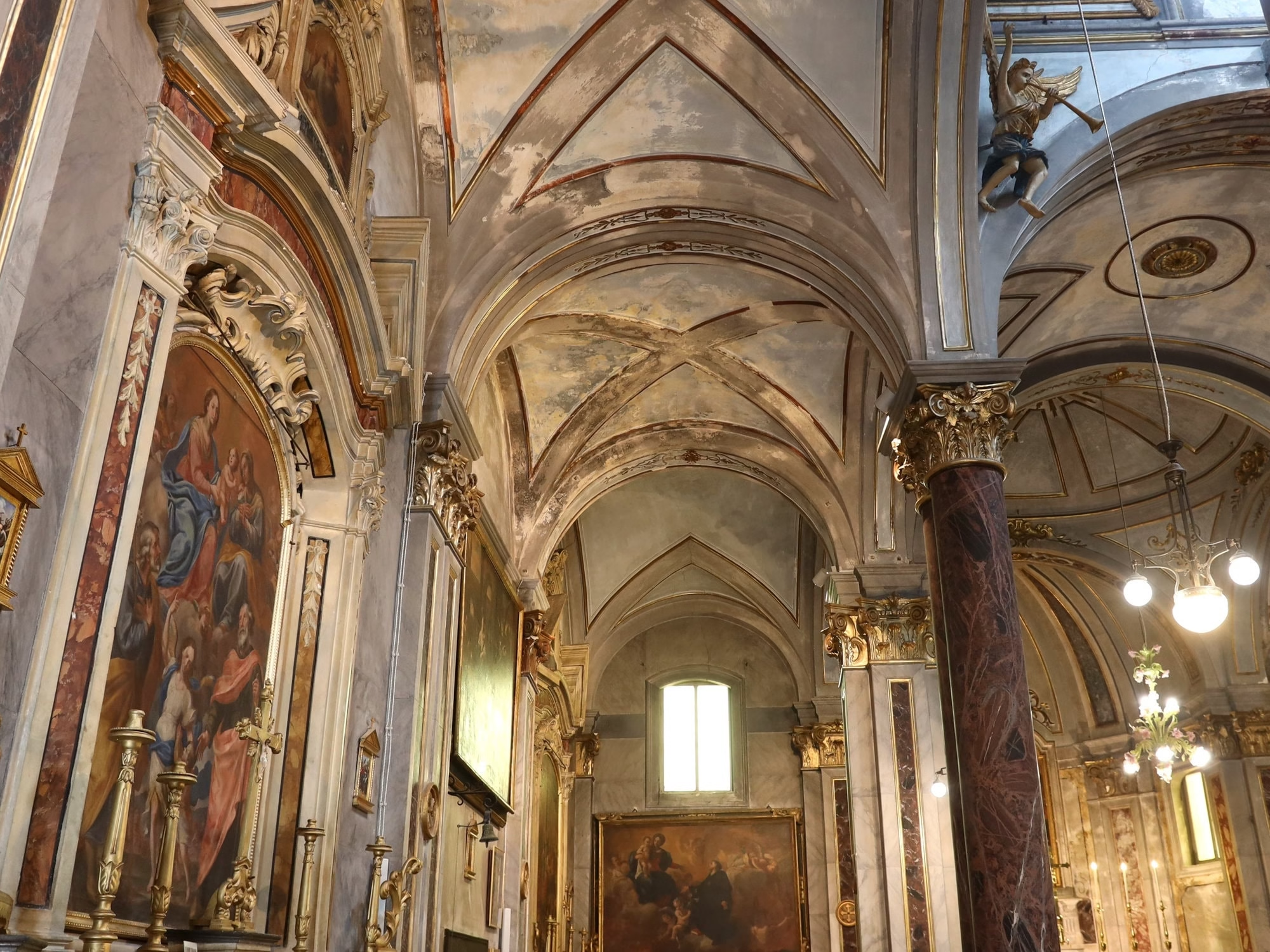
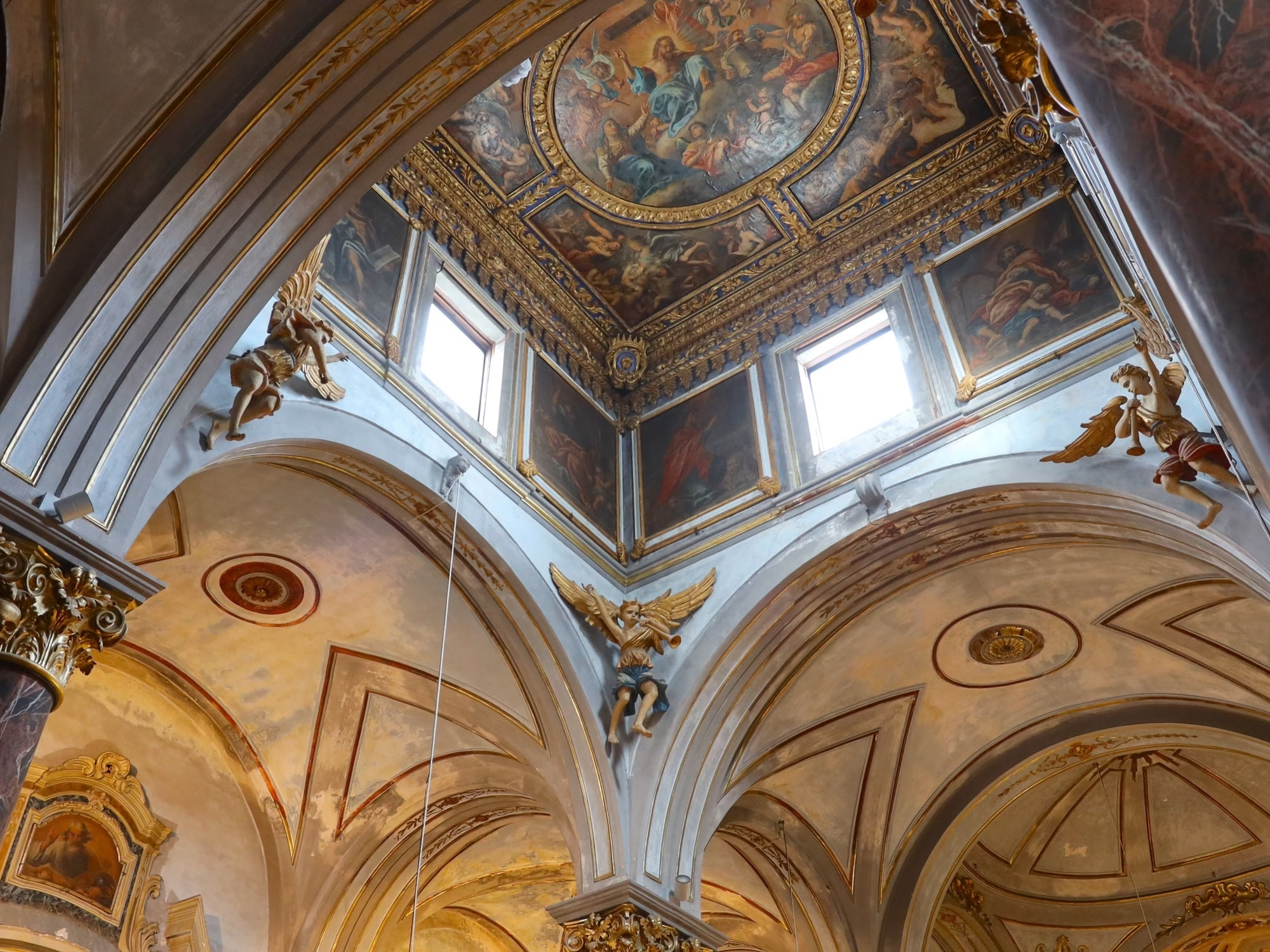
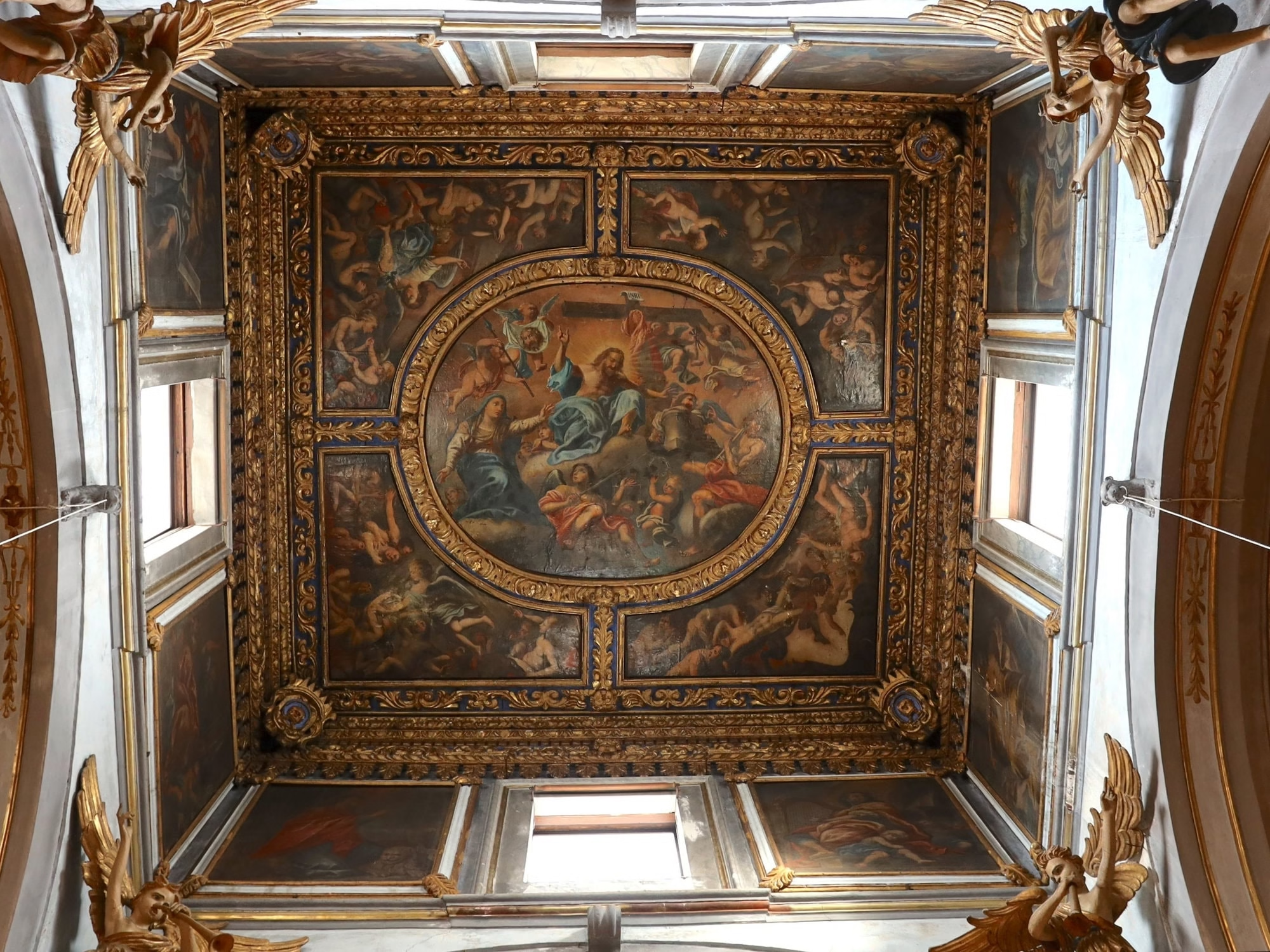
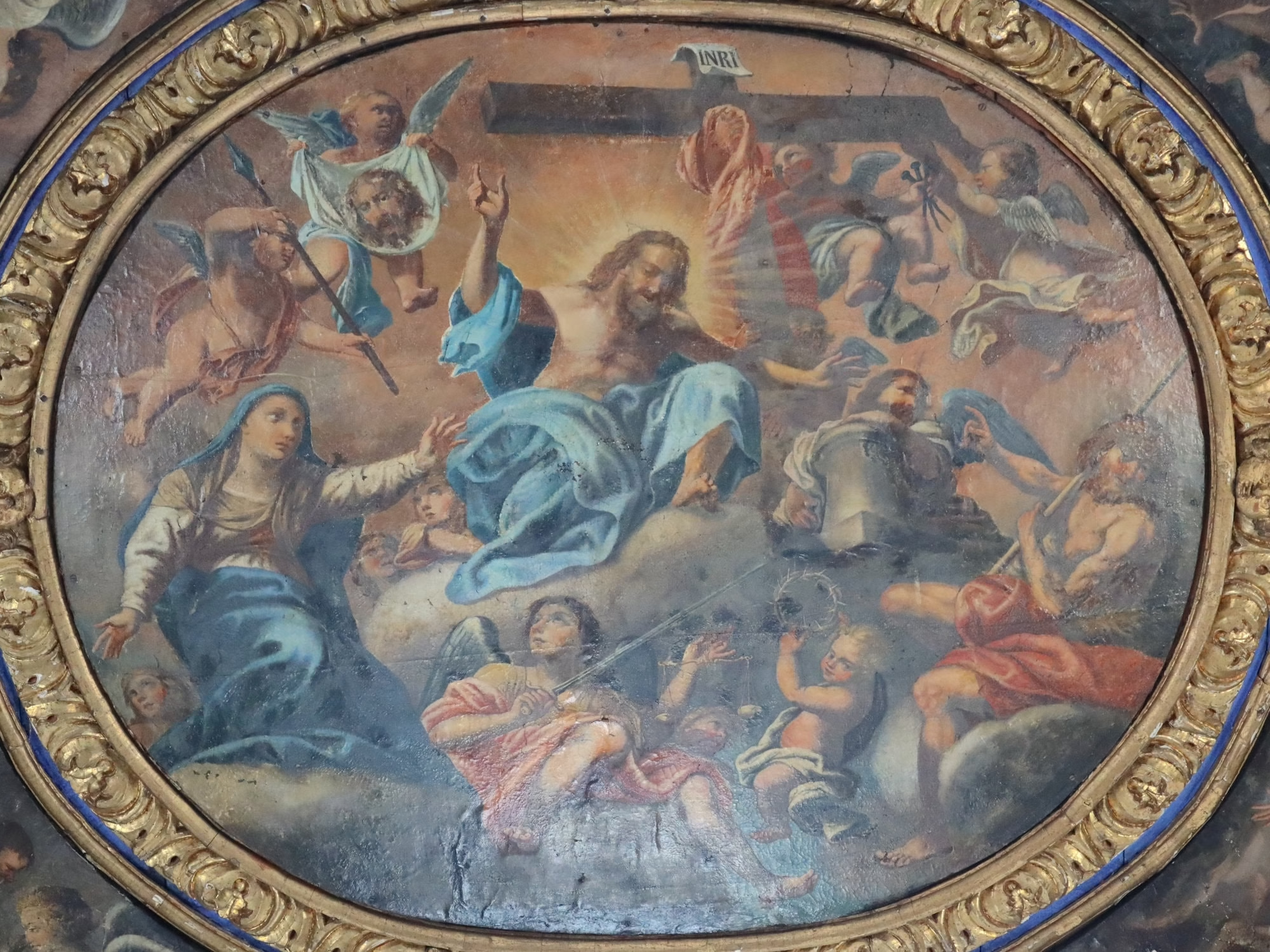
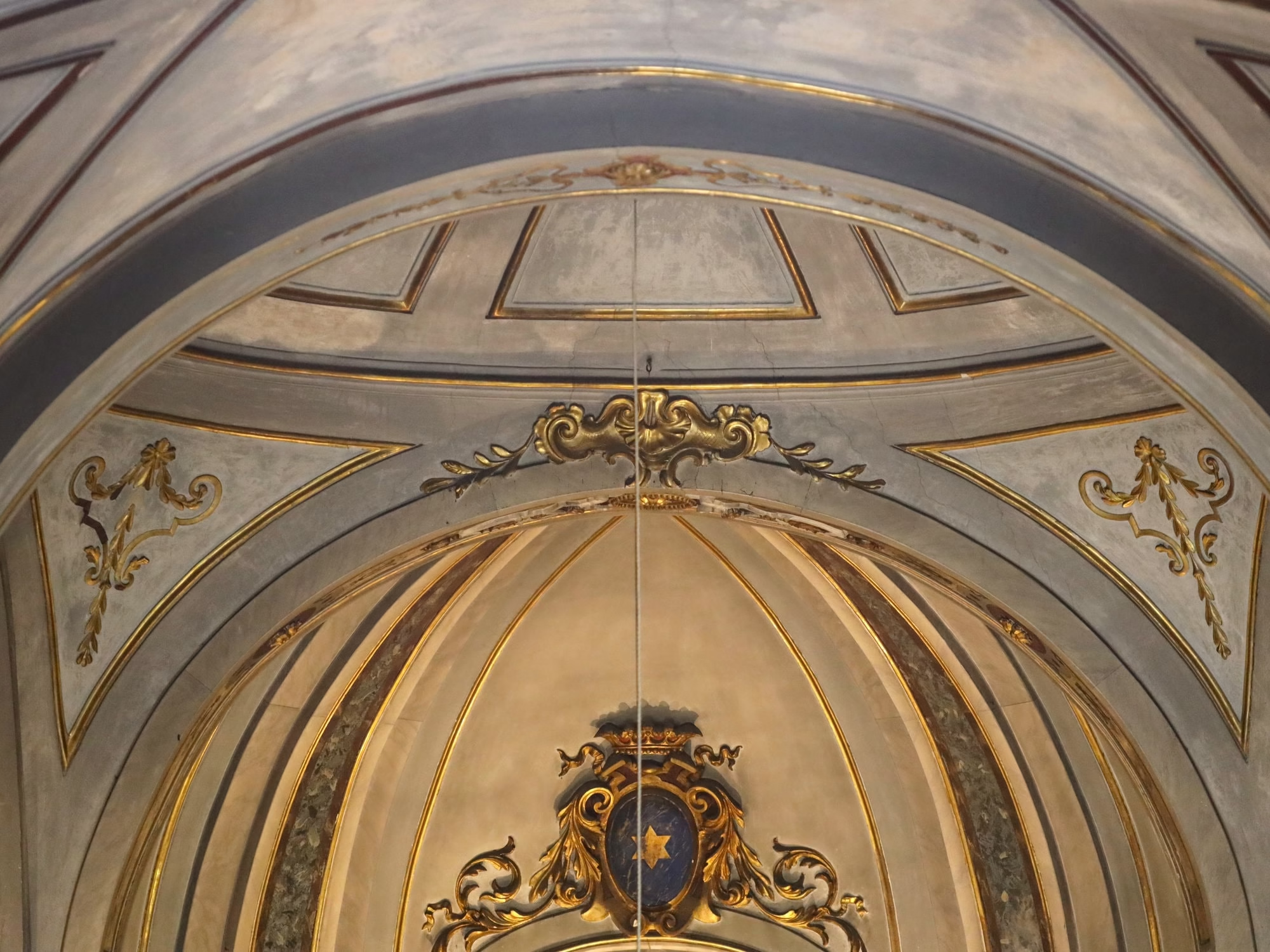
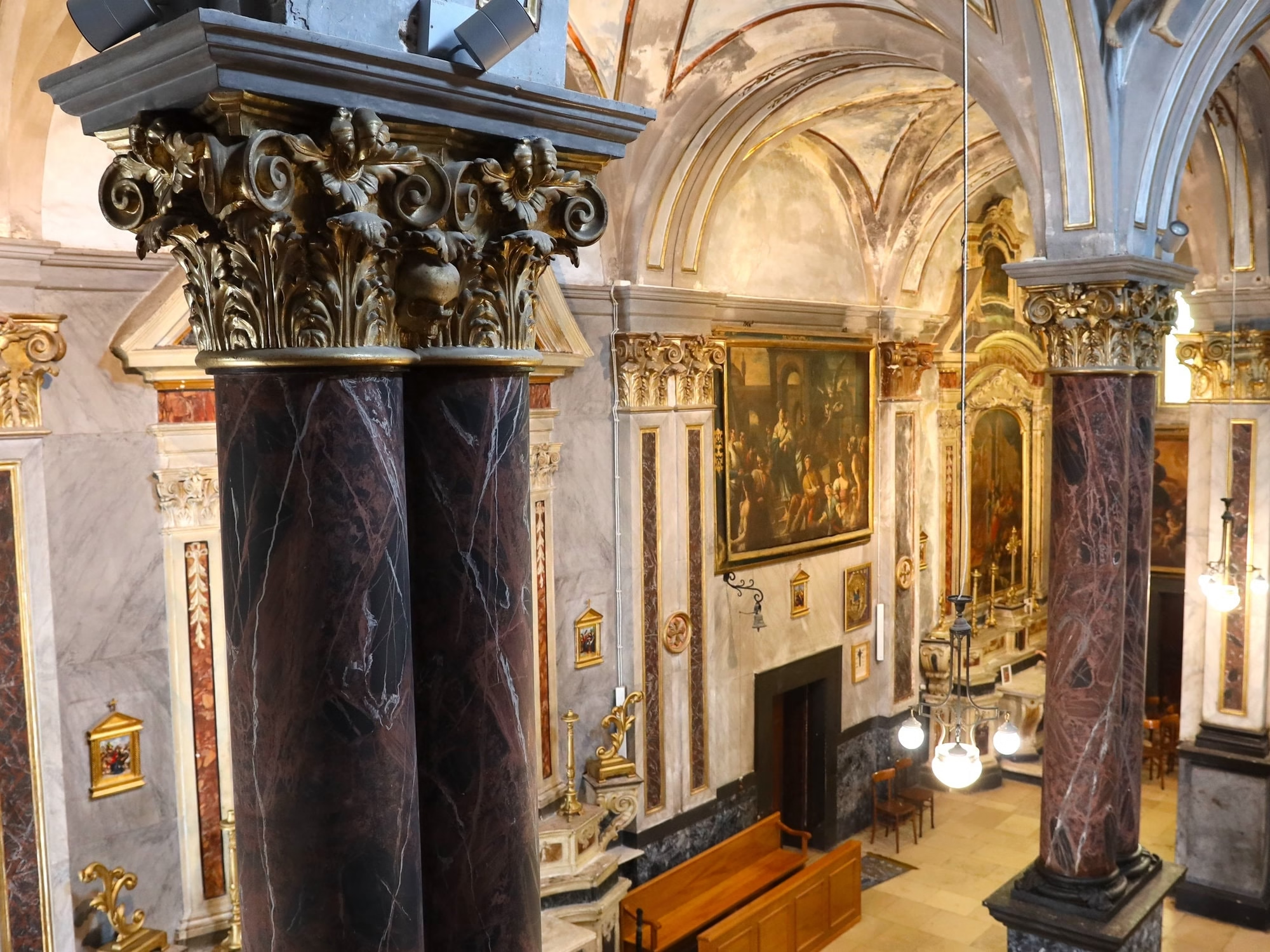
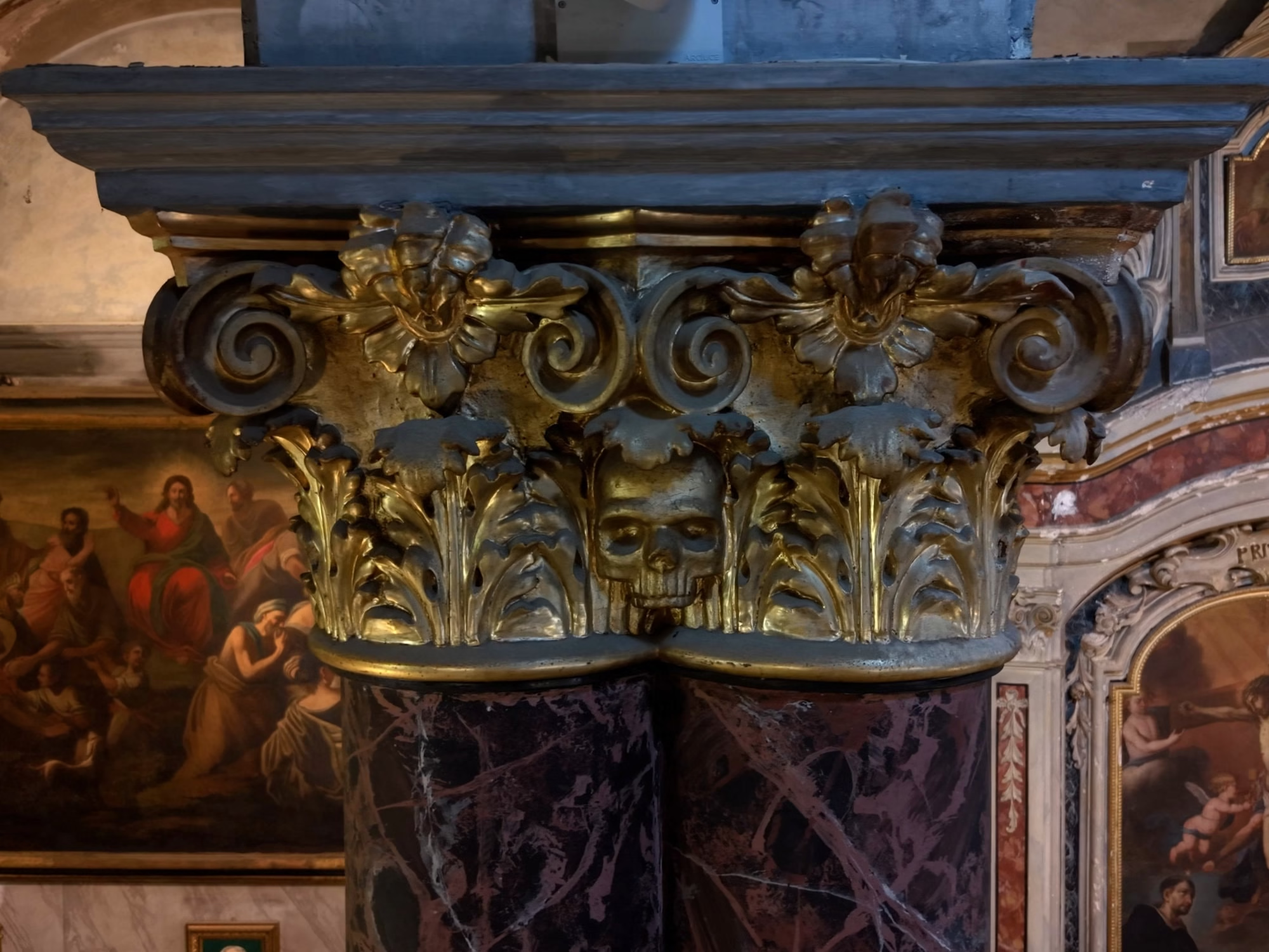
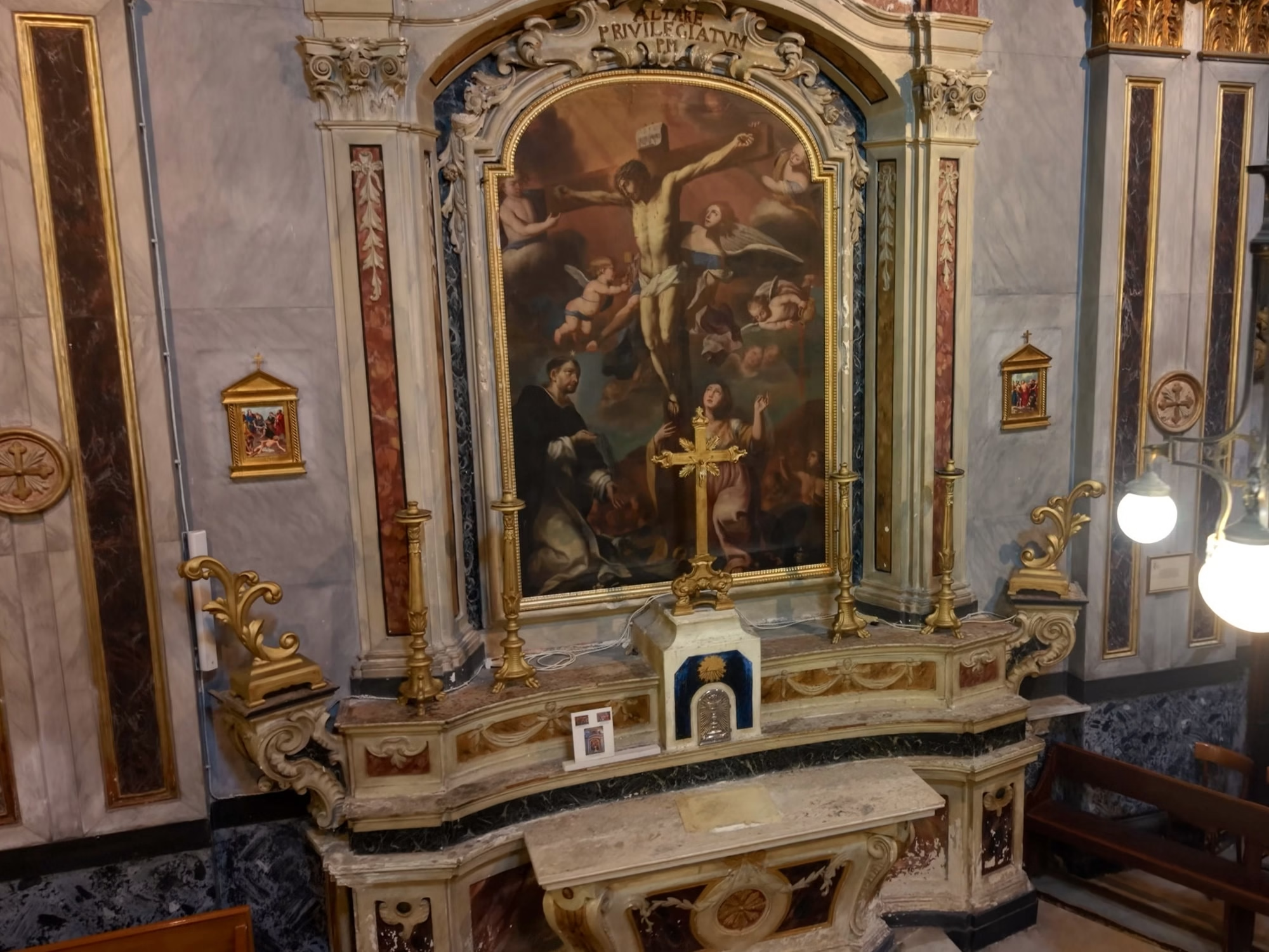
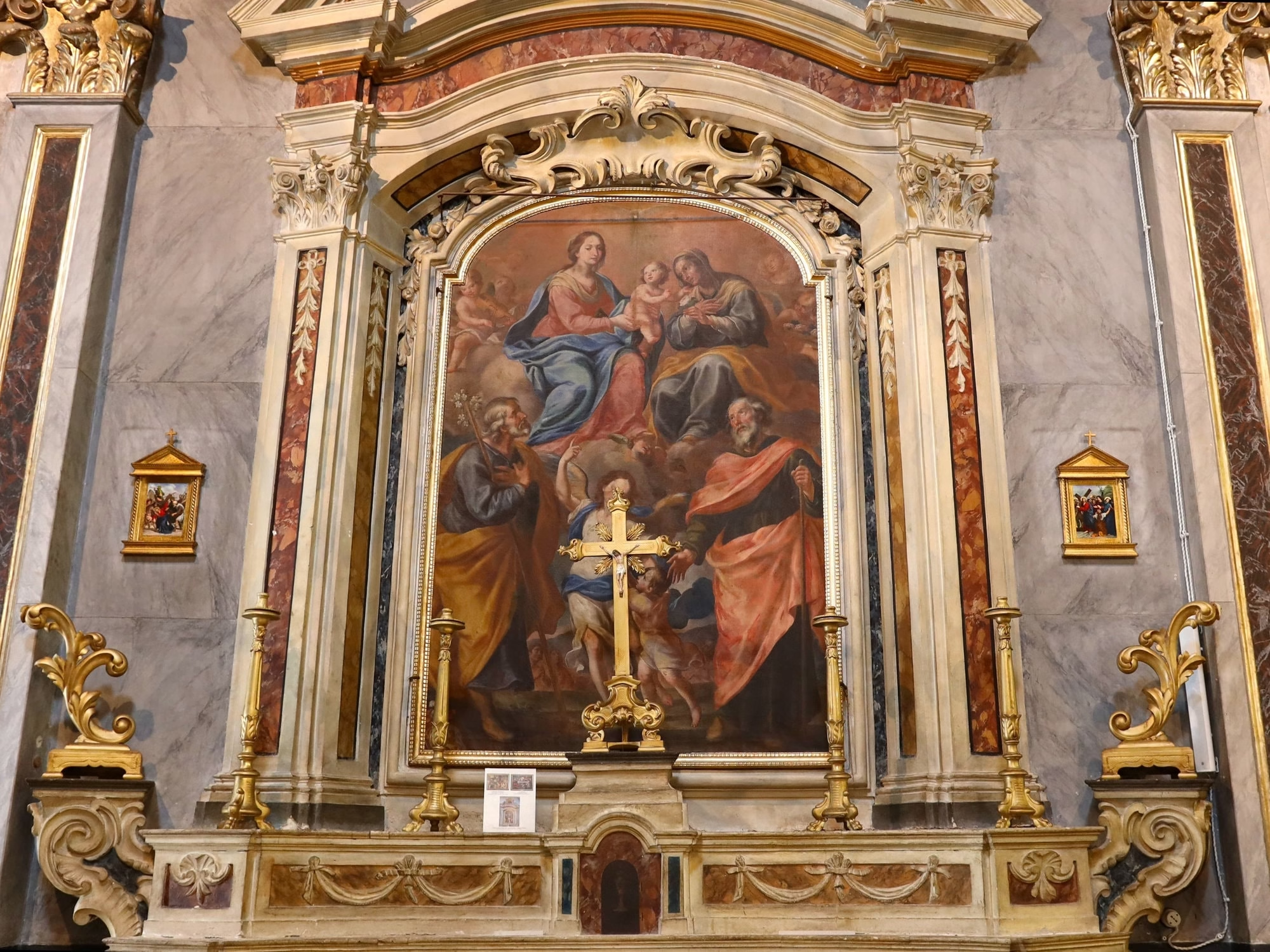
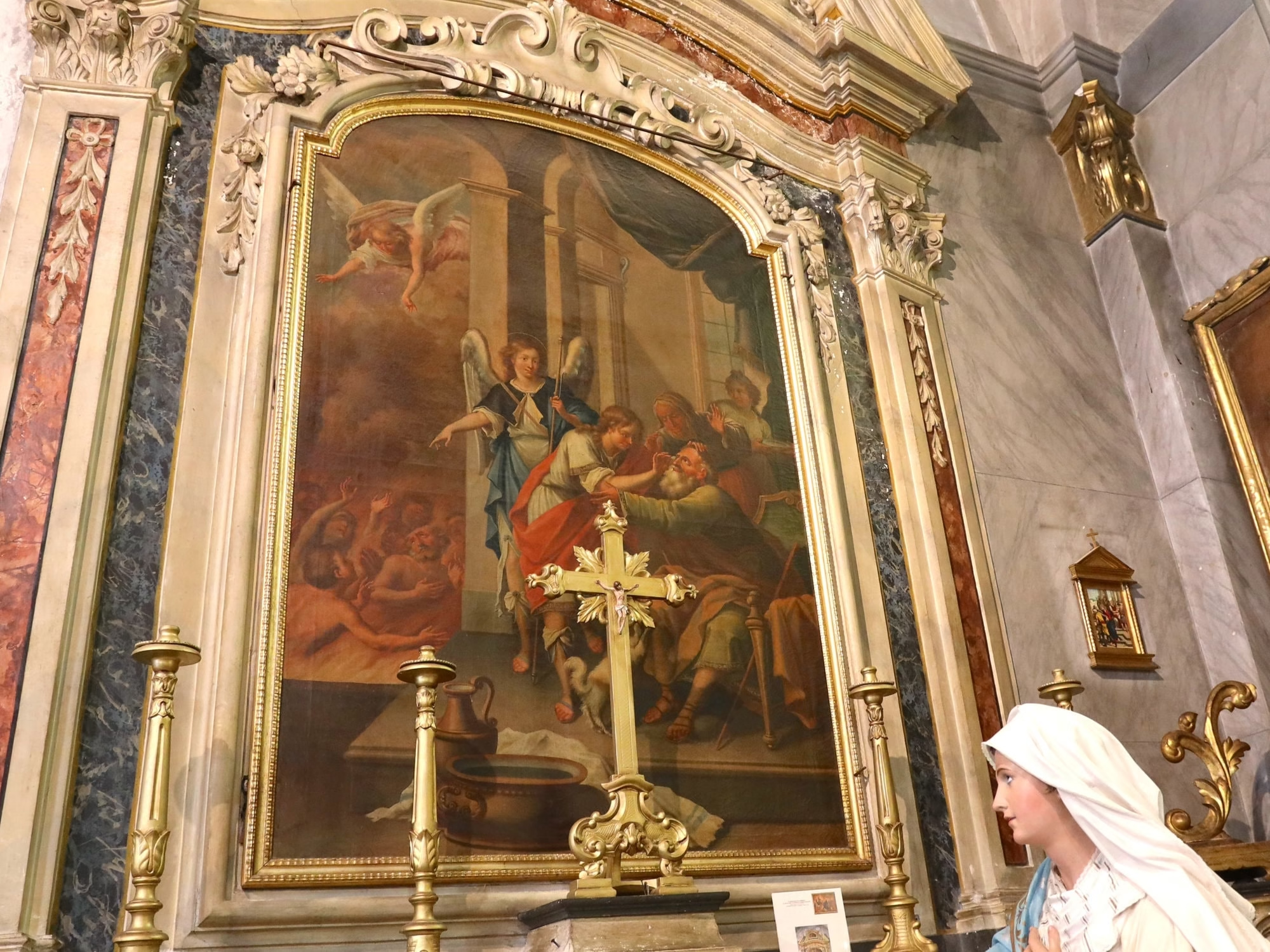
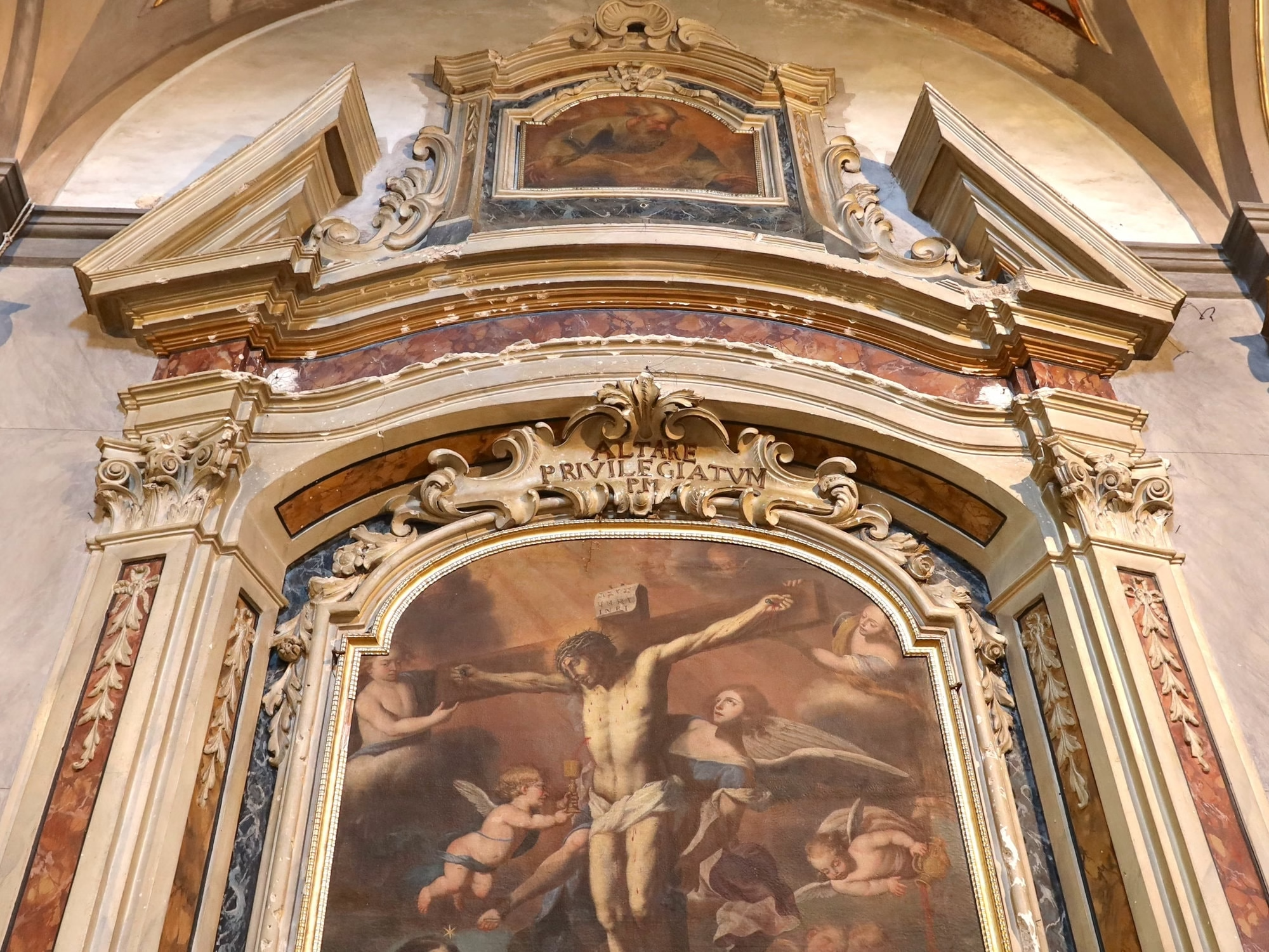
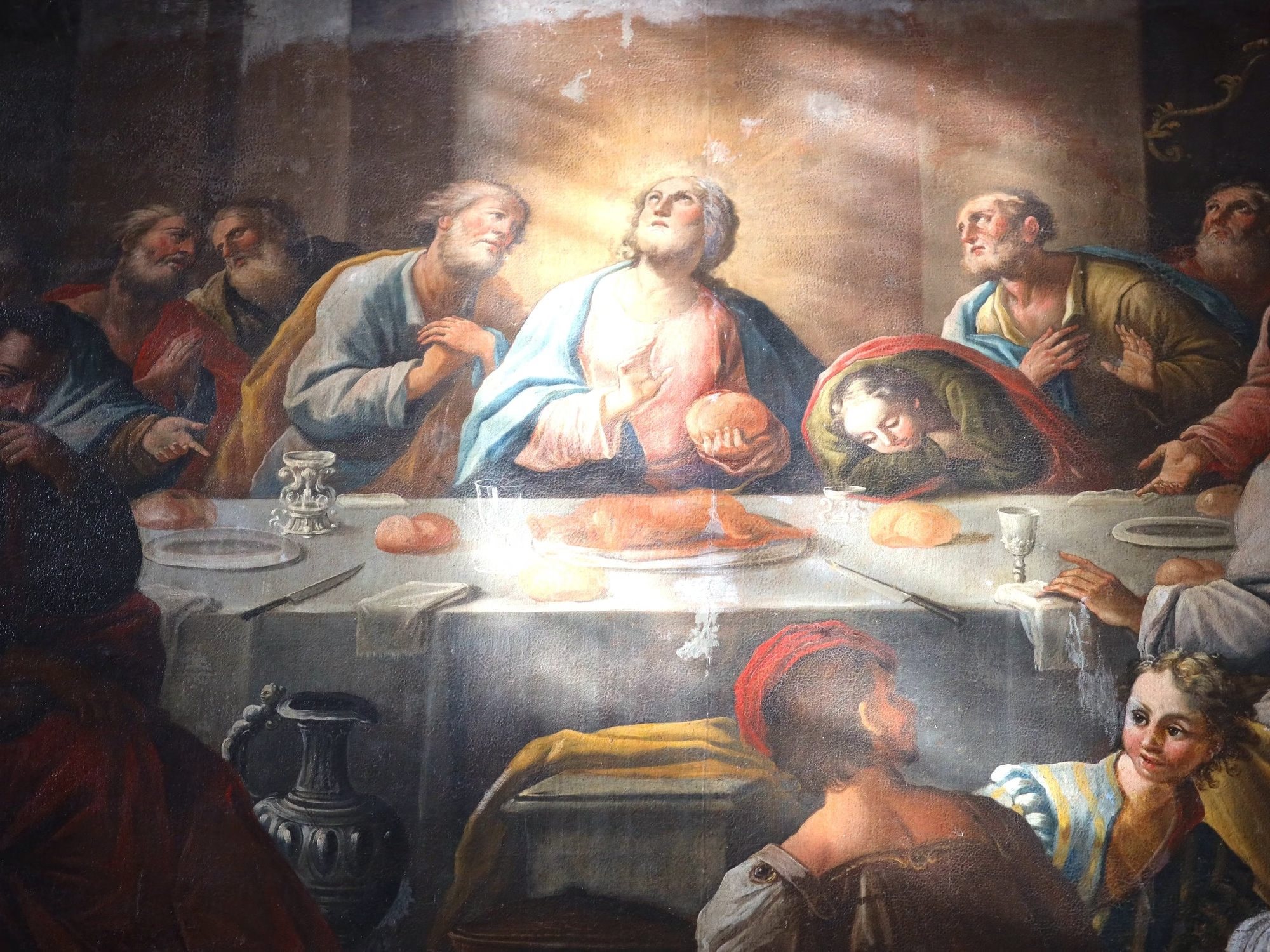
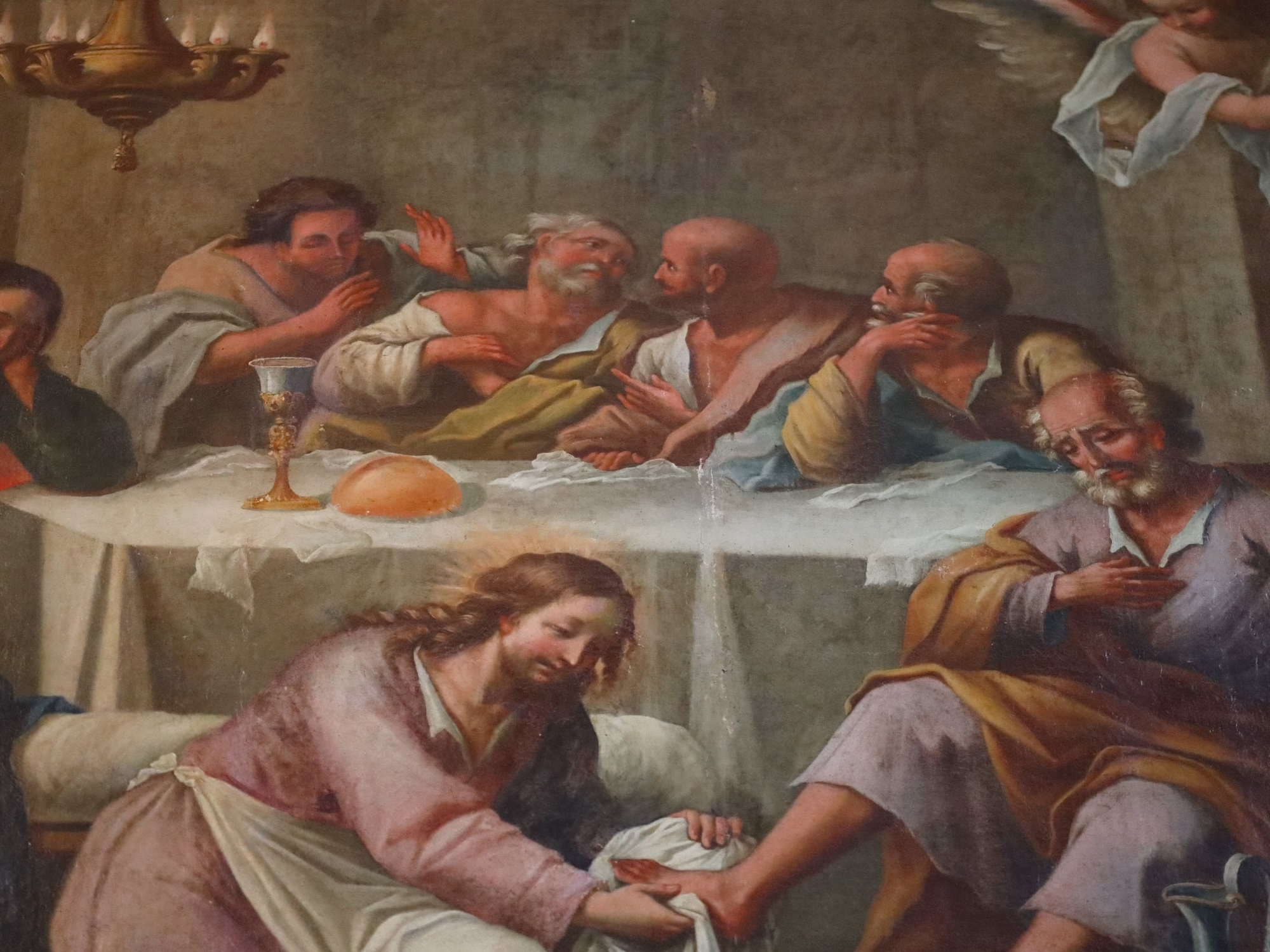
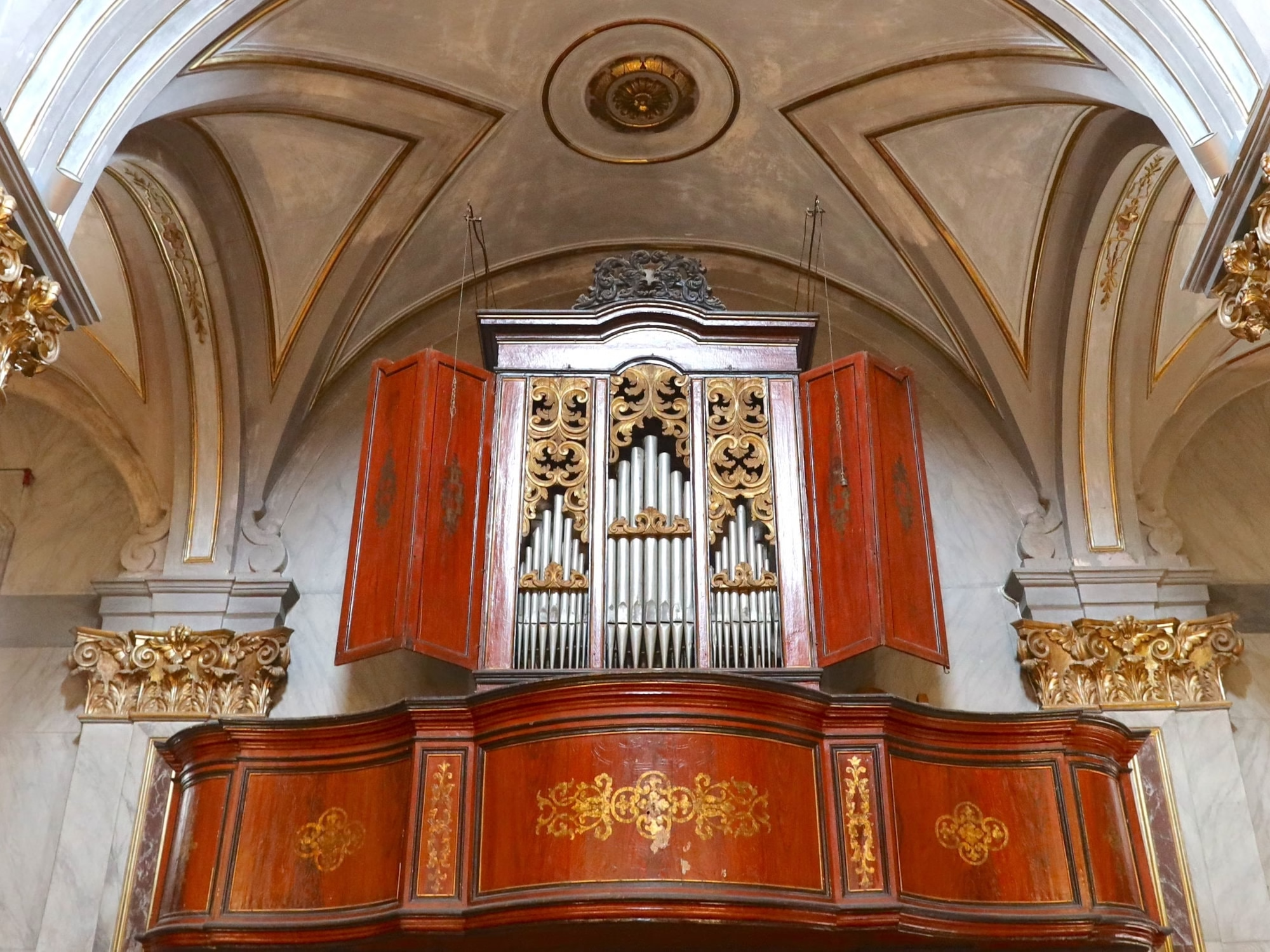
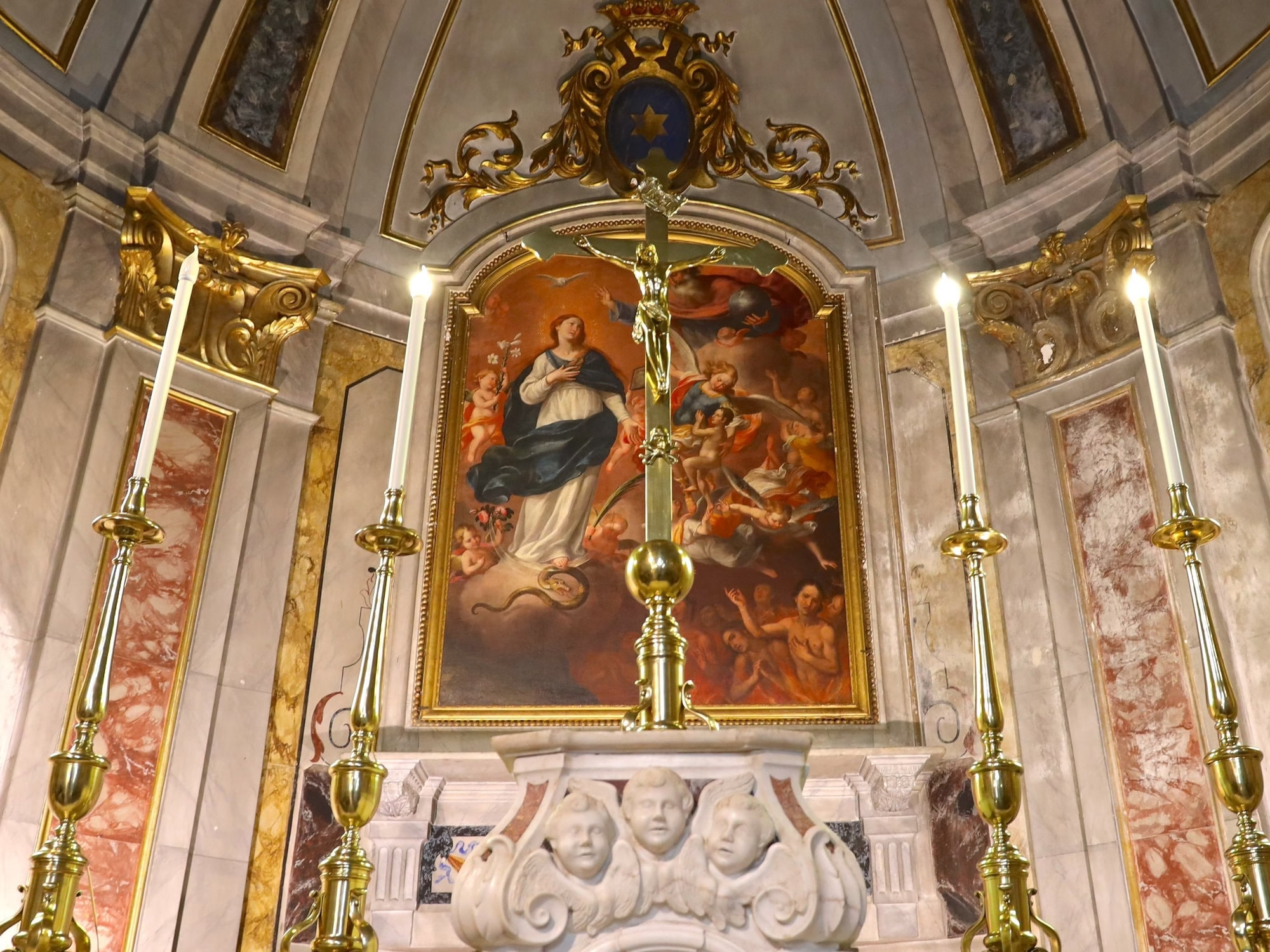
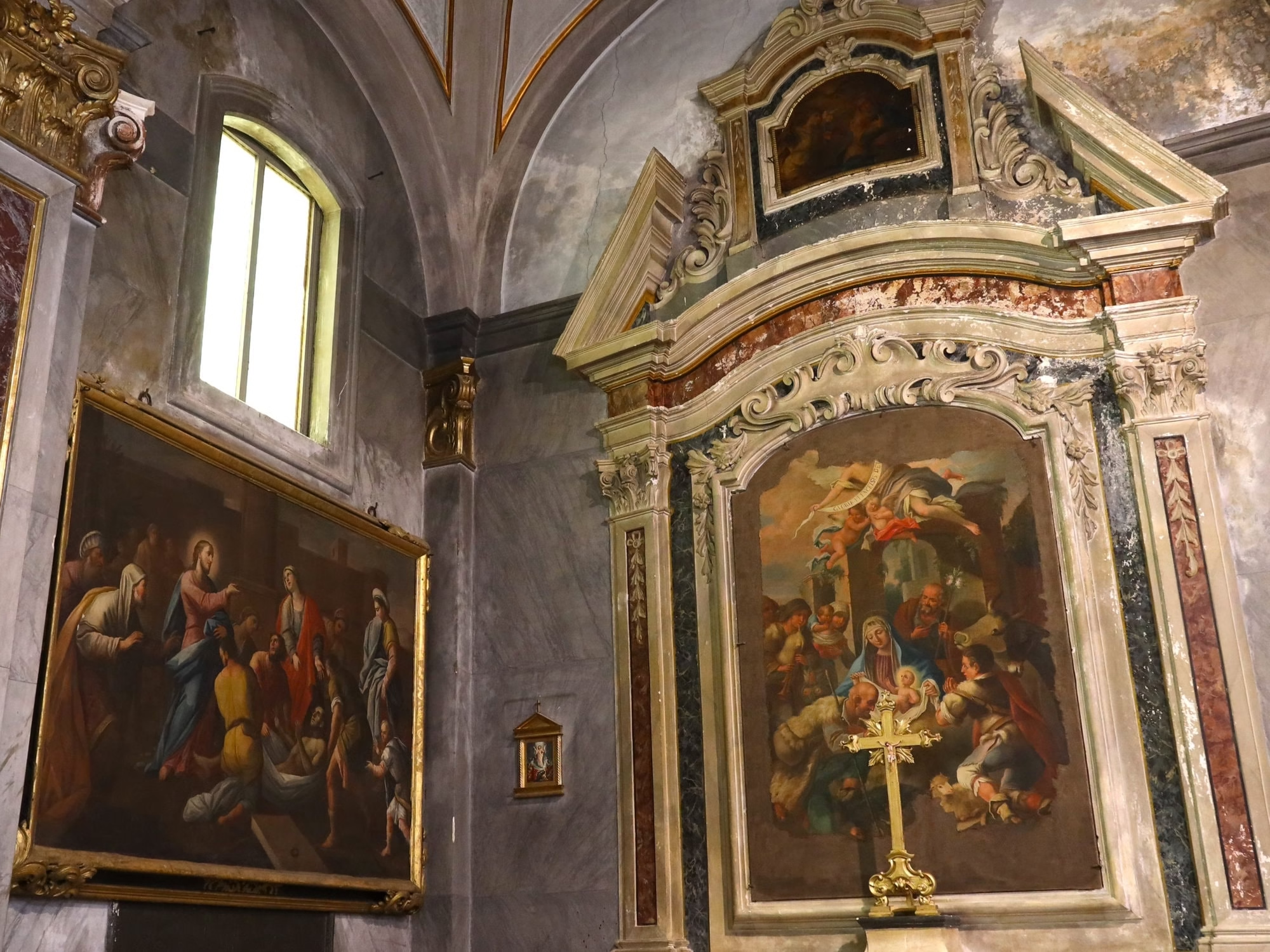
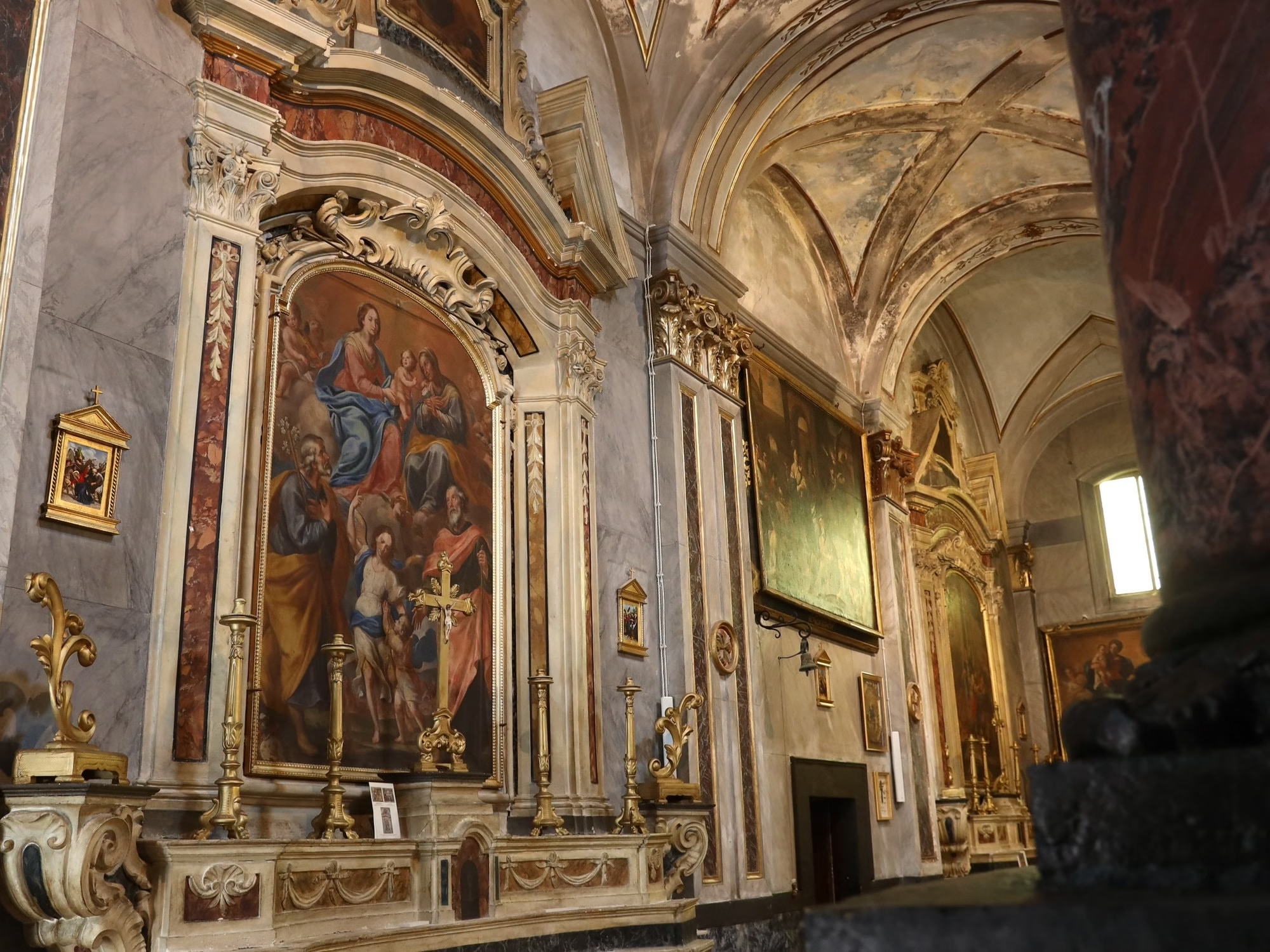
The basilical plan is divided into three naves by twin columns, marbled in stucco, which support a square dome pedestal with a flat ceiling. This is adorned with paintings in rich golden frames depicting the Glory of Christ, by Vitantonio De Filippis. The same artist painted the eight prophets depicted at the sides between the windows. At the corners of the dome pedestal, the wooden sculptures by Gaetano Troisi depict four angels with their wings spread, playing the trumpet. The church was extended in the 19th century: in the new presbytery the marble altar was built and in the apse, the painting by Nicolò Gliri was added, depicting the Immaculate Virgin with St. Michael and the souls in purgatory. On the walls and the side altars is a rich iconography including paintings by Giuseppe Porta, Samuele Tatulli and Gliri. Next to the counter-façade is the 18th century pipe organ made by Giuseppe Rubino which once accompanied the liturgy. In this church, Domenico Forges Davanzati, Bishop of Canosa and an important exponent of the Repubblica Partenopea, passed away while giving mass in 1799. The Chiesa del Purgatorio, carefully protected by the Confraternity of Purgatory, is not only a place of Christian faith but also a place which conveys the important moments in the civil history of the town.