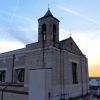
FORMER CONVENT AND CHURCH OF ST. DOMINIC
Cent. 18th
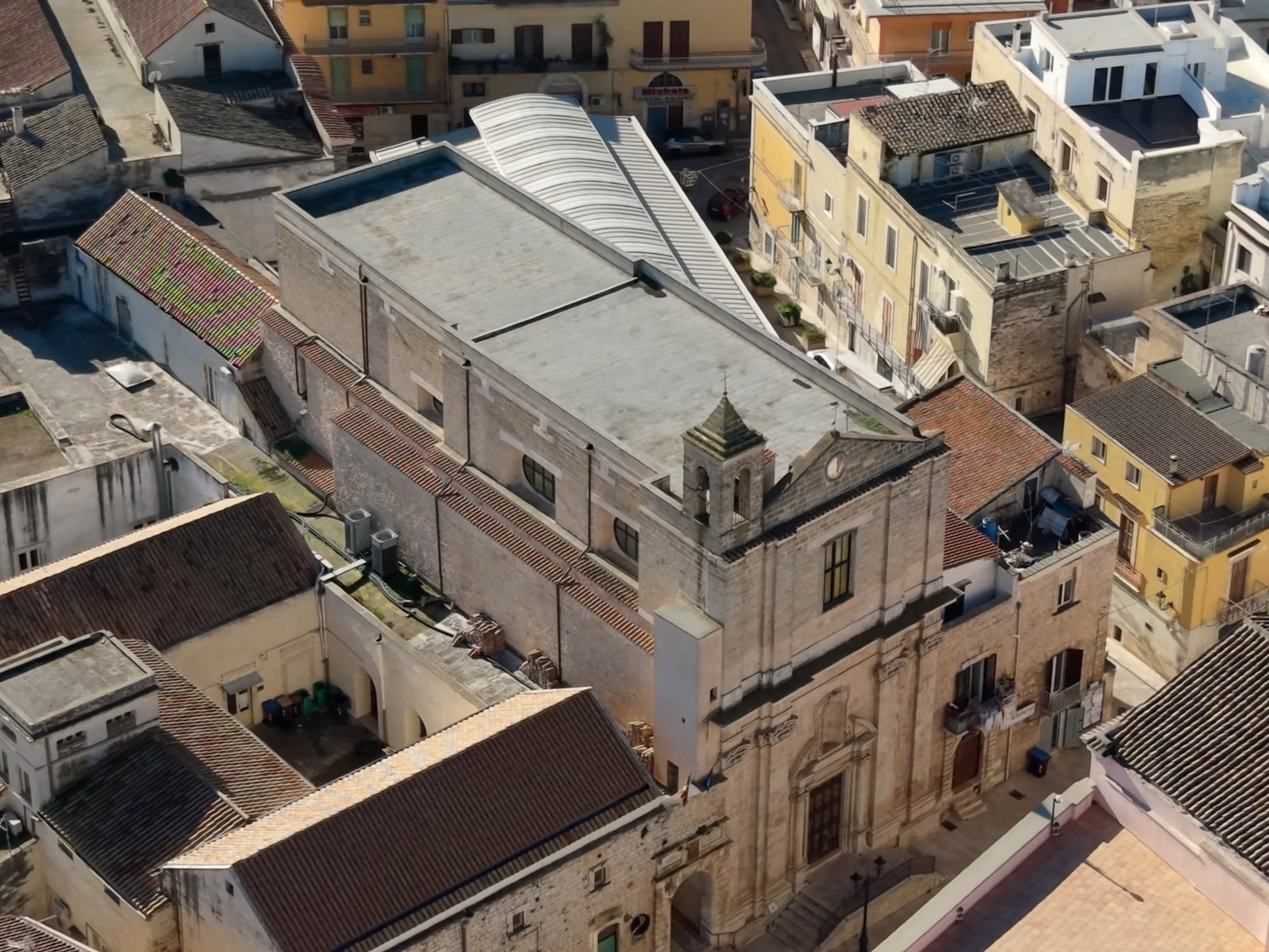
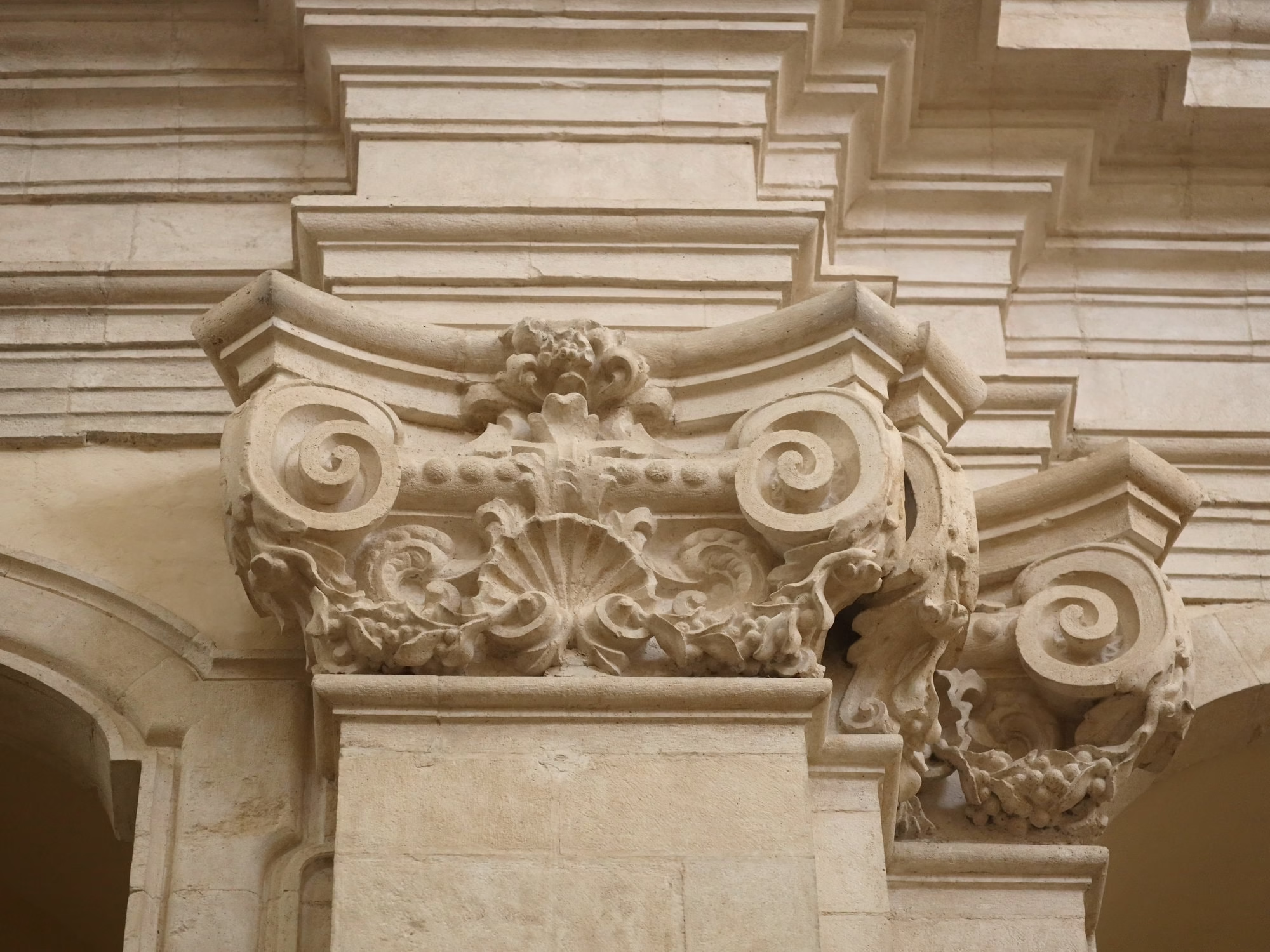
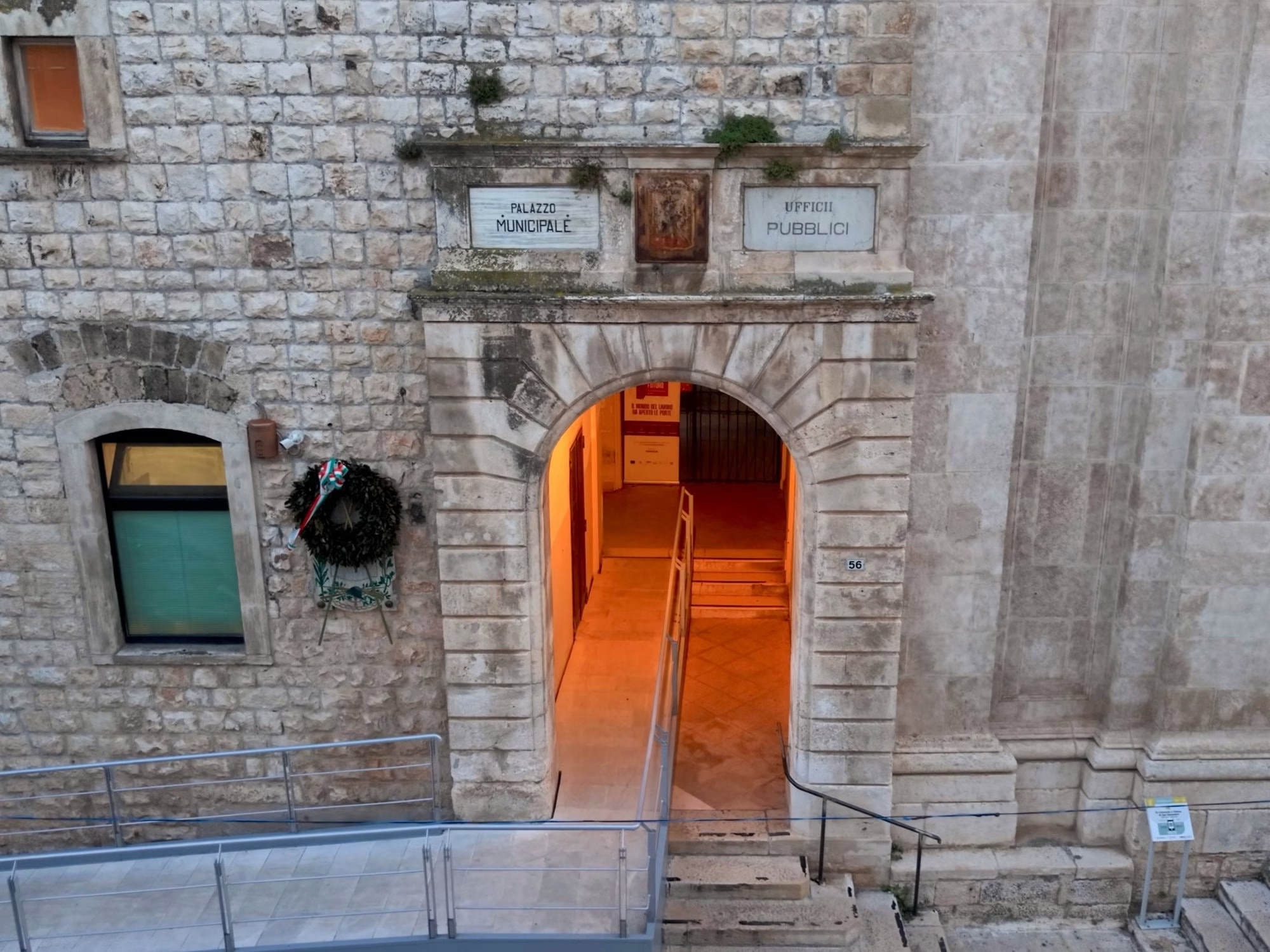
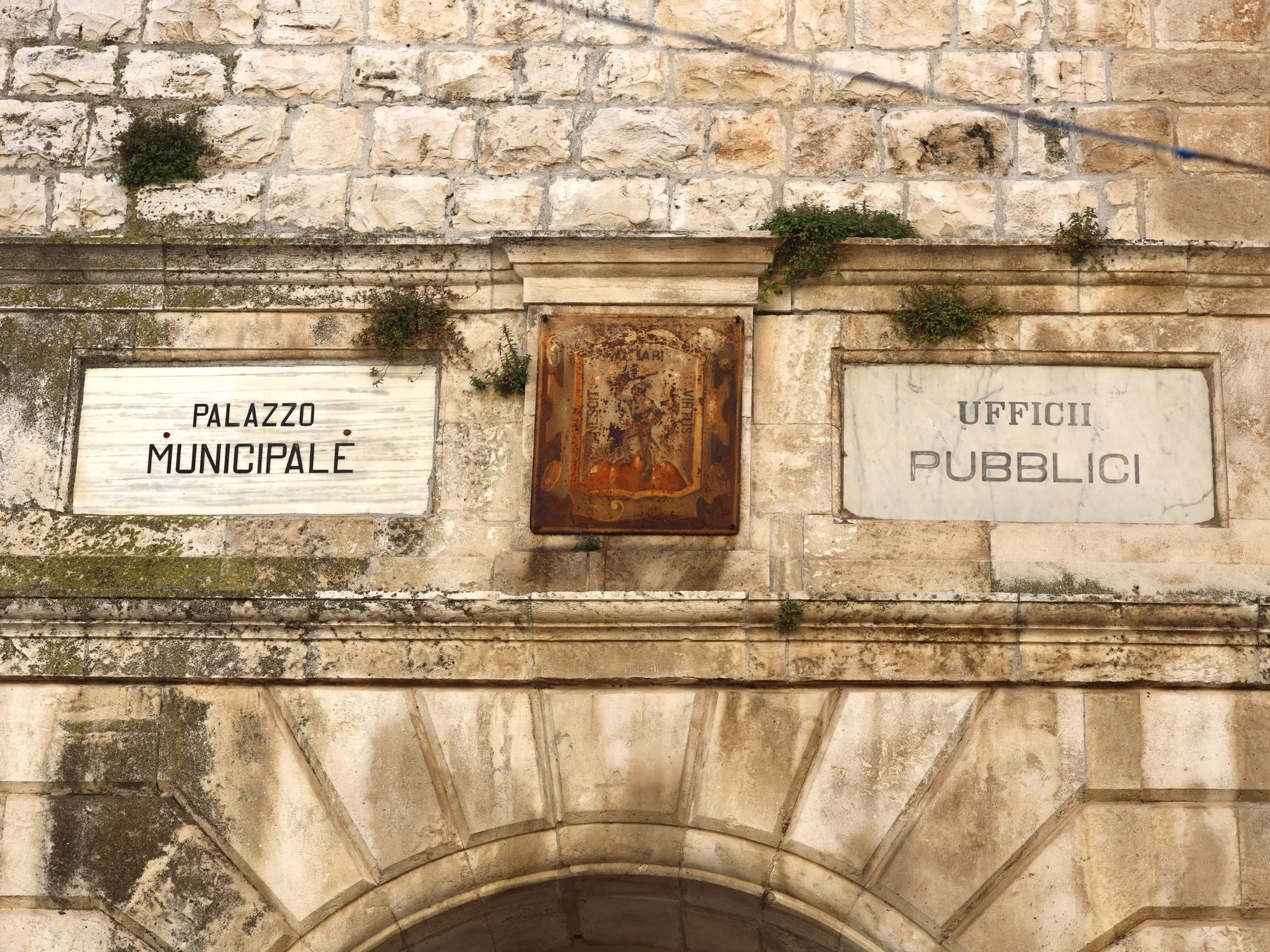
In the 16th century, between Porta Reale and Casale dei Greci stood a chapel dedicated to the Madonna di Constantipoli (Our Lady of Constantinople) and the Vergine del Rosario (Our Lady of the Rosary), with a lay confraternity and a monastery of priests. In 1669, the priests had left the monastery and the confraternity had been disbanded, so the Countess Isabella Filomarino expressed her desire to allow the brothers of St. Dominic to use the premises. Early in 1671, the University of Palo and the clergy approved this wish and the monks took possession of the monastery and chapel that same year. In 1700, building began on the new monastery next to the church and in different phases it was extended, giving it the look of a grand palace on the south facing side. The keystone of the entrance archway bears the date 1776. The old chapel of Our Lady of Constantinople, no longer adequate, was demolished and a new church was built by the Neapolitan architect Giambattista Anaclerio. Work was finished in 1734, the date being inscribed on the bell tower. The lower part of the façade is made up of half pilasters with a gate standing between Corinthian columns and a broken pediment with a recess. The upper part was left unfinished and bears a large rectangular window at the centre, while on the left stands a small bell tower. The baroque interior of the church has one nave with side altars and a raised presbytery enclosed by a balustrade.
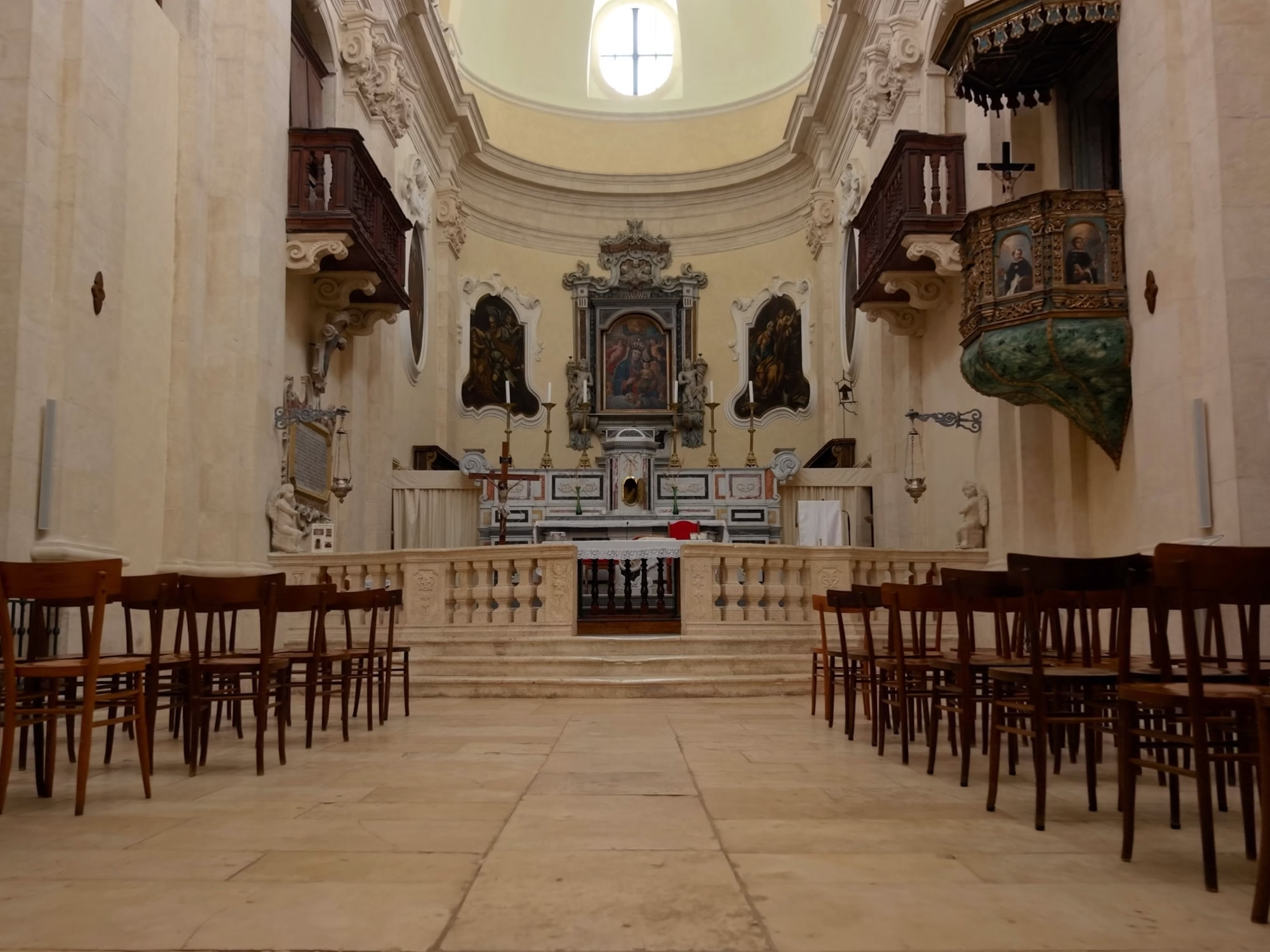
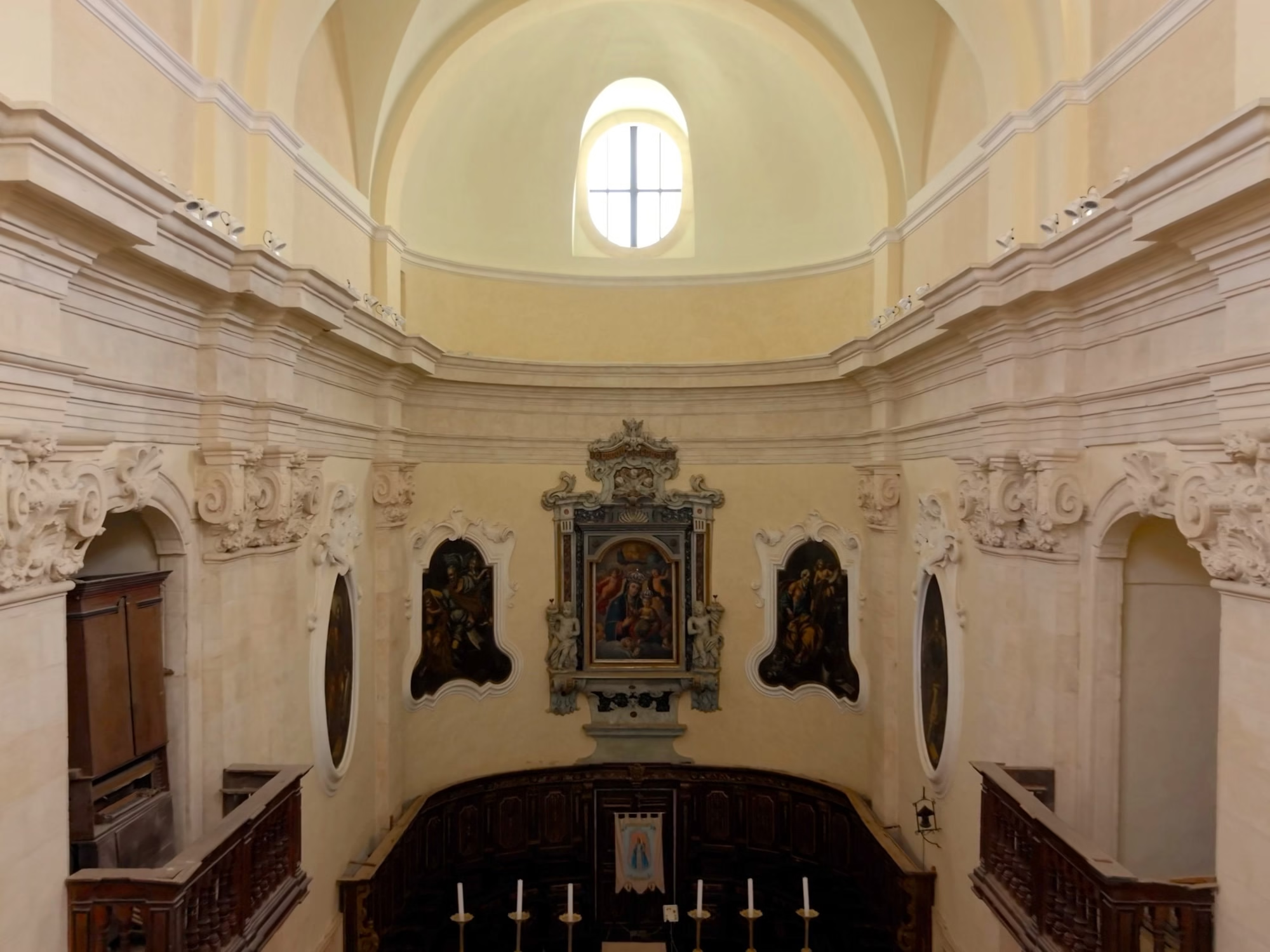
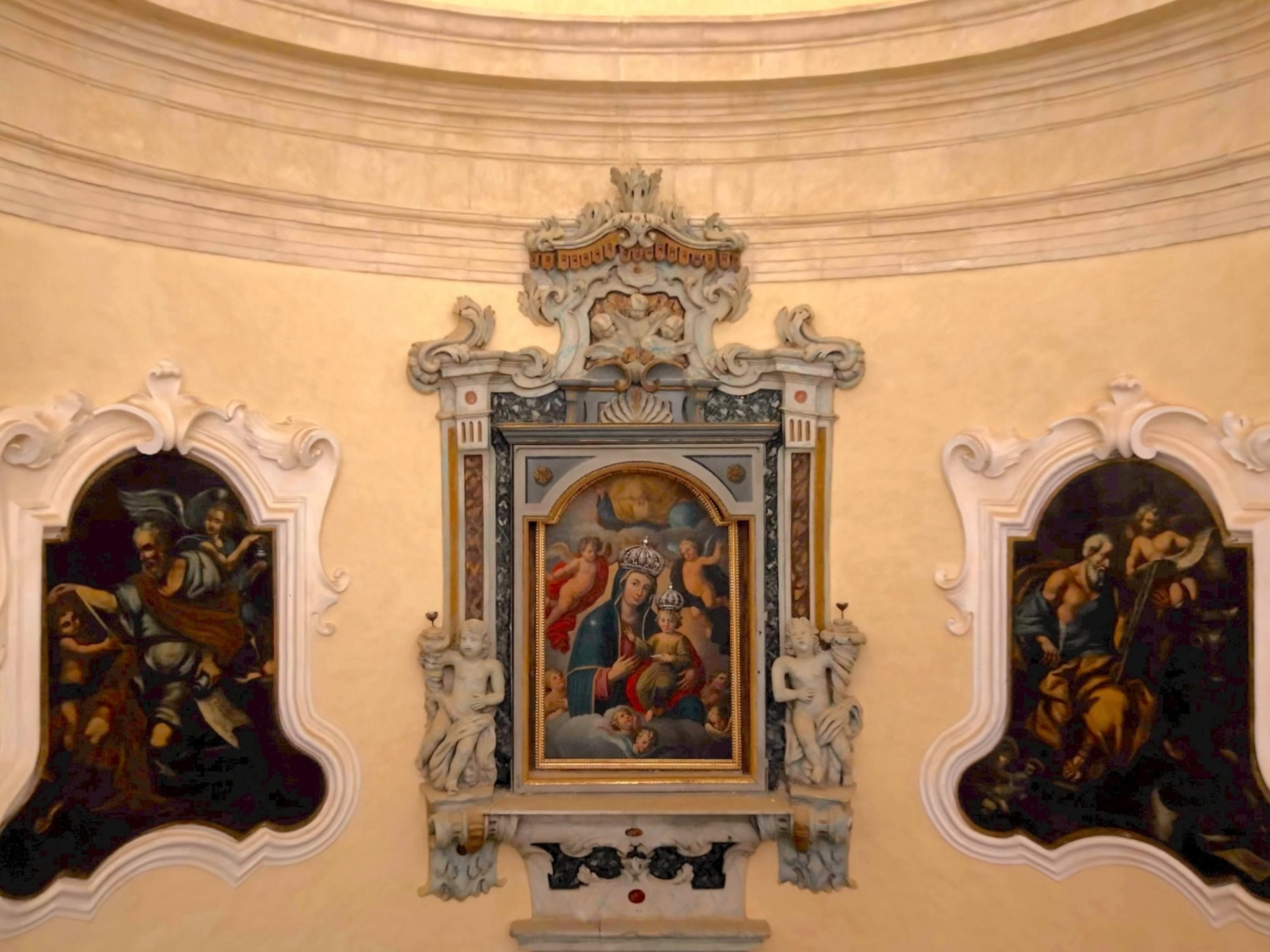
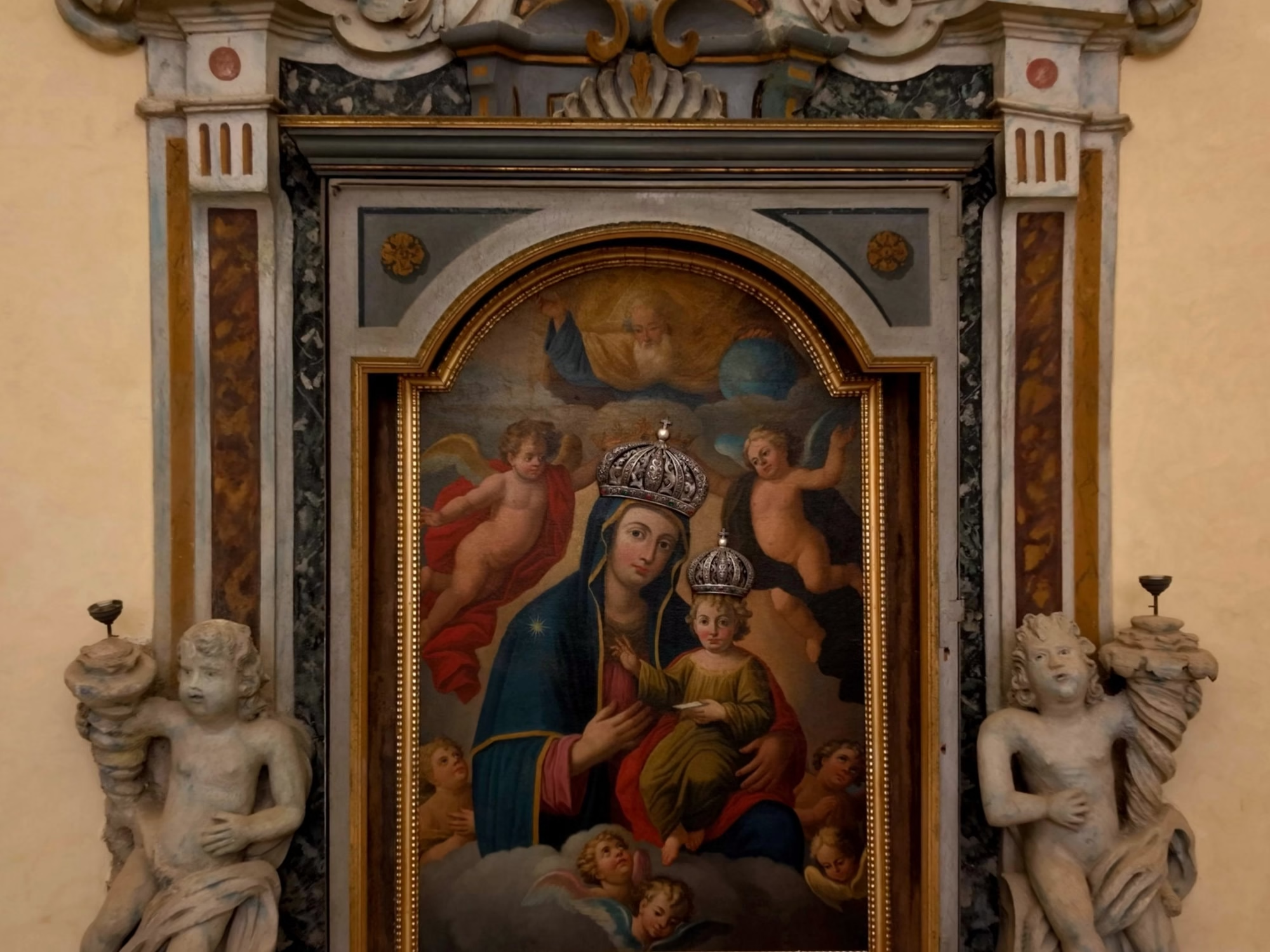
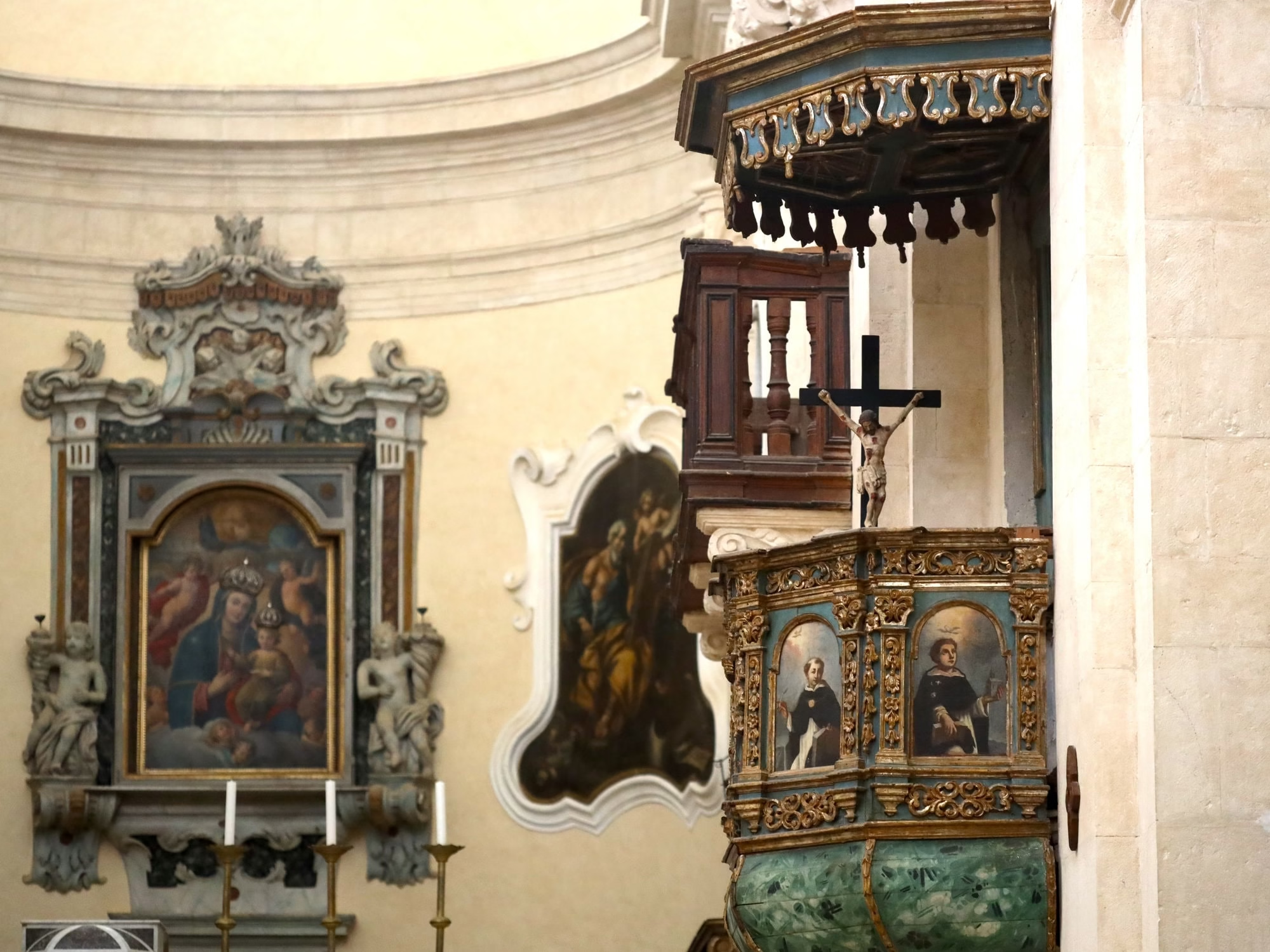
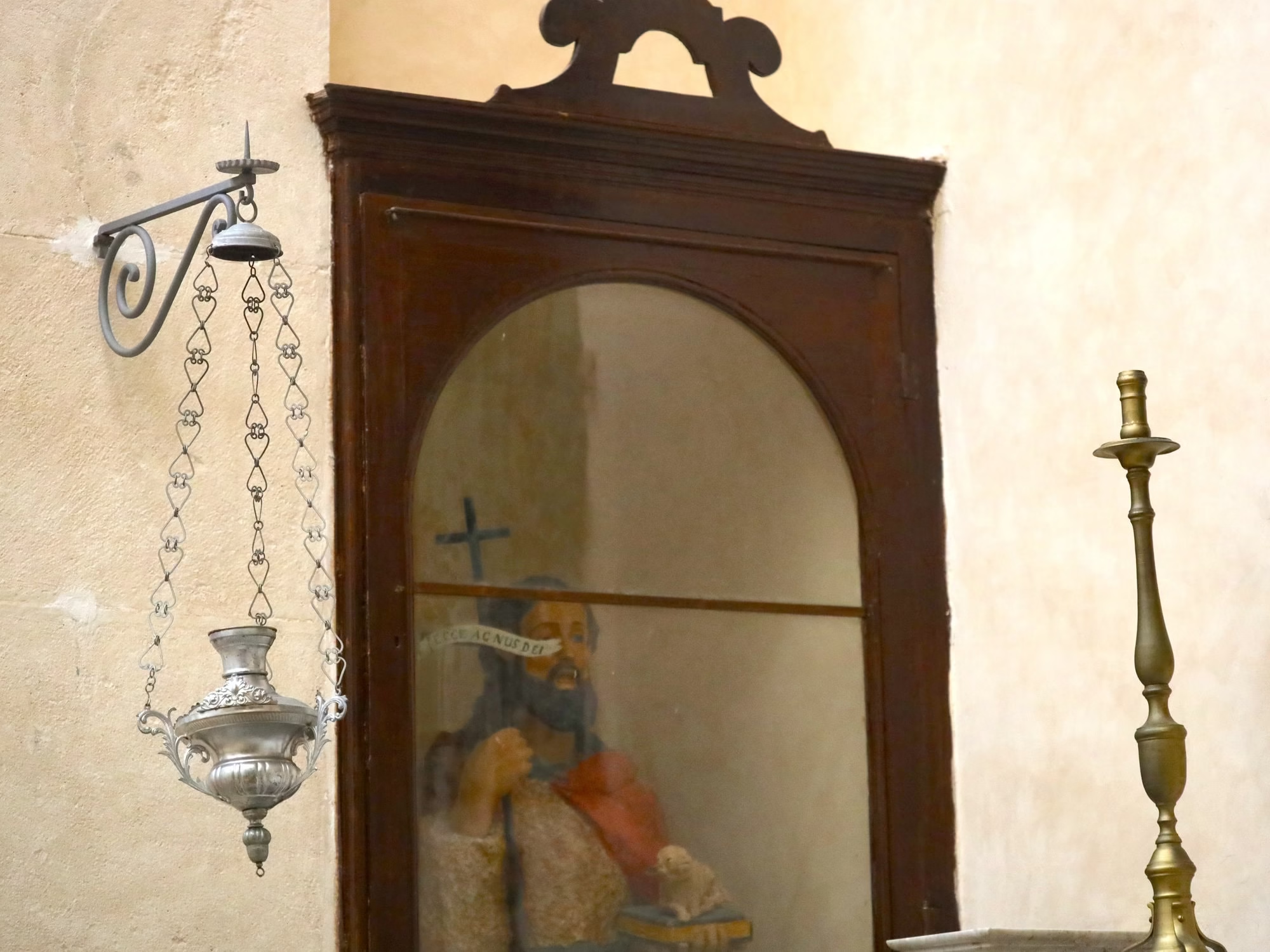
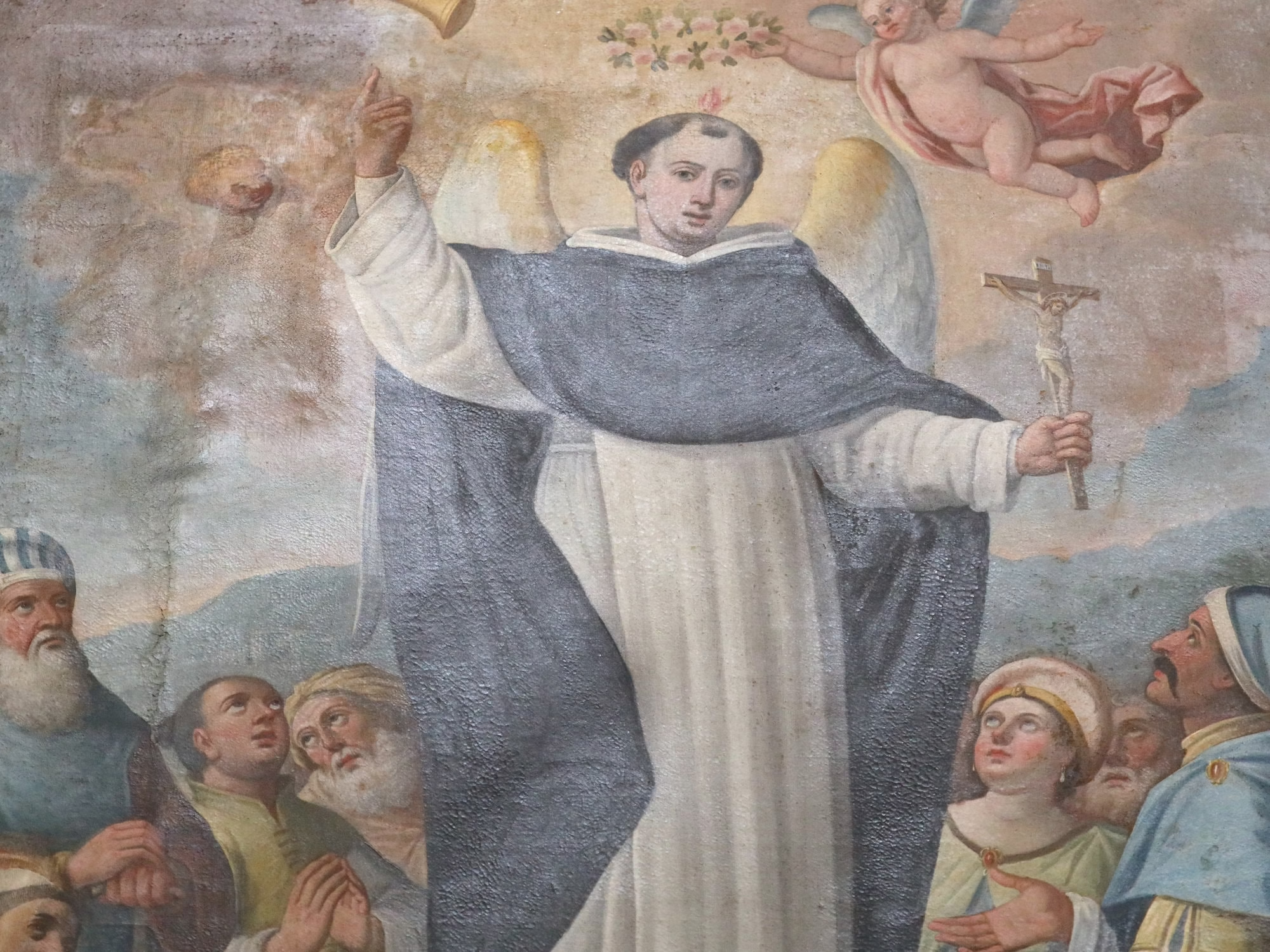
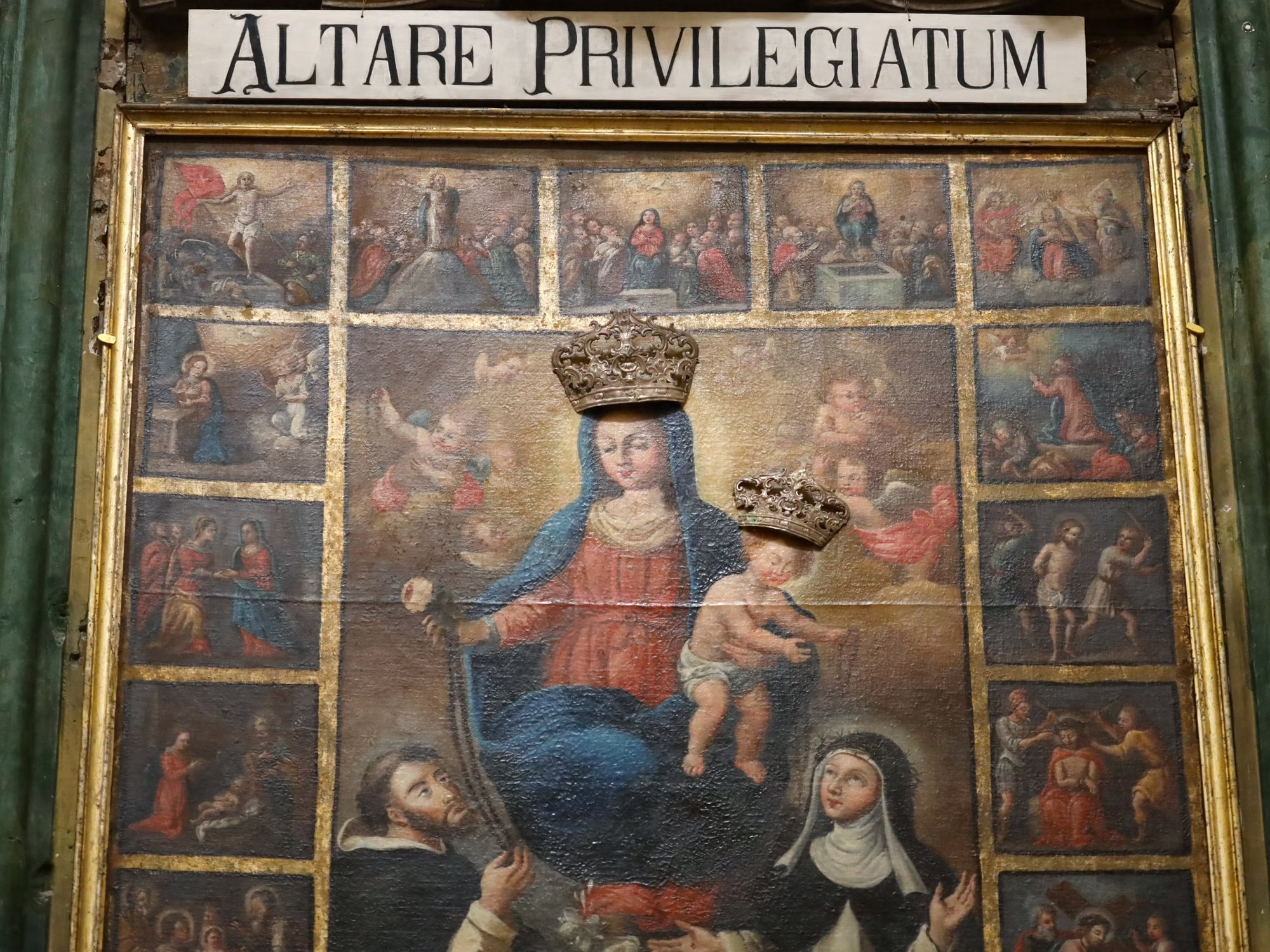
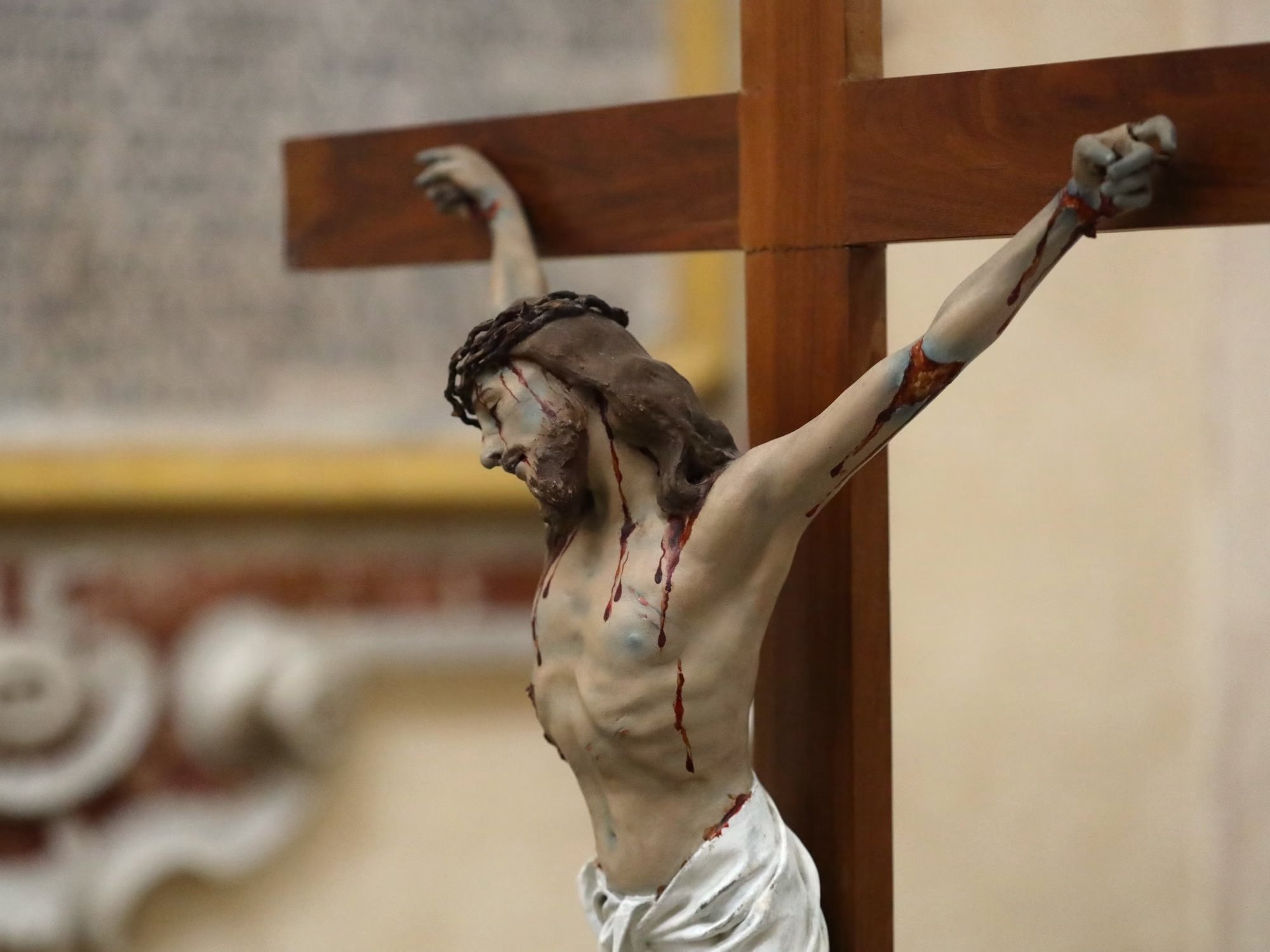
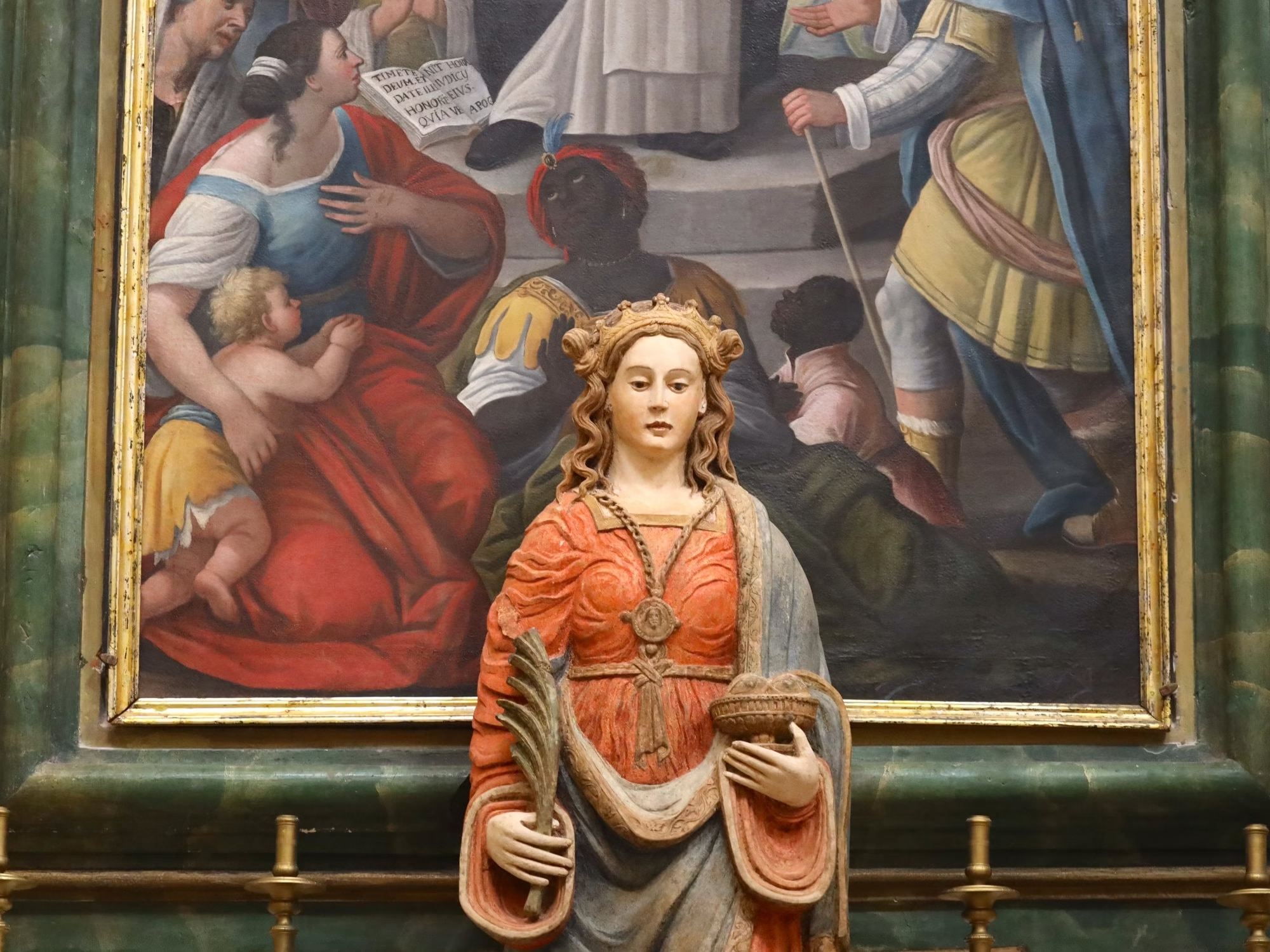
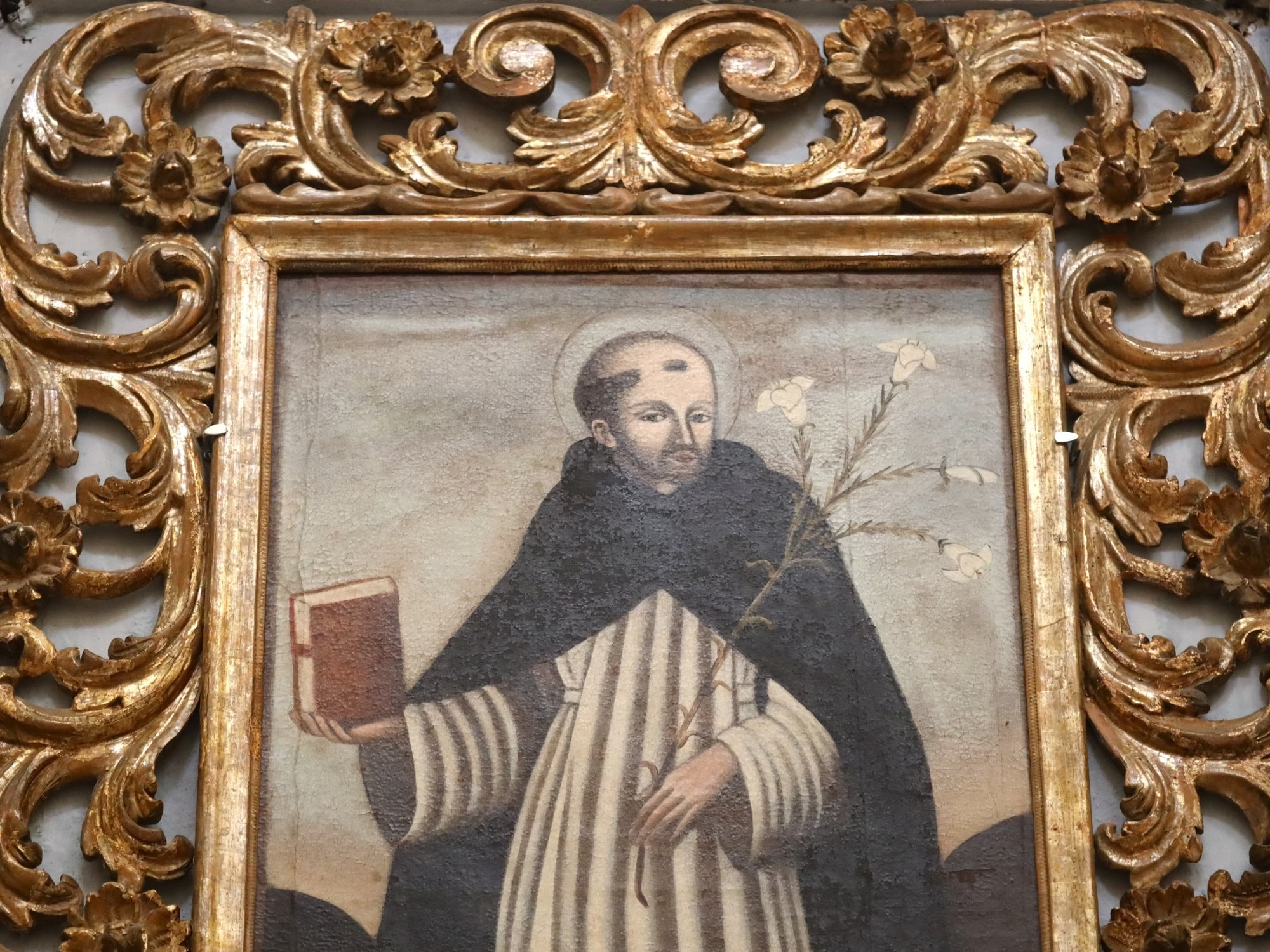
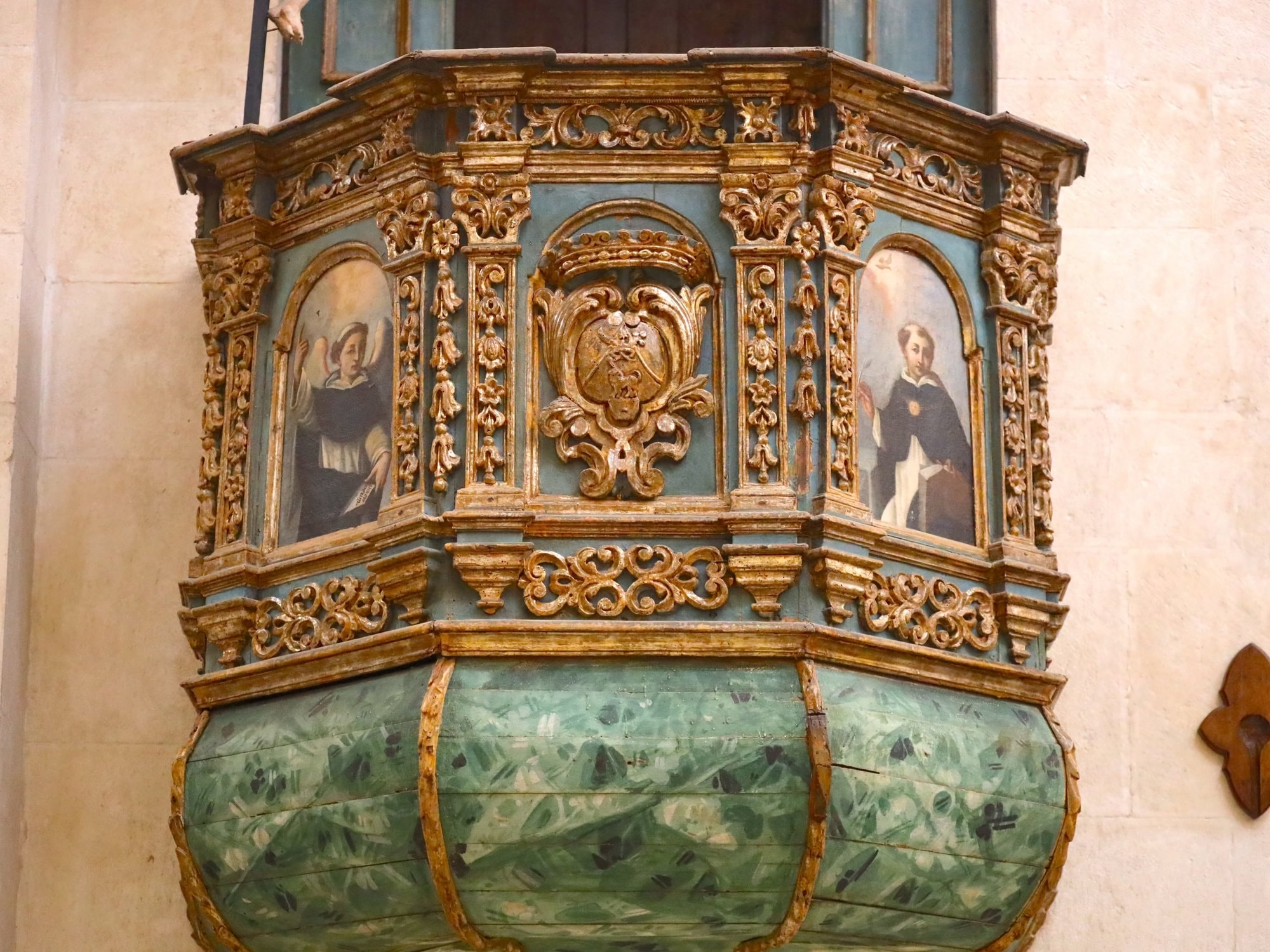
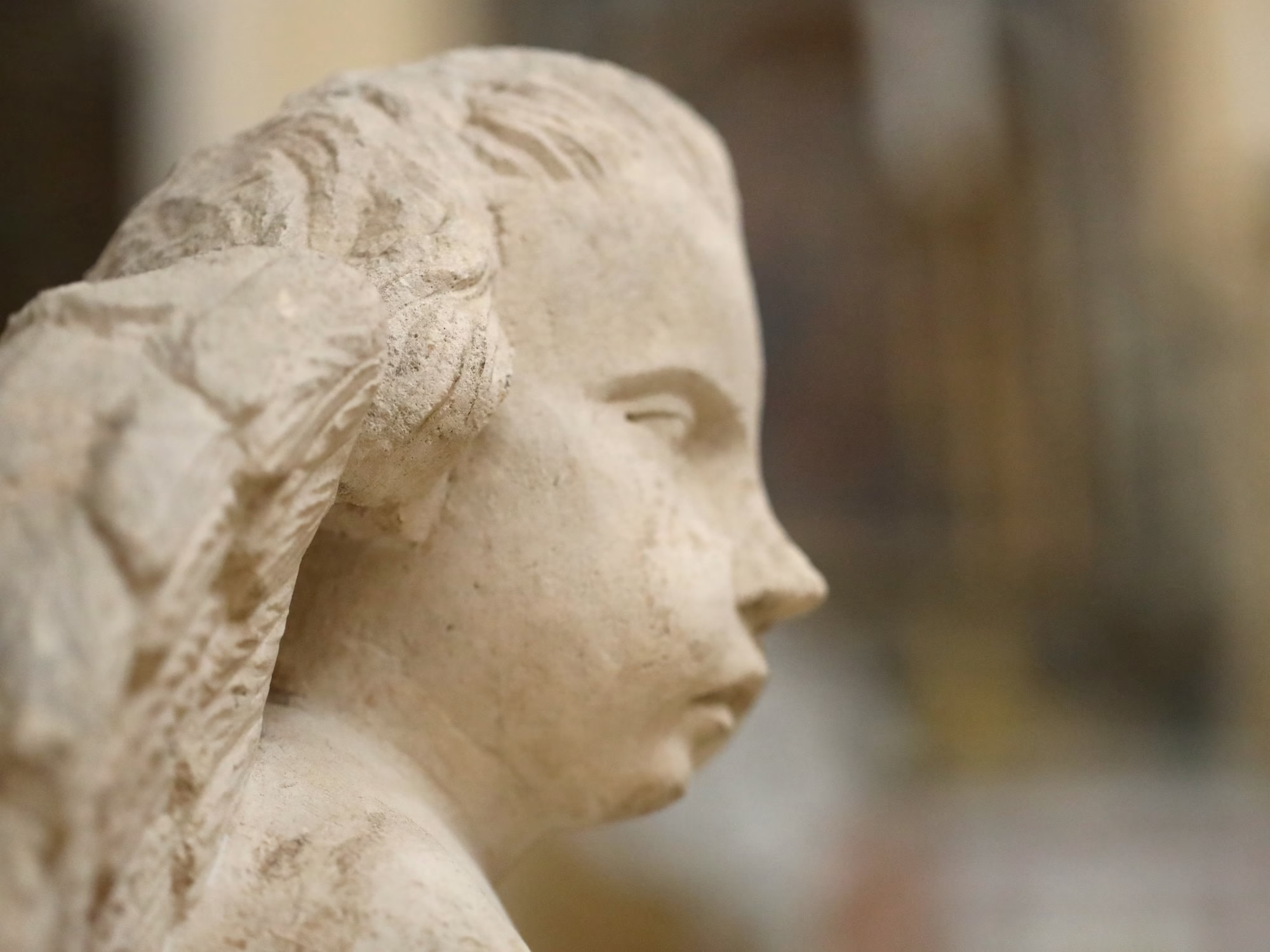
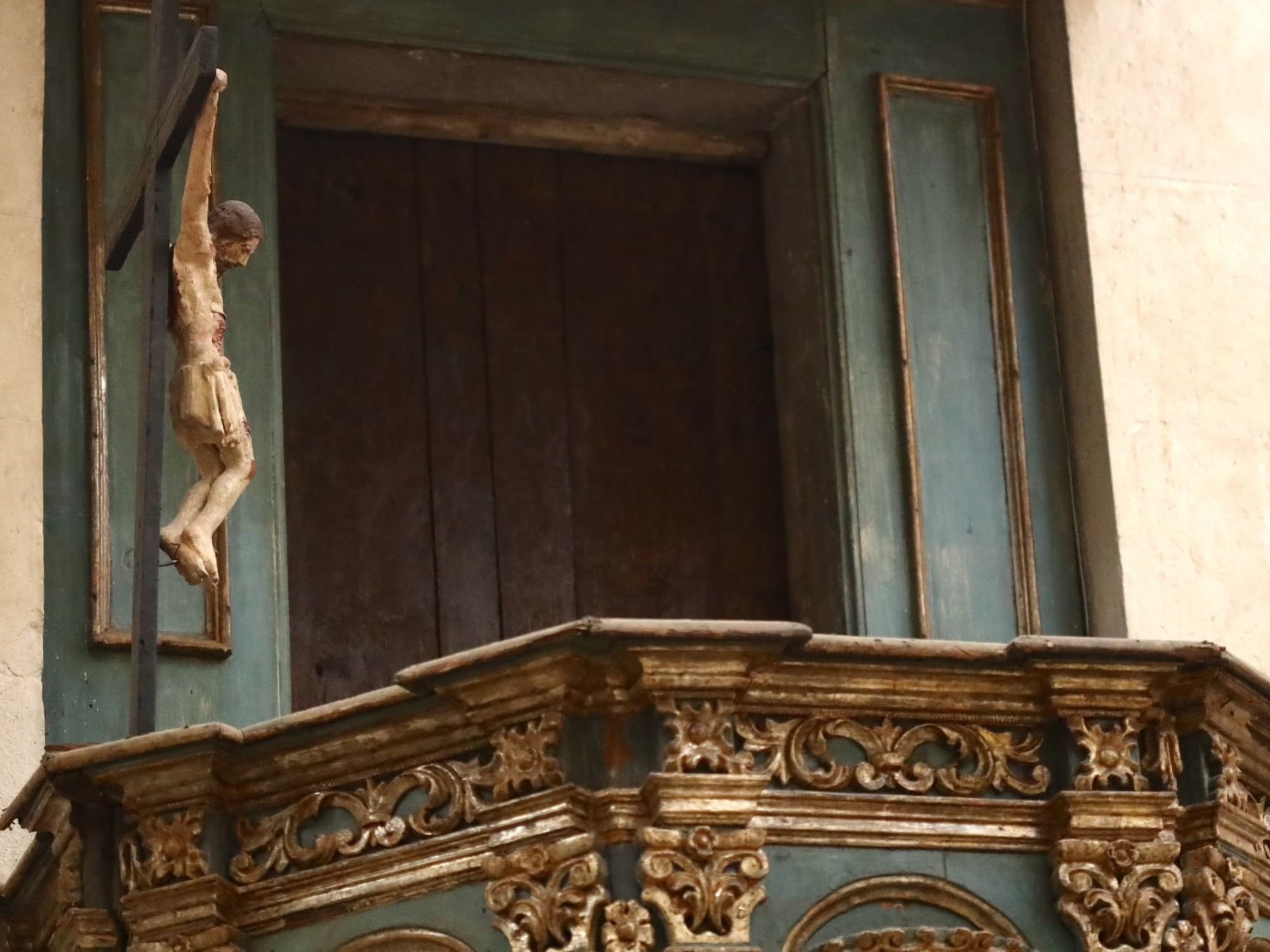
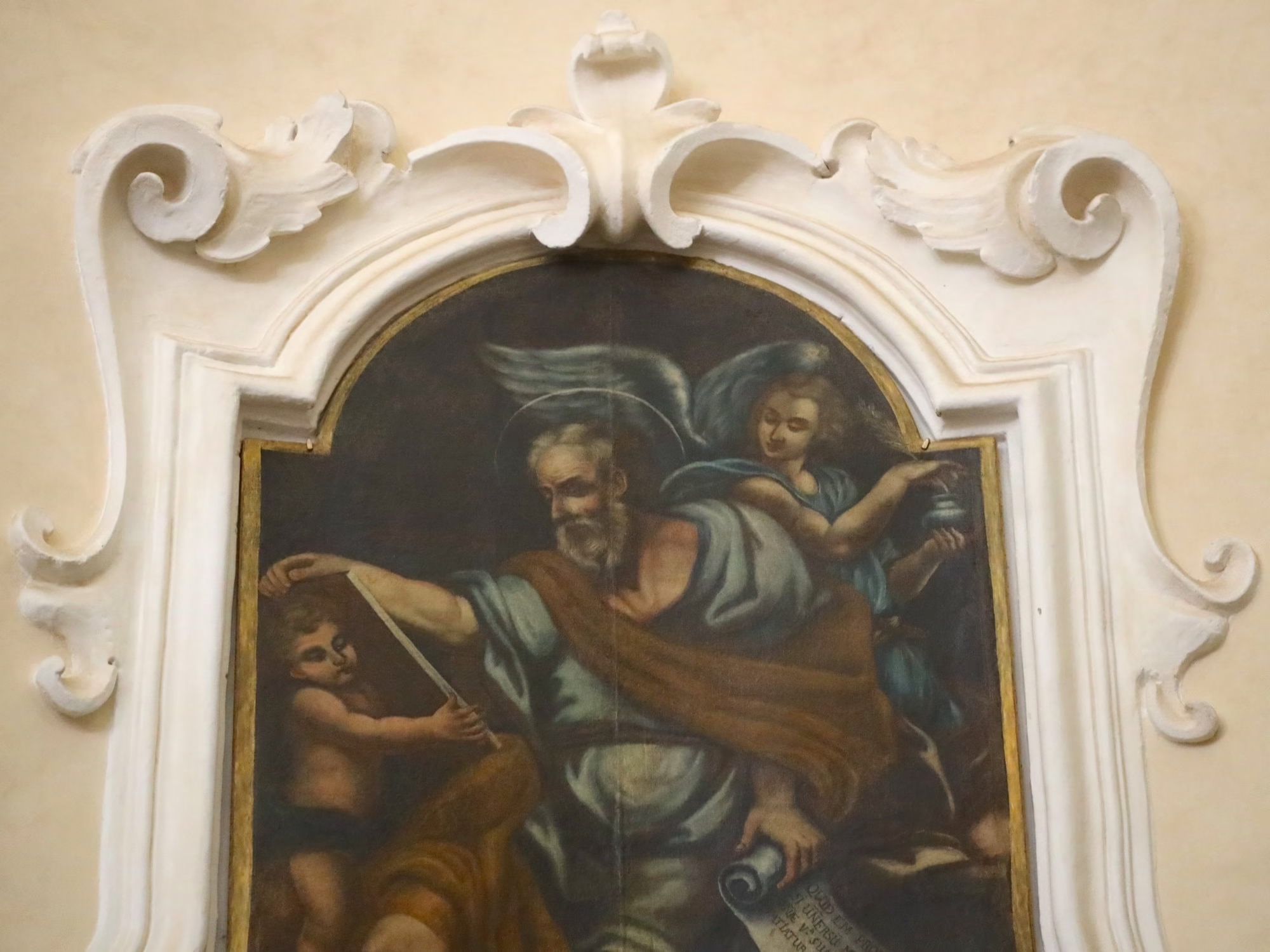
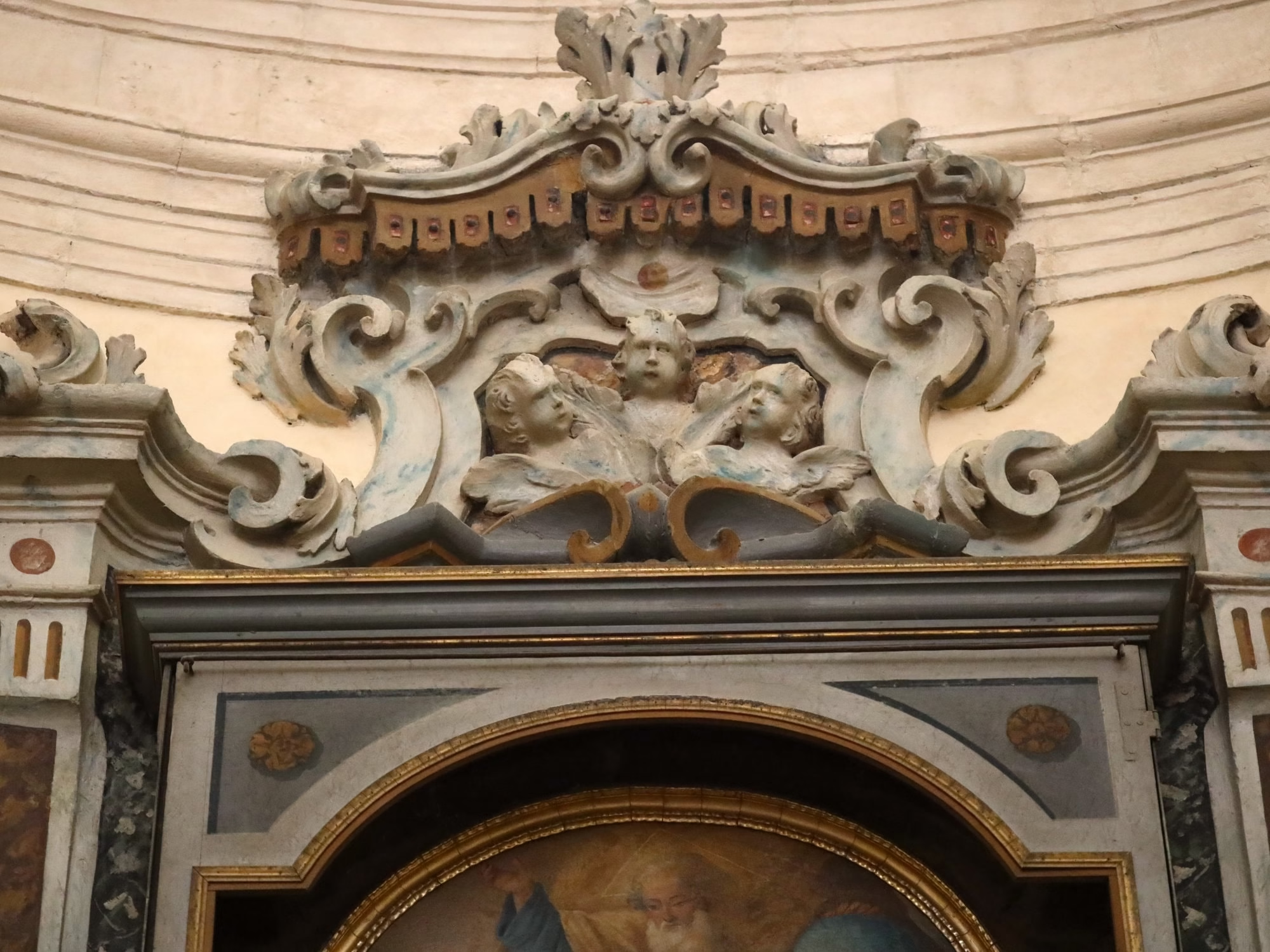
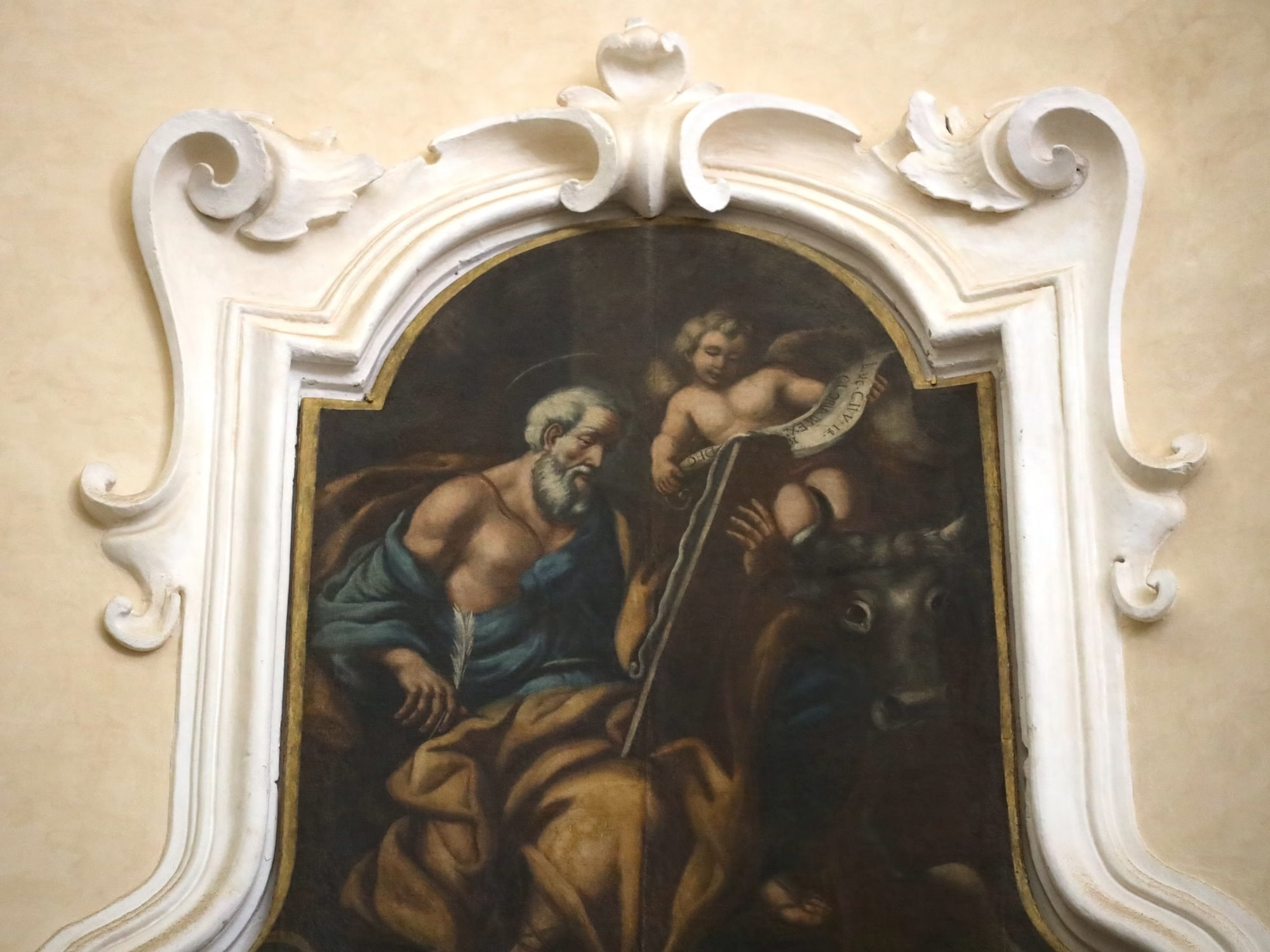
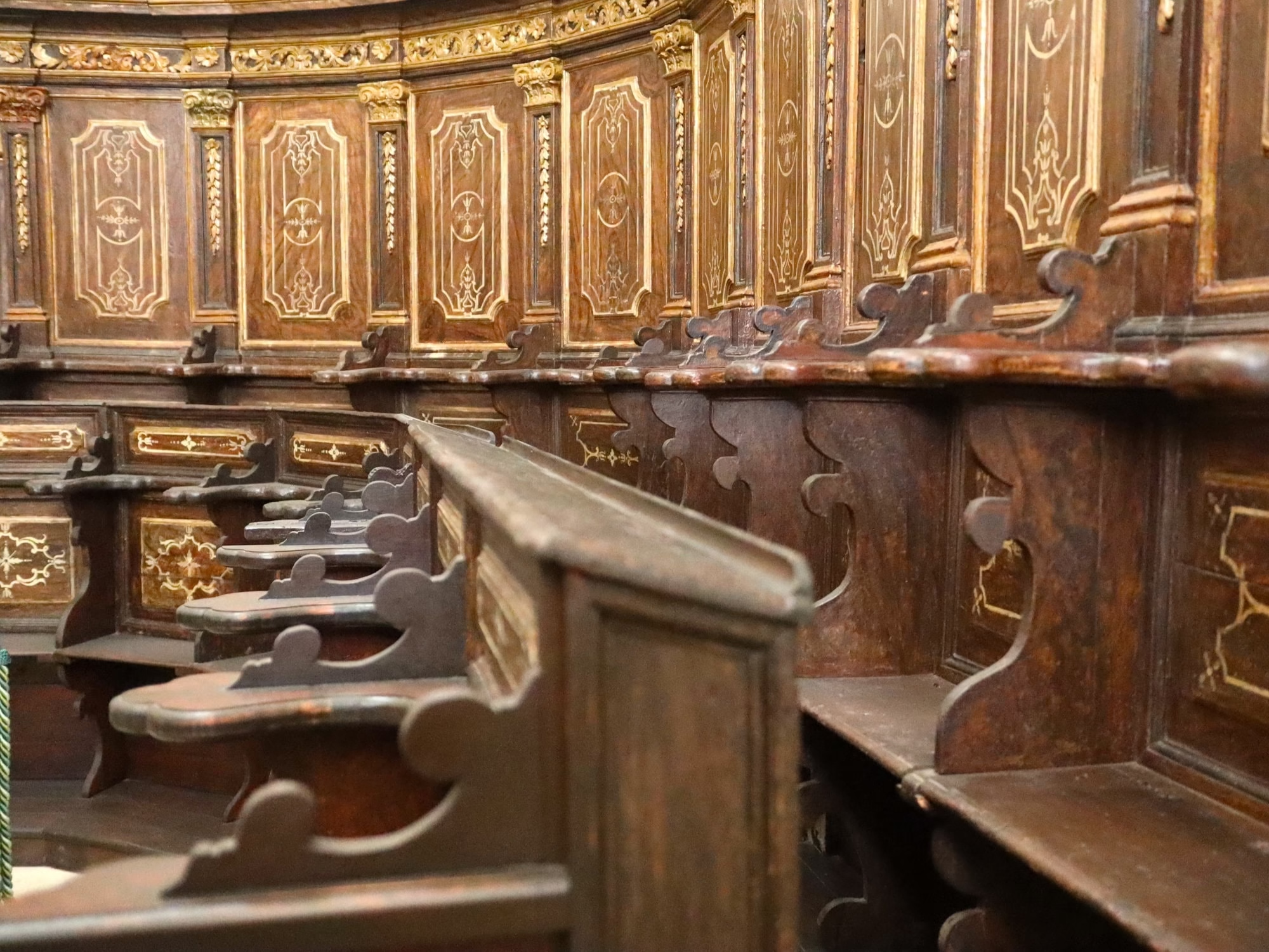
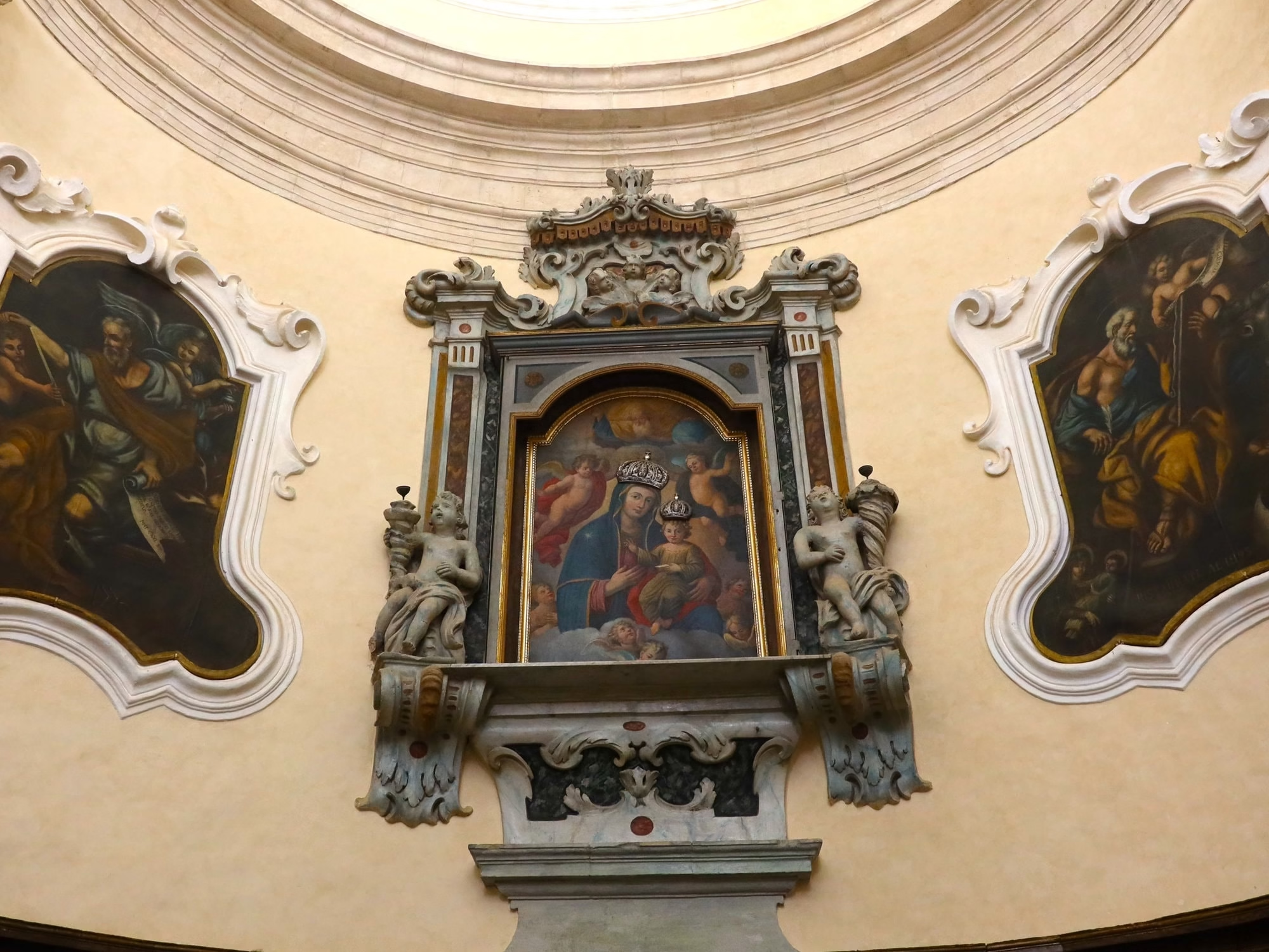
Next to a pillar stands the precious wooden pulpit painted with Dominican saints, while behind the main altar, the newly restored wooden choir stalls are arranged in a semi-circular fashion. In the apse, enclosed in a pediment of polychrome marble is the painting of the Madonna di Constantinopoli by Saverio Musso next to other paintings depicting the Evangelists. Other paintings and statues complete the rich iconography, including the images of the saints to whom the church is dedicated, St. Dominic and Our Lady of the Rosary. Of particular note is the statue of St. Lucy, in 16th century polychrome stone and the wooden statue of St. John the Baptist which came from the church of the same name. During the French occupation of the Kingdom of Naples, in 1809 Gioacchino Murat ordered the suppression of all religious orders. The Dominicans were thus forced to leave the monastery which included the farm in Contrada San Domenico, passed to them by the state. In 1813 the monastery was ceded to Palo town council to be used as public schools.