THE BUILDINGS OF VIA UMBERTO I
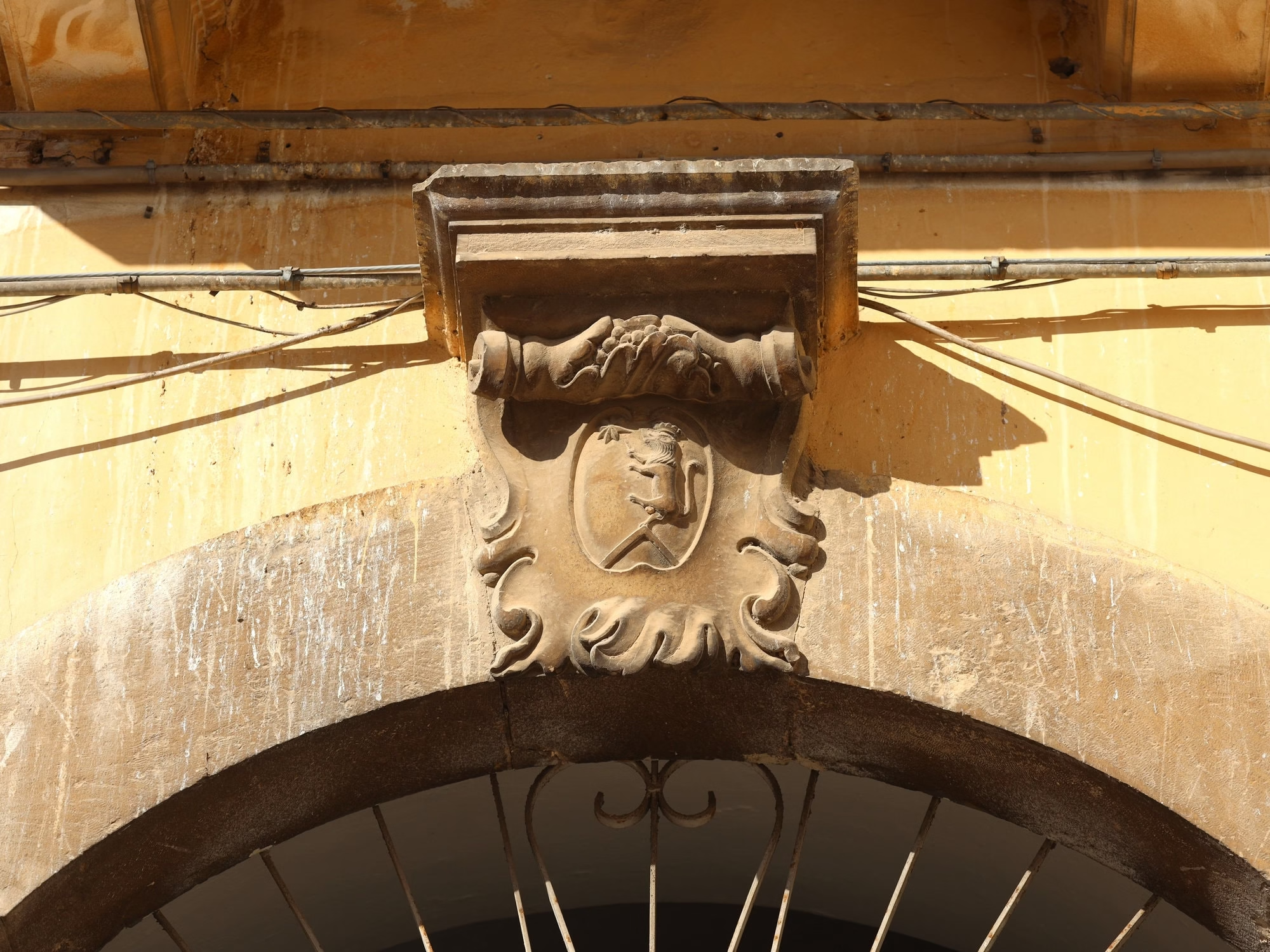
In the late 1400s, what is today via Umberto I was still a cart track leading to the city walls of the “Terra Vecchia”. But from then on, the road came to delineate the new hamlet known as “Casale dei Greci”, inhabited by the Greek-Albanians who had settled here. On this road was the church of Santa Maria di Costantinopoli, next to the palace of the Leone family and then the Moncelli family, with the “forno vecchio” and the “Hospidale” to welcome pilgrims and assist the poor and sick behind it. This was also the road which led to the “loco dei molini” (now atrio Tricarico) where grain was milled by millstones turned by mules. The road then took on the name of “Strada Santa Maria di Costantinopoli” and “strada de Moleni”. At the end of the 17th century, the new Dominican monastery and their church of St. Dominic was built here and it then became known as Strada San Domenico. In front of the Dominican church was the palace of the abbot Domenico Cassano, given in dowry to his sister who married the nobleman Saverio Maiorana who placed the family coat of arms on the façade in the 1700s.
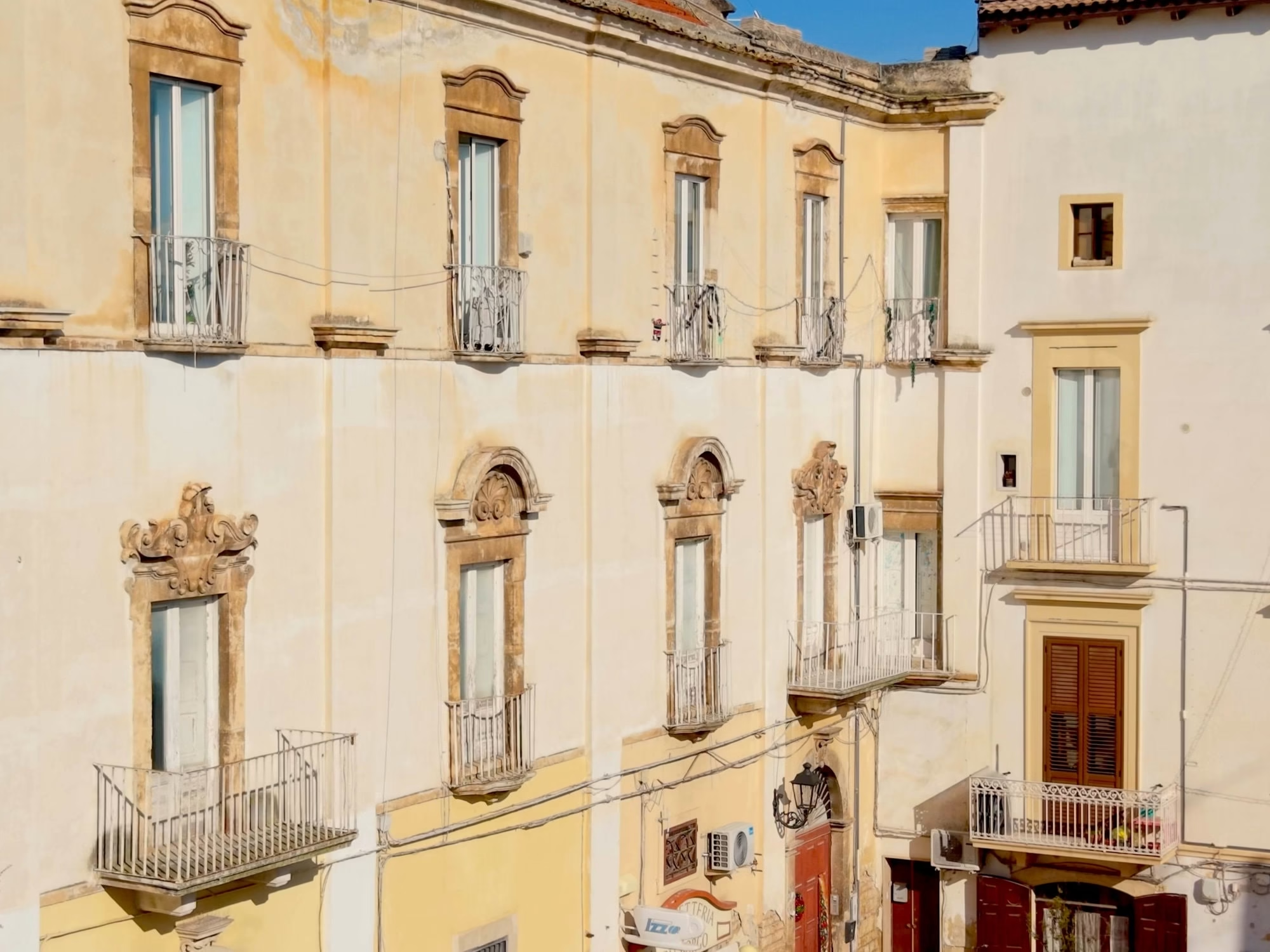
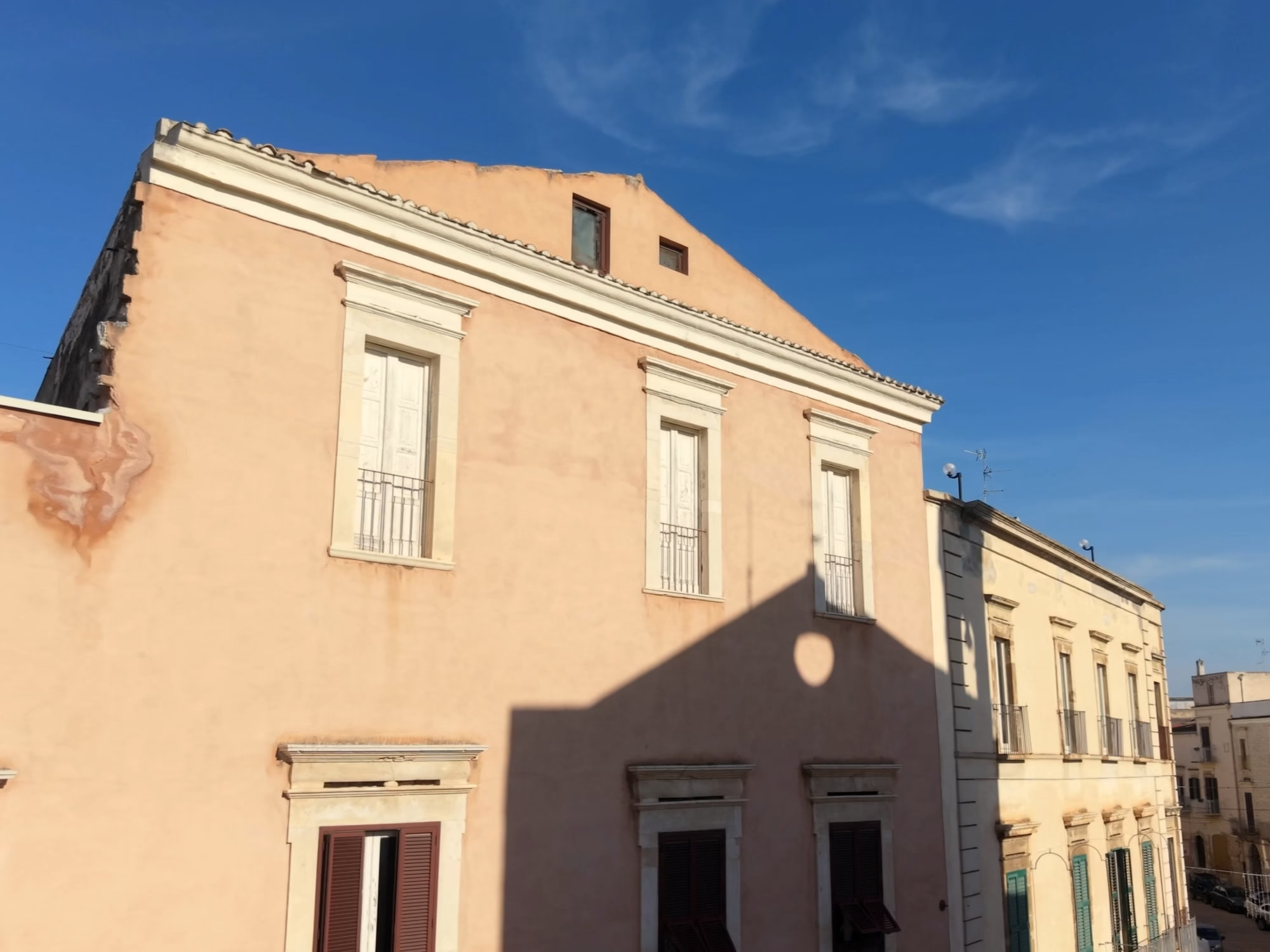
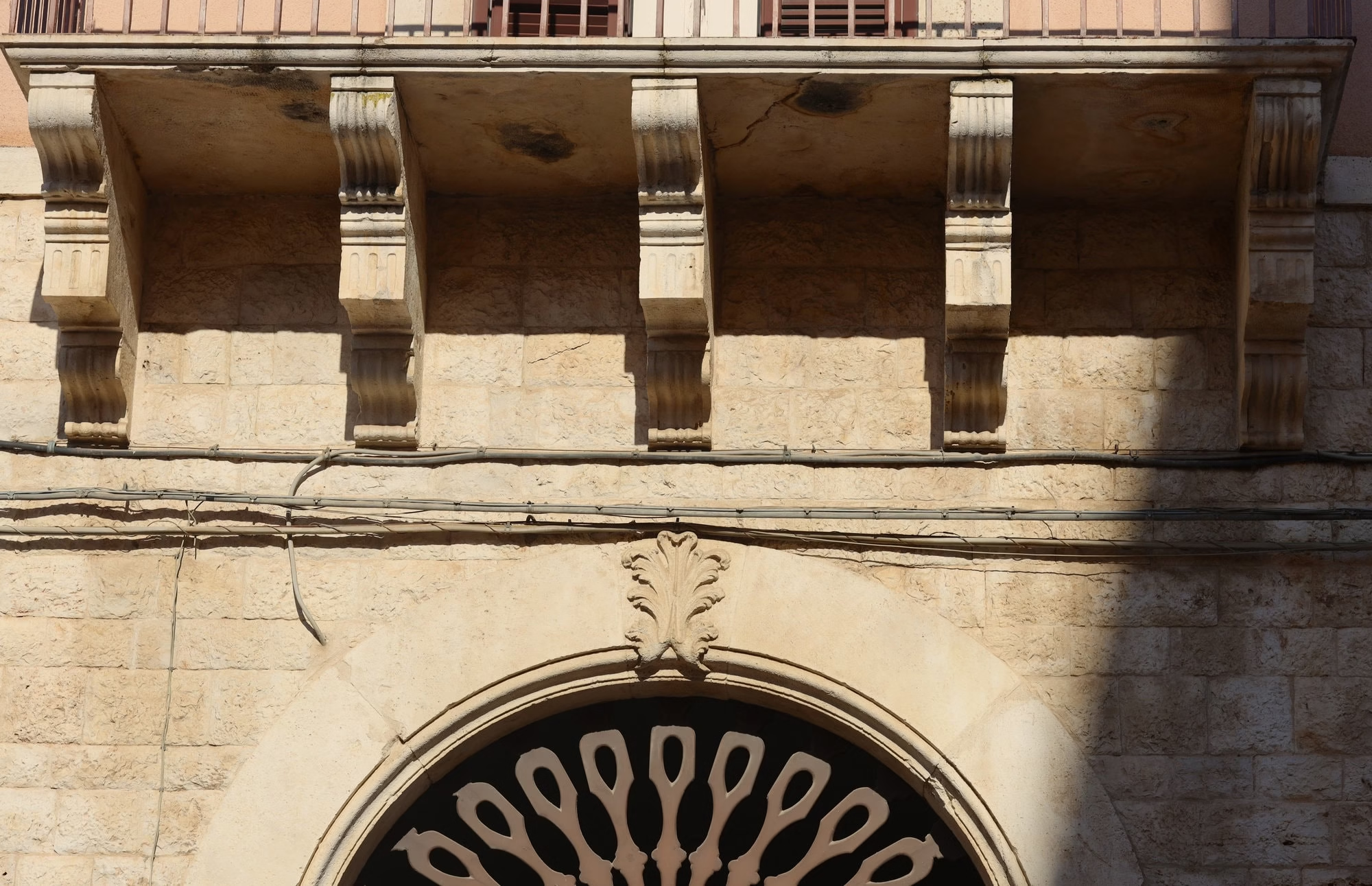
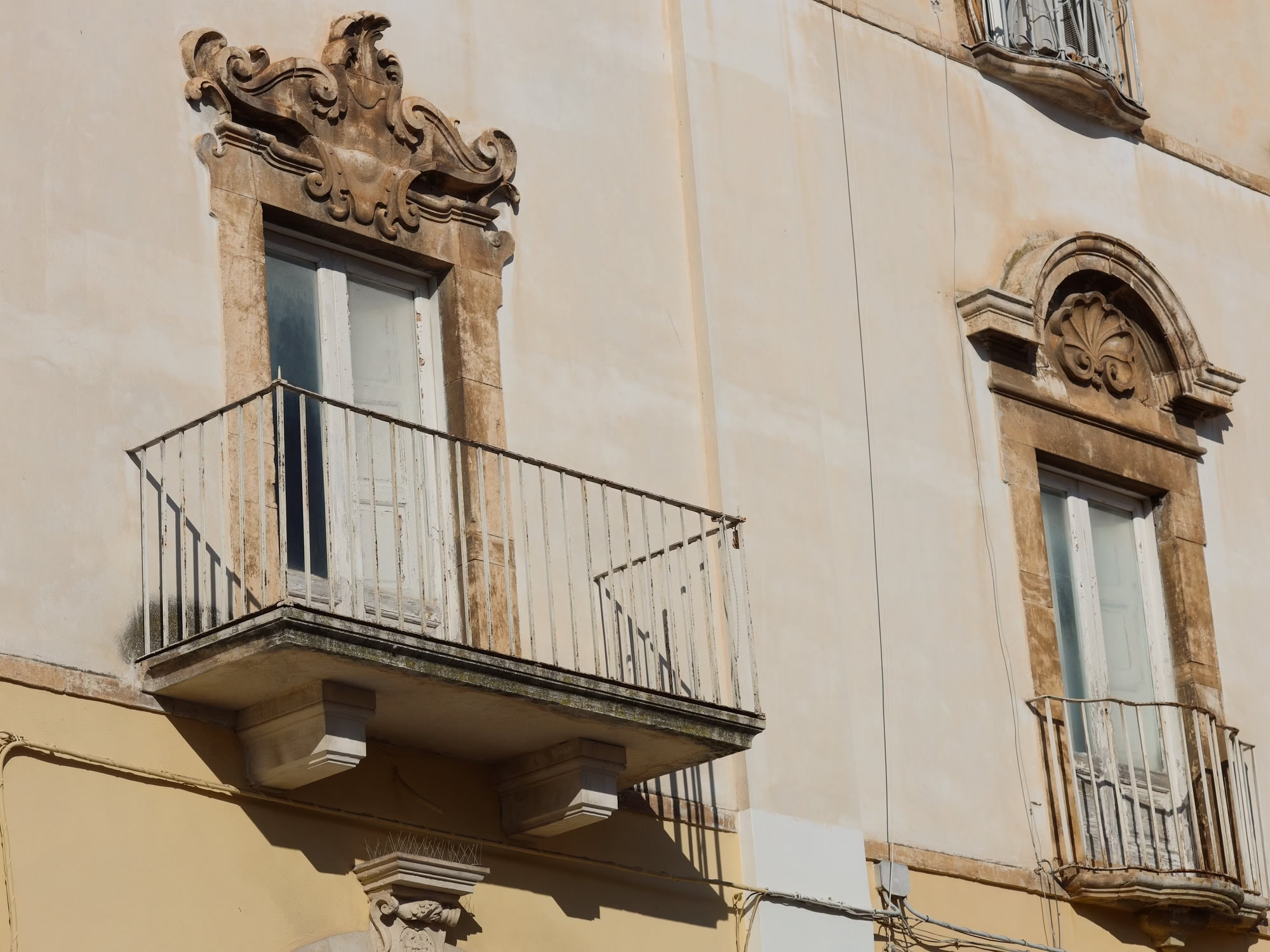
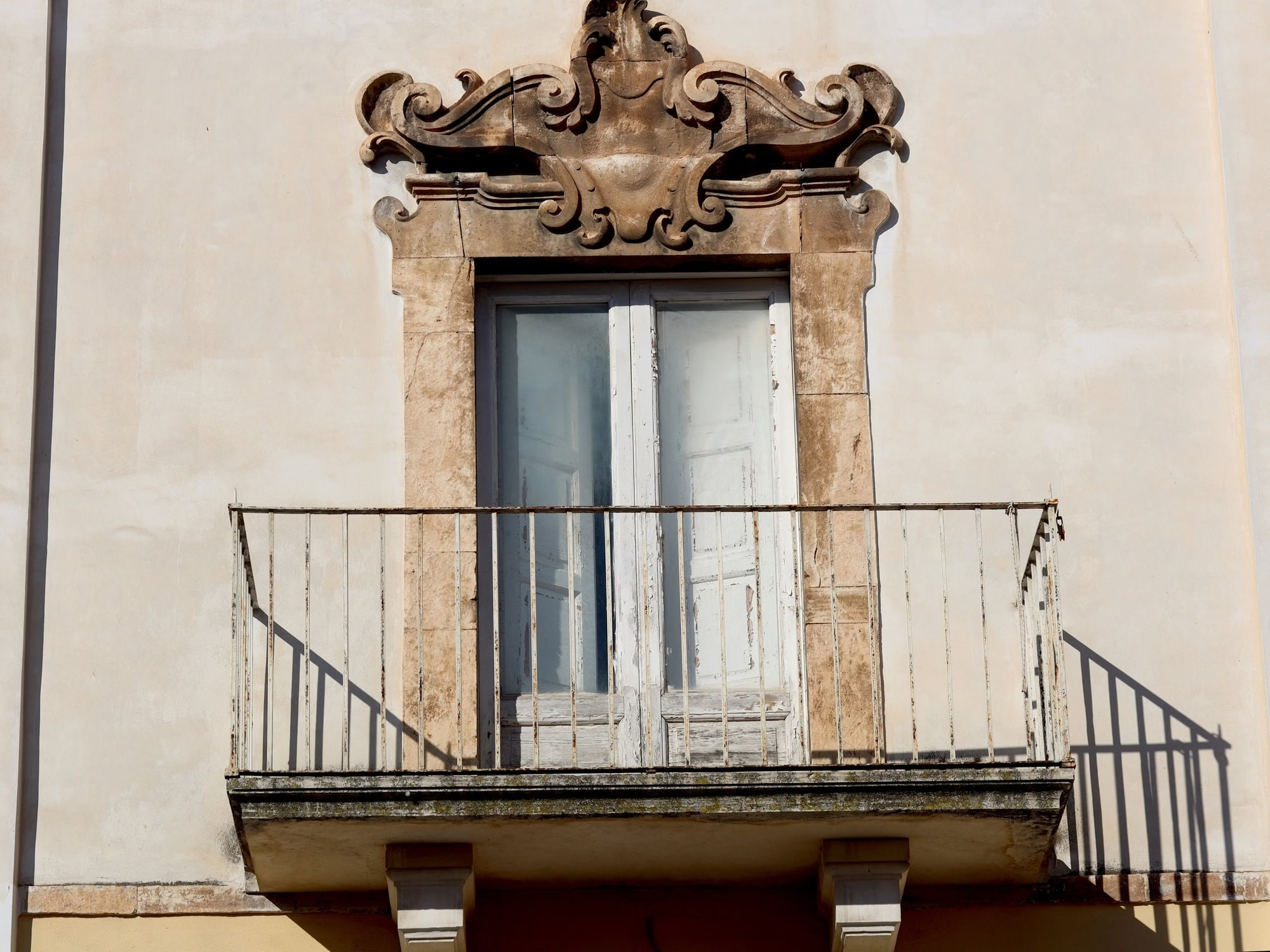
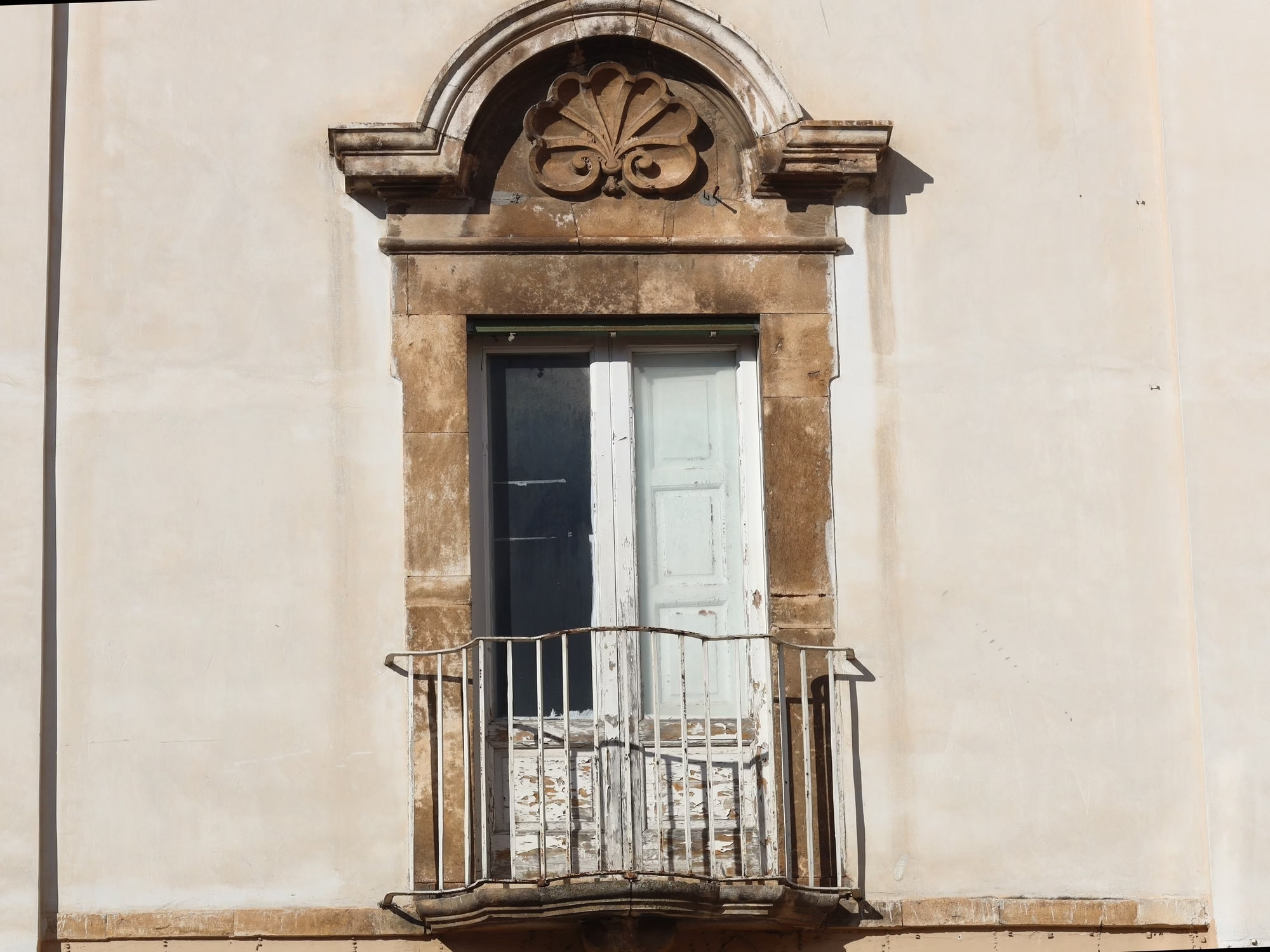
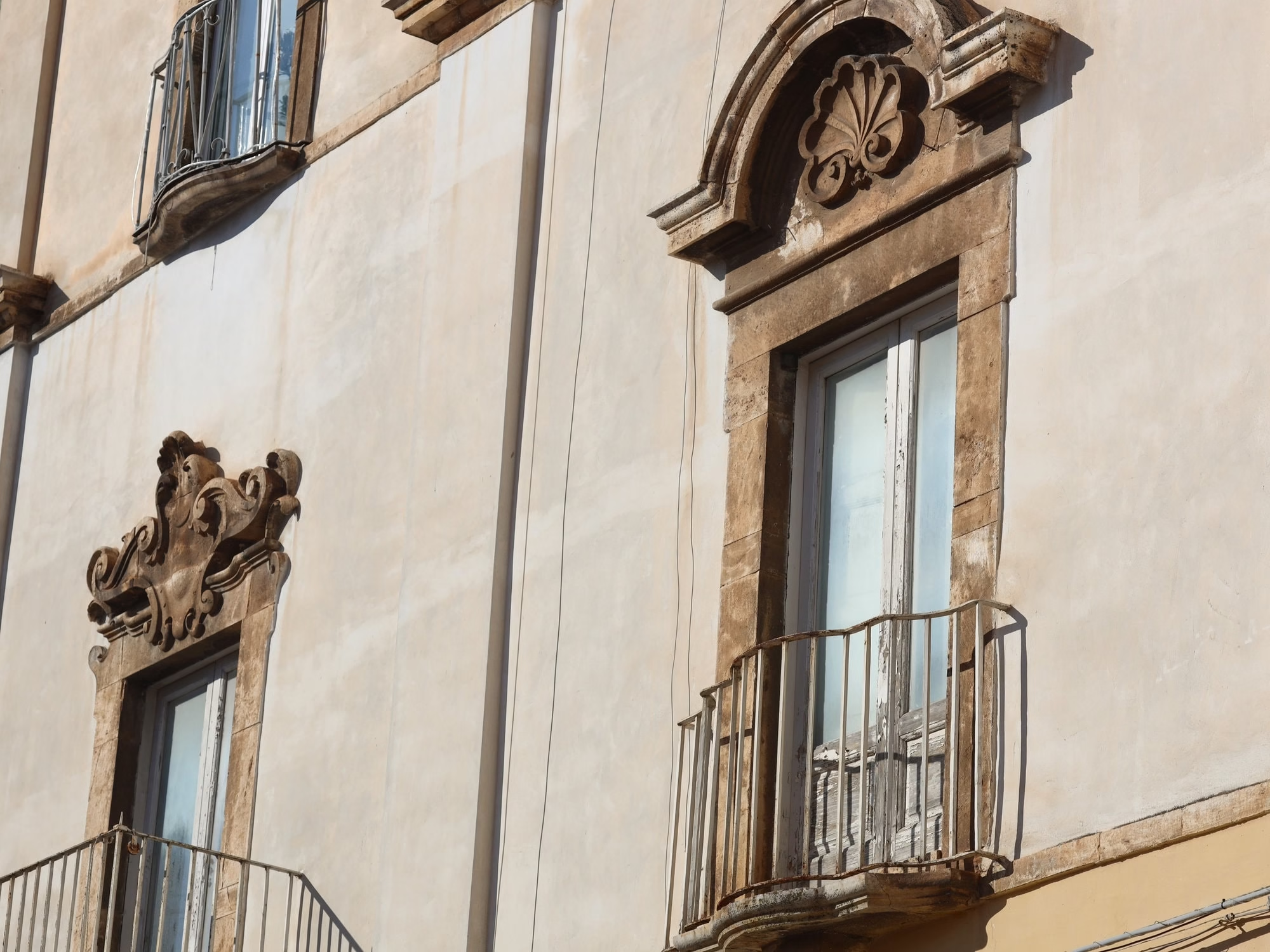
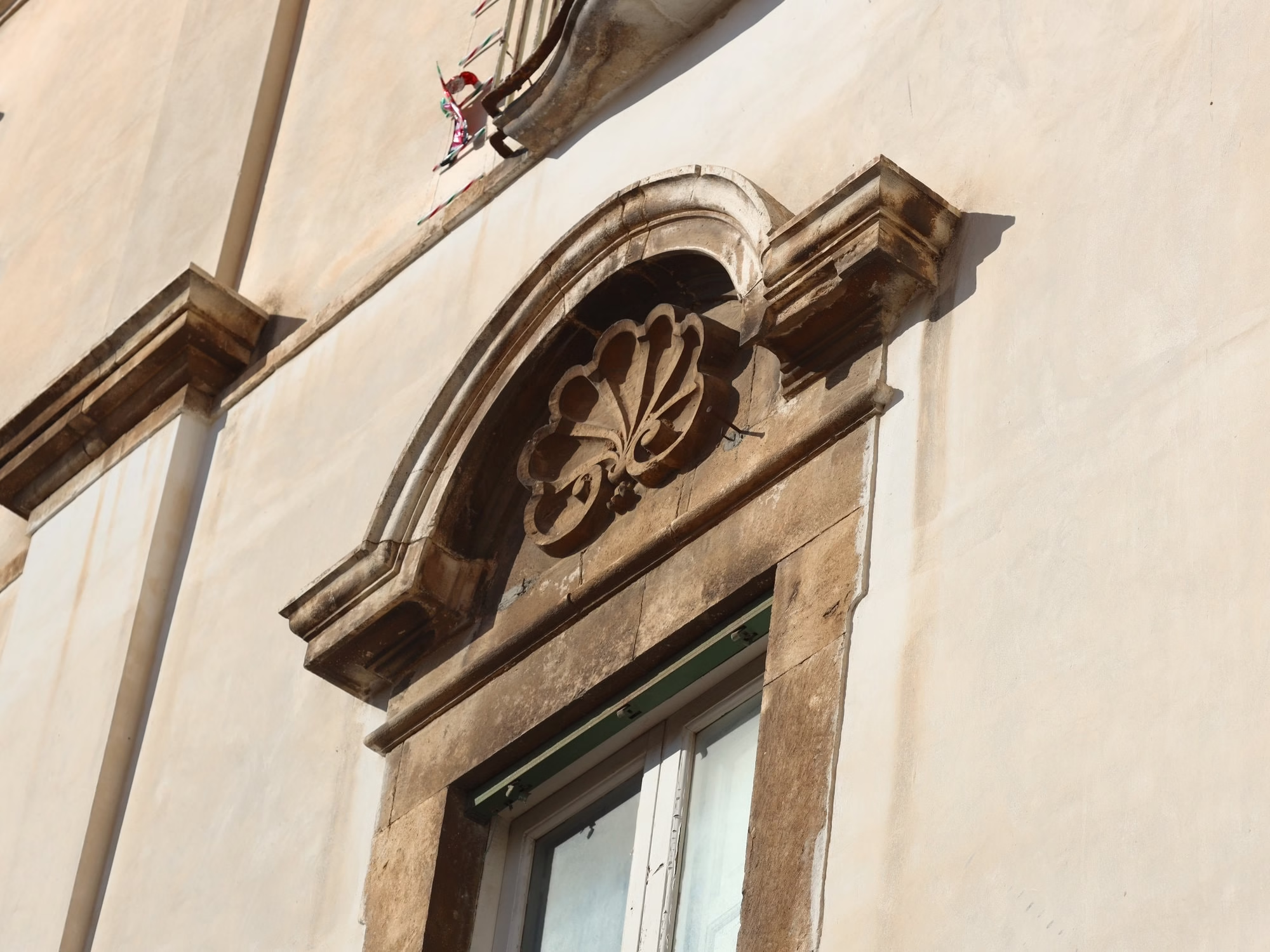
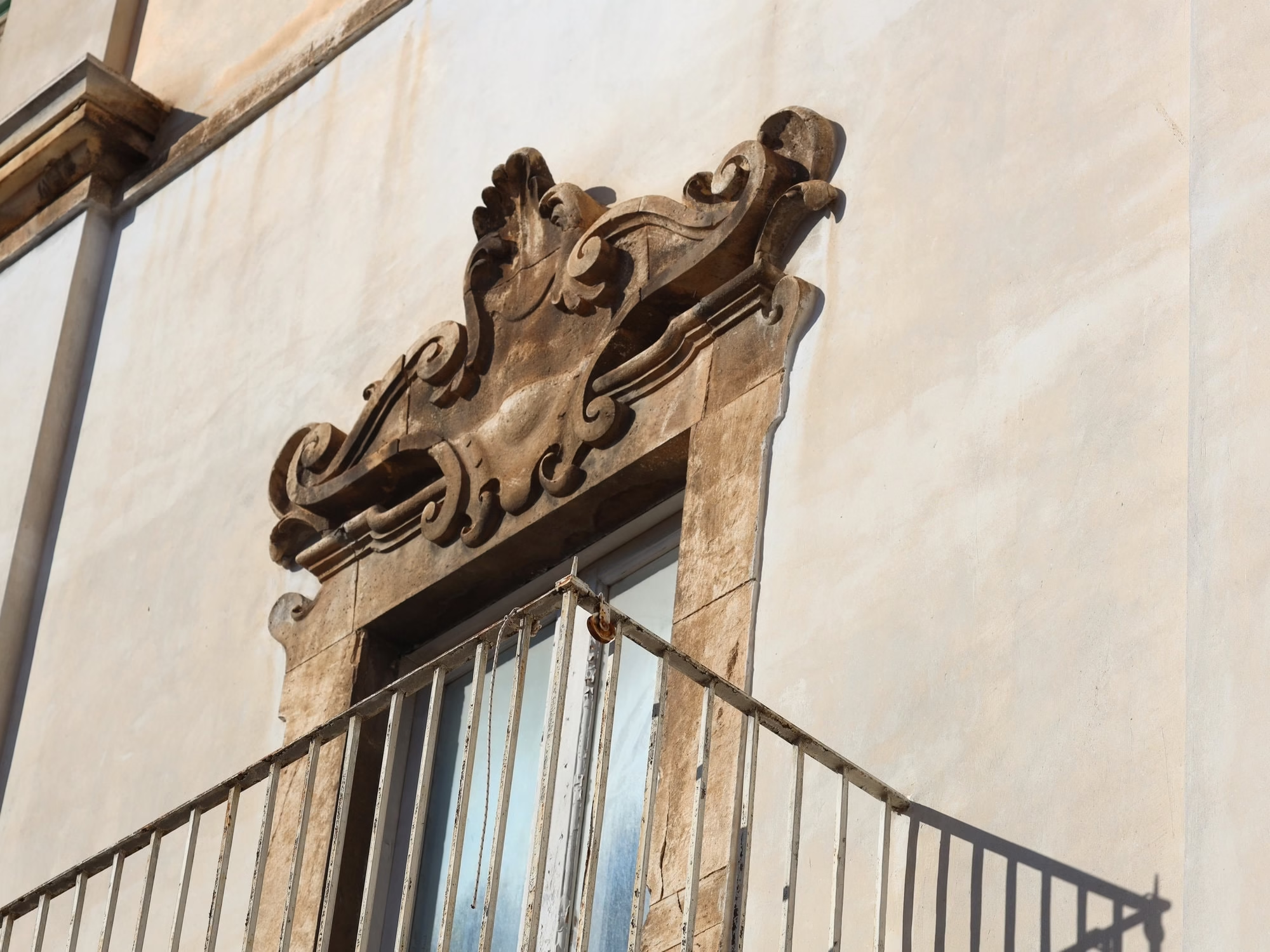
To the side of this building is the palazzo of the farmer Tommaso di Nardo, given in dowry to his son-in-law, the farmer Giuseppe Frasca (his daughter would then go on to marry the apothecary Angelo Curci from Bitonto), and the next building along belonged to his brother, the priest Gaetano Frasca, giving rise to the name Frasca-Curci. From 1919 to 1965, the building was converted into a convent, housing the Benedictine nuns of St. James in Bari. Finally, Palazzo Perrone. In 1696, the doctor Giacinto Perrone from Castellaneta married the noblewoman Giovanna Valentino who was given some houses in dowry. In 1760 their son Leonardo, wishing to improve the house, added the baroque forms that can still be admired today. In 1813, the road took on greater importance when the Dominican monastery was converted into the Town Hall. In 1830 the road was paved and between 1837 and 1840, the mayor Michele Maiorana ordered the demolition of some of the lower storey buildings on the road in order for the rainwater to drain more efficiently, creating three arches (“vico Frasca”, “vico Spitorusso” and “vico Madonna del Carmine”) which were decorated with shrines dedicated to the Madonna. The road was named after King Umberto I at the beginning of the 20th century.