Palazzo de Leonibus
Cent. 16th
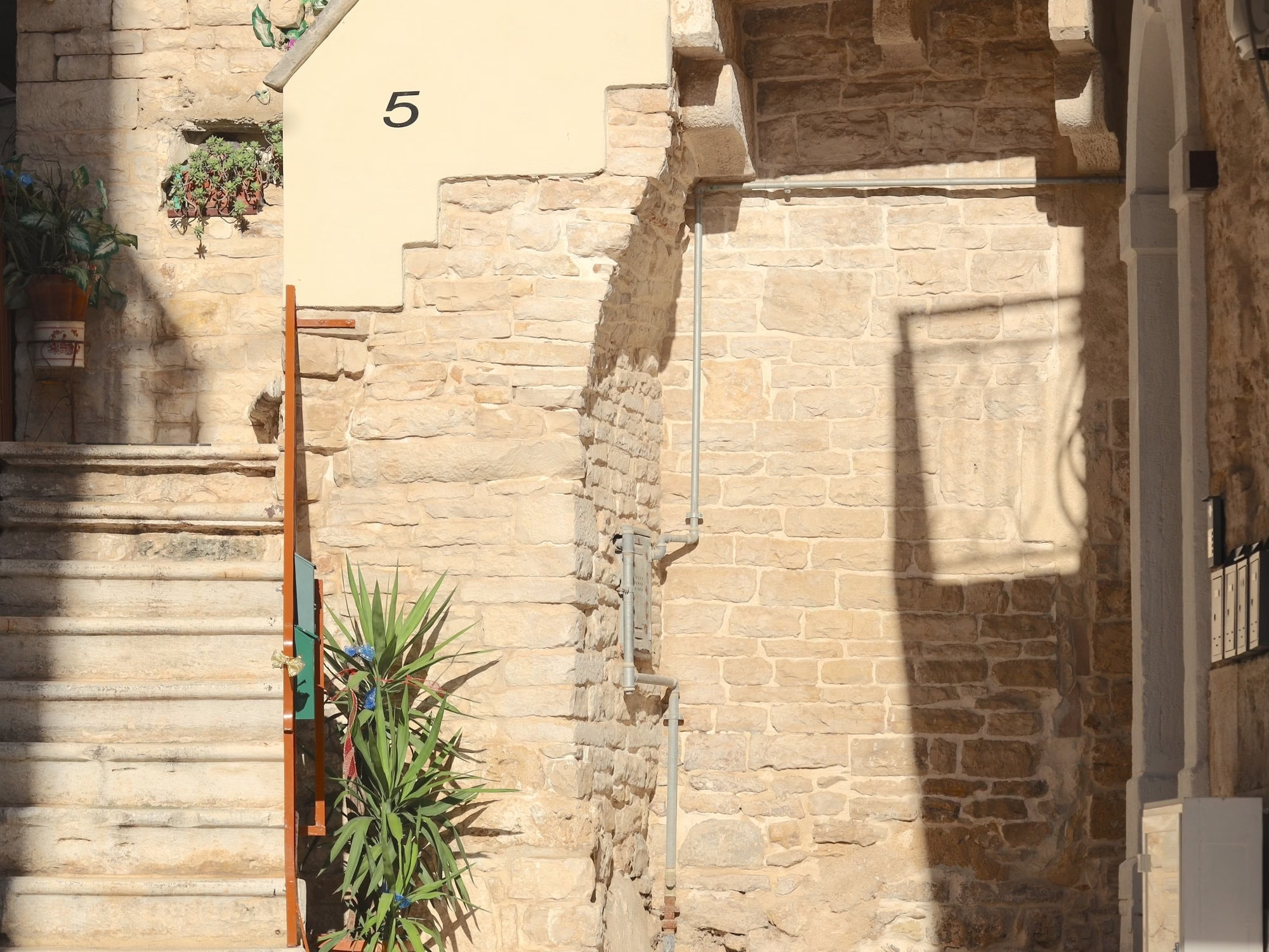
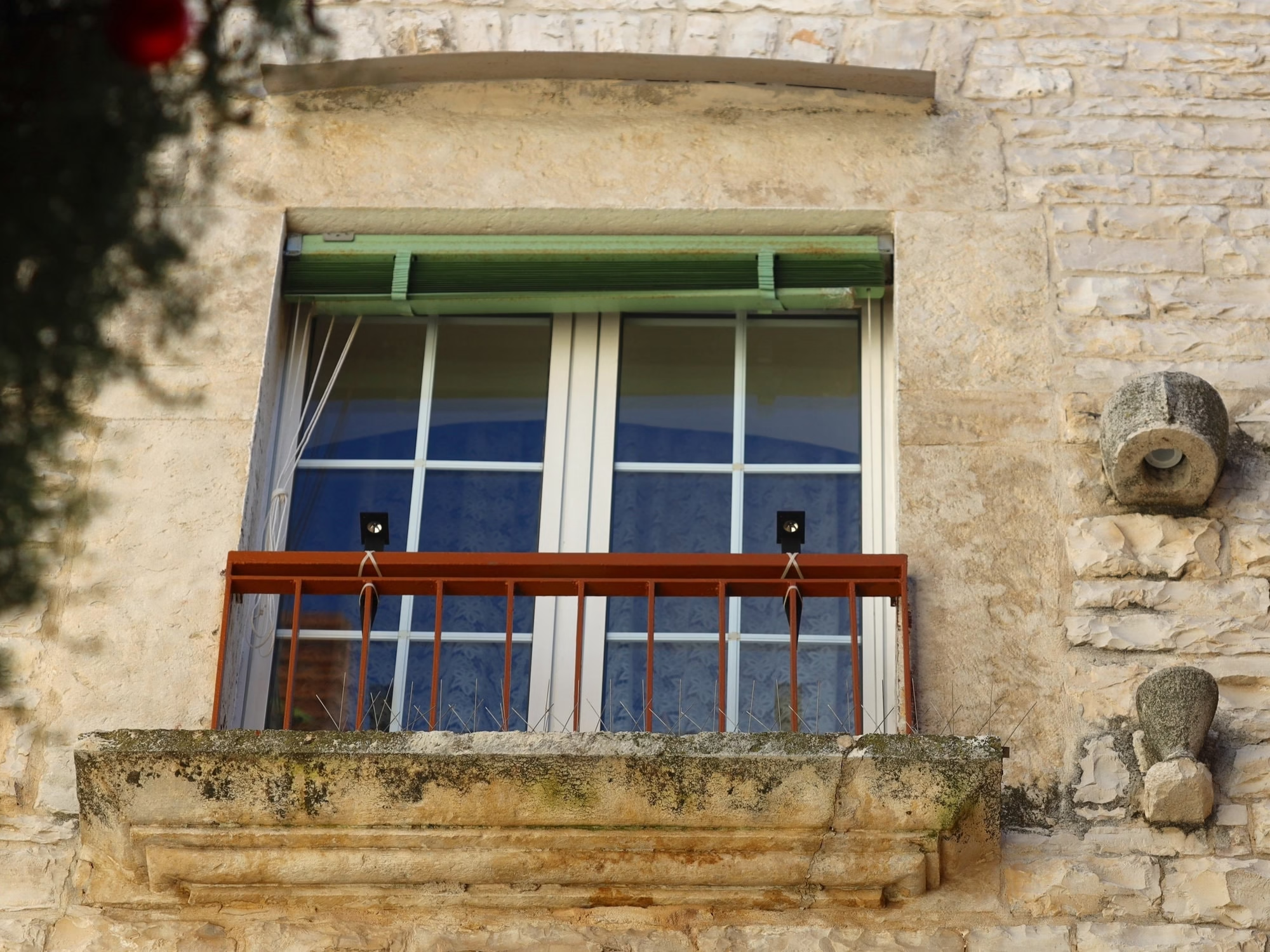
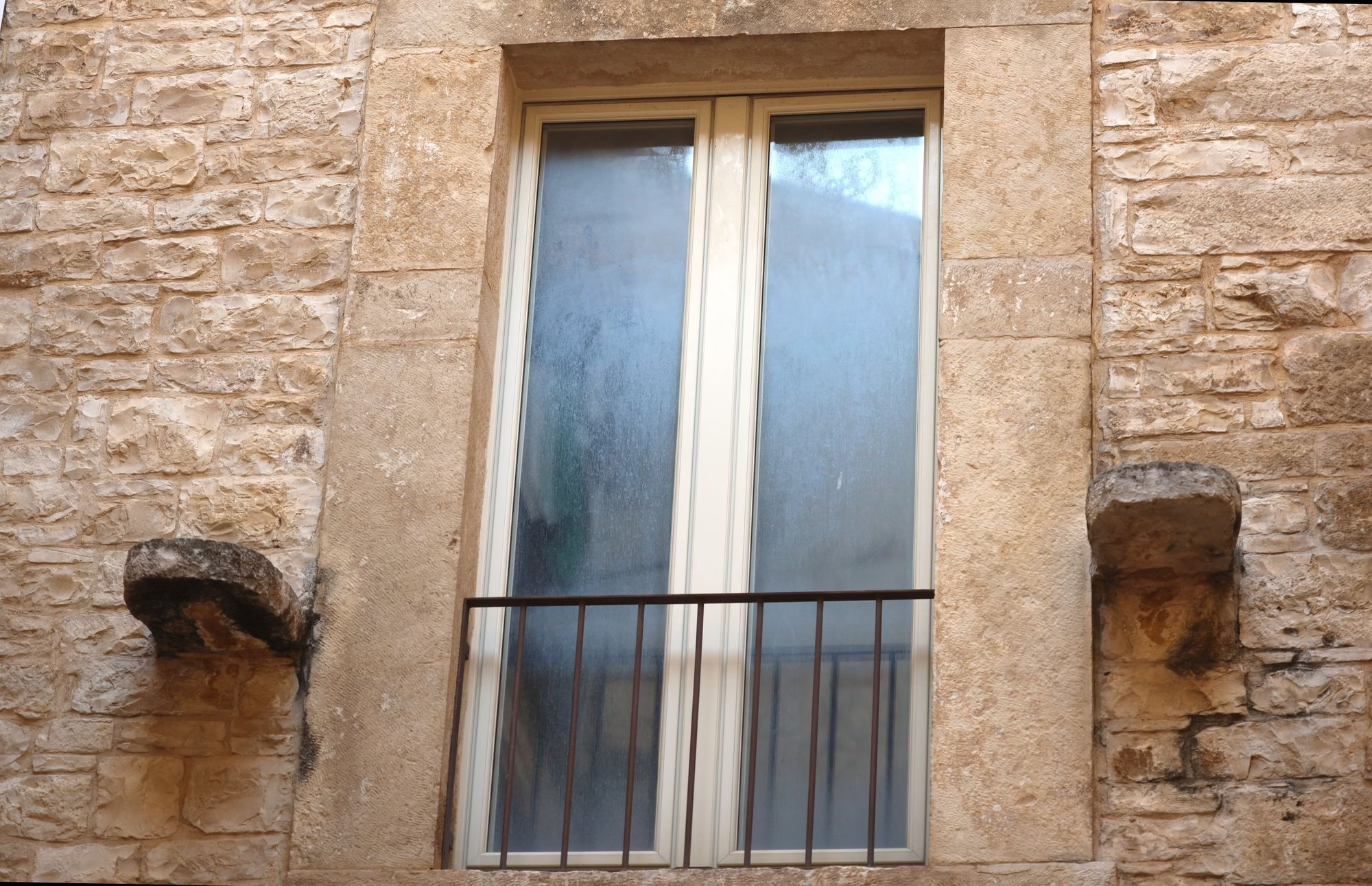
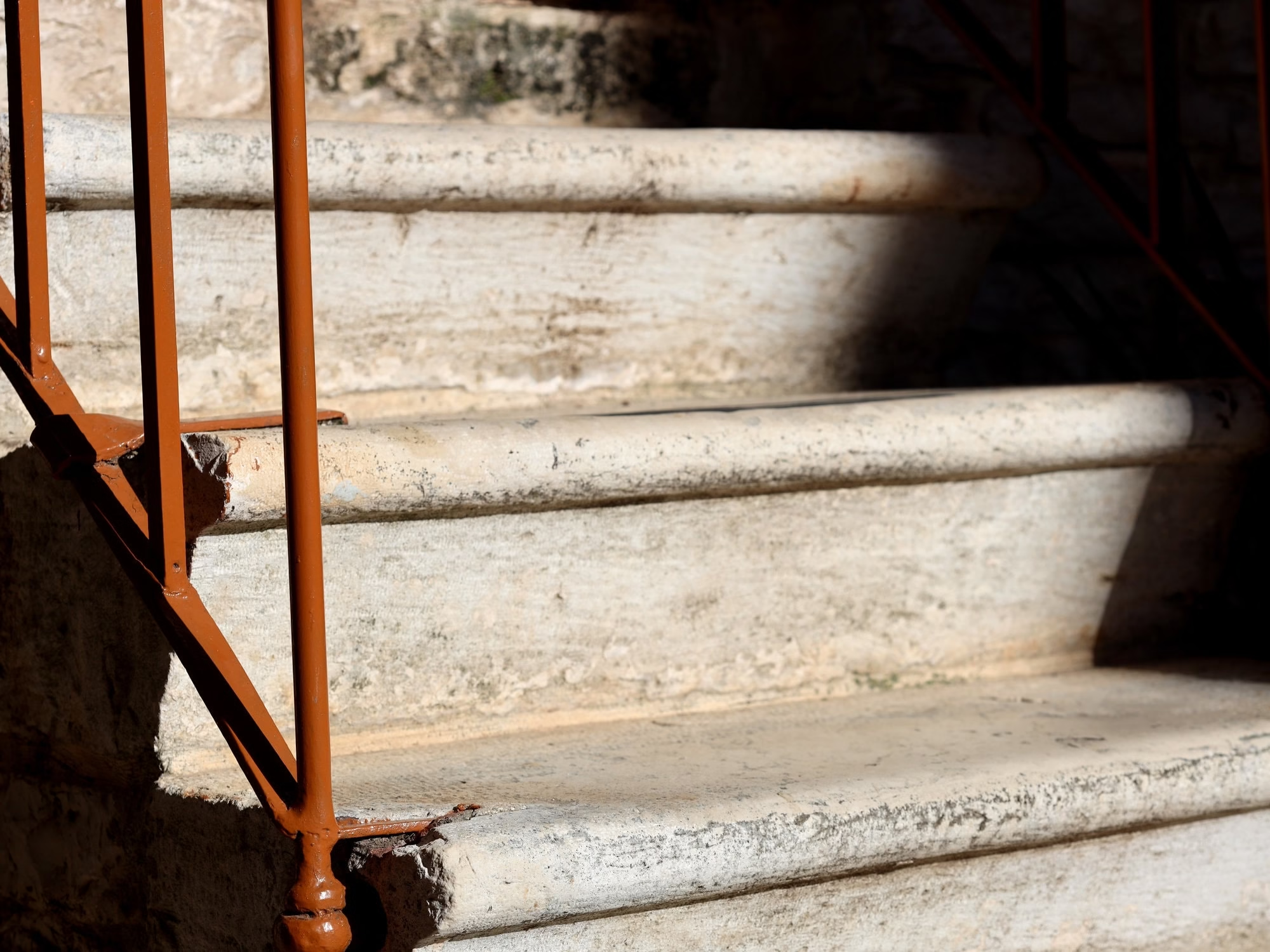
In the past, from Largo San Giovanni (now Piazza Giovanni XXIII), named after the medieval church of St. John the Baptist destroyed in 1958, the road led into the “Terra Vecchia”, through the medieval Porta Reale, demolished in 1820, next to the small church of St. Anthony the Abbot, and heading uphill, led to the 16th century palazzo of the prominent Leonardo de Leone. The noteworthy structure of the building boasts a Lombard band in the cornice above the façade and its main entrance with a small open atrium is on the road of S. Antonio Abate (now via Petrarca), opposite the arch known as the Crocifisso. The client and the builder are recalled in a Latin inscription, still visible on the façade of the palazzo which reads: “Leonardus de Leonibus Dominus, Magister Joannes fecit 1533” (Master Leonardo de Leone, Maestro Giovanni built, 1533)
Leonardo belonged to the rich and noble de Leone family and was mayor of Palo. In 1533, he and the priest De Brunis, were the depositaries of the funds donated by the Council for the extension of the parish church. He was so well regarded in public life that in 1558, after the death of the Duchess Bona Sforza, he was nominated Treasurer of Palo. There is reason to believe that in the 1500s and 1600s the building was also the “Casa della Università”, the Town Hall, where the Governor resided, nominated every year by the “Lord” of Palo (who could be the King or a private landowner). The Governor administrated civil and criminal justice and supervised the “town parliament” in this building, in which citizens took important decisions and every year elected the “Magnifici del Governo of Palo”, the Mayor and the four “Eletti” (council members), as well as the other officials, including the accounts auditors. It was the place in which the citizens, through their representatives, took care of public matters, sometimes clashing with the feudal power which often caused oppression and injustice.