In 1157, Palo del Colle was called Palum and was an “open” unfortified village, situated on a hill looking out towards the Adriatic and the Balkans to the East and the Murgia uplands to the West. Fourteen years later, under the Norman King William II known as “The good”, Palo became a fortified medieval settlement with high walls, moats and gates, becoming known as Castellum. Eighty-five years later in 1256, the fortifications were completed on the highest point of the hill with the construction of the Suevian castle commissioned by local landowner Amerigo Savarini, known as the “Cypriot”. From that moment,
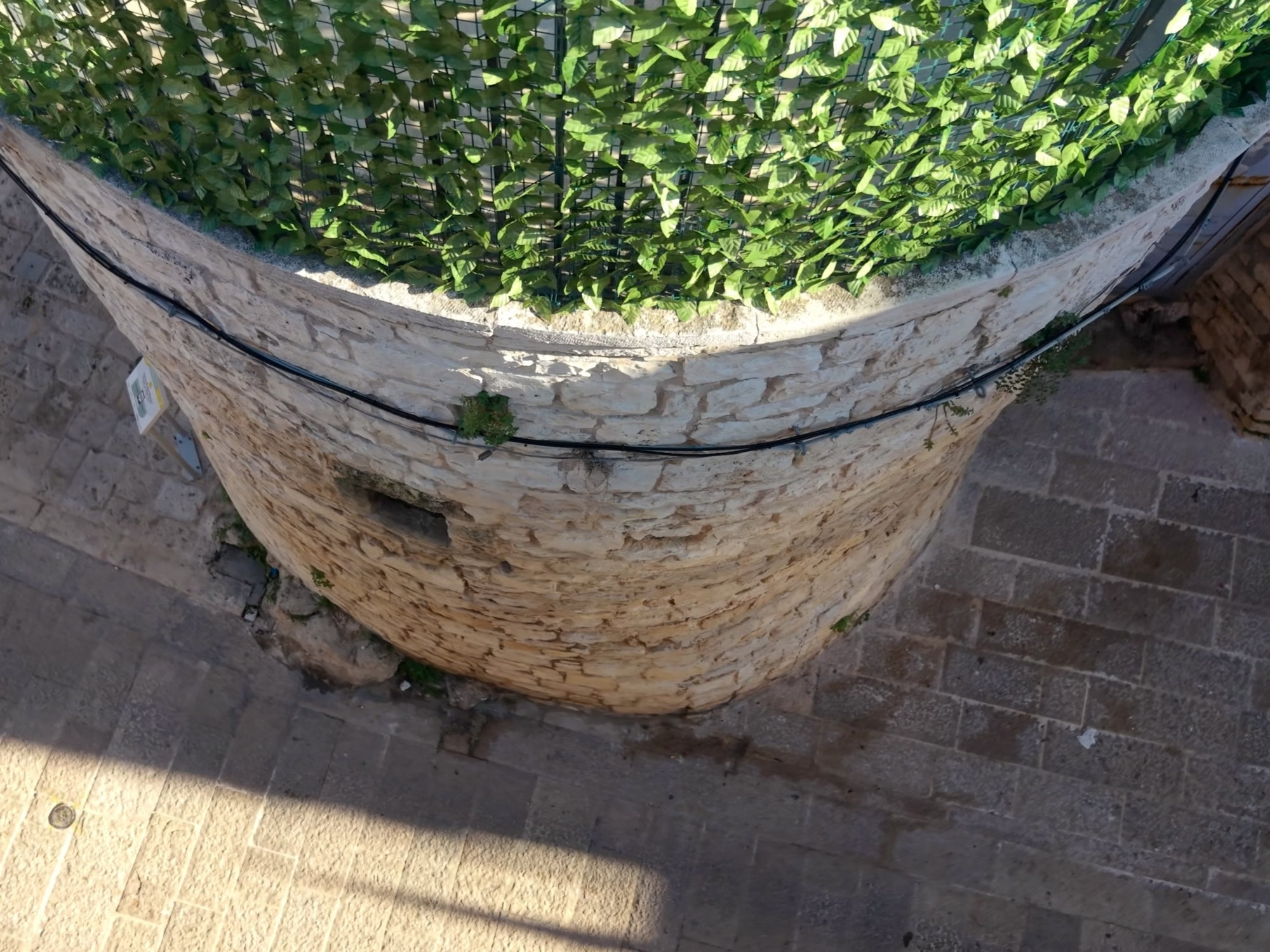
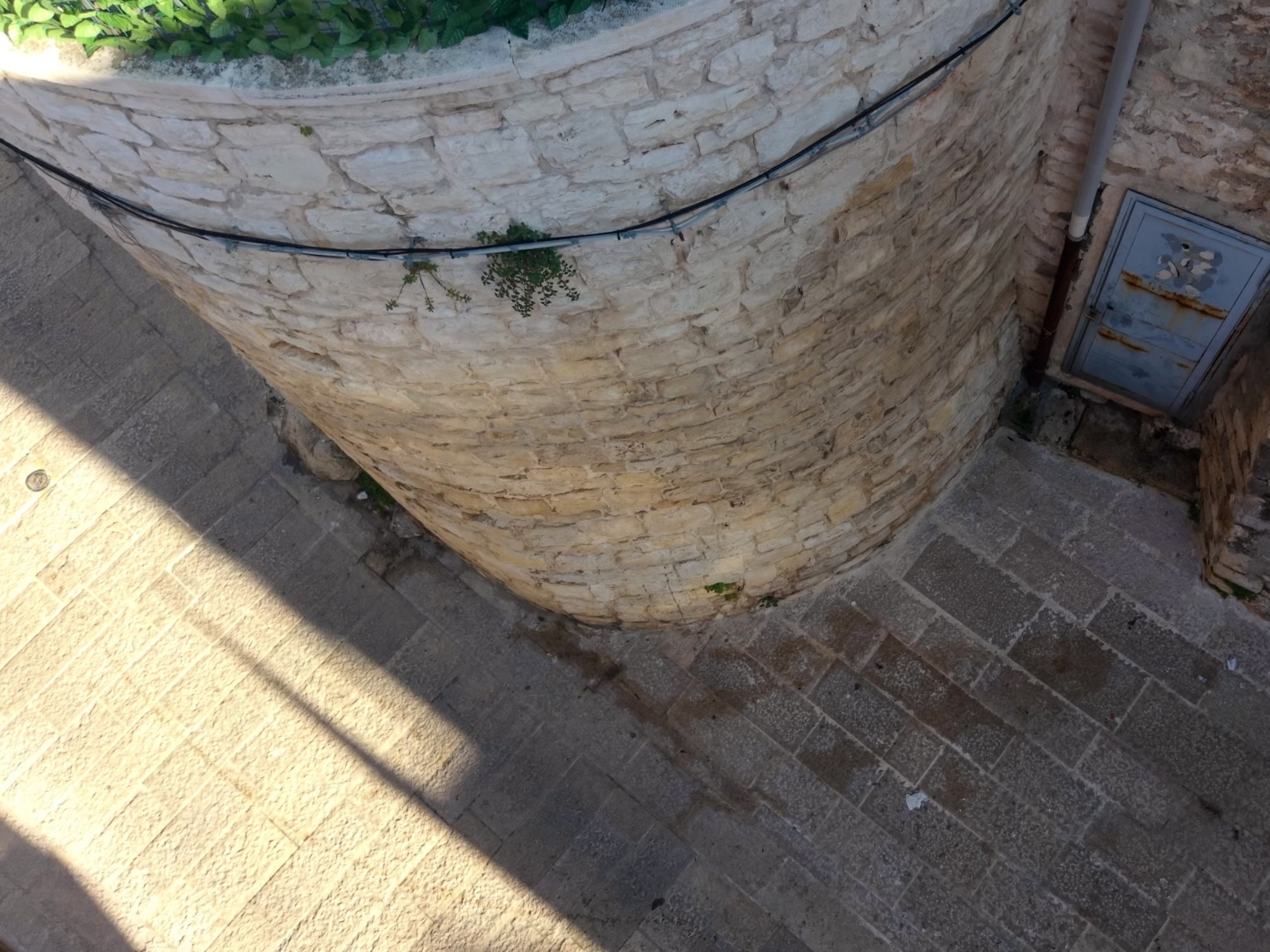
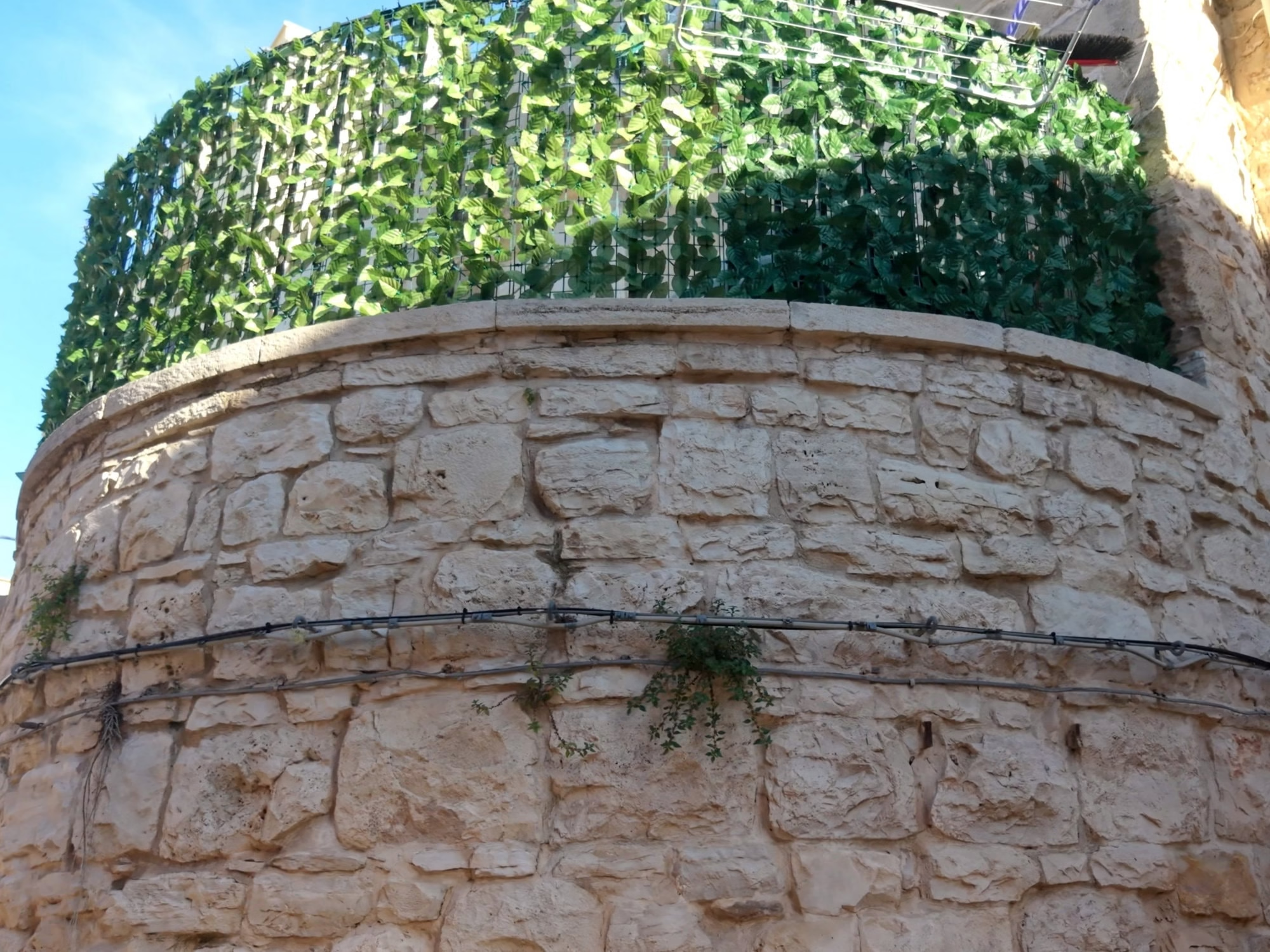
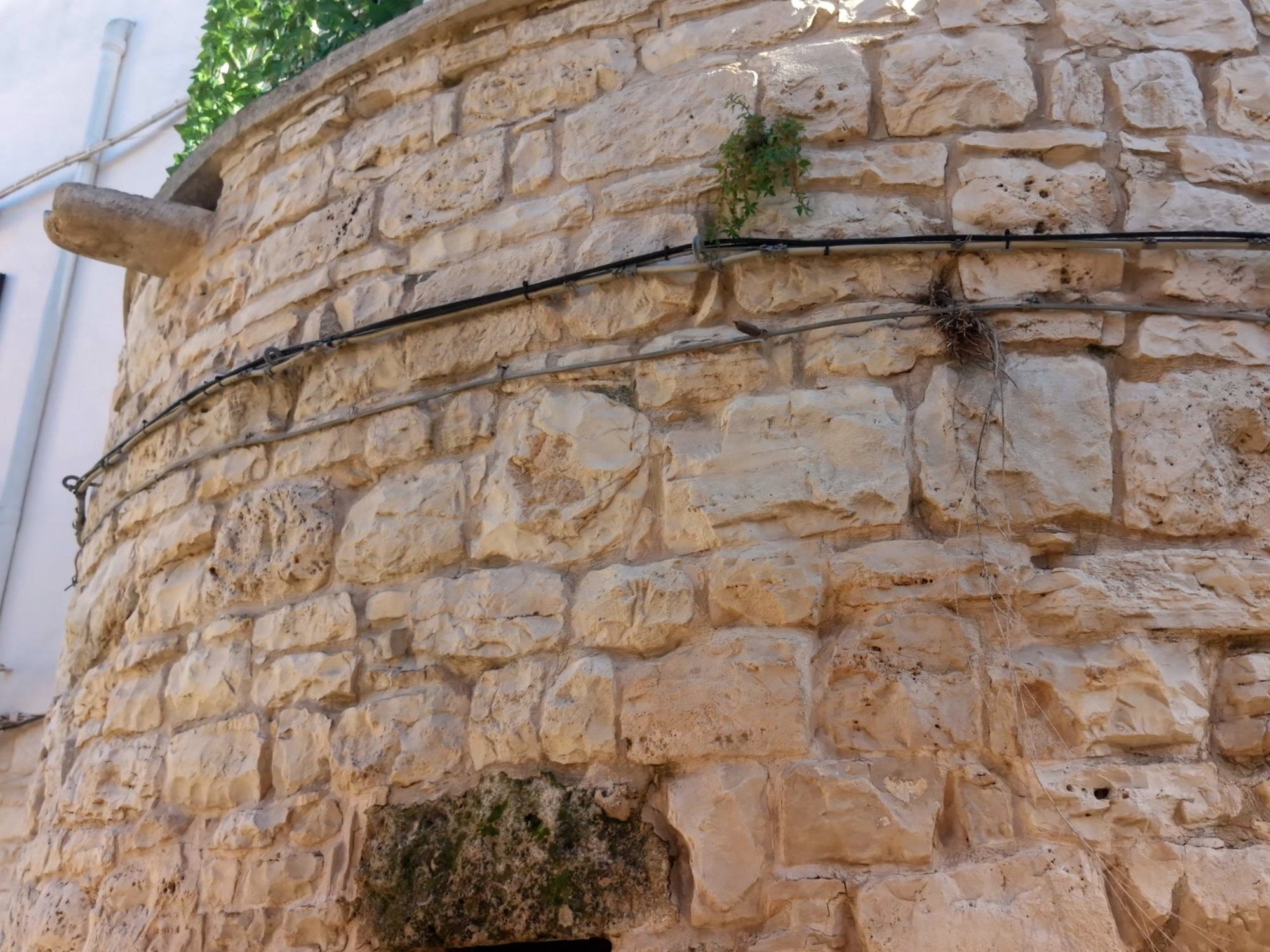
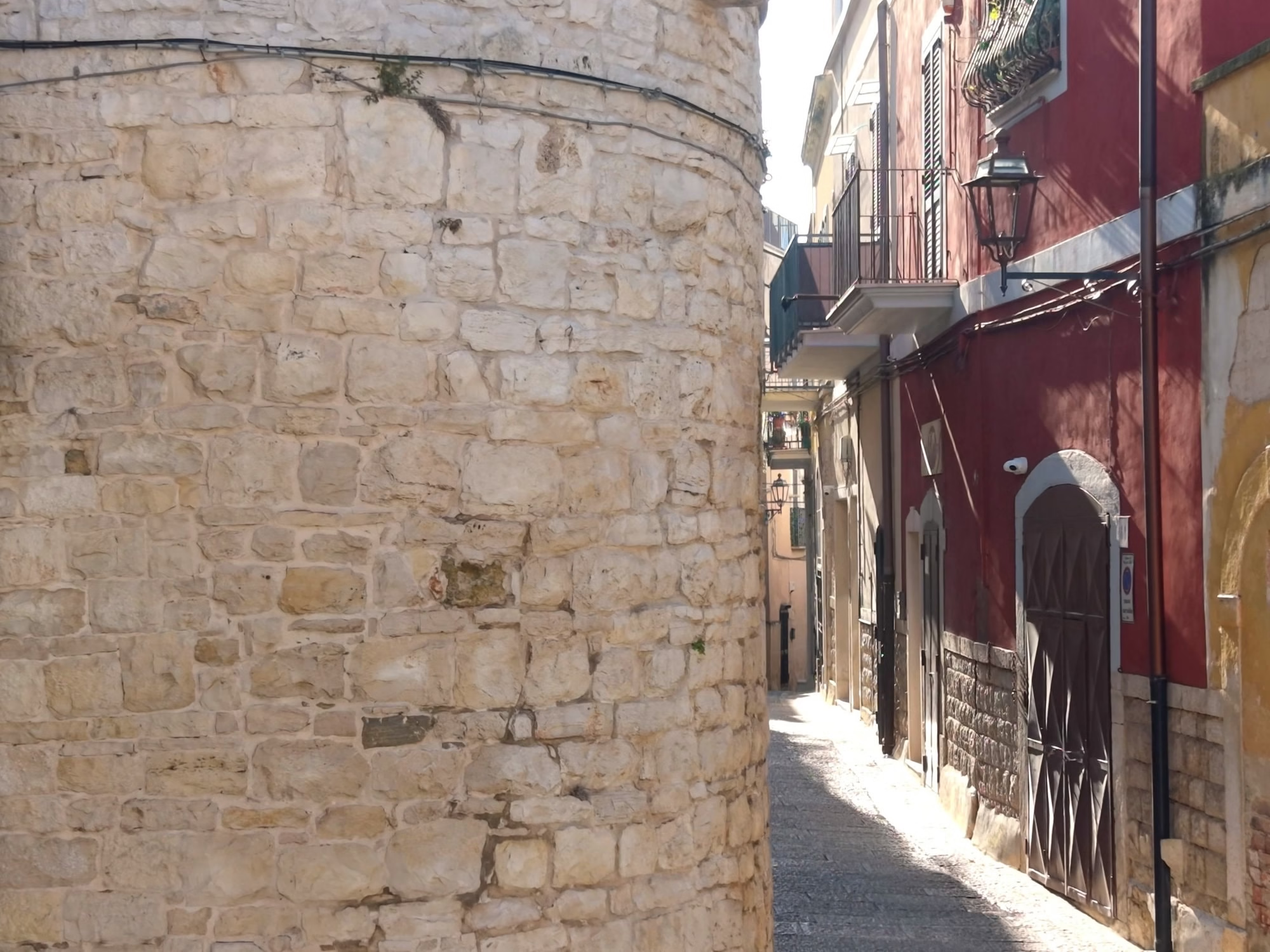
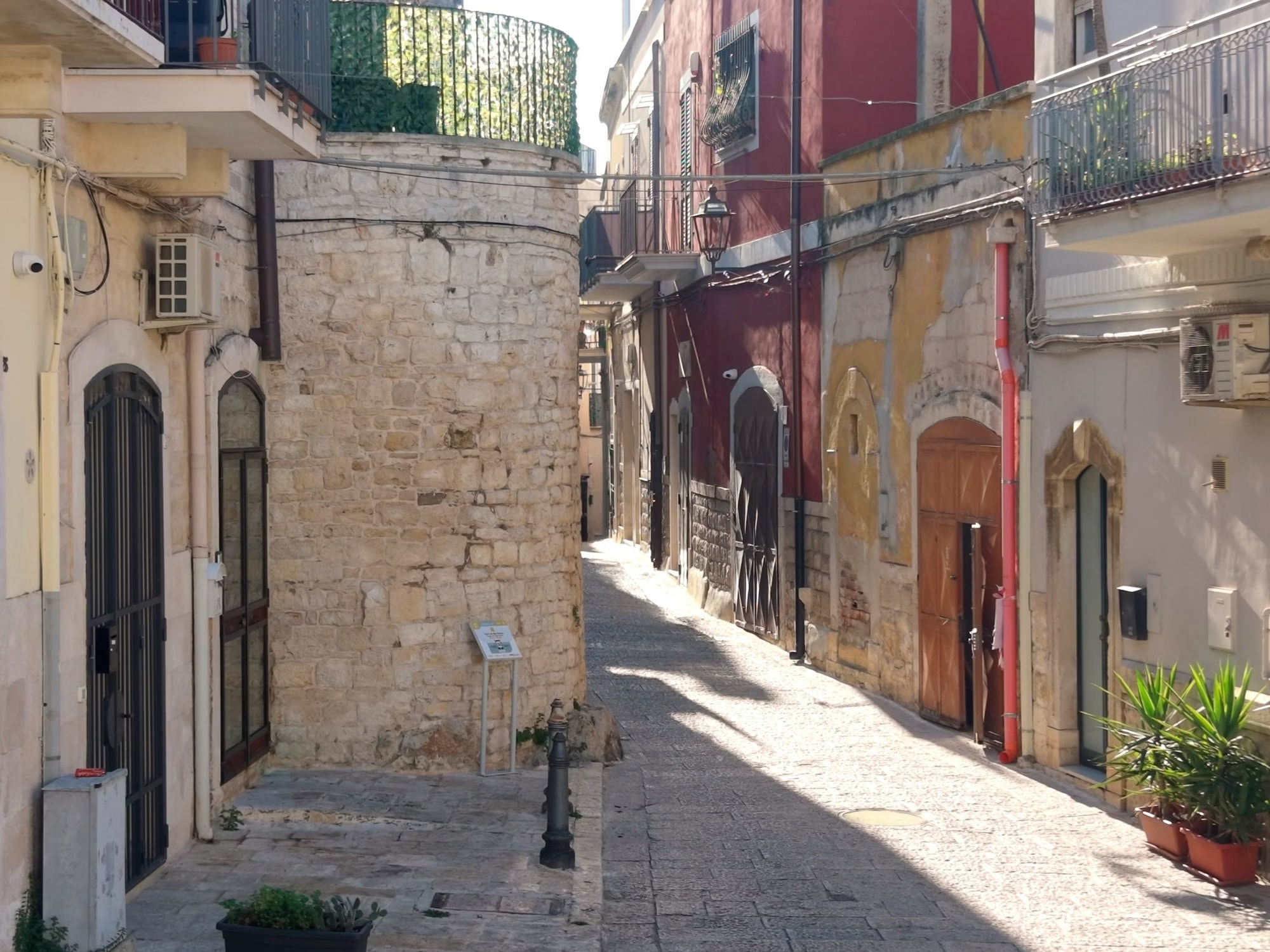
Palo became impregnable. The Tower of St. Roch is all that is left of the original medieval walls, knocked down in the 1700s by local governors who sold parts of the wall to private citizens to build residences, whether to balance public funds or to pay creditors. The tower was originally much taller and takes its name from a 17th century chapel dedicated to St. Roch, where the new church of the same name was built in the 1700s. Today the tower is no longer a lookout for enemies on the horizon, it is a living relic, an immovable memory.