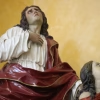
Church of St. Mary of the Assumption and St. Sebastian
Cent. 14th
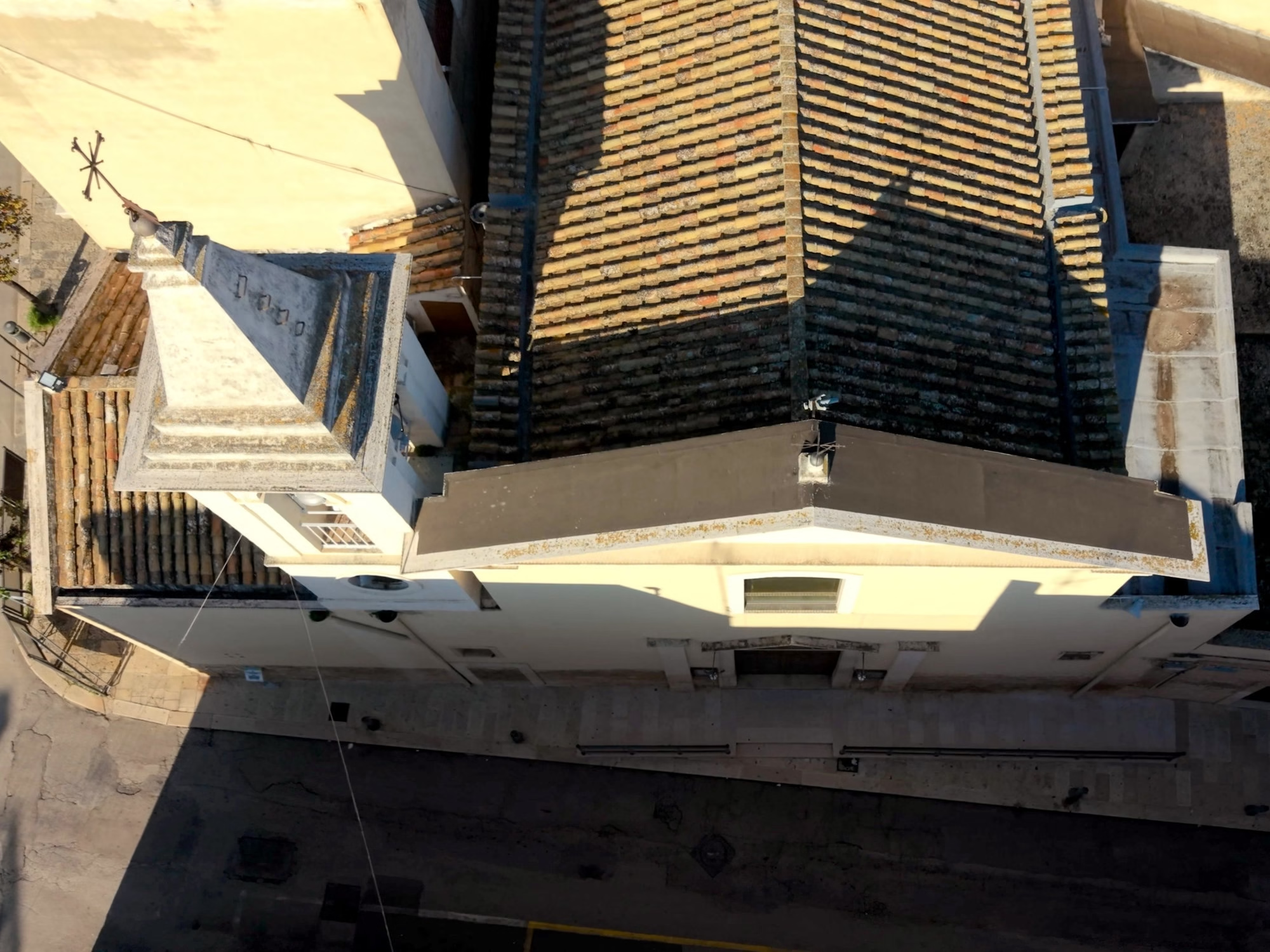
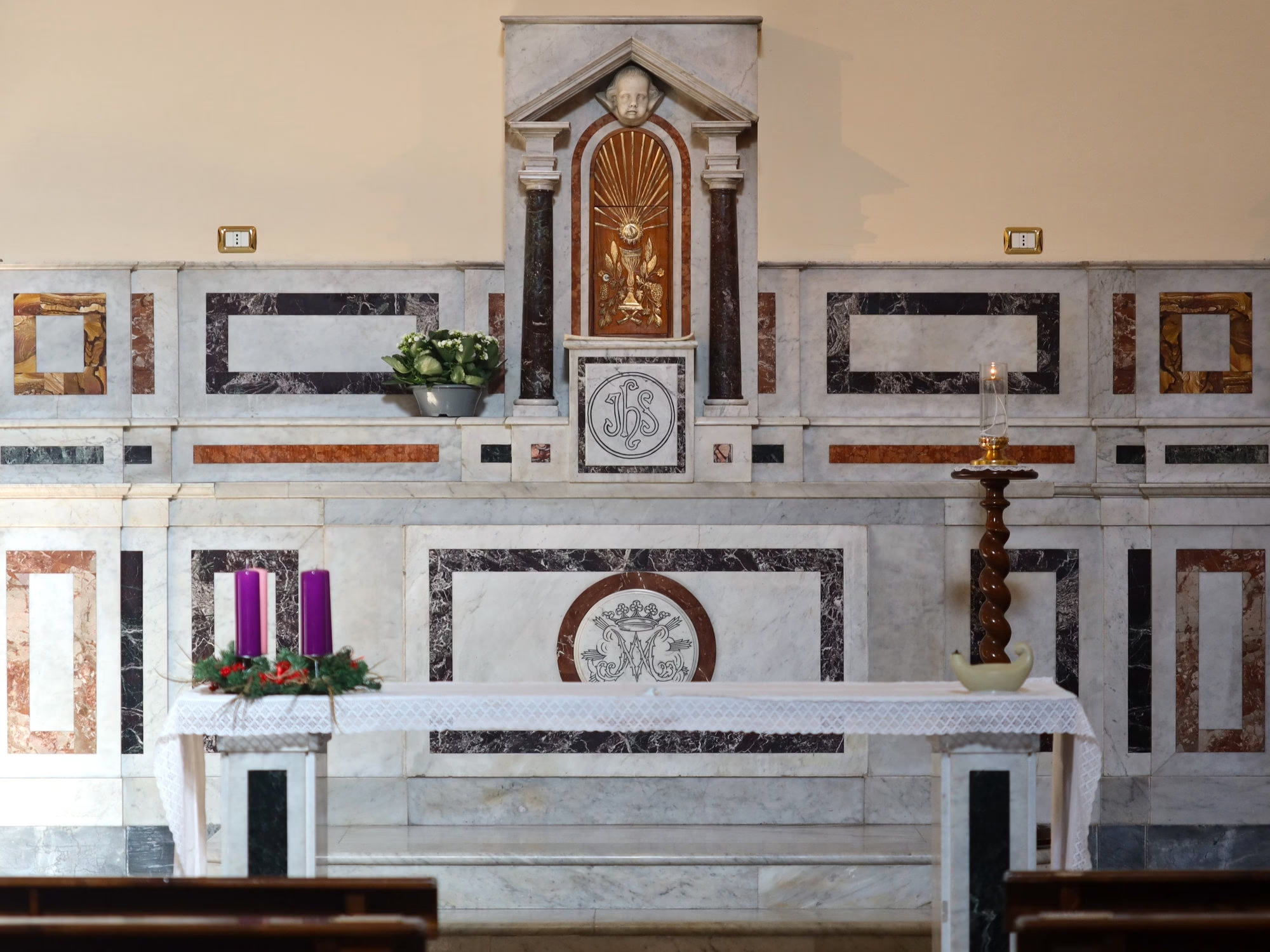
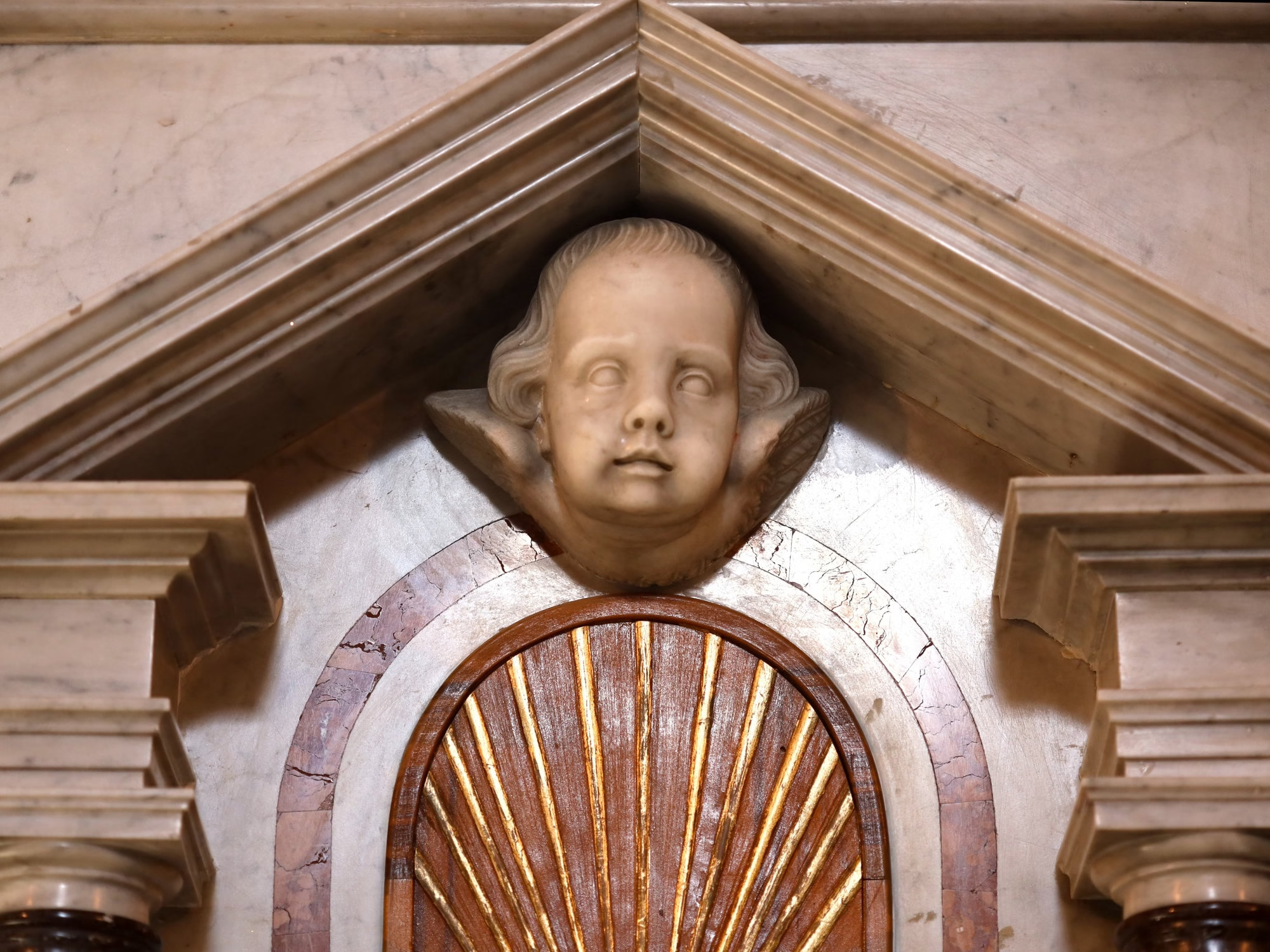
The old church of Santa Maria Assunta, also known as San Sebastiano, was built in the 14th century outside the walls, on the road which was known as “Strada dei Trappeti”. The chapel has a gabled façade. The presence of the Confraternity of Santa Maria Assunta is documented here in 1695, legally recognised by royal consensus in 1776. Between 1829 and 1842, the body of St. Damaris was preserved here, found in the catacombs of Rome, and for this reason the chapel was also known as the “Cappella della Santa” (Chapel of the saint). In 1882, under the supervision of the confraternity and with the project of the architect Michele Danisi, the new church was built next to the old one but with a south-facing façade. In 1950 it became a parish under the archbishop Marcello Mimmi with the title of Santa Maria Assunta, while the old chapel became the parish office. The church has a gabled façade, its door positioned beneath a triangular gable and a small spire bell tower. The main altar in the single-nave interior is carved in polychrome marble.
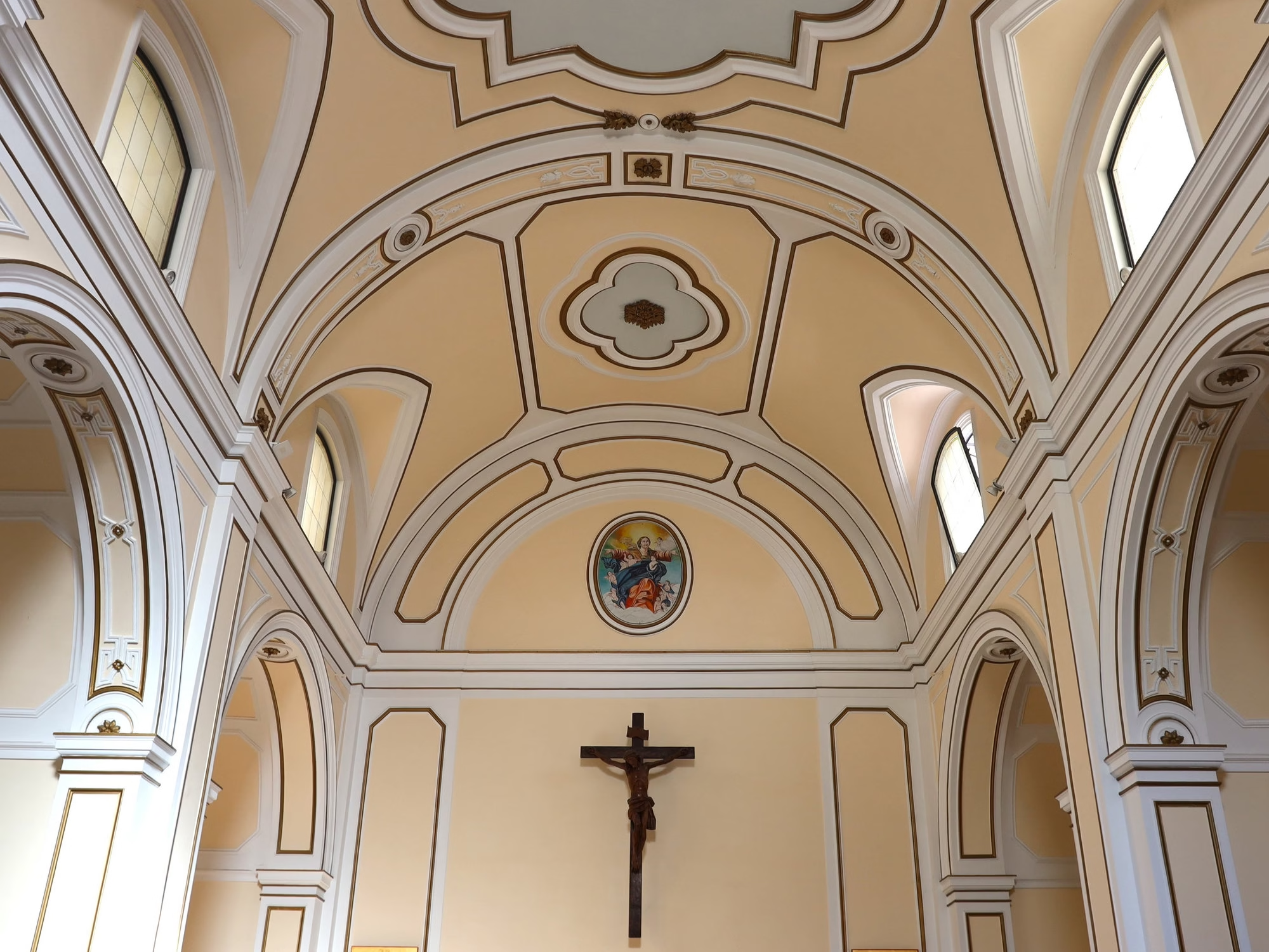
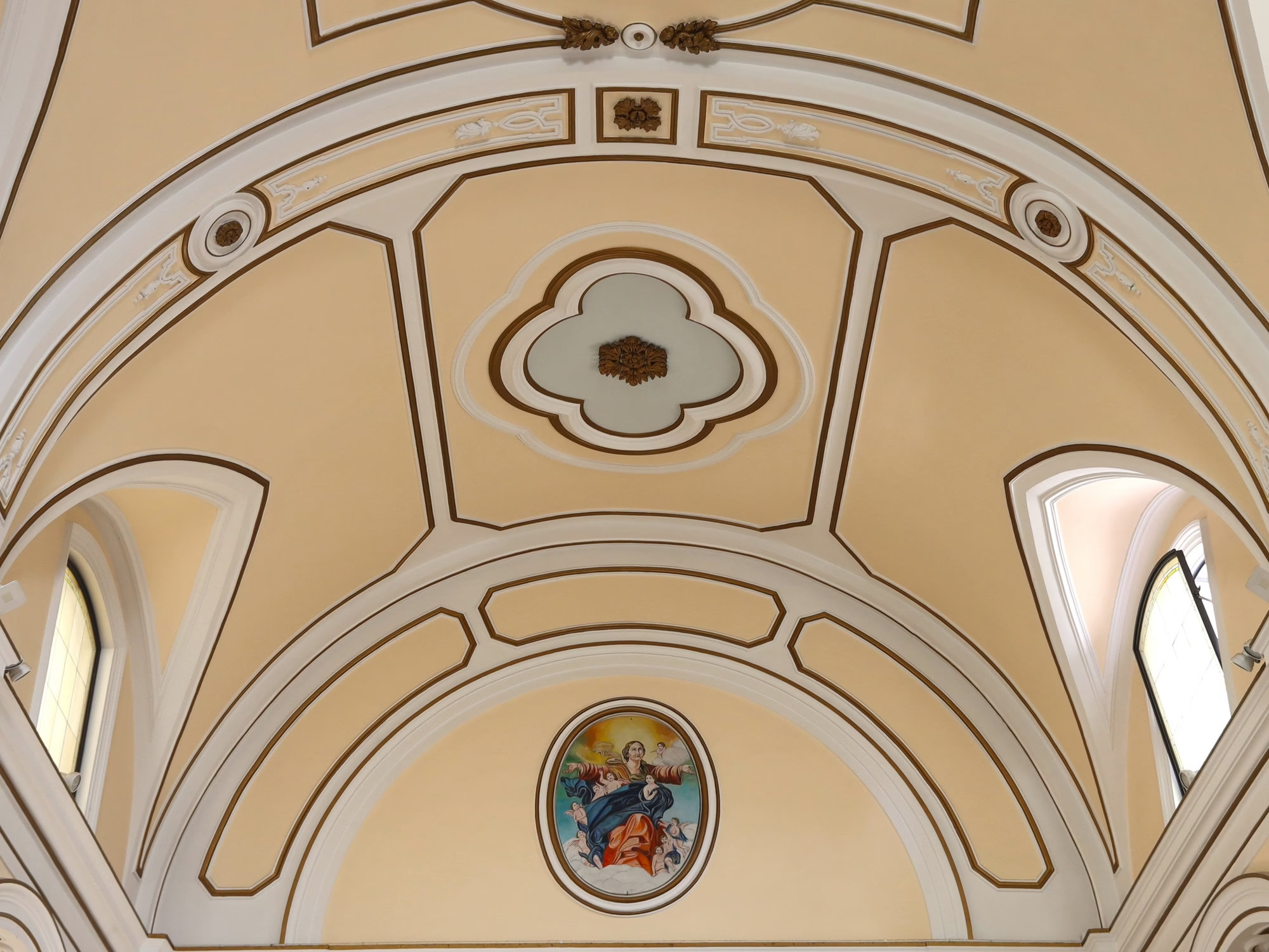
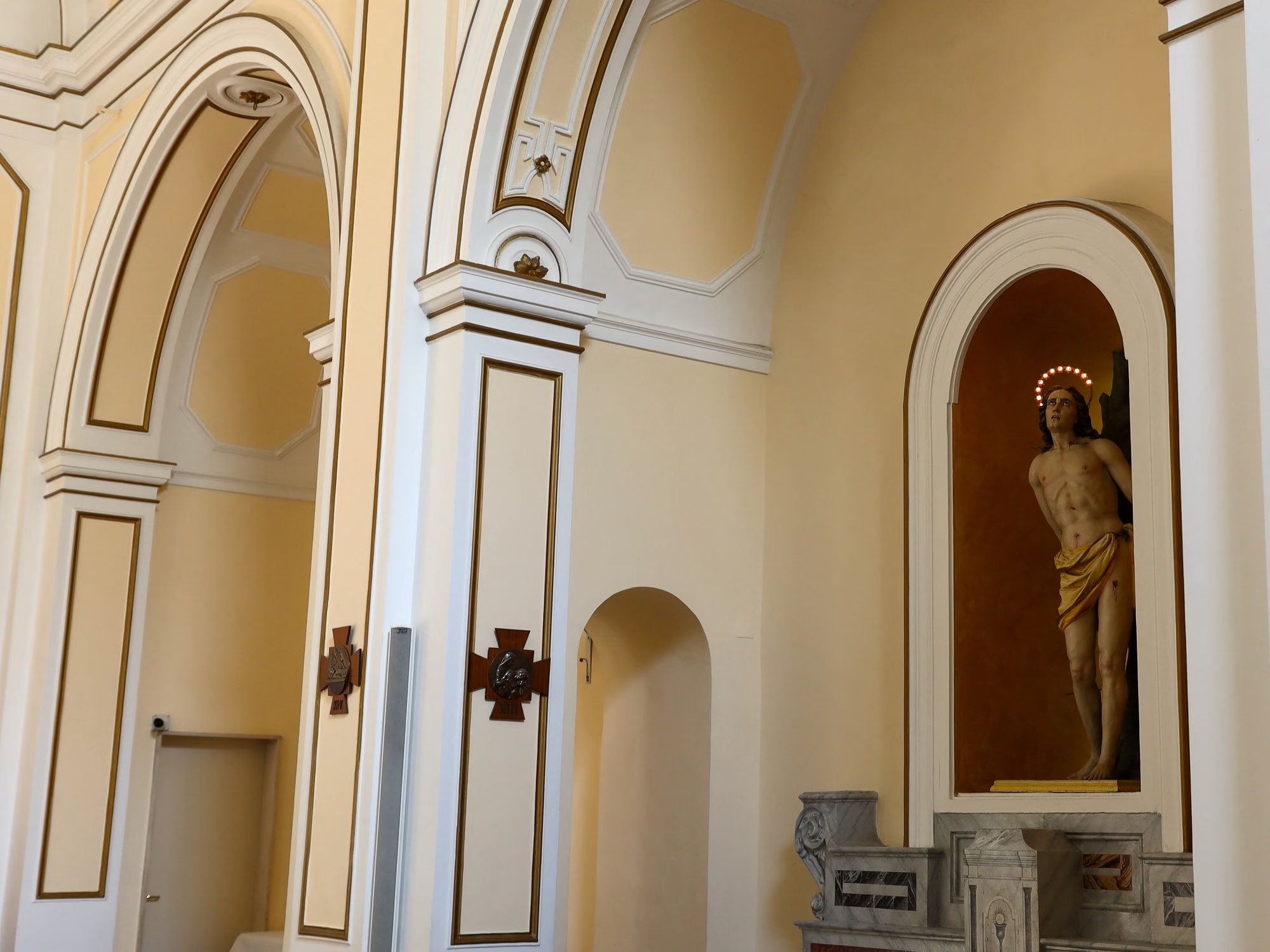
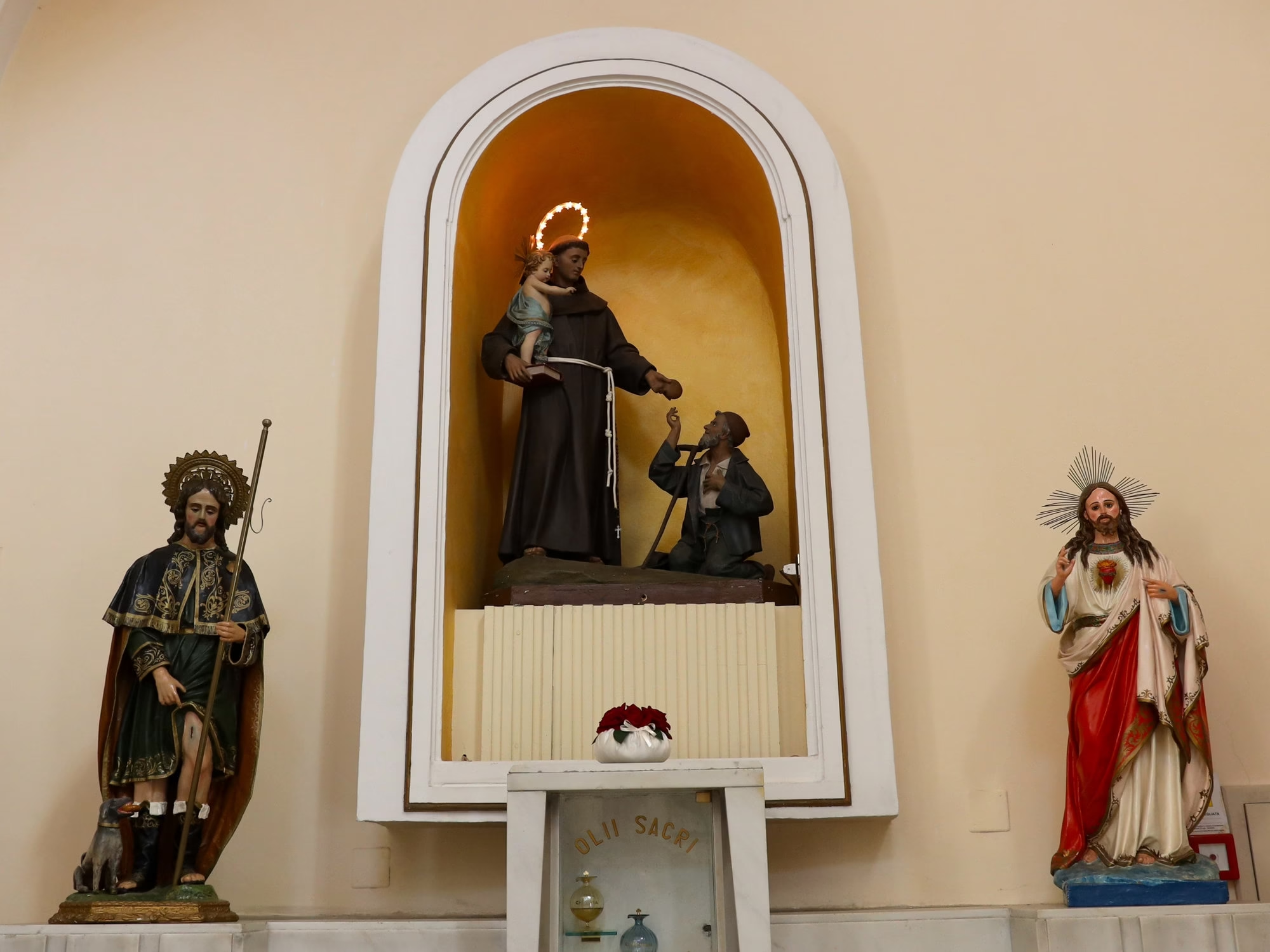
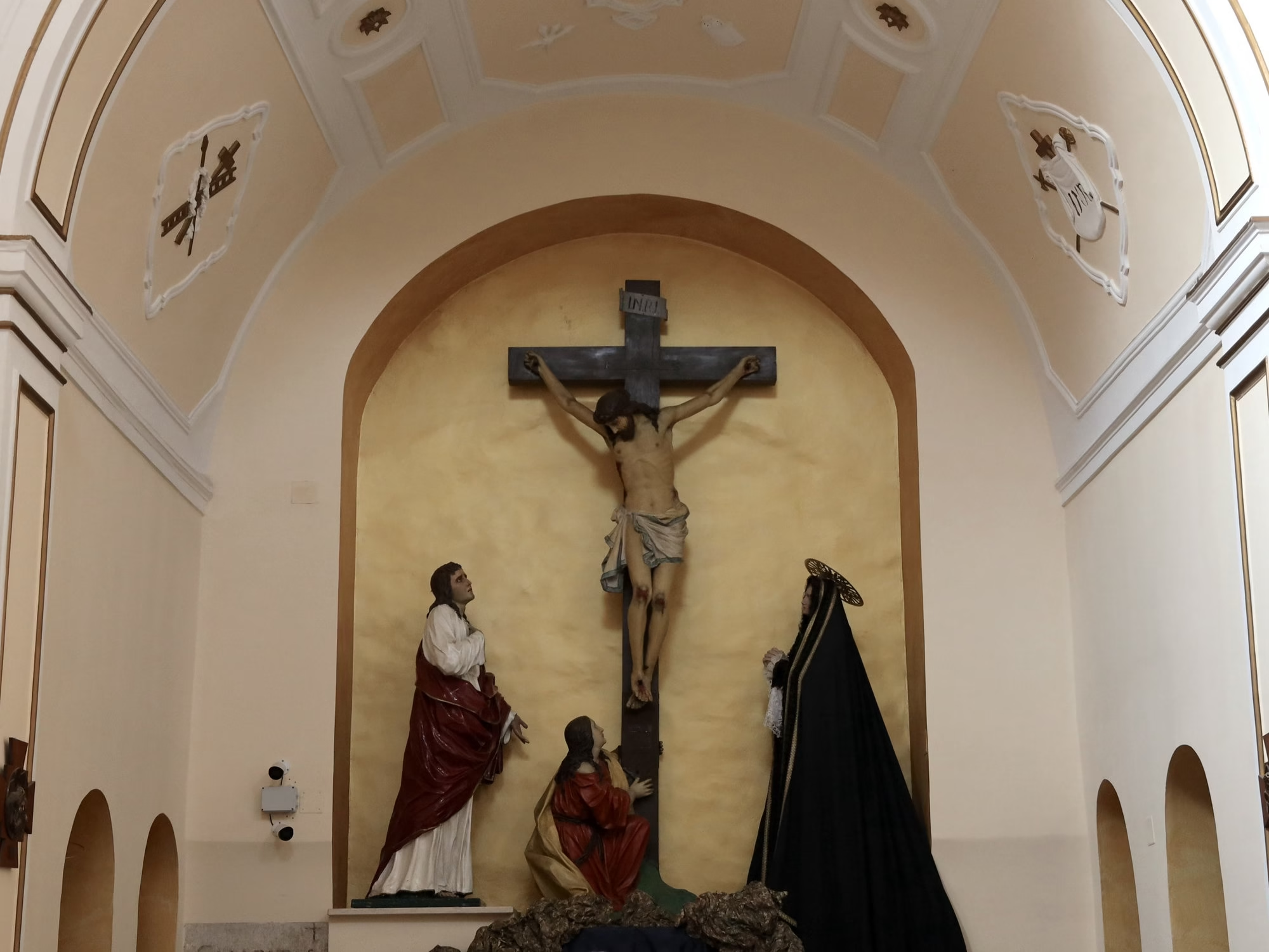
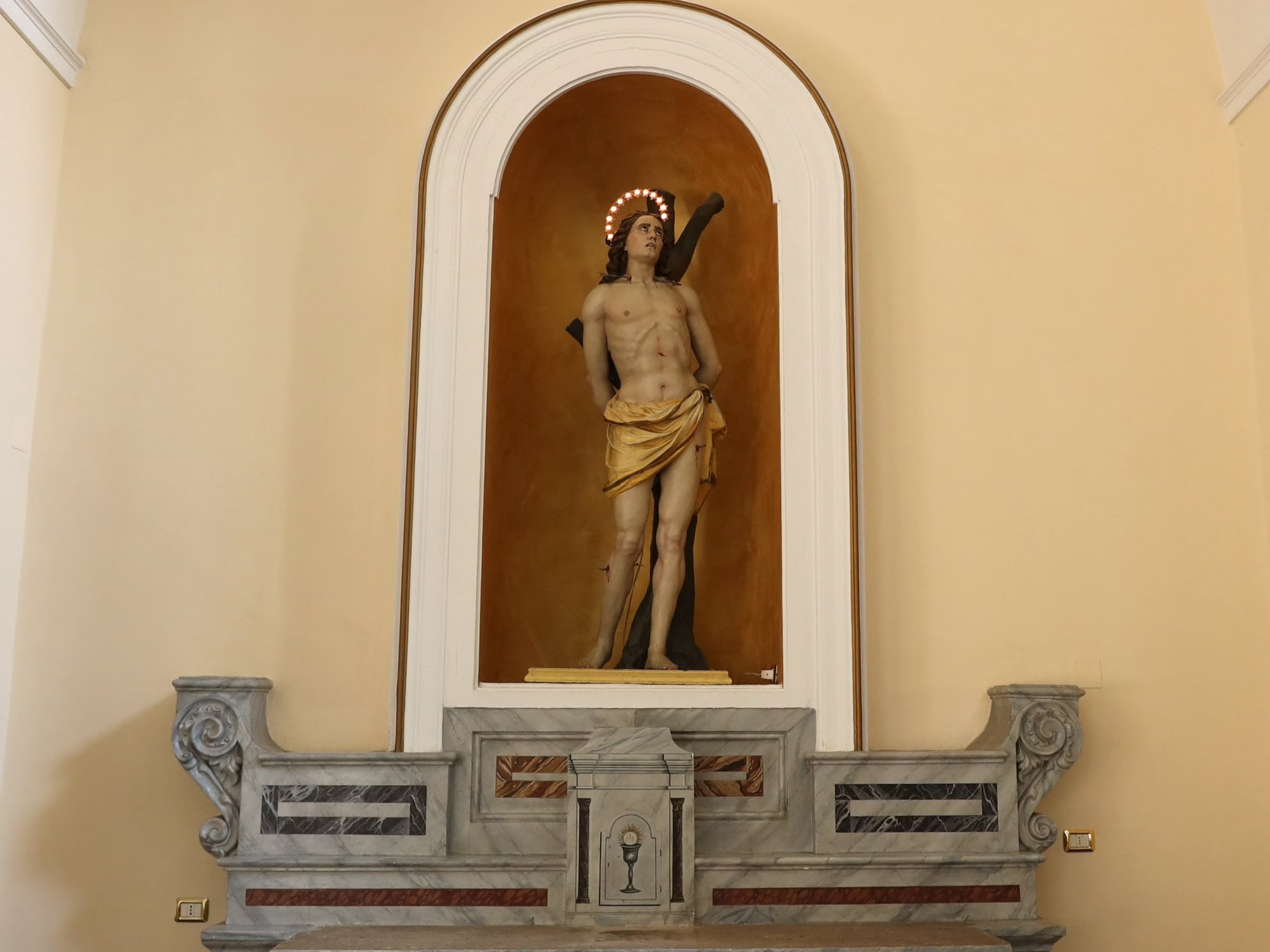
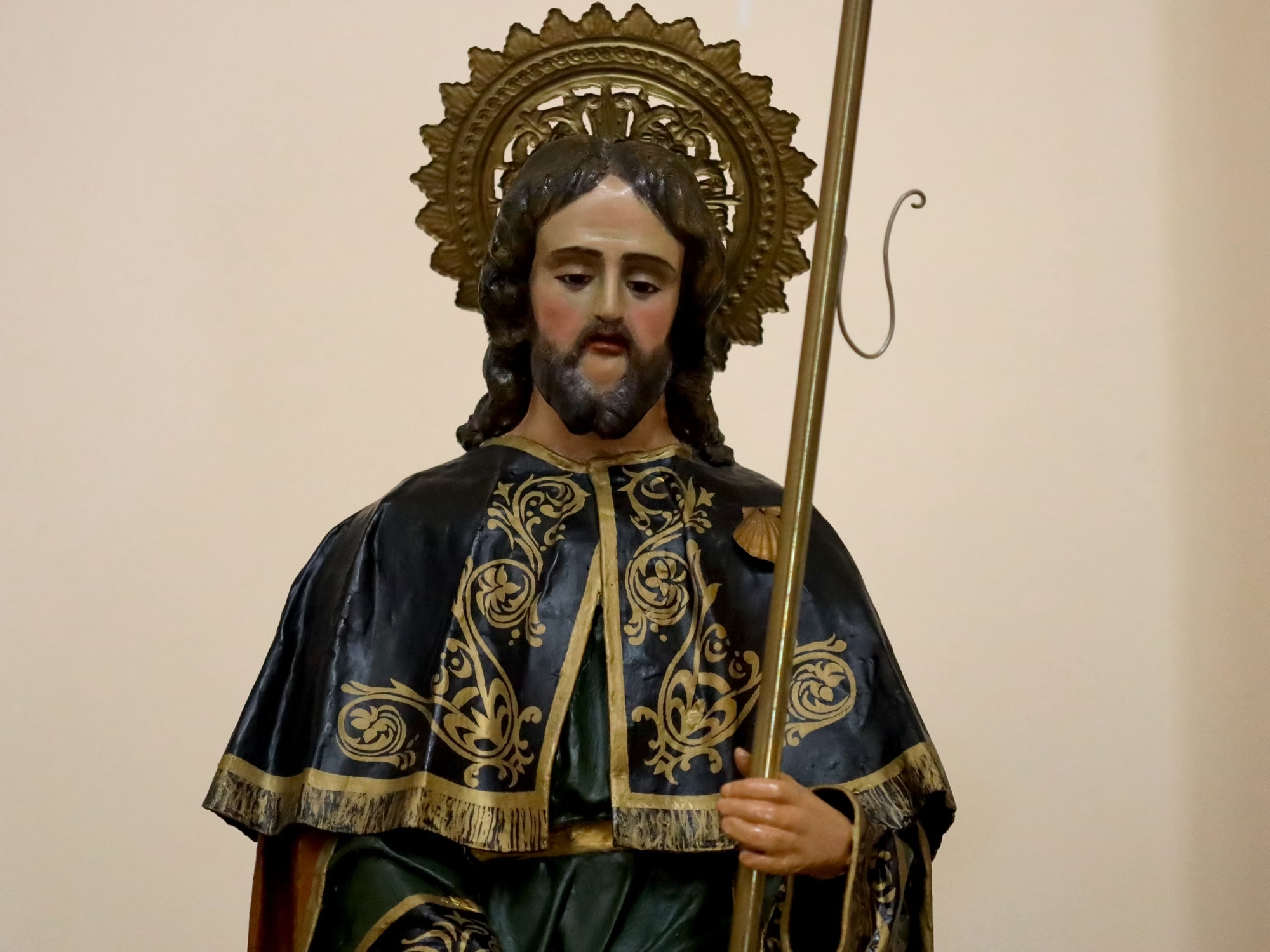
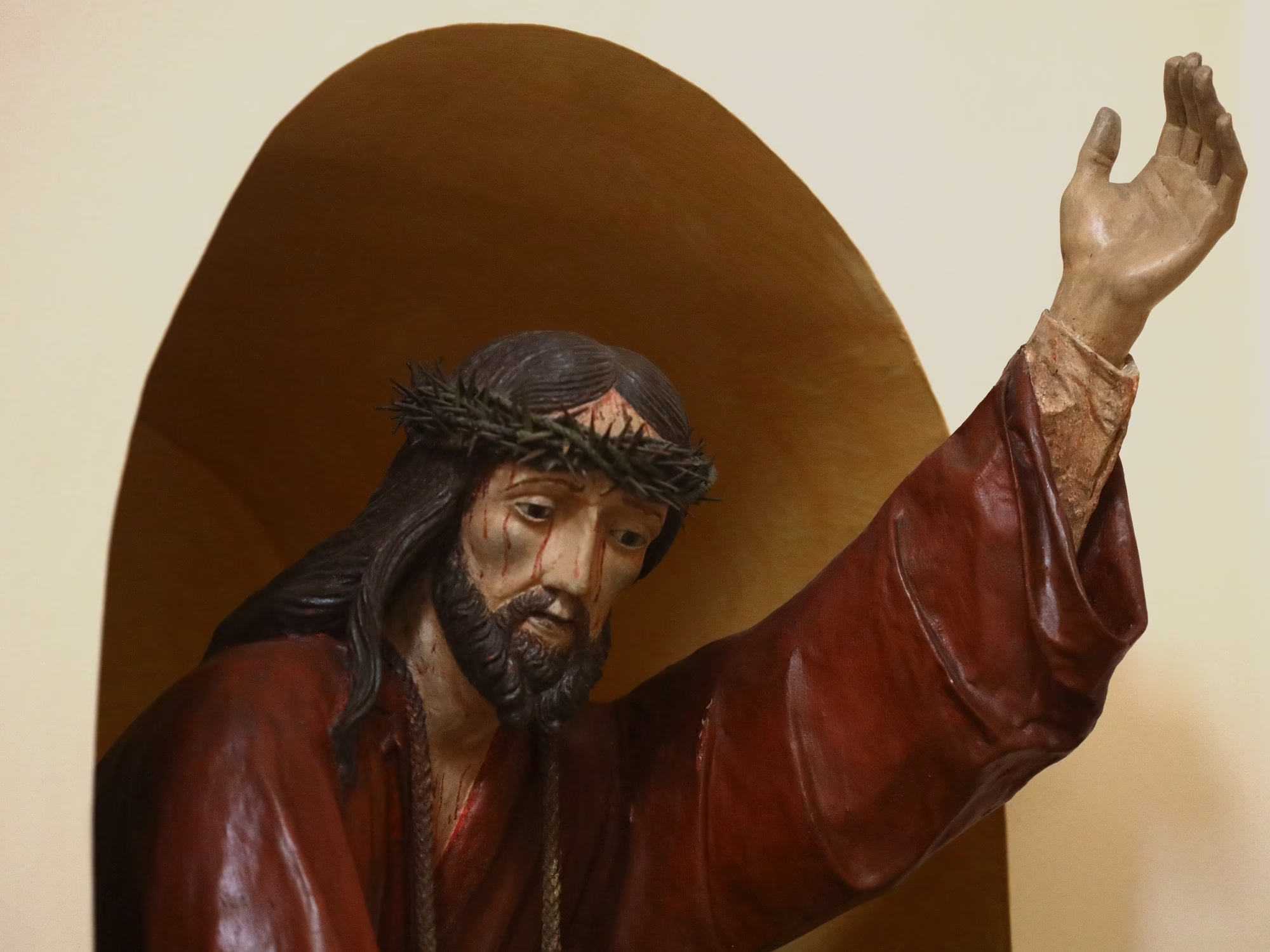
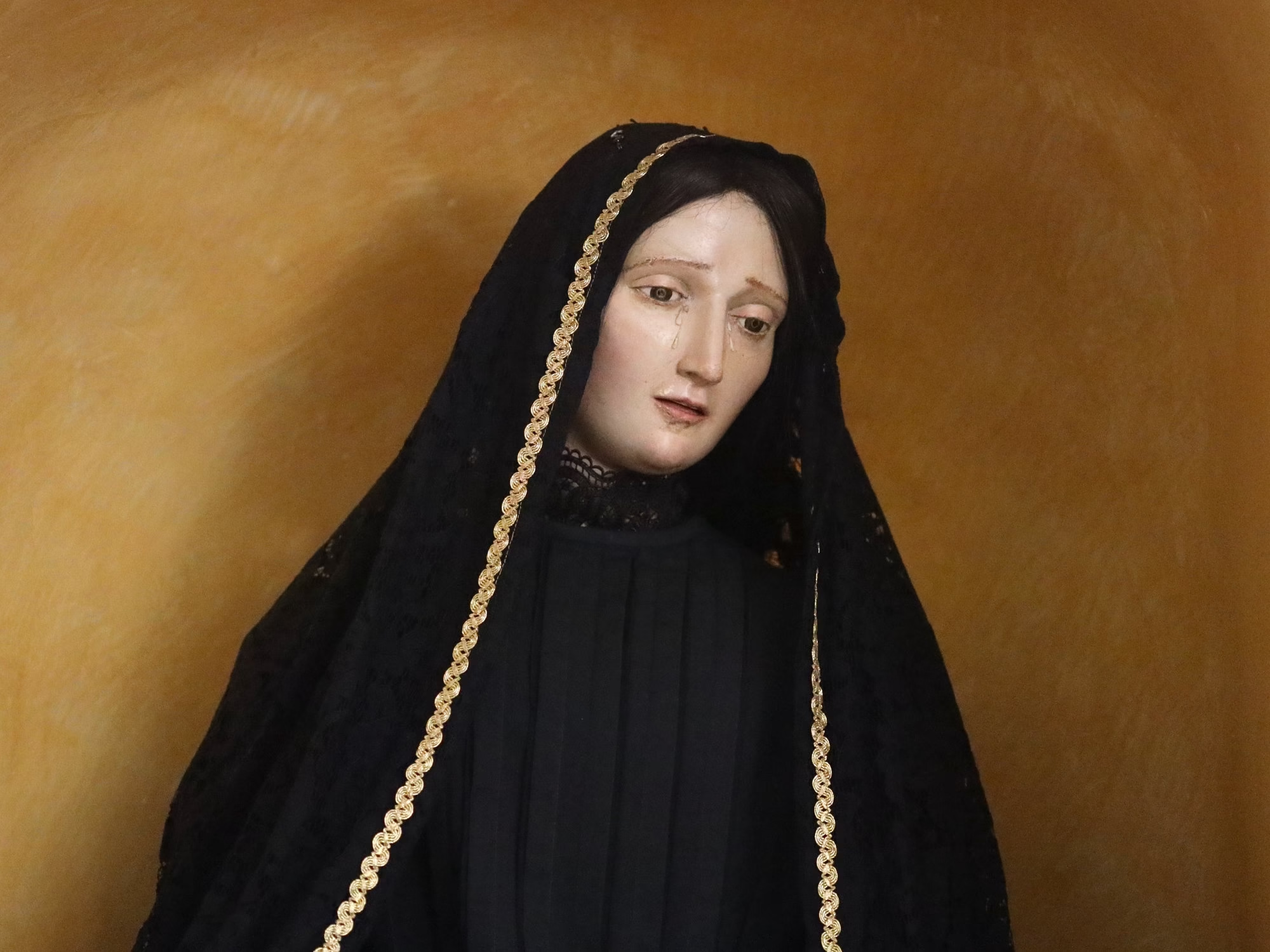
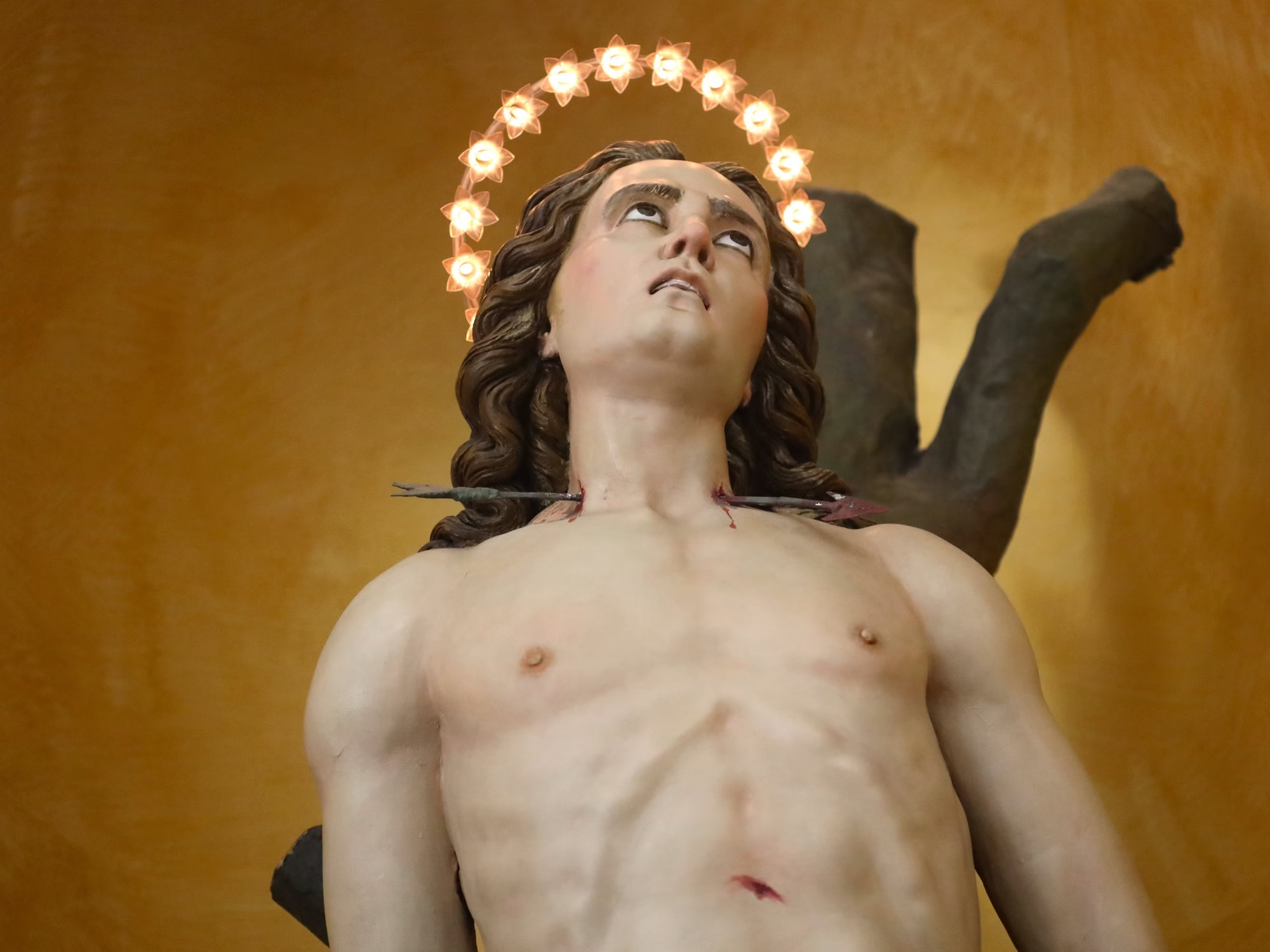
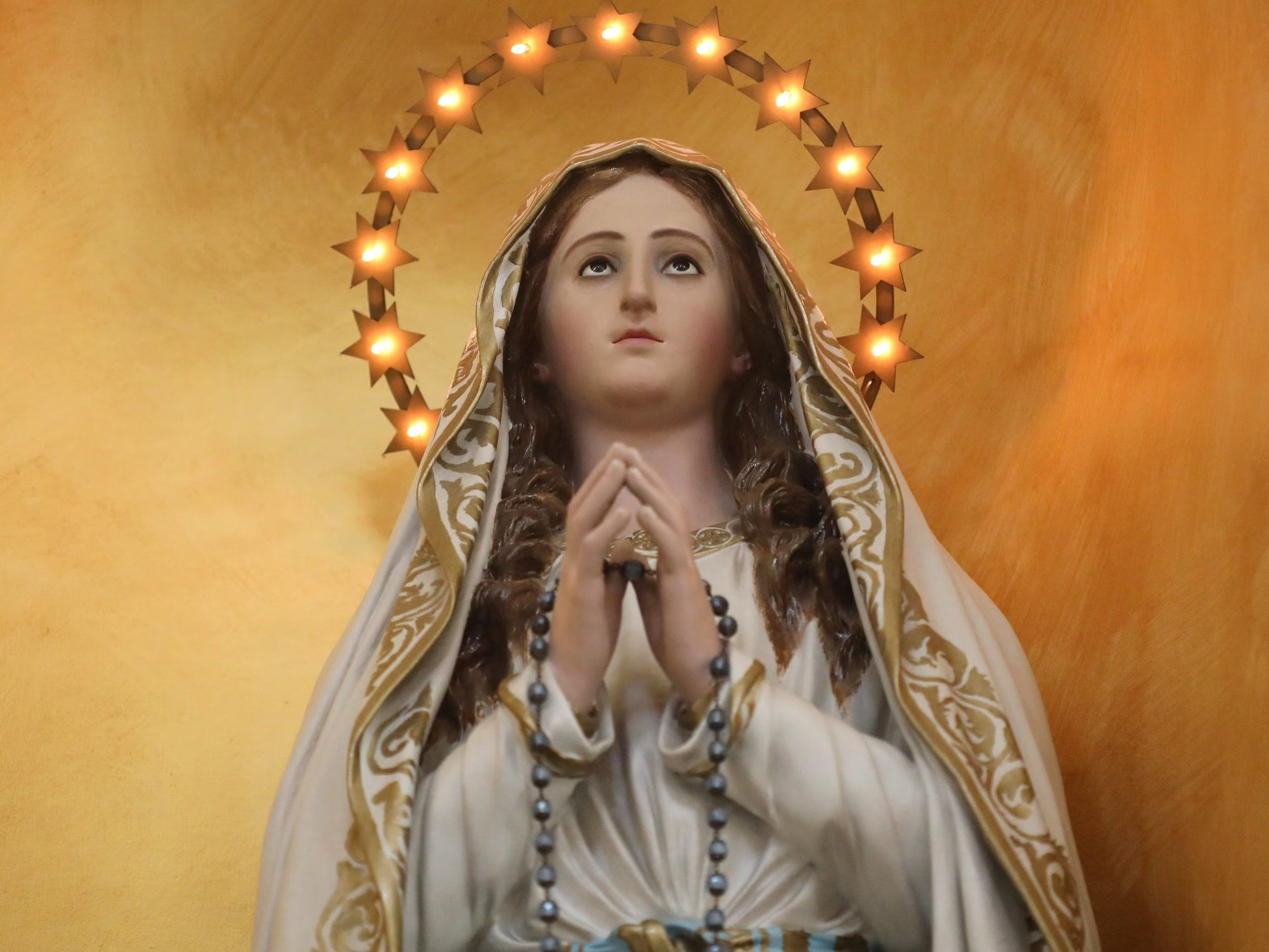
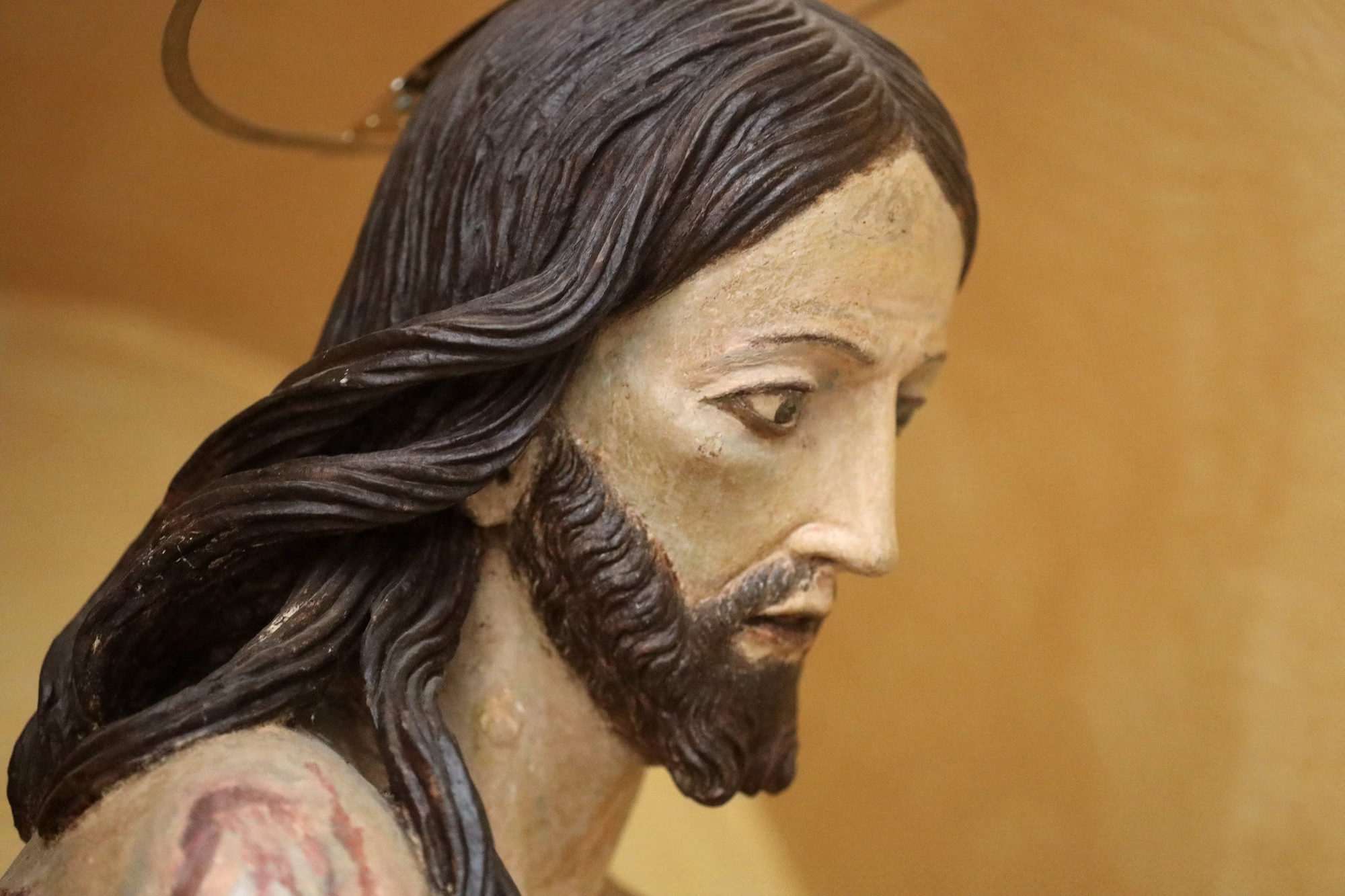
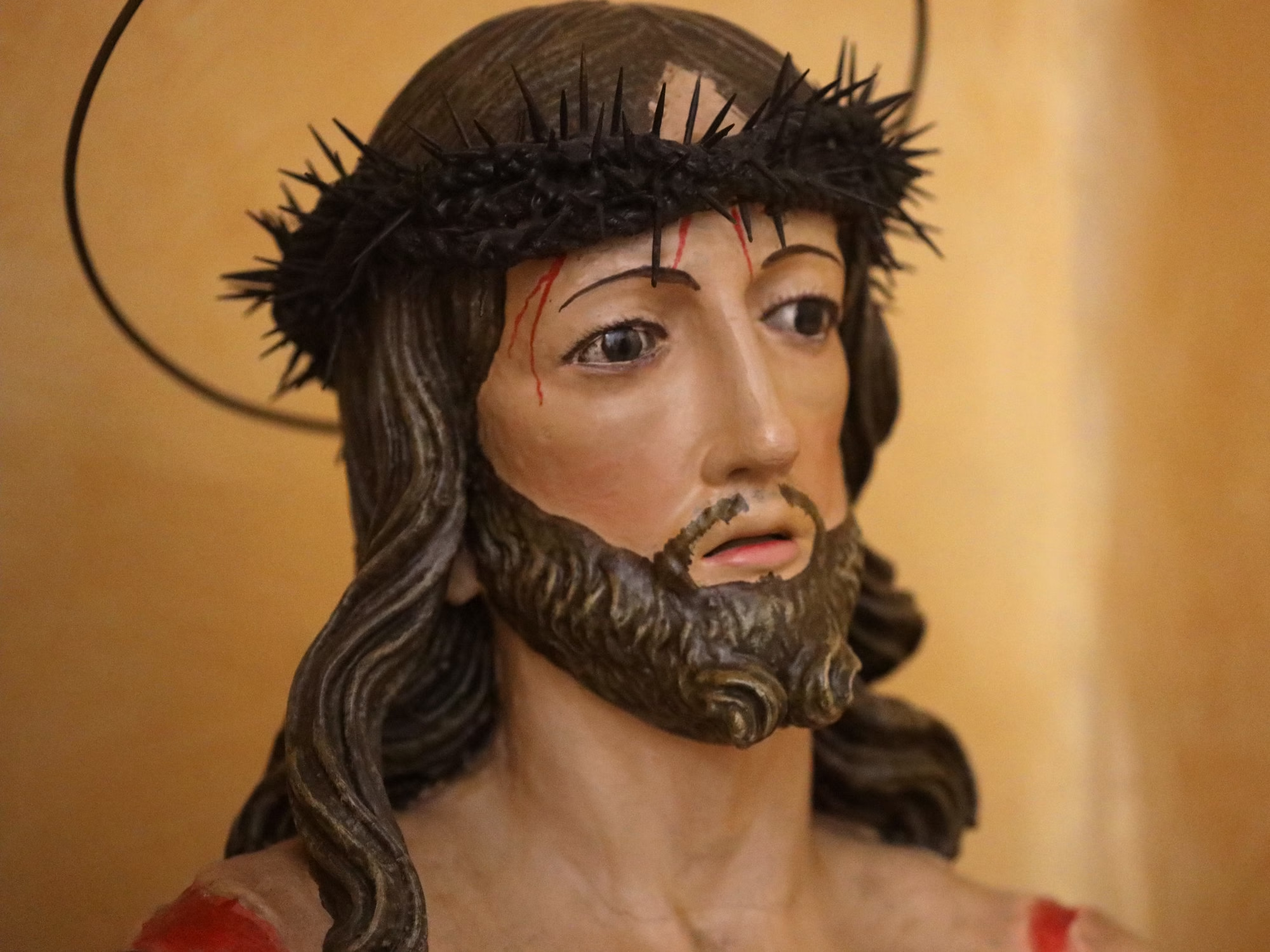
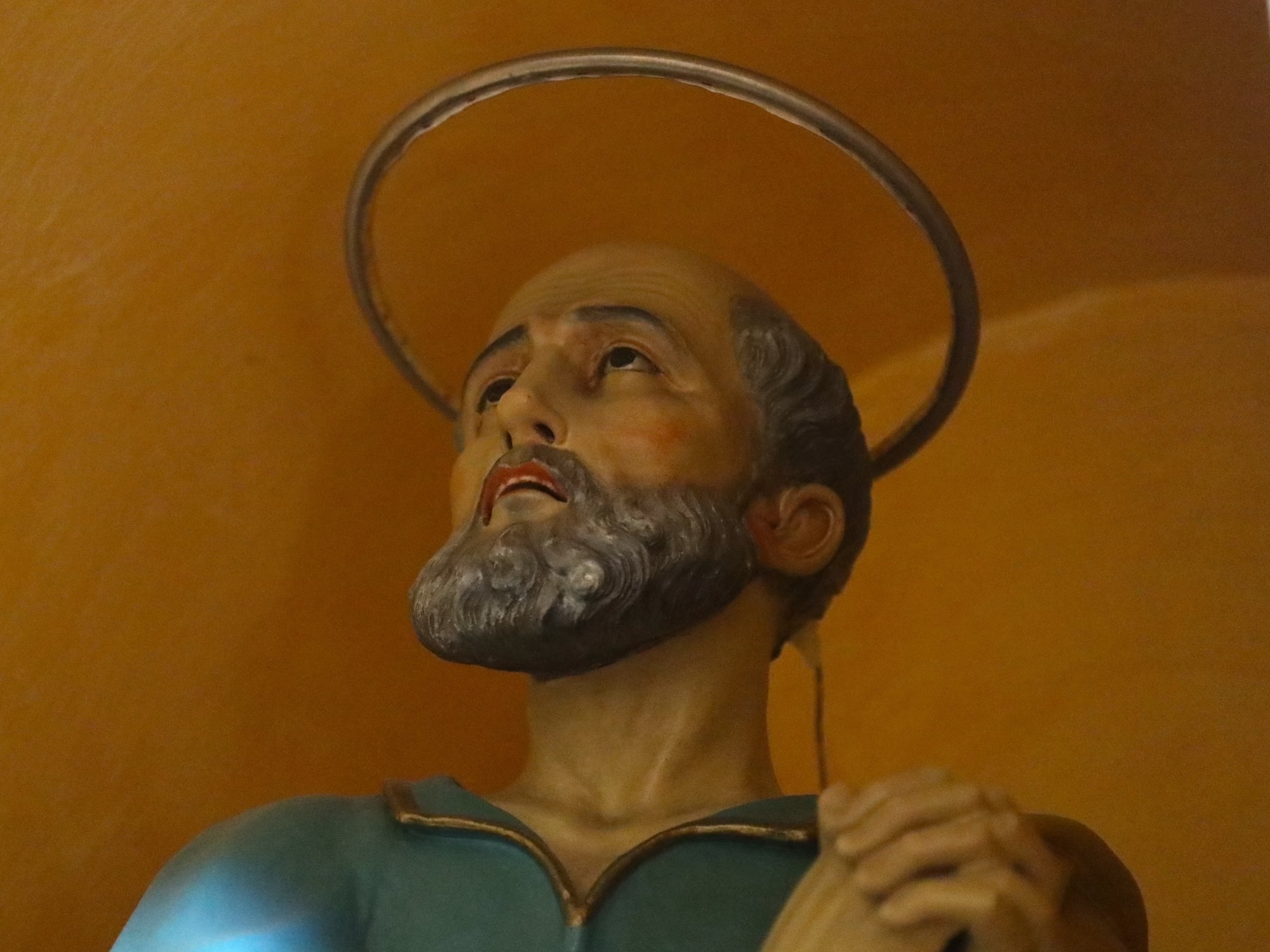
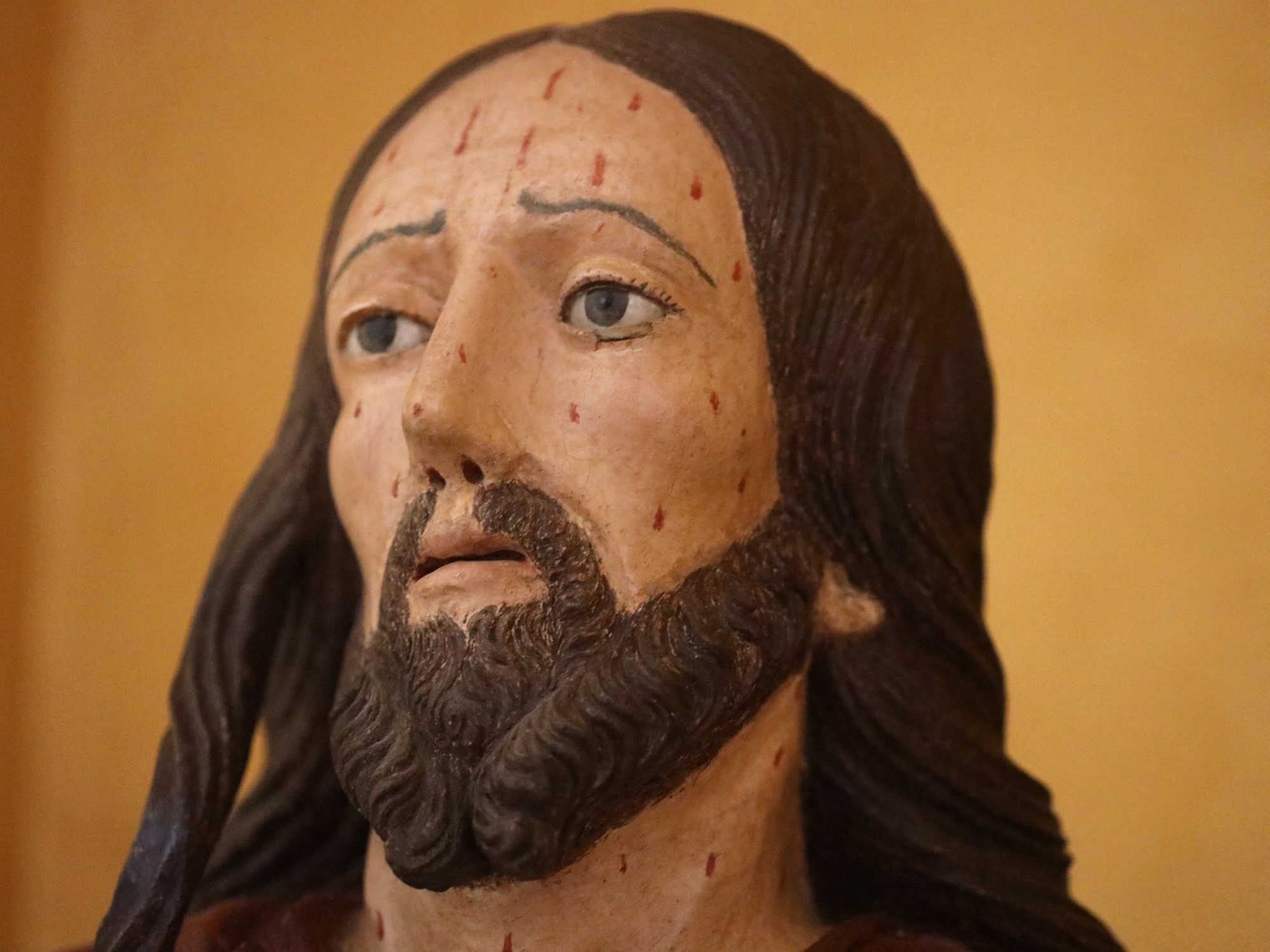
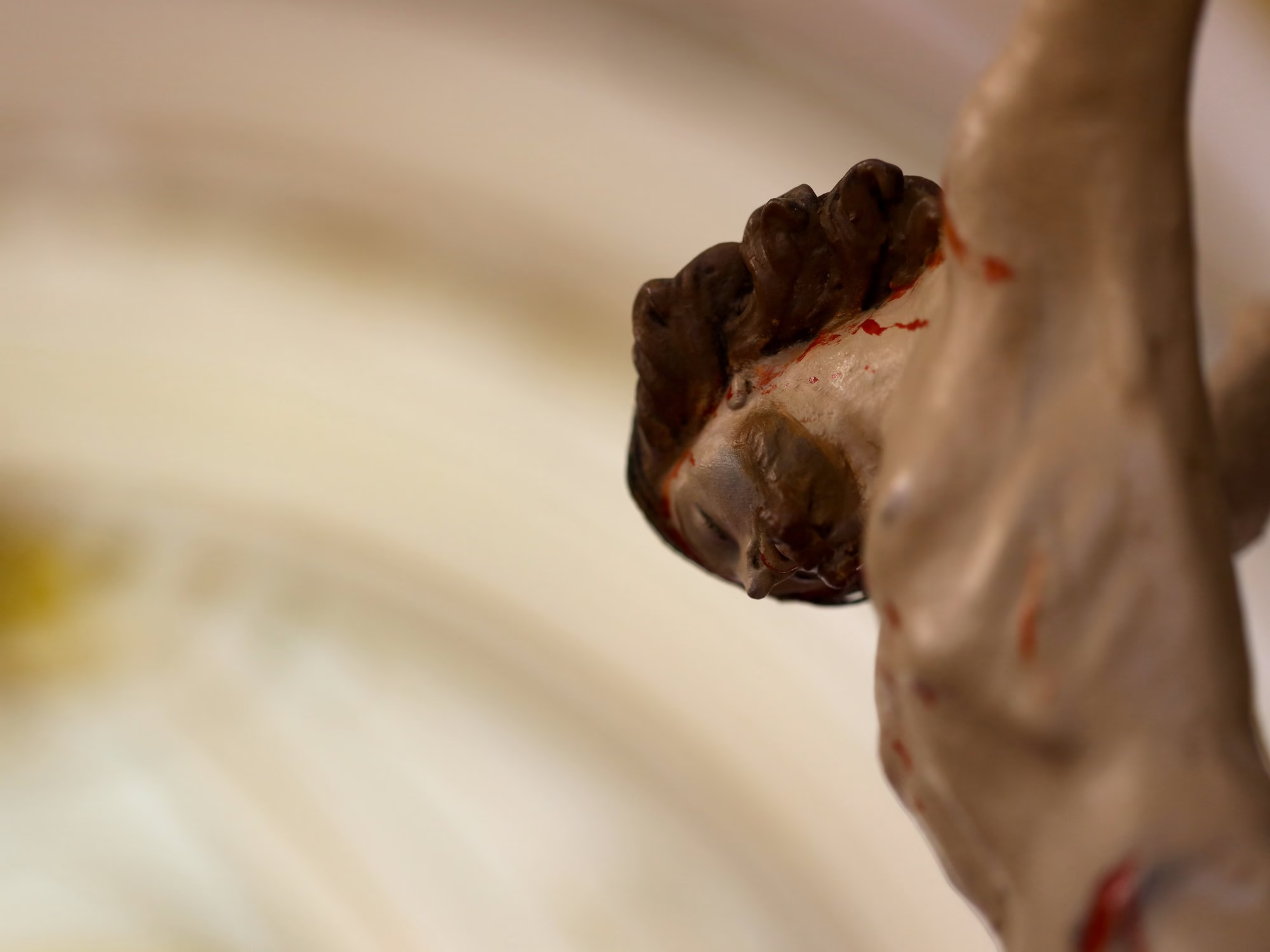
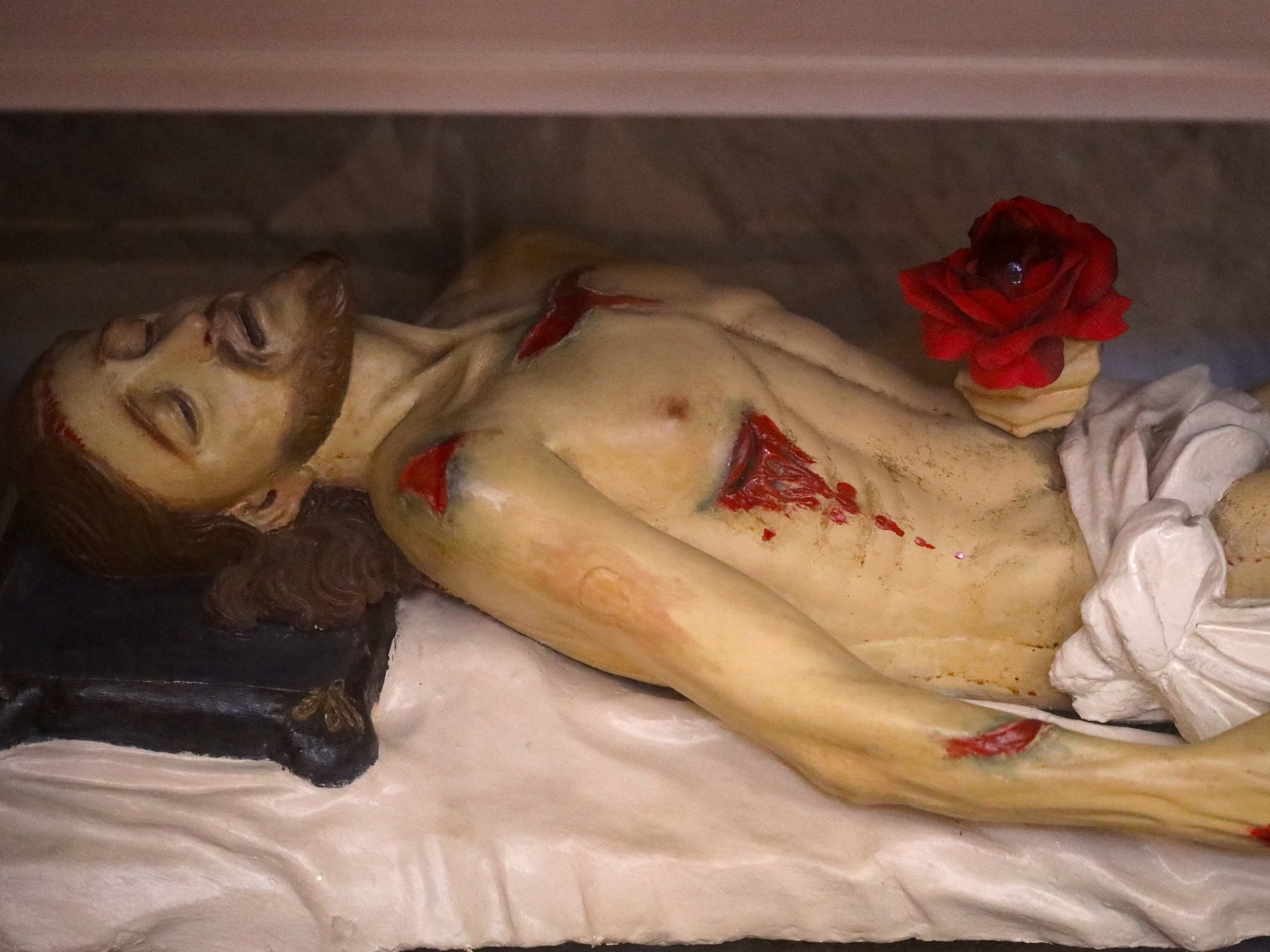
Doric columns line the walls and the side chapels have barrel vaults. In the first chapel on the right is the statue of St. Anthony of Padua, St. Lucy, and the Our Lady of Coromoto, as well as the statues carried in the procession on Good Friday: St. Veronica and Christ carrying the cross. An ancient statue of St. Sebastian is situated in the second chapel. To the left of the entrance is a chapel boasting a large cross with Our Lady of Sorrows, Mary Magdalene and St. John at its feet. In the same chapel are two recesses with wooden statues of Christ at the column and Christ sitting with a cane. Next to this, Riccardo Brudaglio’s statue of St. Peter with the rooster and the papier-mâché statue of Jesus in the garden of Gethsemane. The next chapel along contains the Our Lady of Lourdes. Next to the main altar is Our Lady of the Assumption, dressed in white and blue. In the transept, two large paintings stand out: one depicts The Assumption by Andrea Miglionico, and the other depicts the Birth of the Virgin. Two other paintings either side of the altar illustrate the Annunciation and the Visitation. The Chiesa dell’Assunta is a simple church but it is rich in history and art and profoundly rooted in the popular devotion of Palo del Colle.