
CAPUCHIN CHURCH AND MONASTERY
Cent. 16th
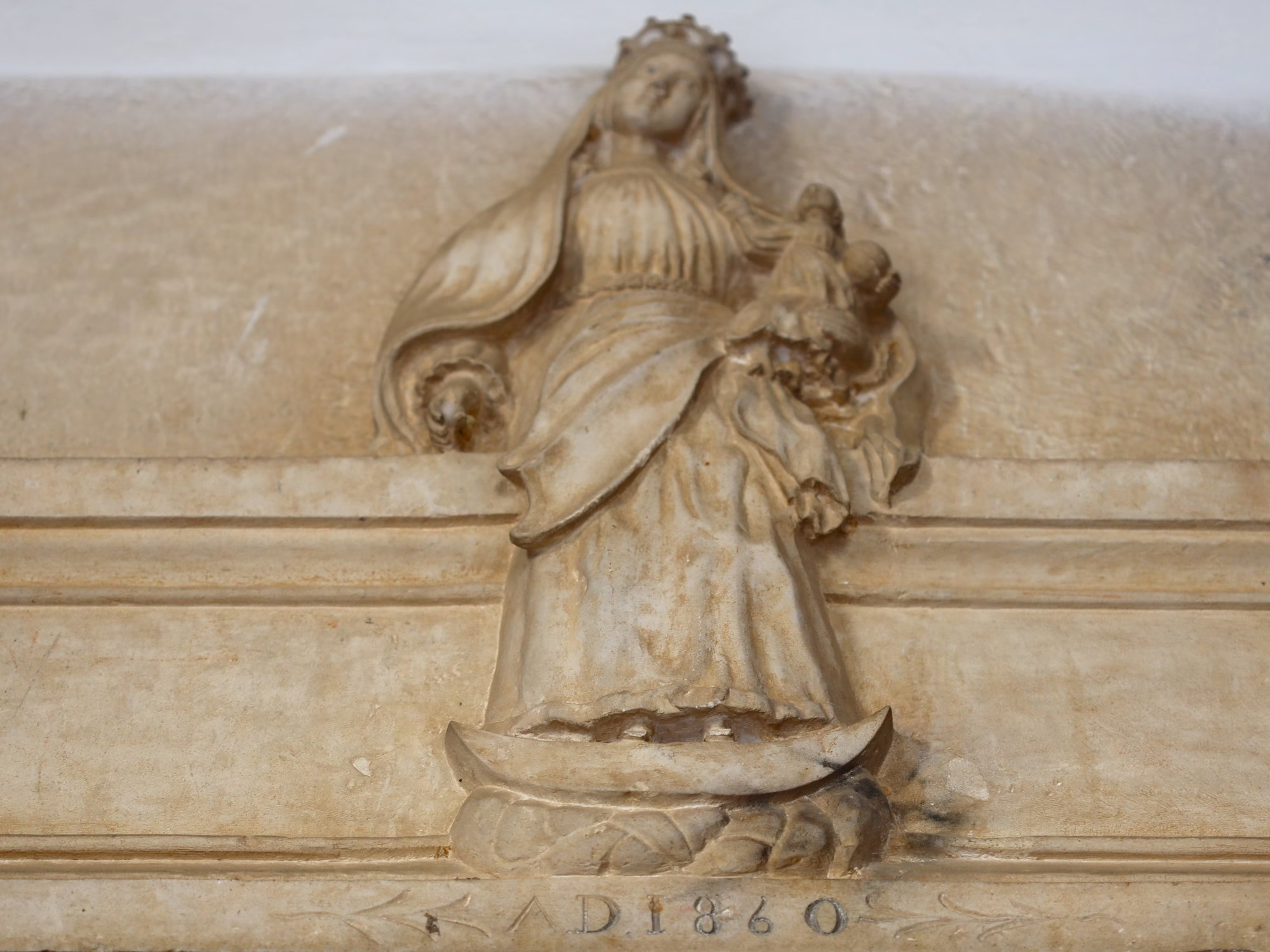
There is an ancient tale within the walls of the former Capuchin monastery in Palo del Colle. The monks arrived in the town at the end of the 16th century and spread the spirit of St. Francis: poverty, humility and obedience. In 1594, with the funds of the Roman priest Don Vitantonio Attoma and with the consent of the religious authorities and the town’s Lord, the first stone was laid for the construction of the monastery. The town council of Palo began to pay an annual subsidy that year, and the congregations of the churches of the Holy Sacrament and Purgatory also lent their support to the religious and educational activities of the Capuchin monks. The church was built next to the monastery with a central nave and a side nave with communicating chapels, barrel vaults and rib vaults in the capuchin style. On the façade, to which a portico was later added, are reliefs depicting the Virgin Mary with Child between St. Francis and St. Clare. Behind the façade stands a small bell tower with broad single-mullioned windows on four sides and a pyramidal spire. In the second half of the 18th century, the interior was enhanced with altars, paintings and stucco decorations.
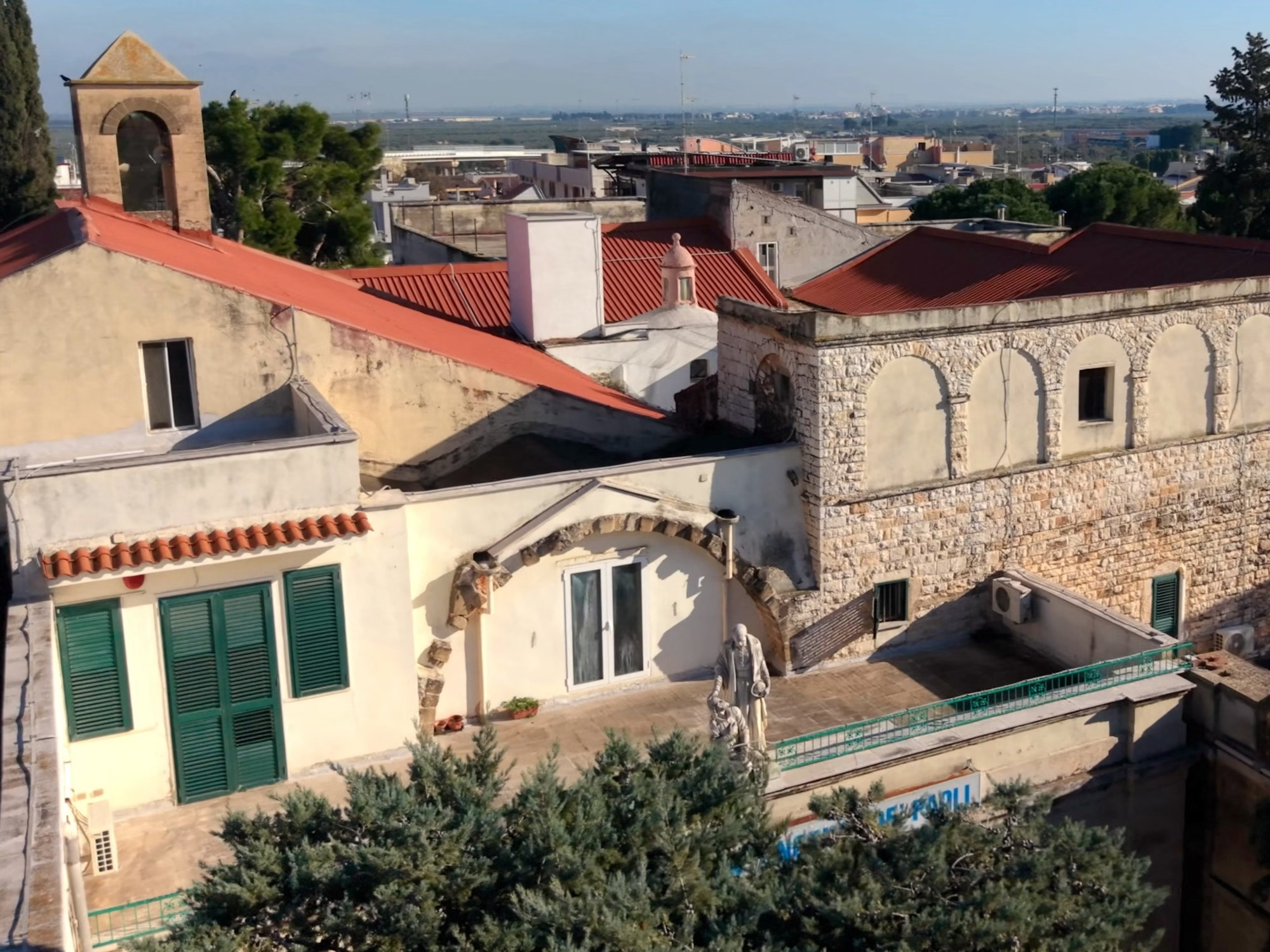
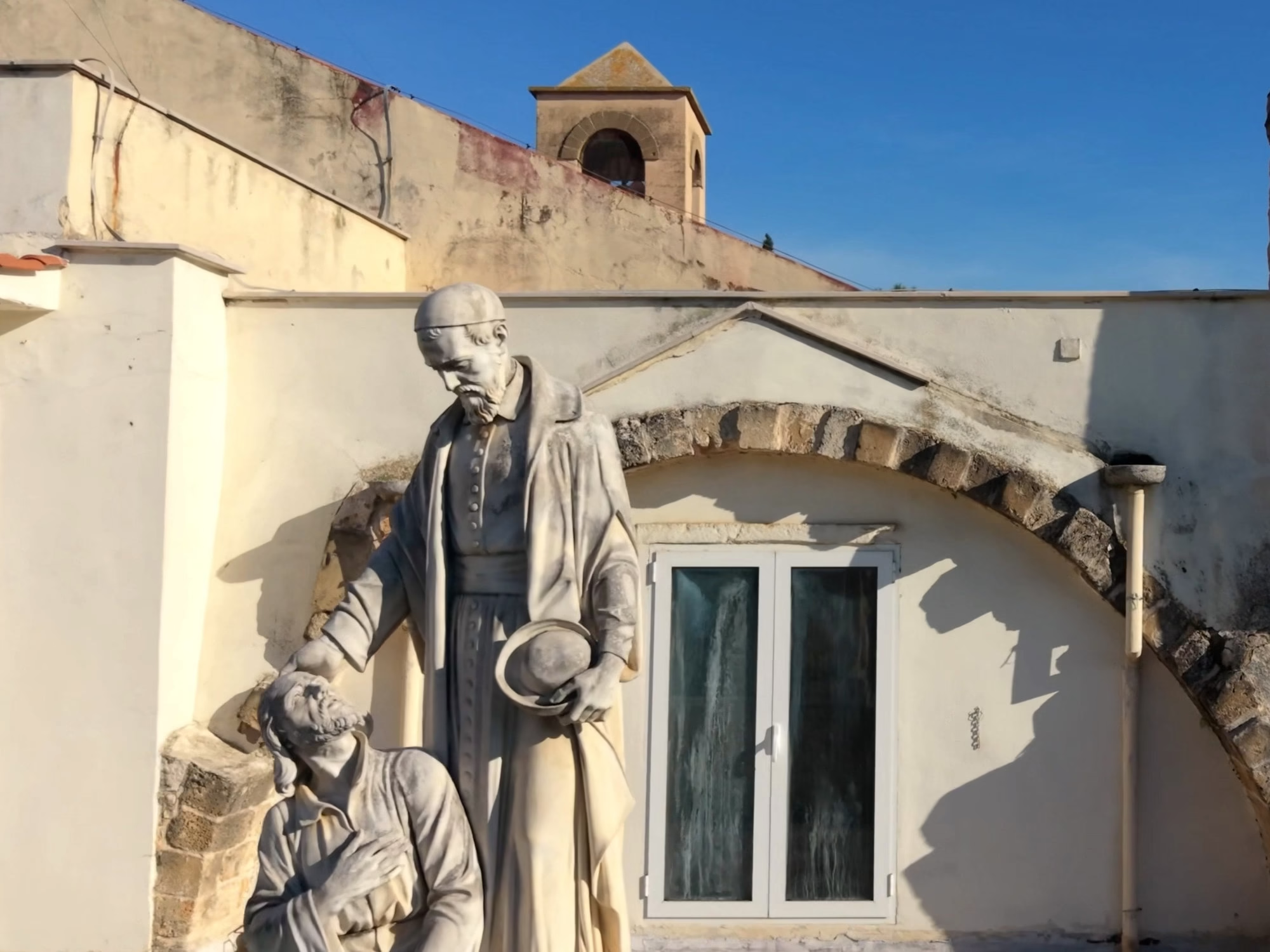
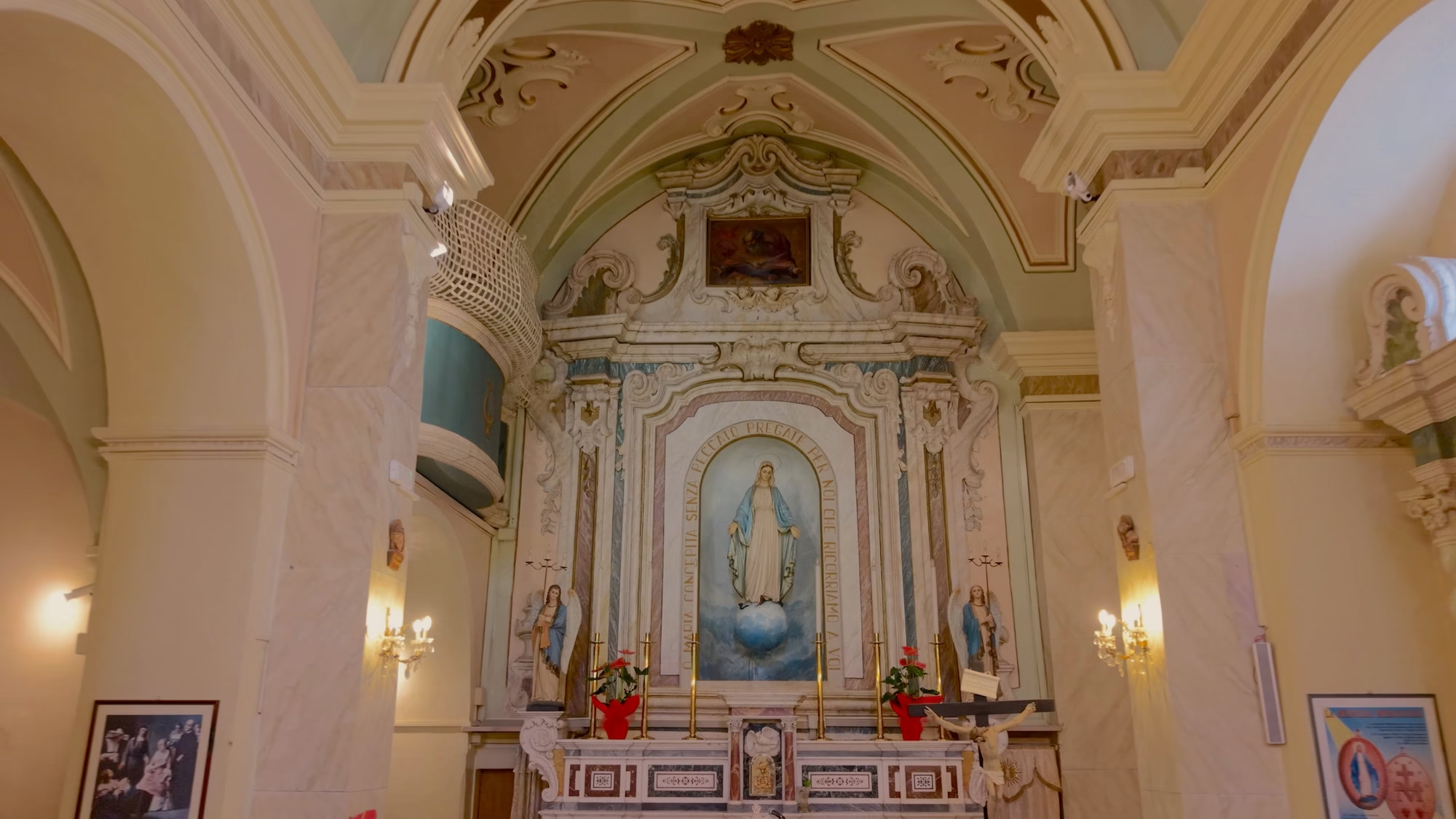
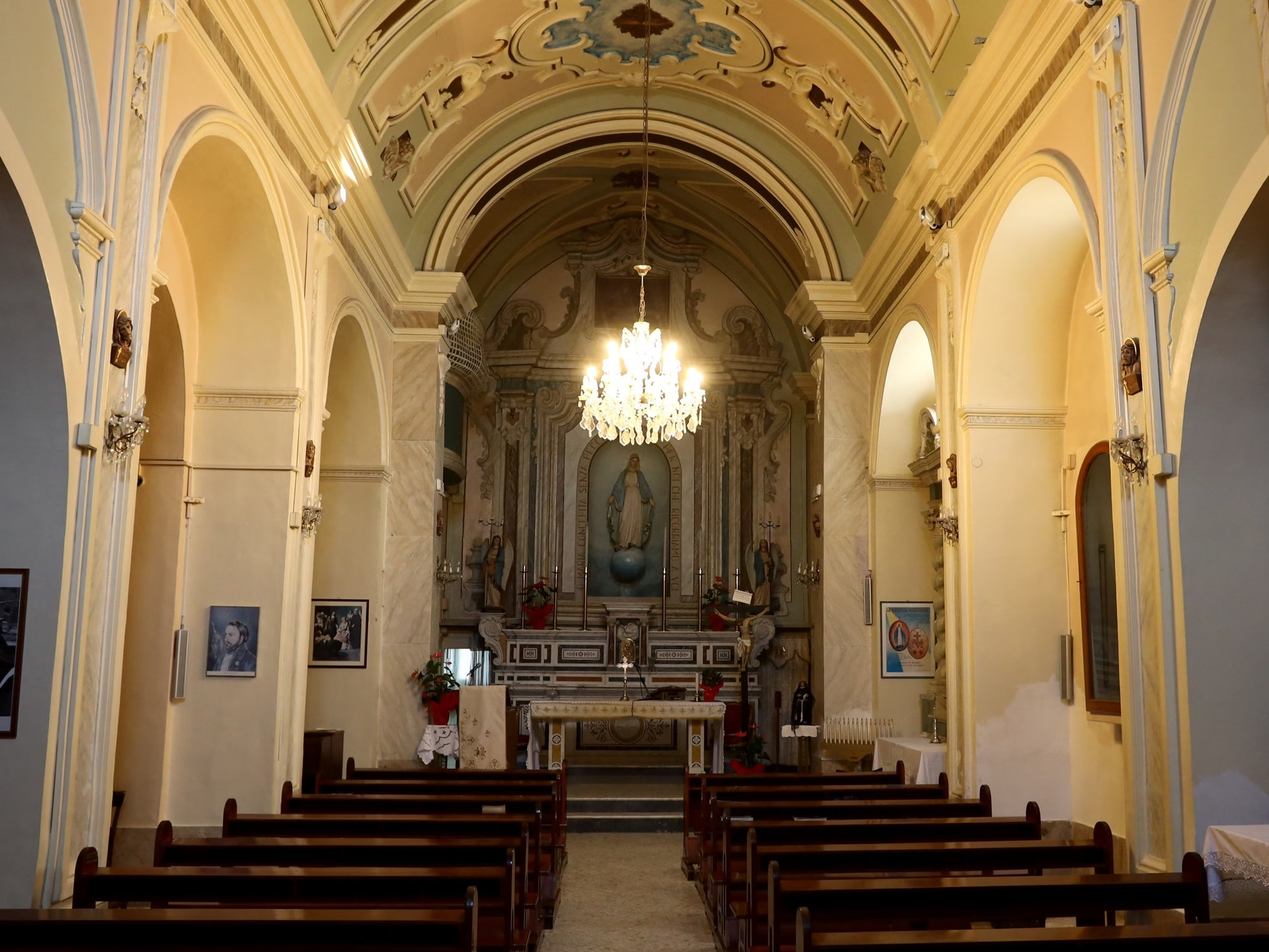
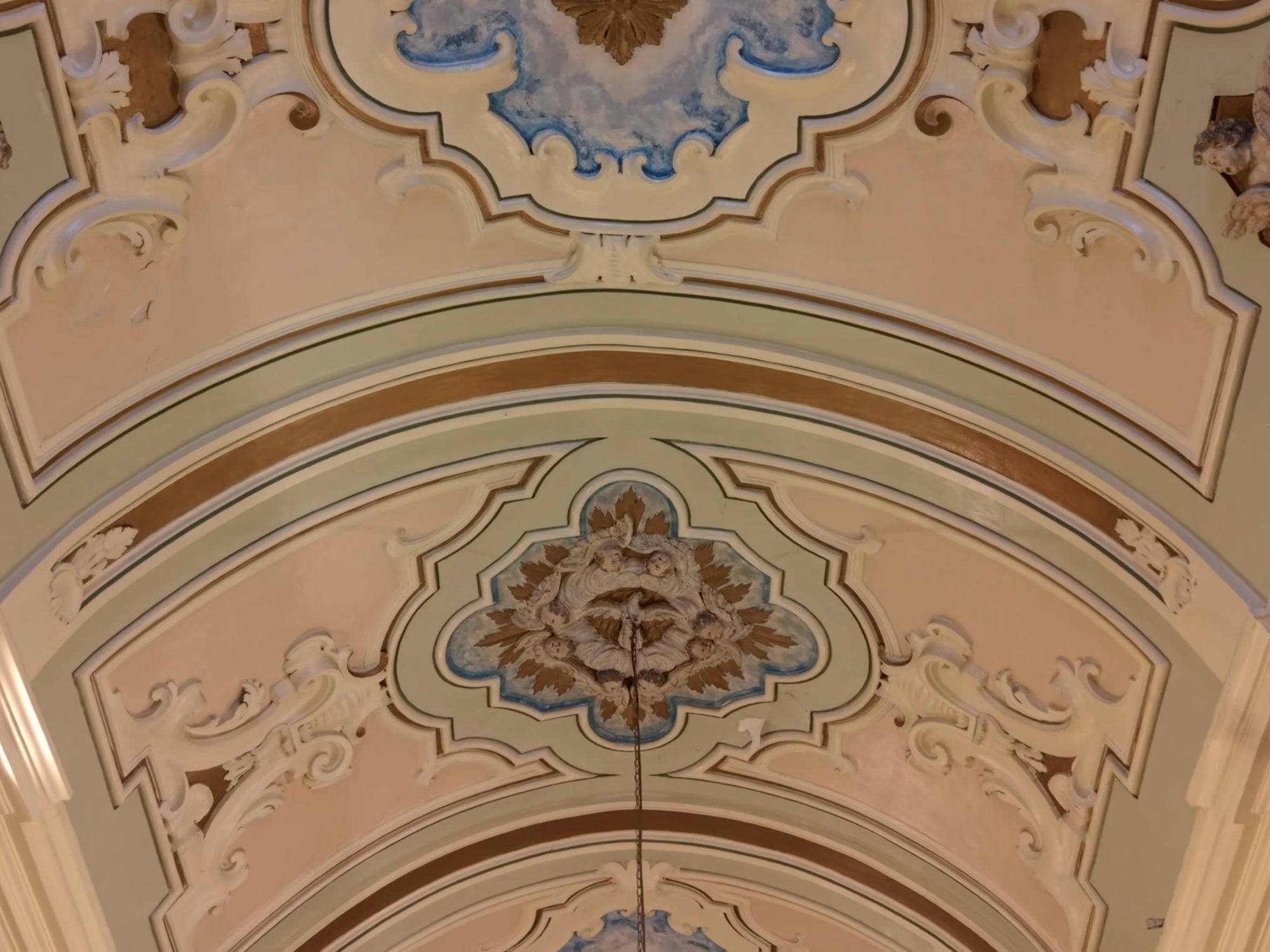
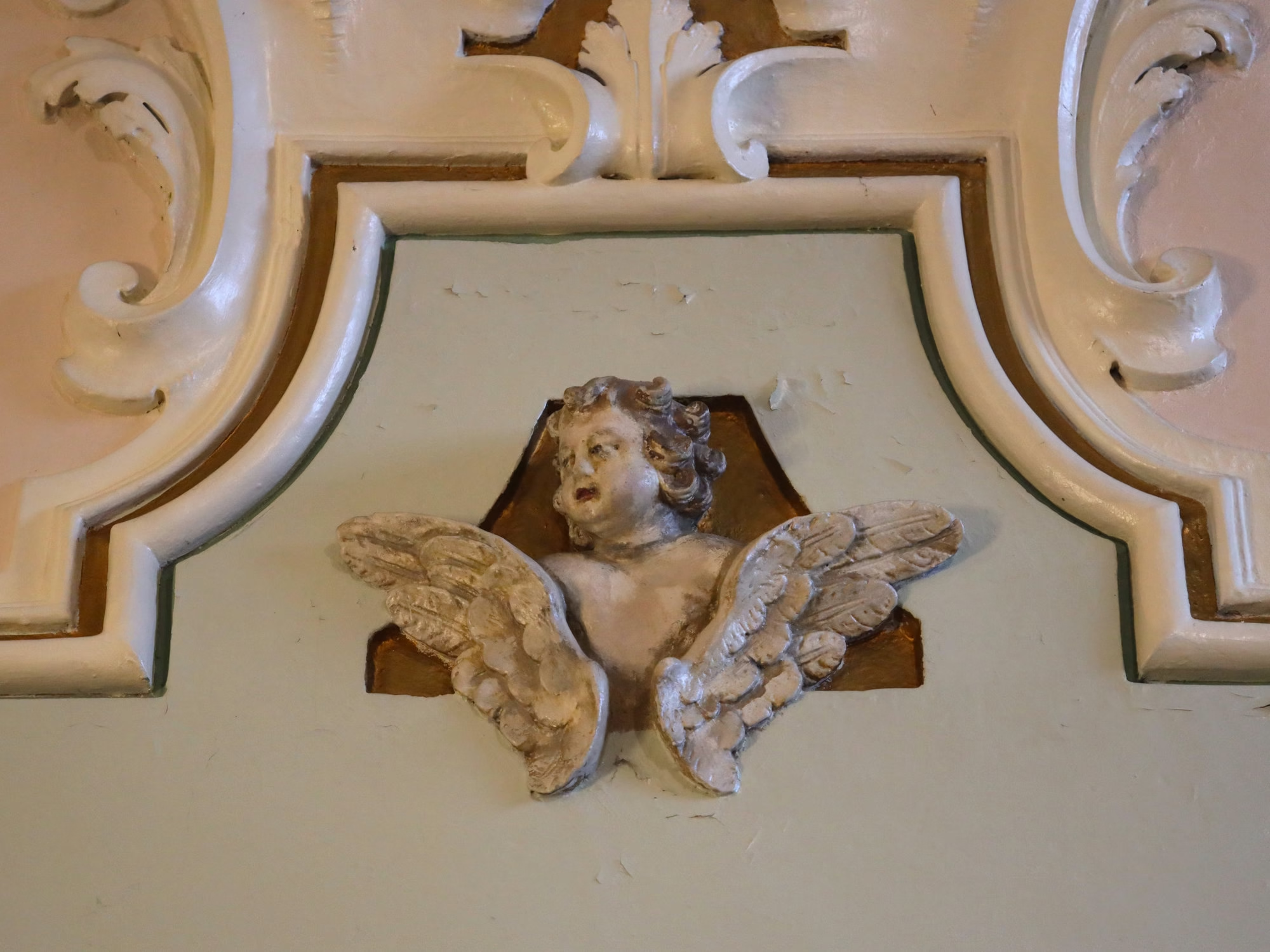
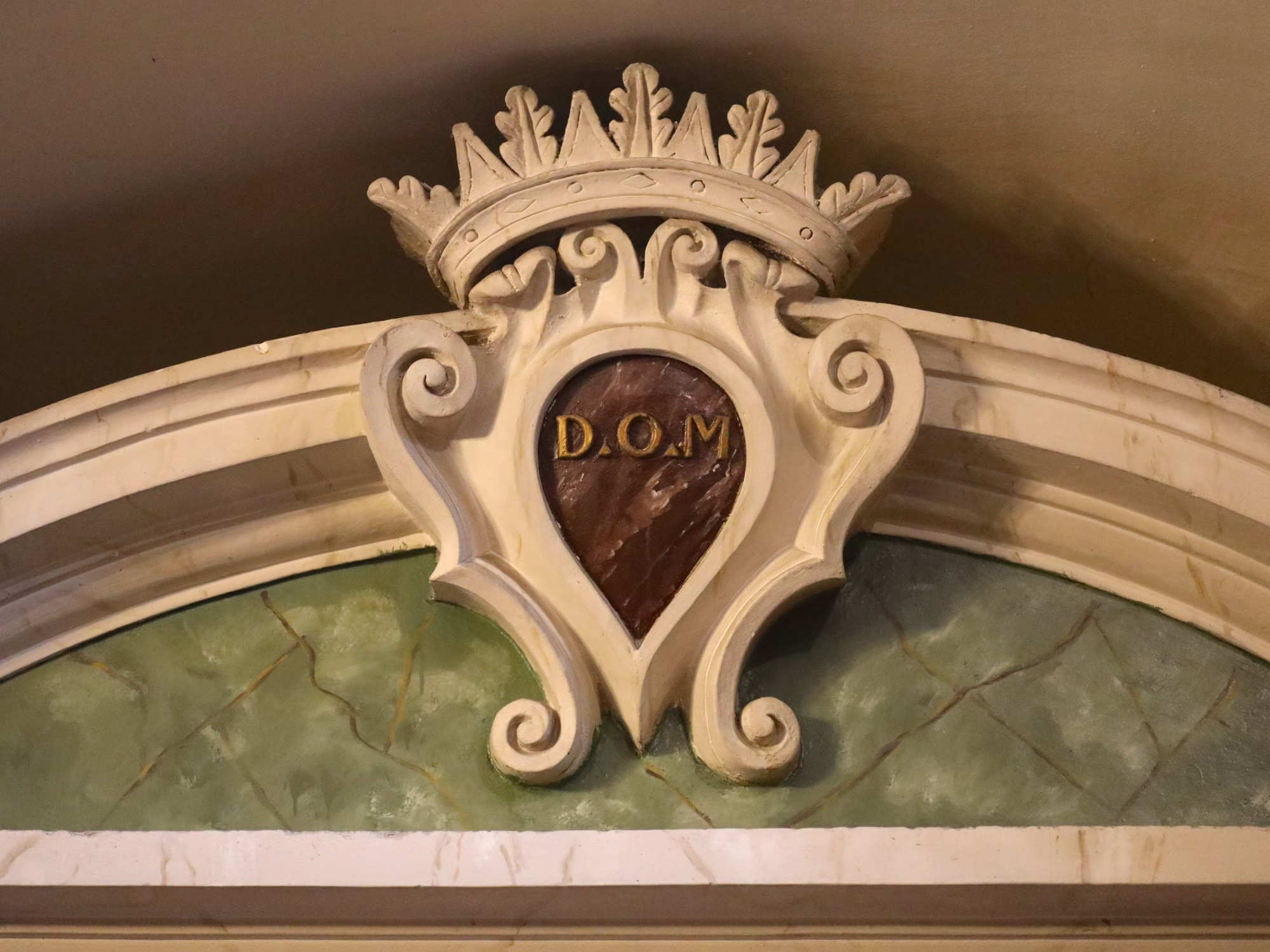
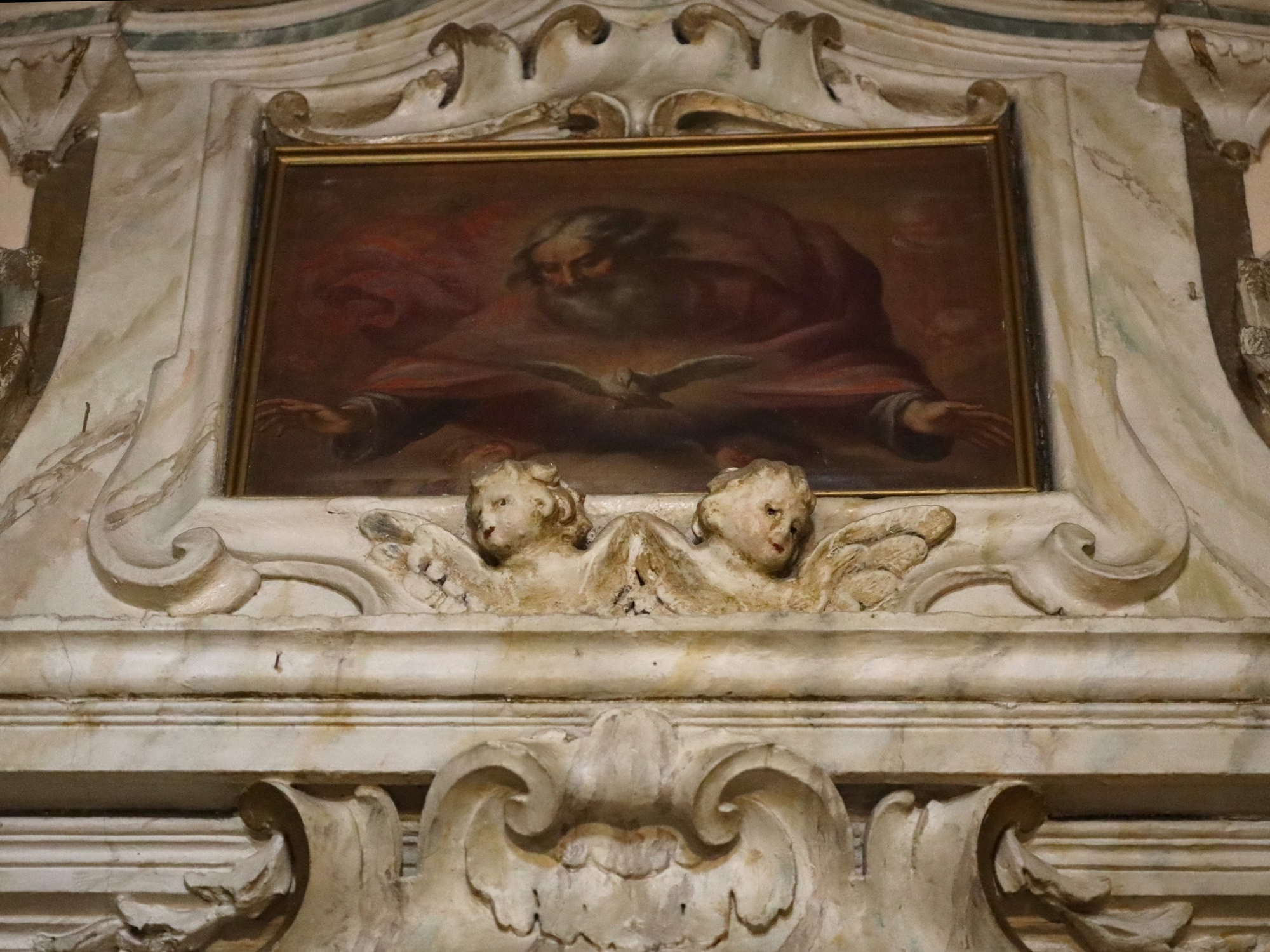
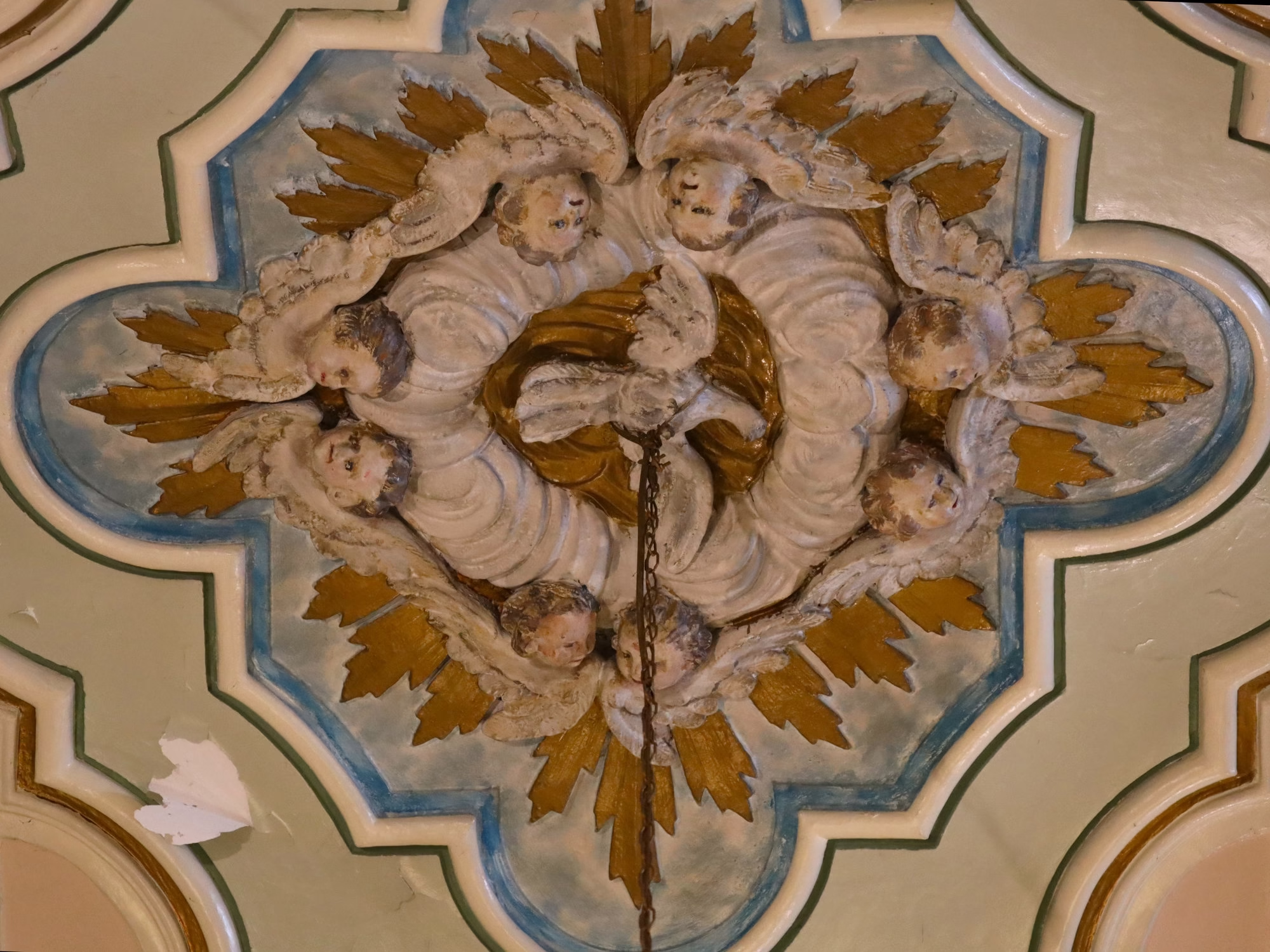
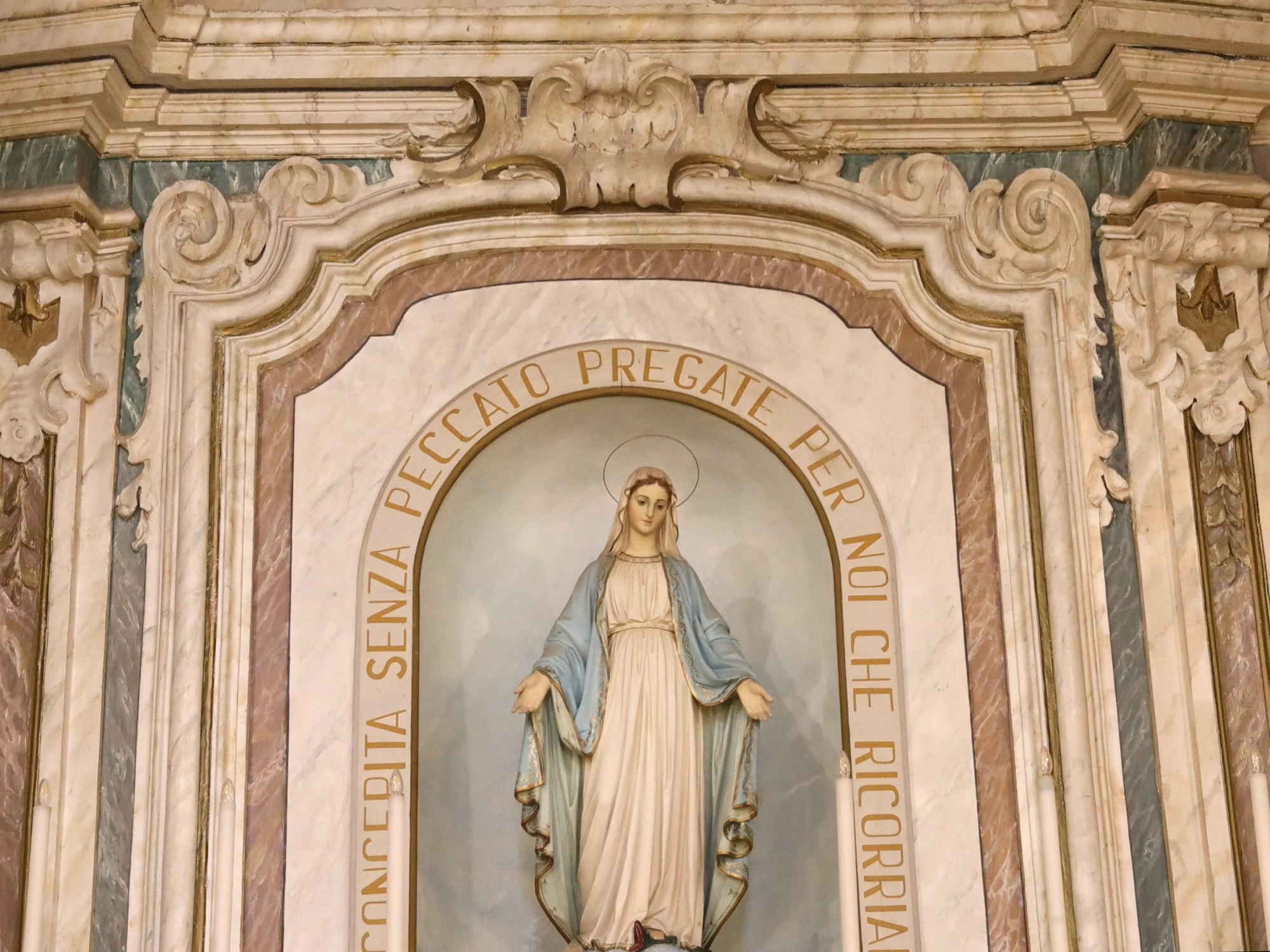
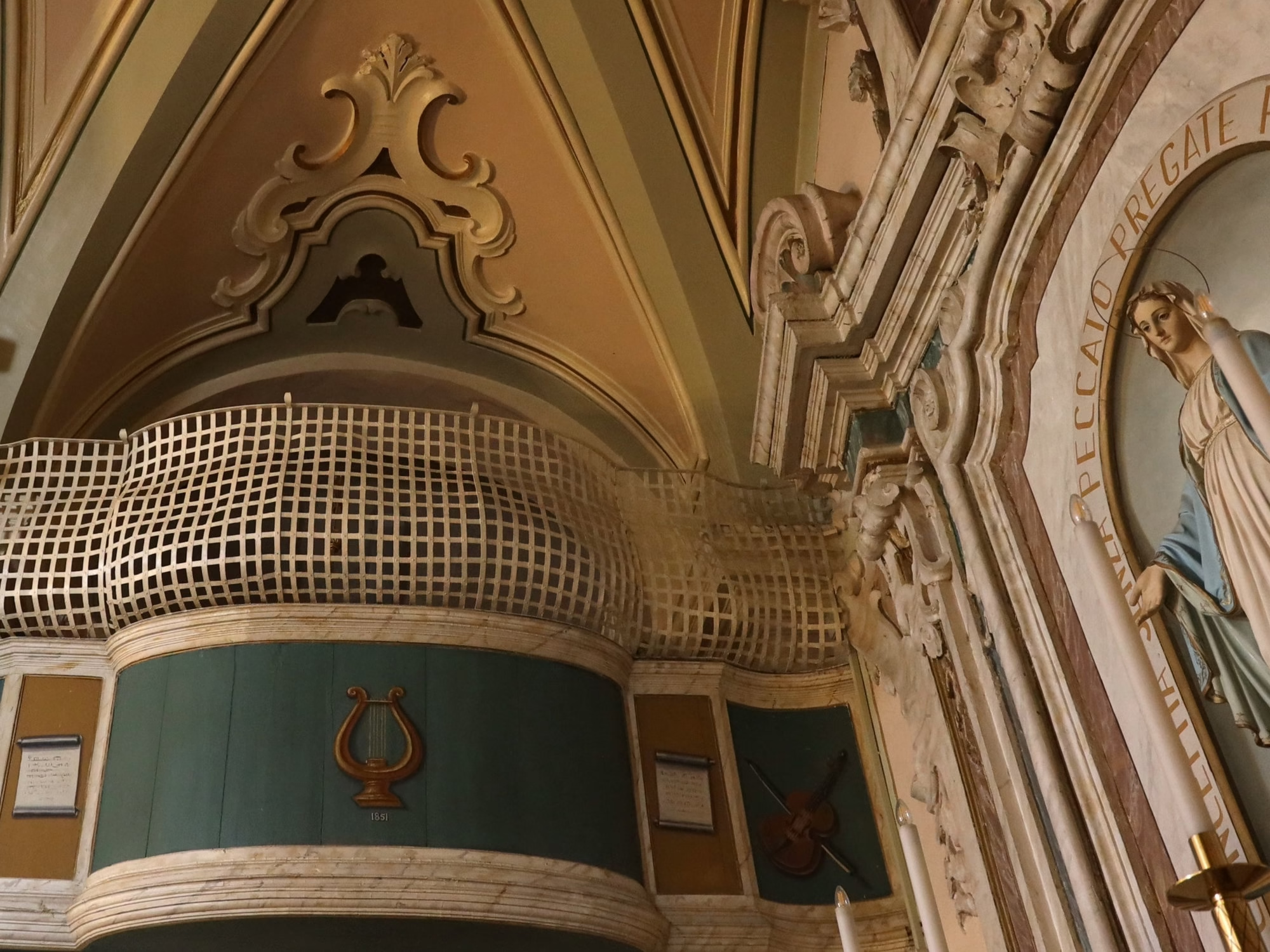
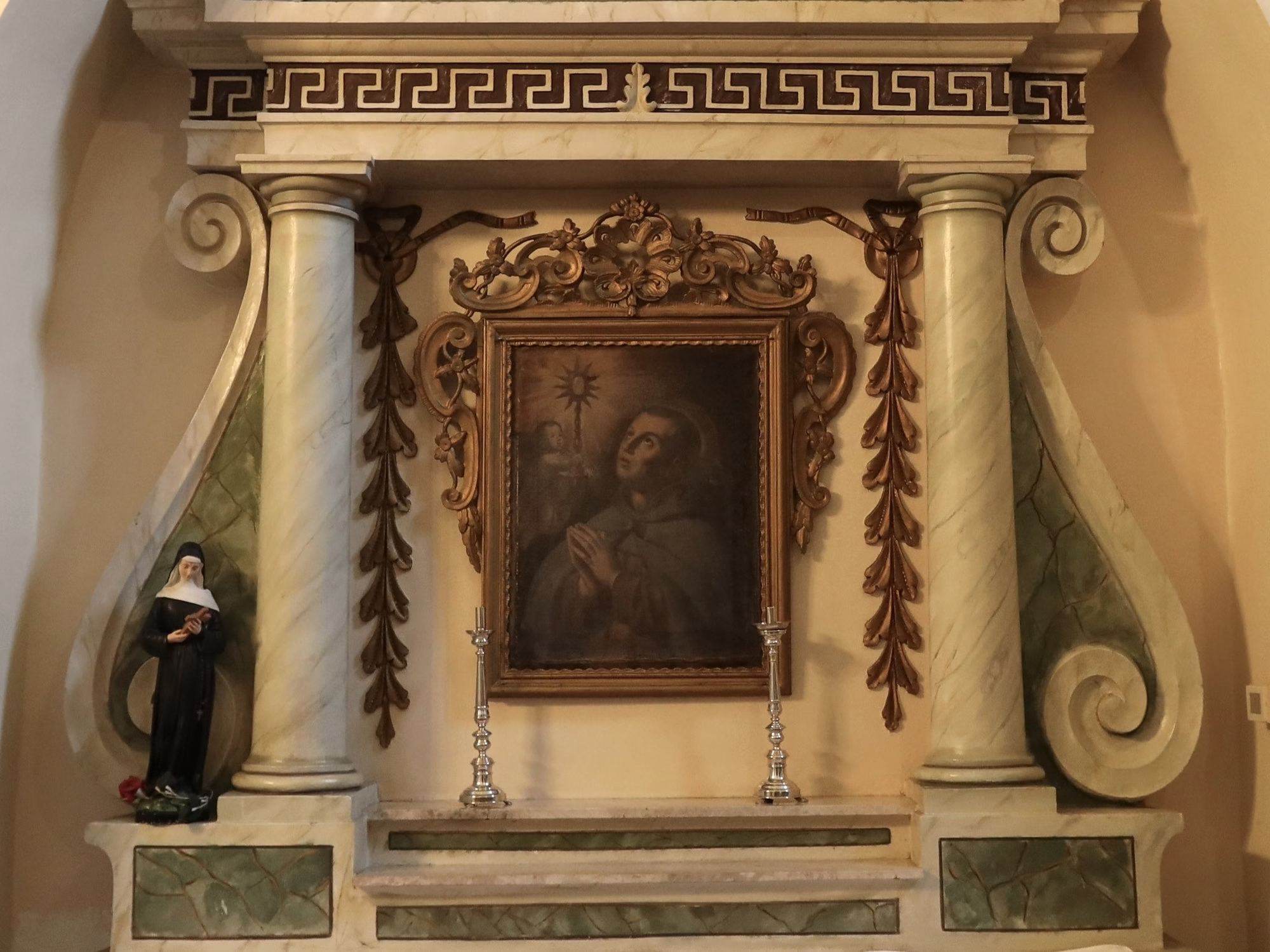
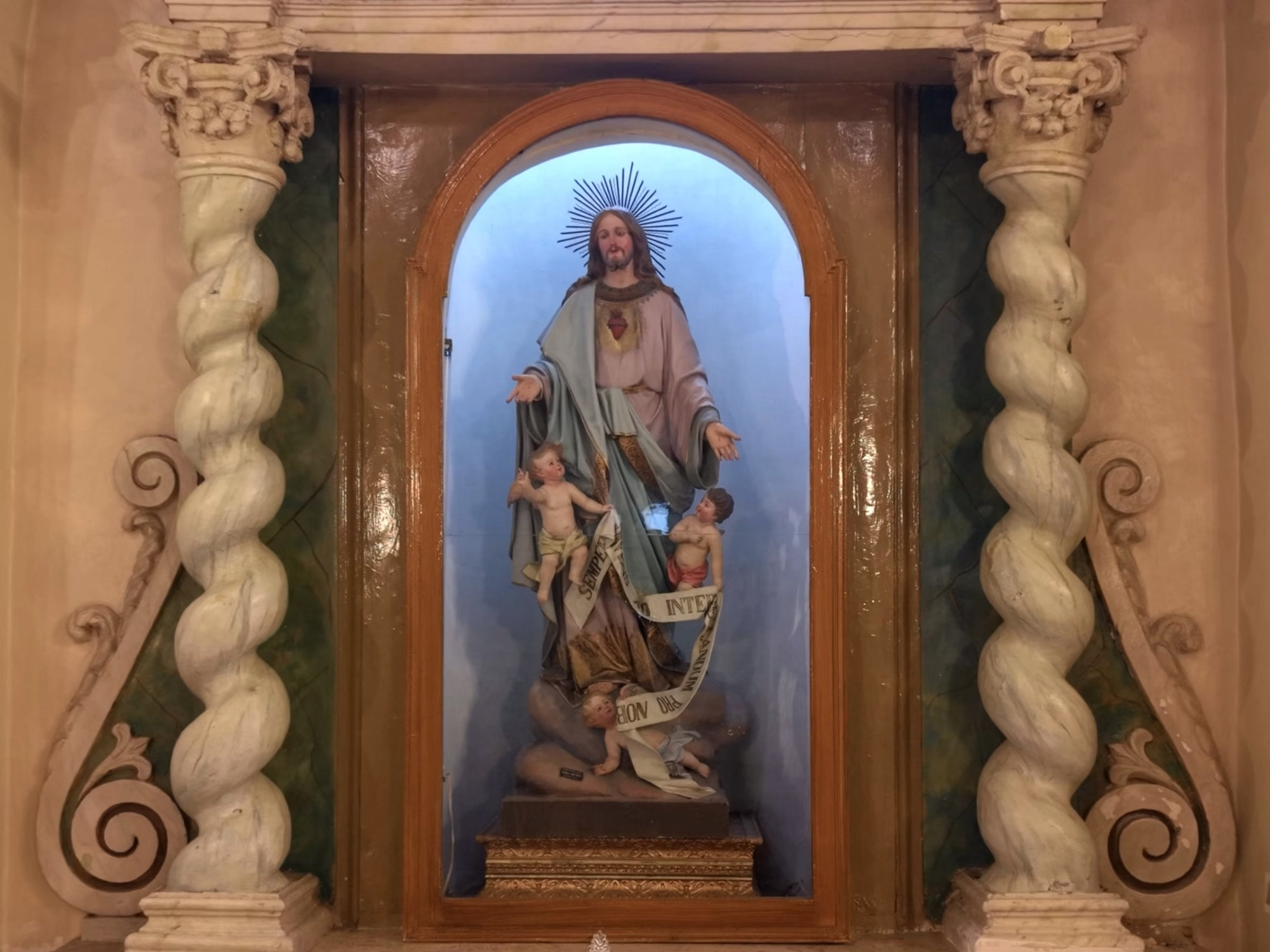
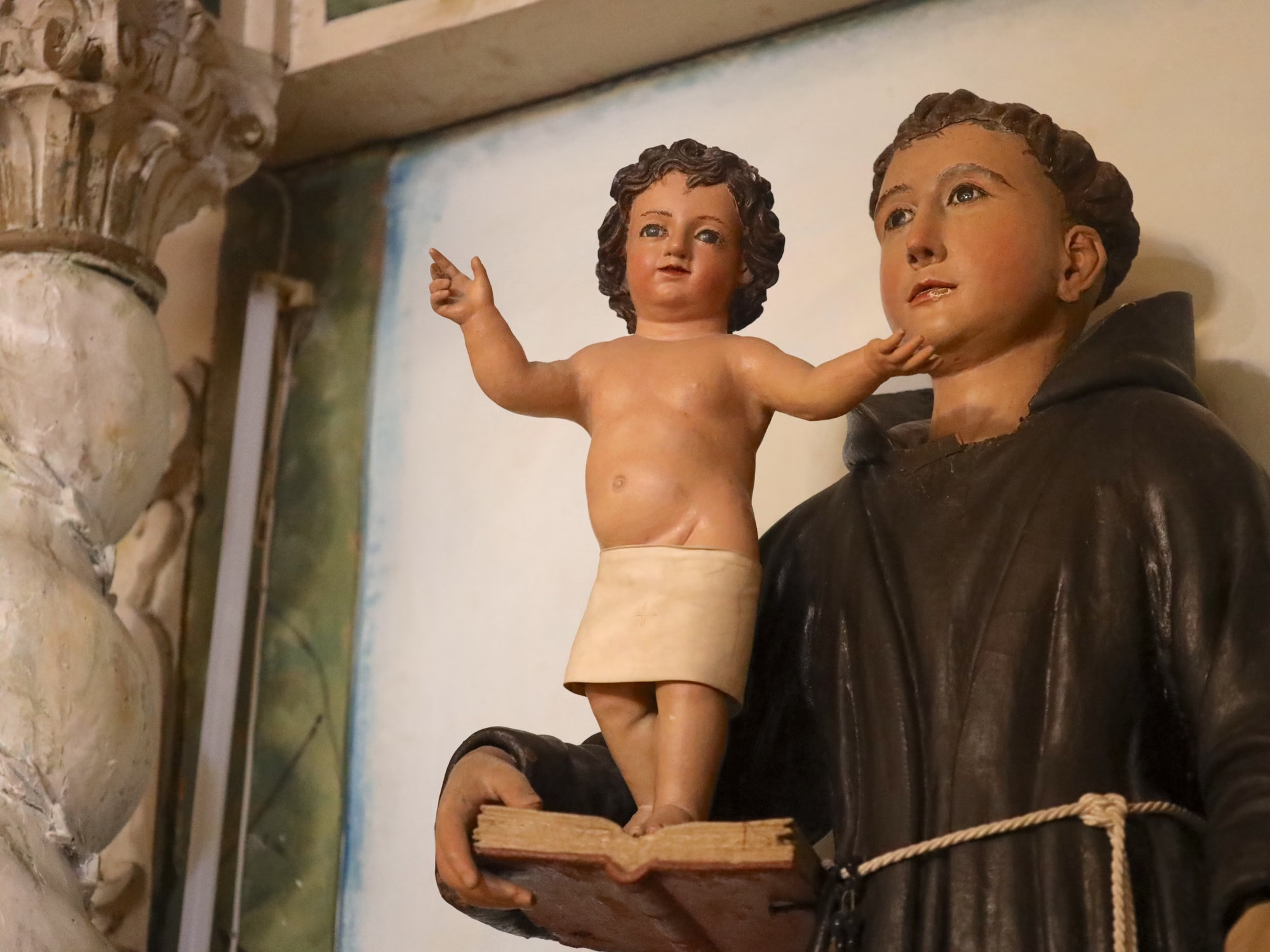
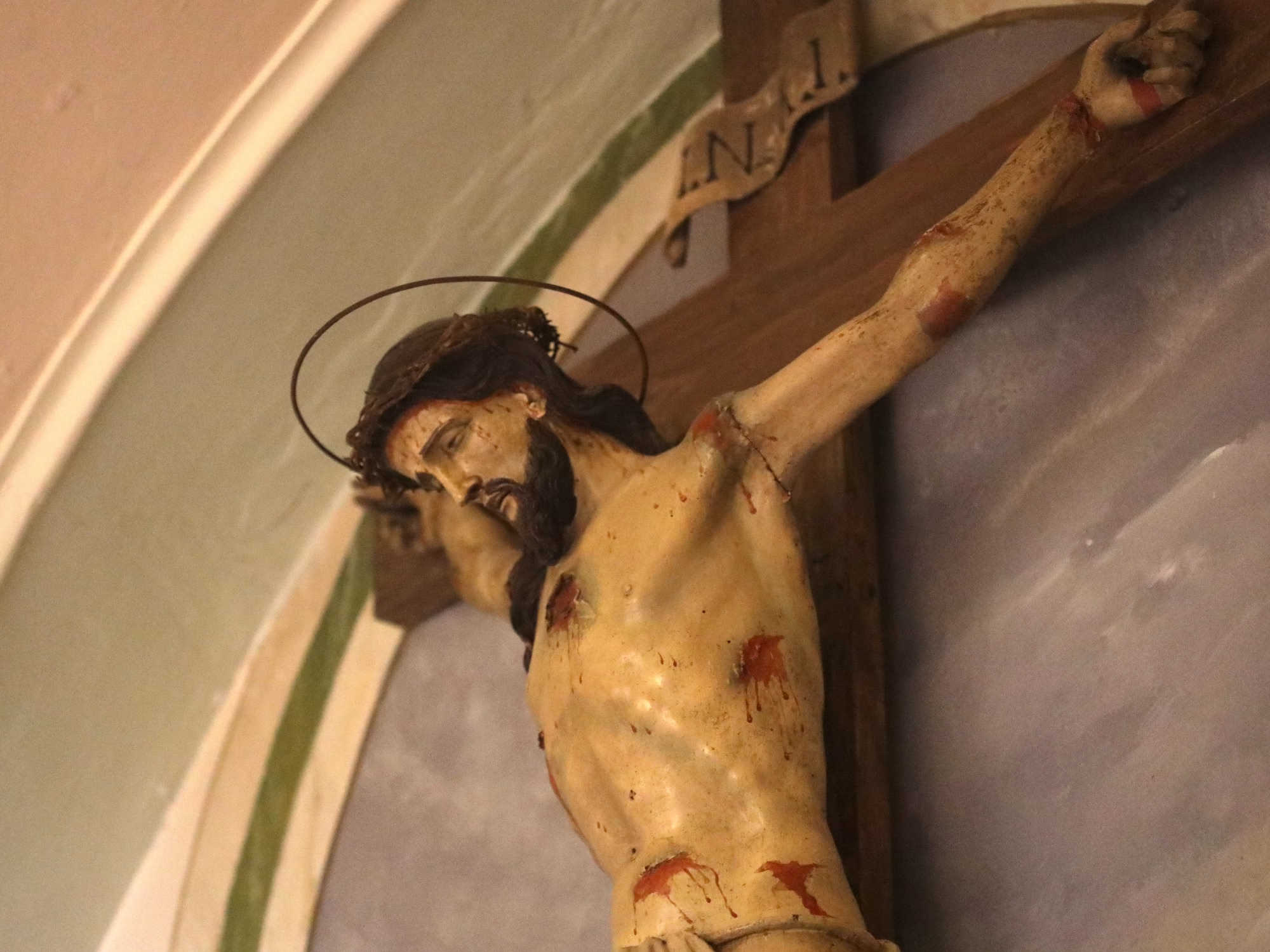
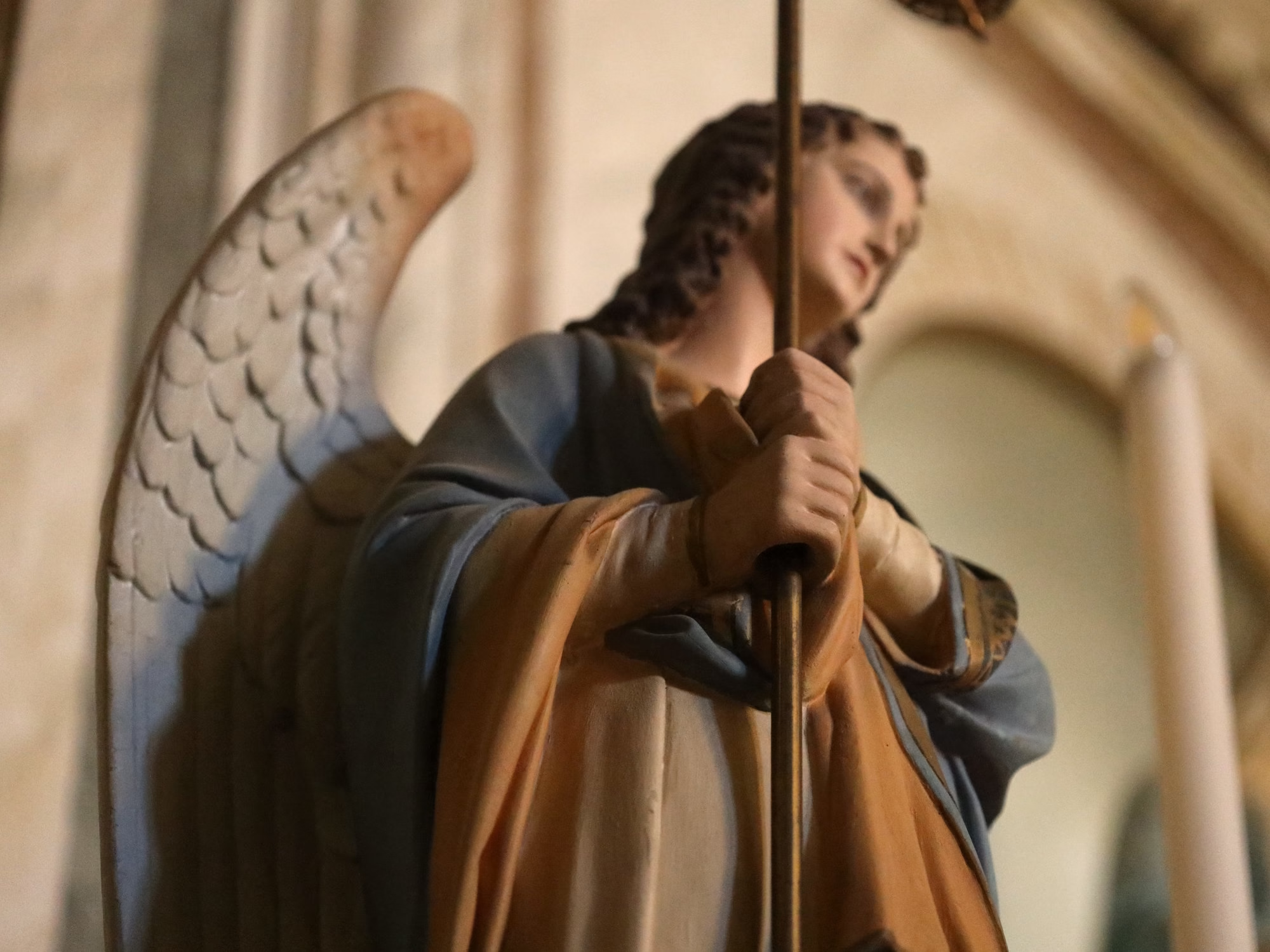
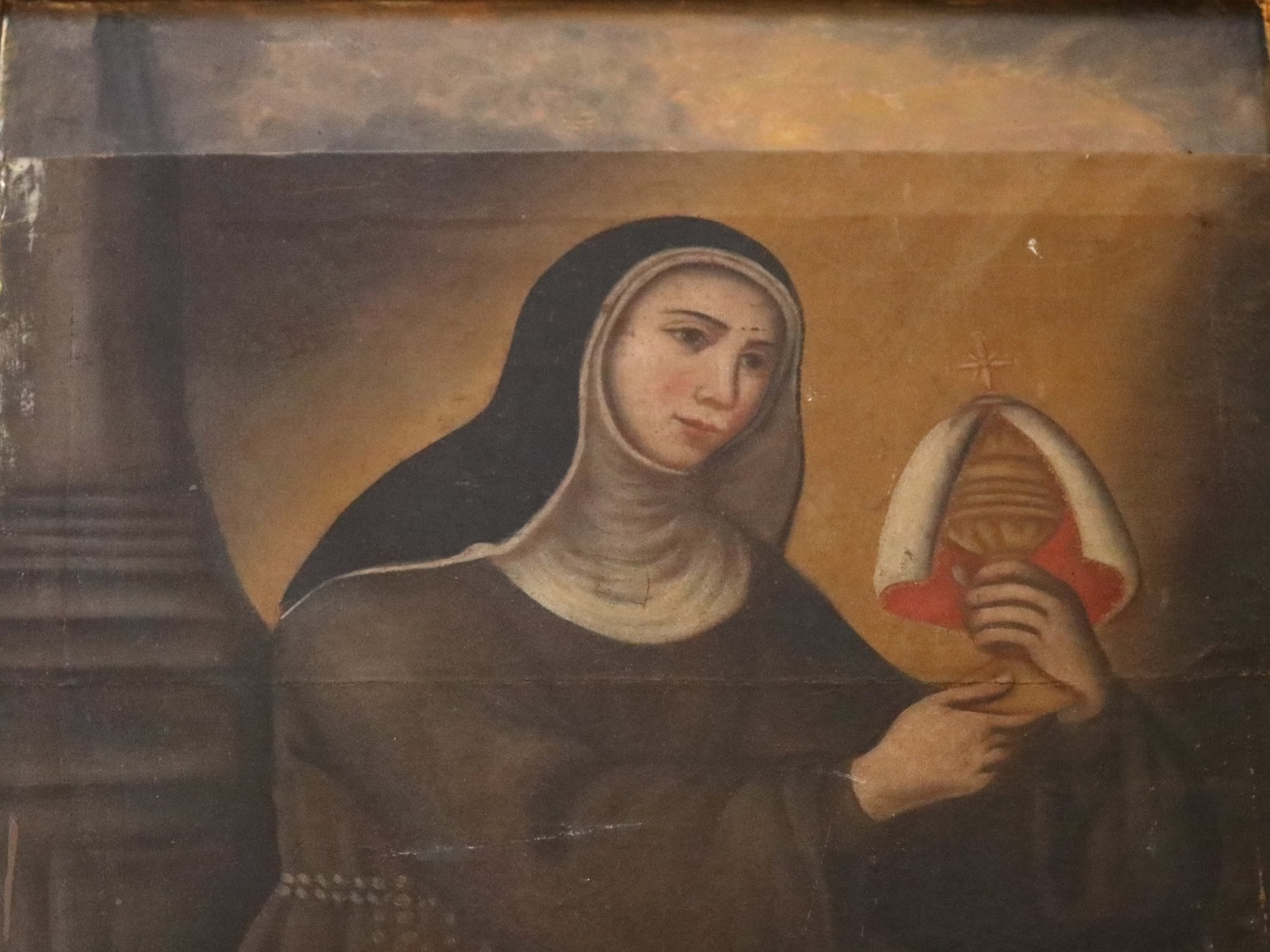
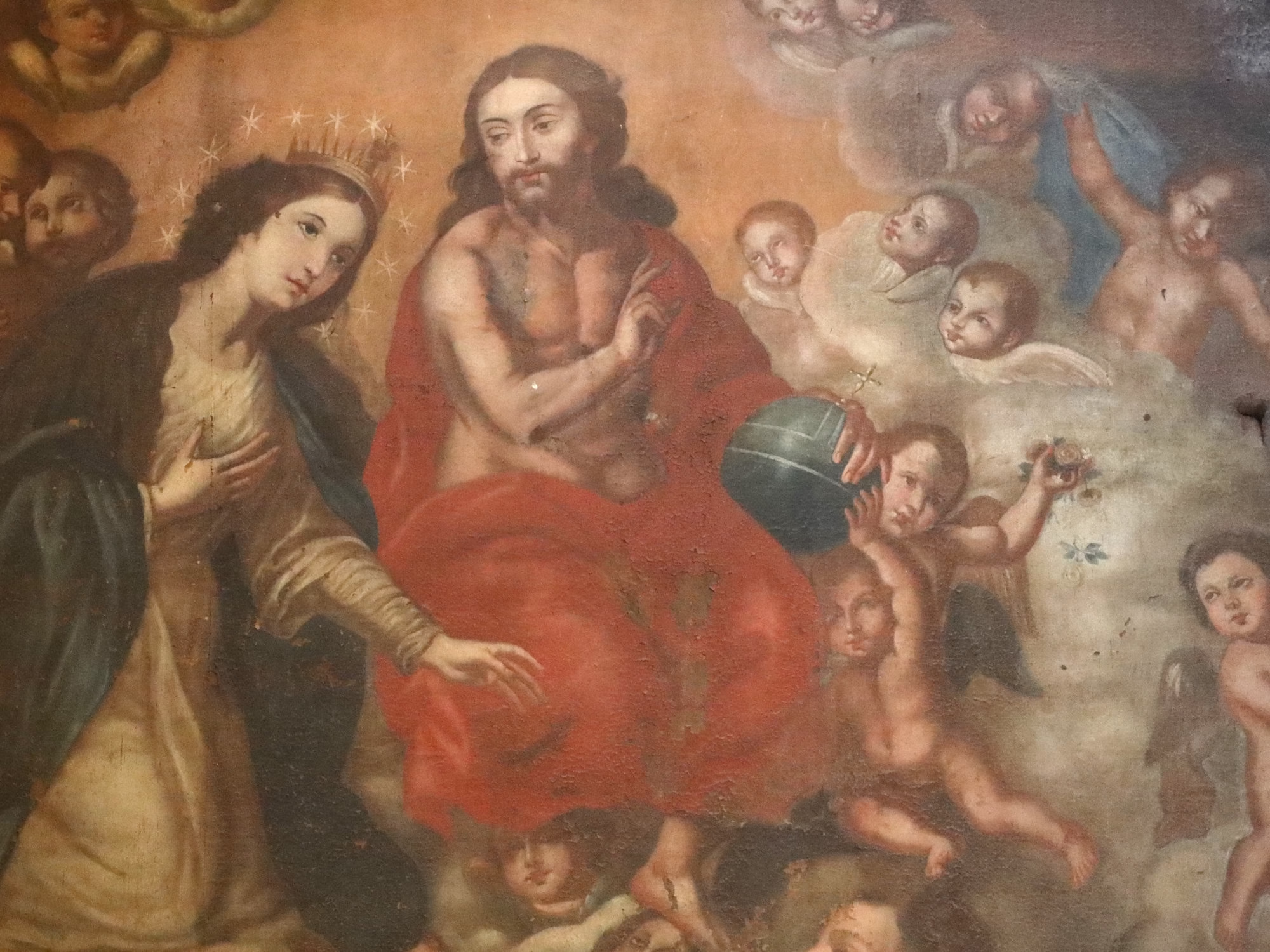
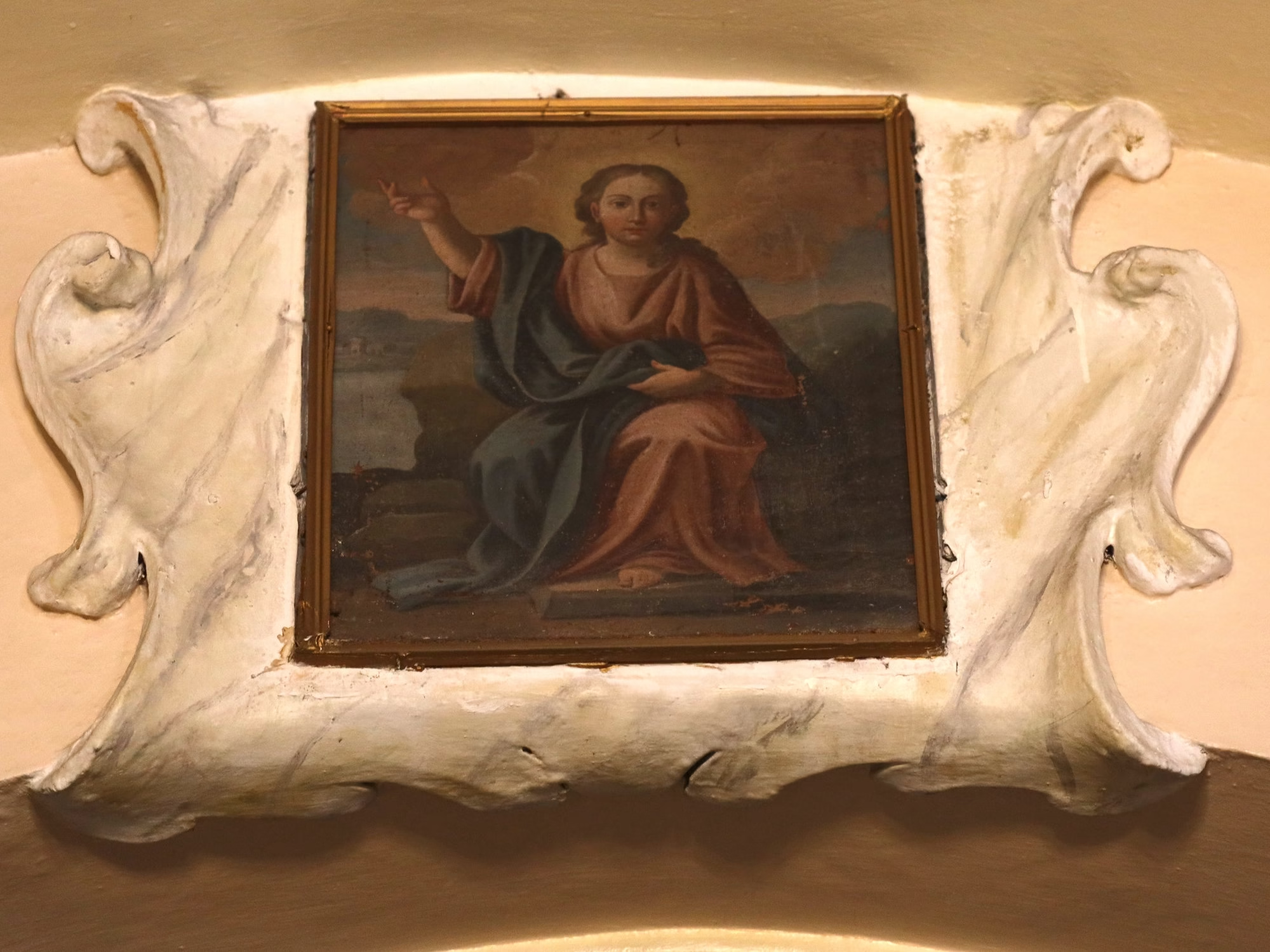
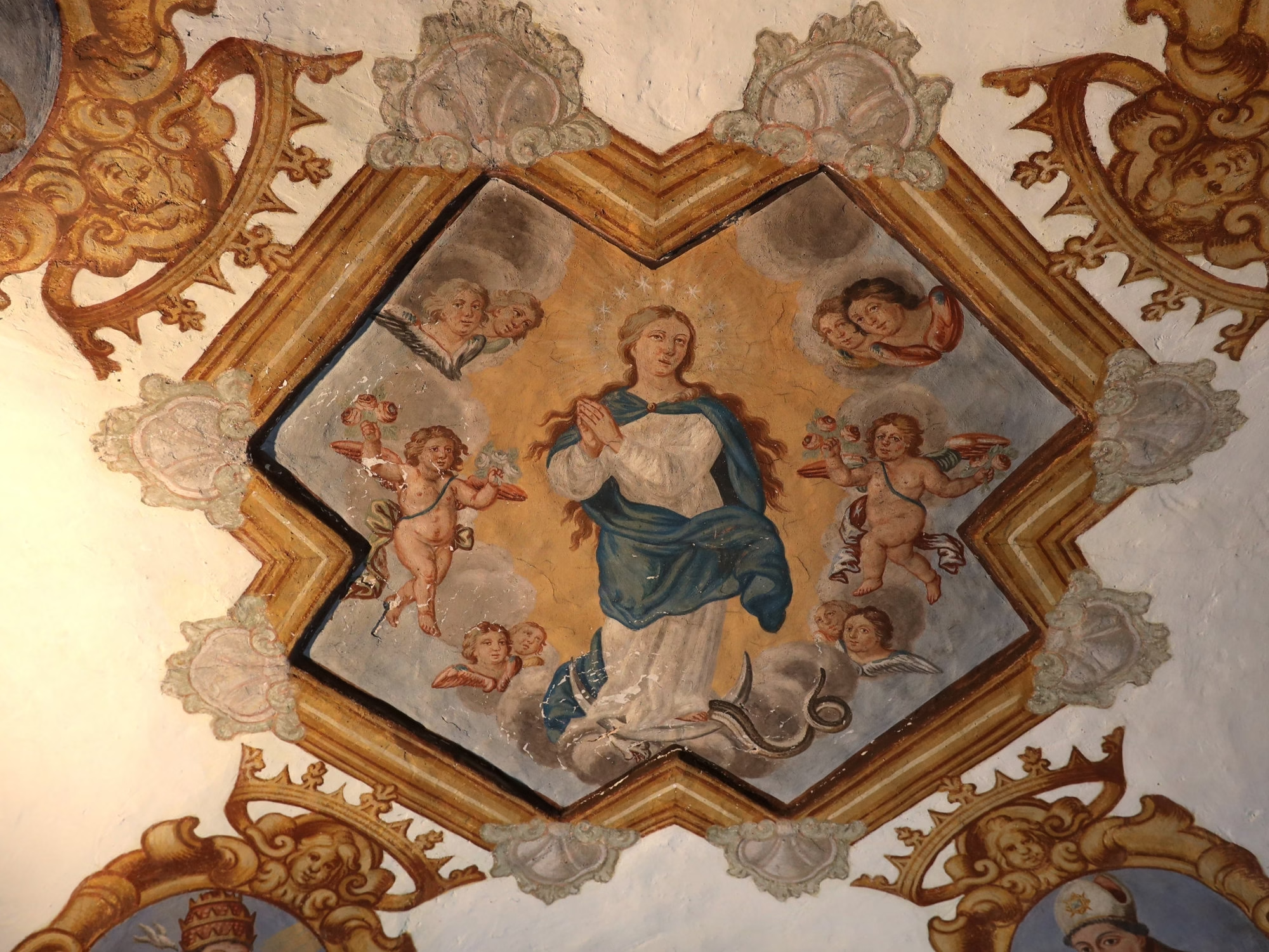
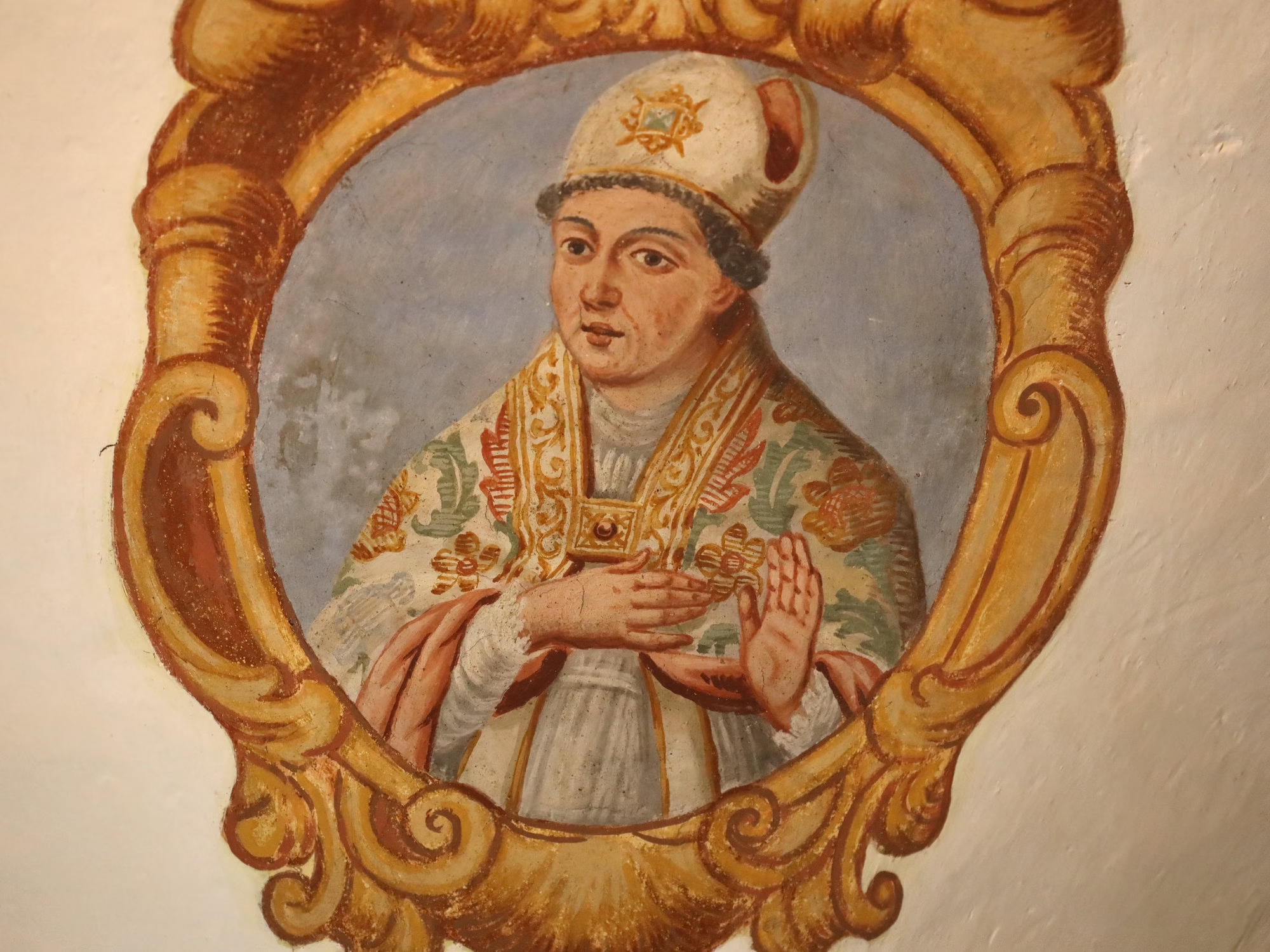
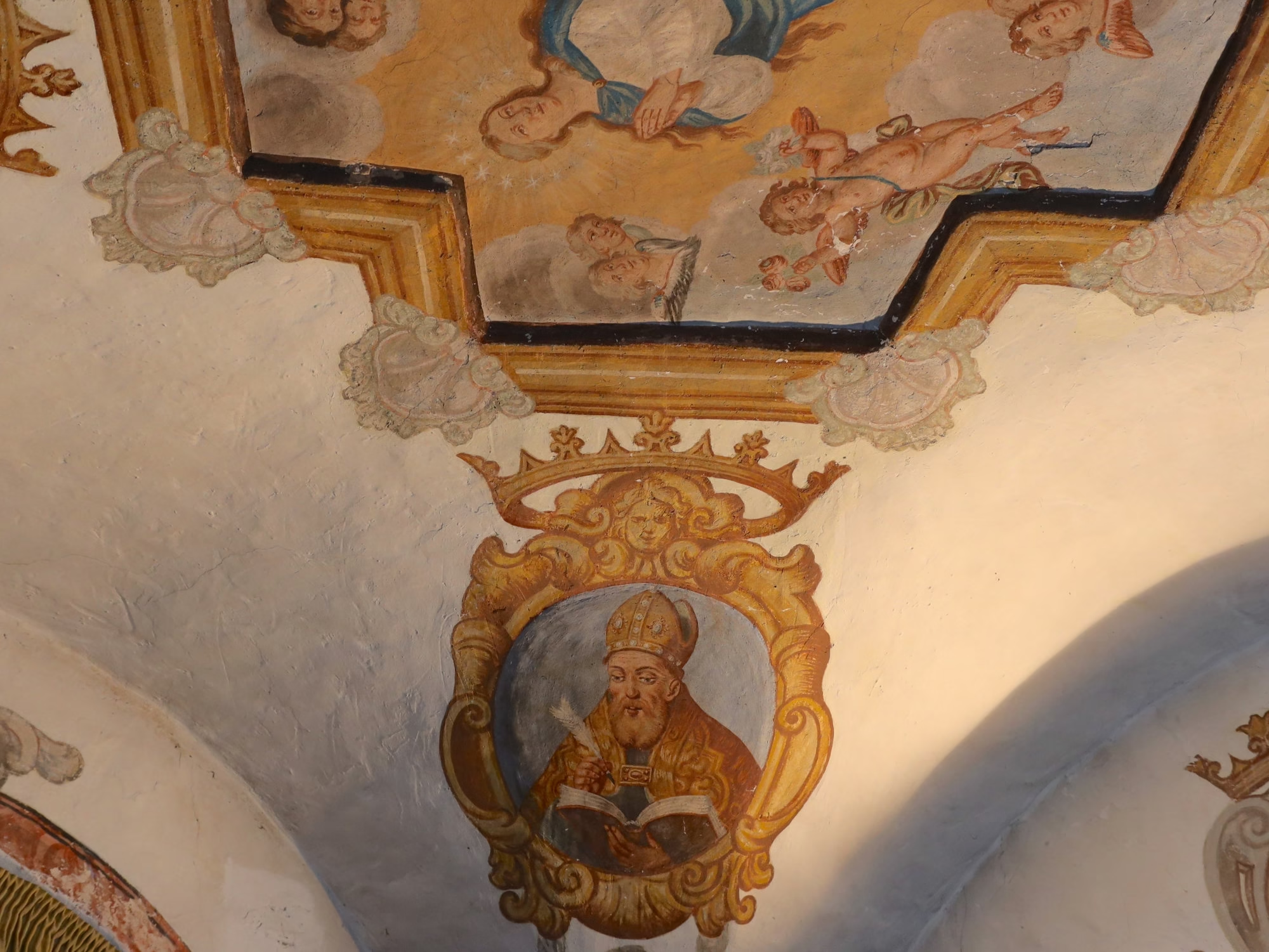
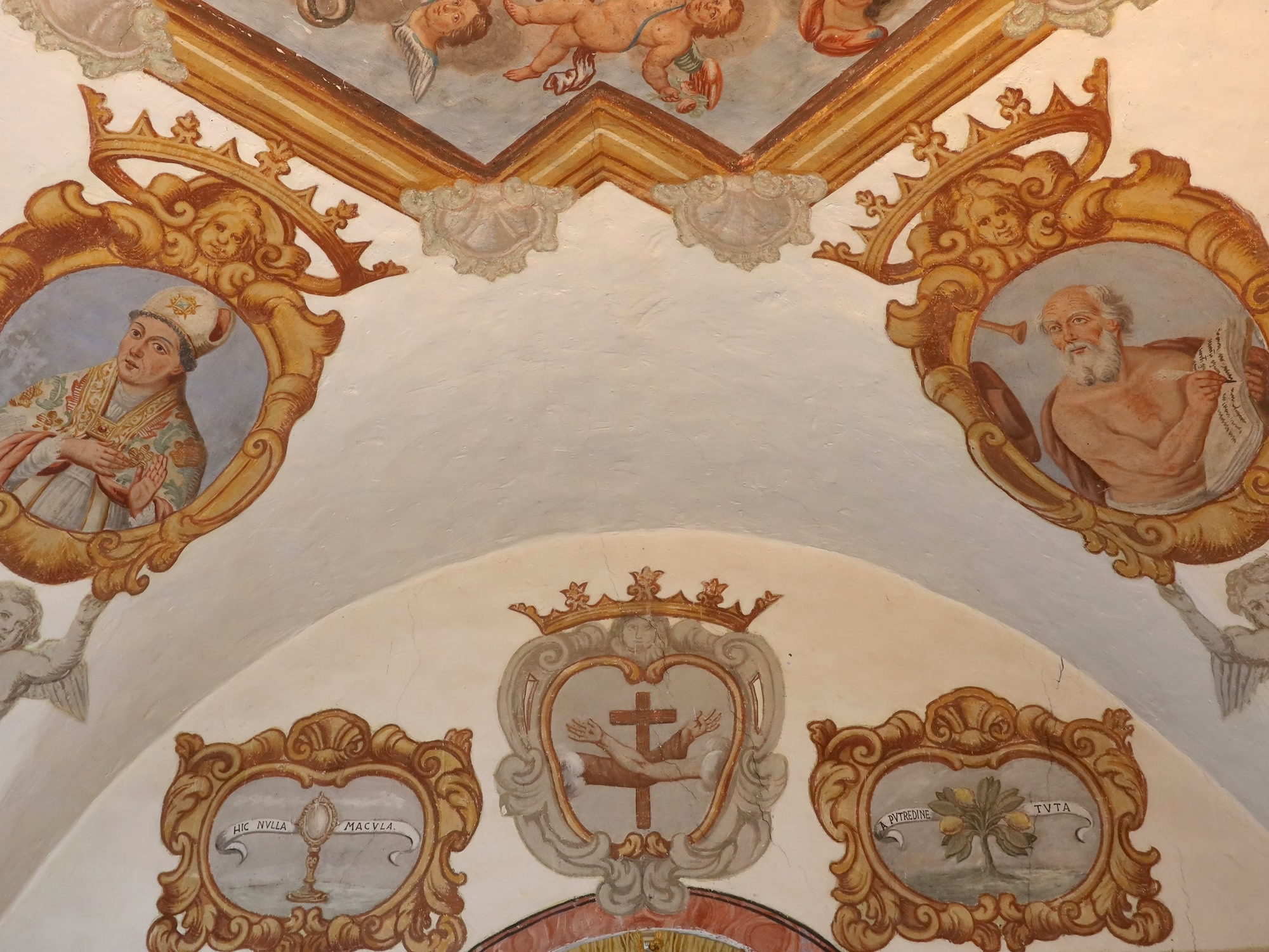
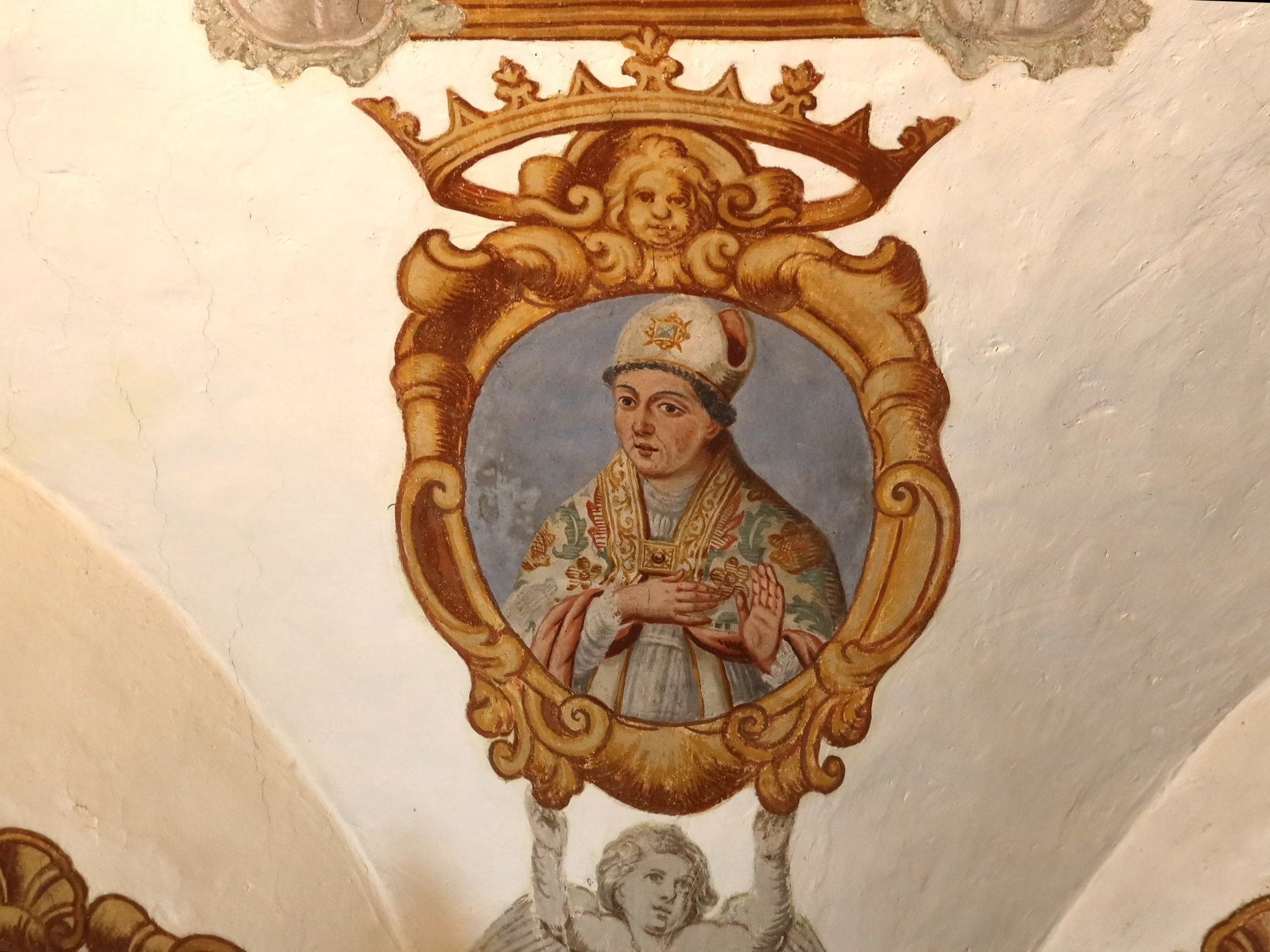
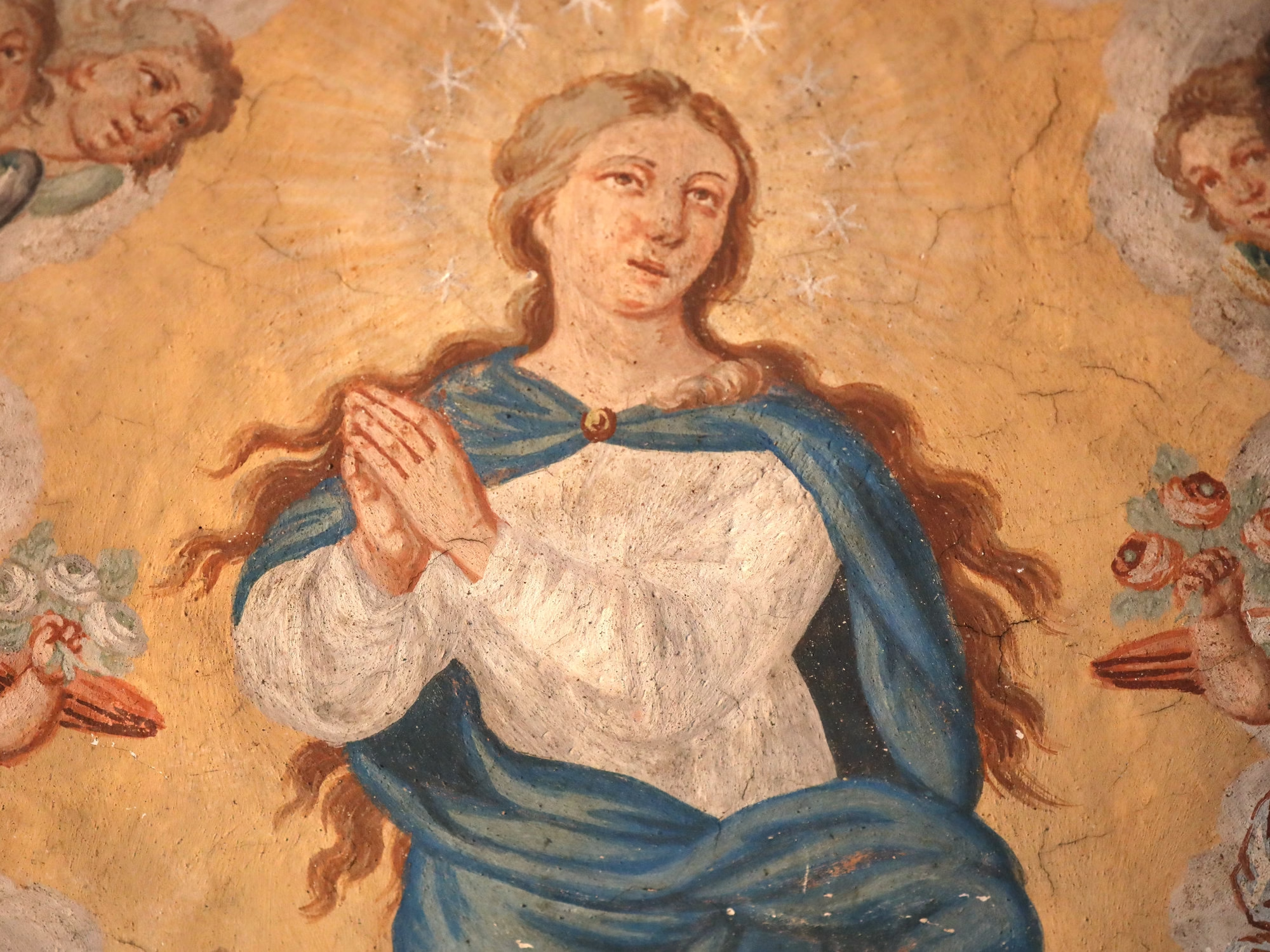
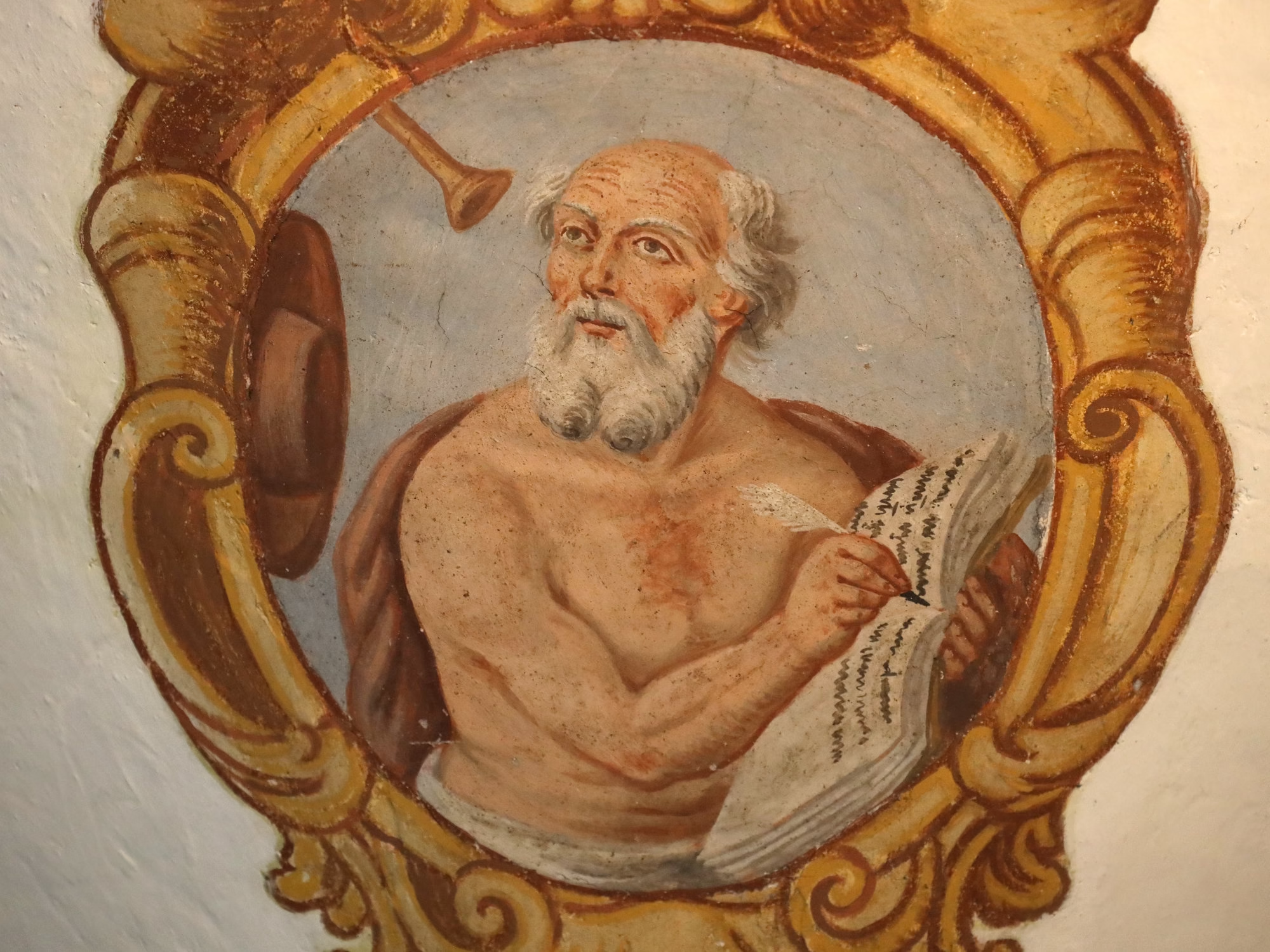
On the main altar, where today the Immaculate Virgin is situated, the painting of St. Francis praying at the feet of Christ and the Virgin Mary was placed, and the side chapels were adorned with wooden statues of St. Nicolas of Tolentino and St. Anthony. Some areas of the monastery were decorated with frescoes depicting Franciscan images and baroque motifs. For three centuries the Francisans were a reference point for the spiritual and cultural life of the community, along with the preachings of St. Dominic. In 1866 the monastery was closed according to the new laws and the building was adapted to provide assistance for children, the poor and the elderly (Hospital, Mendicants’ Shelter, Nursery School). In 1876 the Suore Figlie della Carità (Sisters of Charity) arrived in Palo, inspired by the works of St. Vincent de Paul, and for more than 100 years they carried out a useful and necessary mission in the assistance of the needy. Today the building is a retirement home managed by the St. Vincent de Paul Foundation.