Benedictine monastery of St. James
Cent. 20th
The Monastery of St. James of Bari was saved from the Napoleonic laws of suppression of religious institutes but was later closed down by the Kingdom of Italy. In 1866 and 1867, two laws dictated the definitive suppression of all religious orders present in Italy and the confiscation by the State of all their properties and possessions. The church considered to the be the sacristy of the cathedral of Bari was saved from suppression while the monastery was handed over to the Salesian Sisters in 1918. In 1919, the few remaining nuns under the Mother Superior Giuseppina D’Abbicco moved to Palo del Colle, first of all to rooms provided by the Ricchioni family, and later to larger and more appropriate accommodation in Via Umberto I, in Rosa Curci’s palace. During the years in Palo del Colle, the number of nuns increased and in 1939 the Mother Superior took on the title of Mother Abbess. The nuns, observing the Benedictine rule of “Ora et labora”, started a sewing and embroidery workshop and school, as well as assistance for children. In the 1960s, the engineer Vincenzo Danisi was entrusted with building the nuns a new convent on a plot previously purchased in Via Bitetto. The nuns moved into their new accommodation on 2nd July 1965.
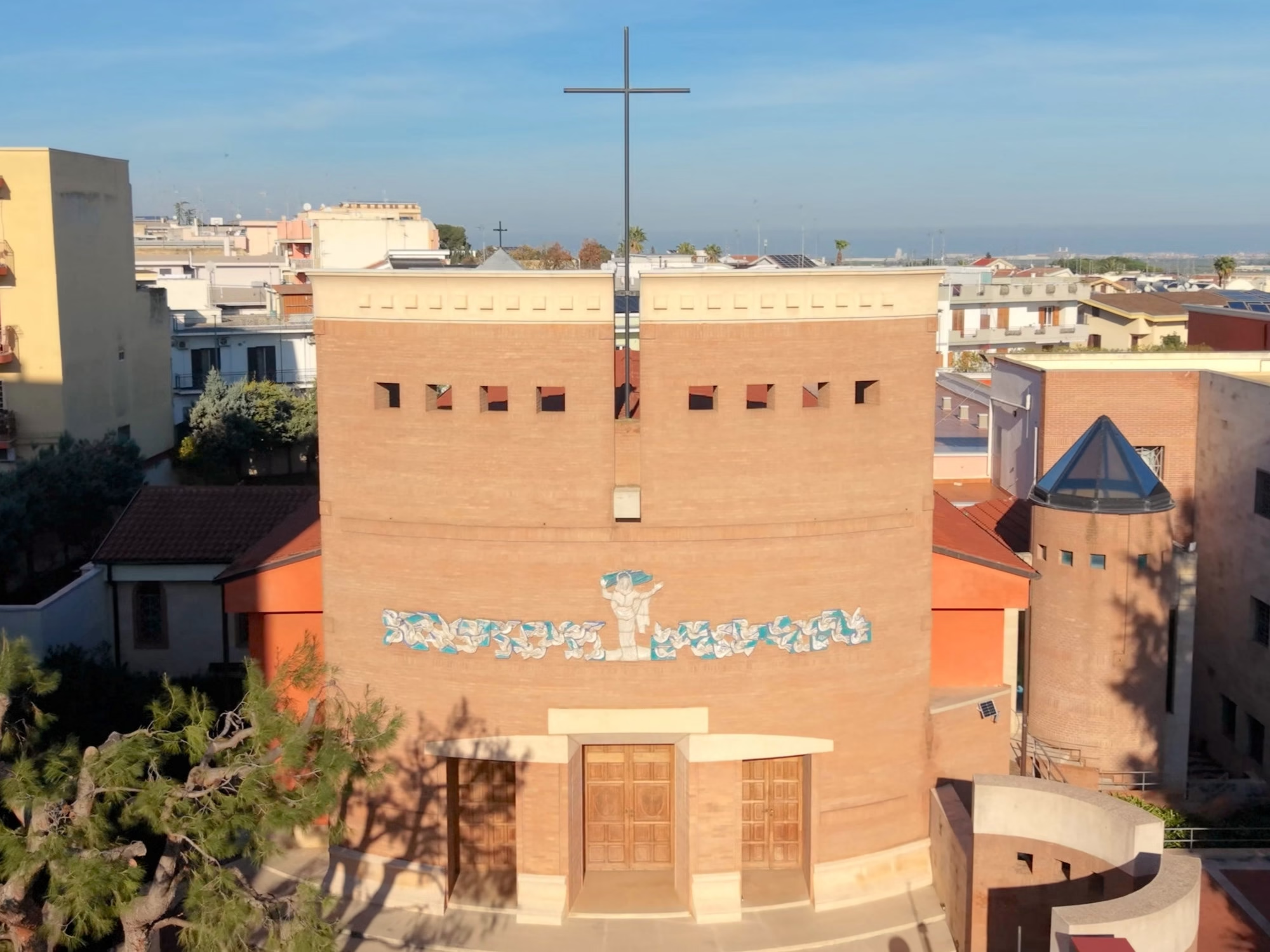
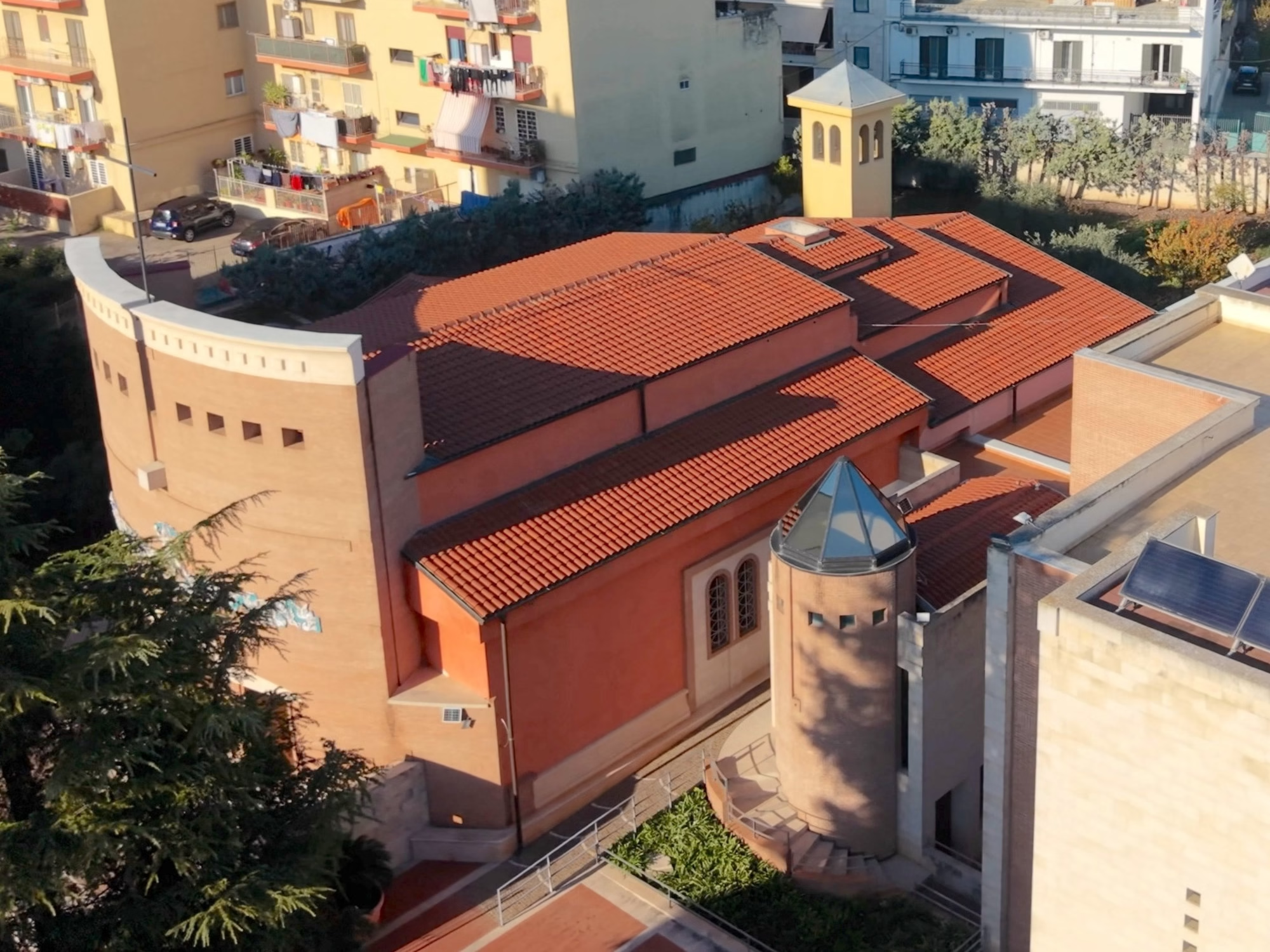
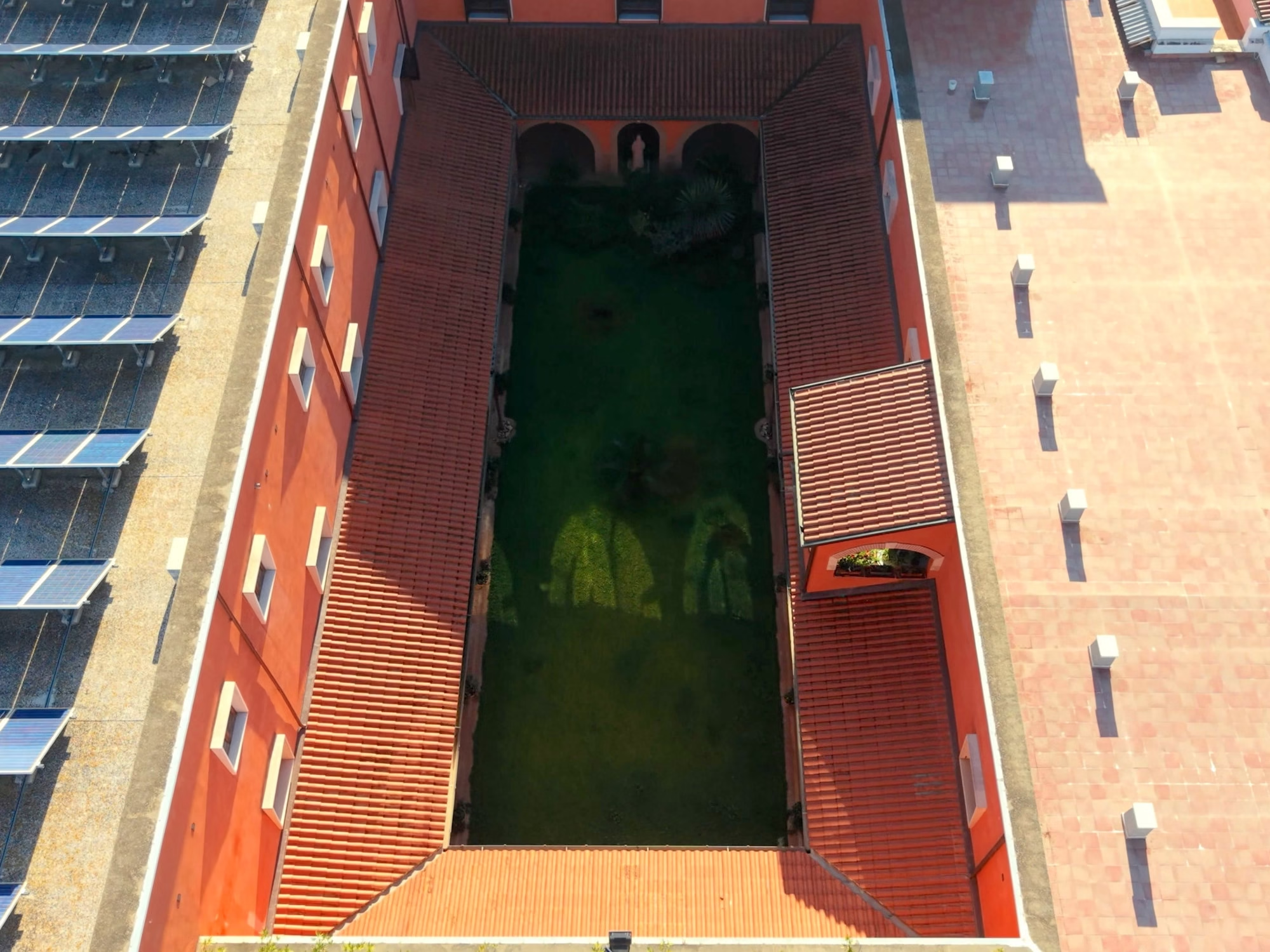
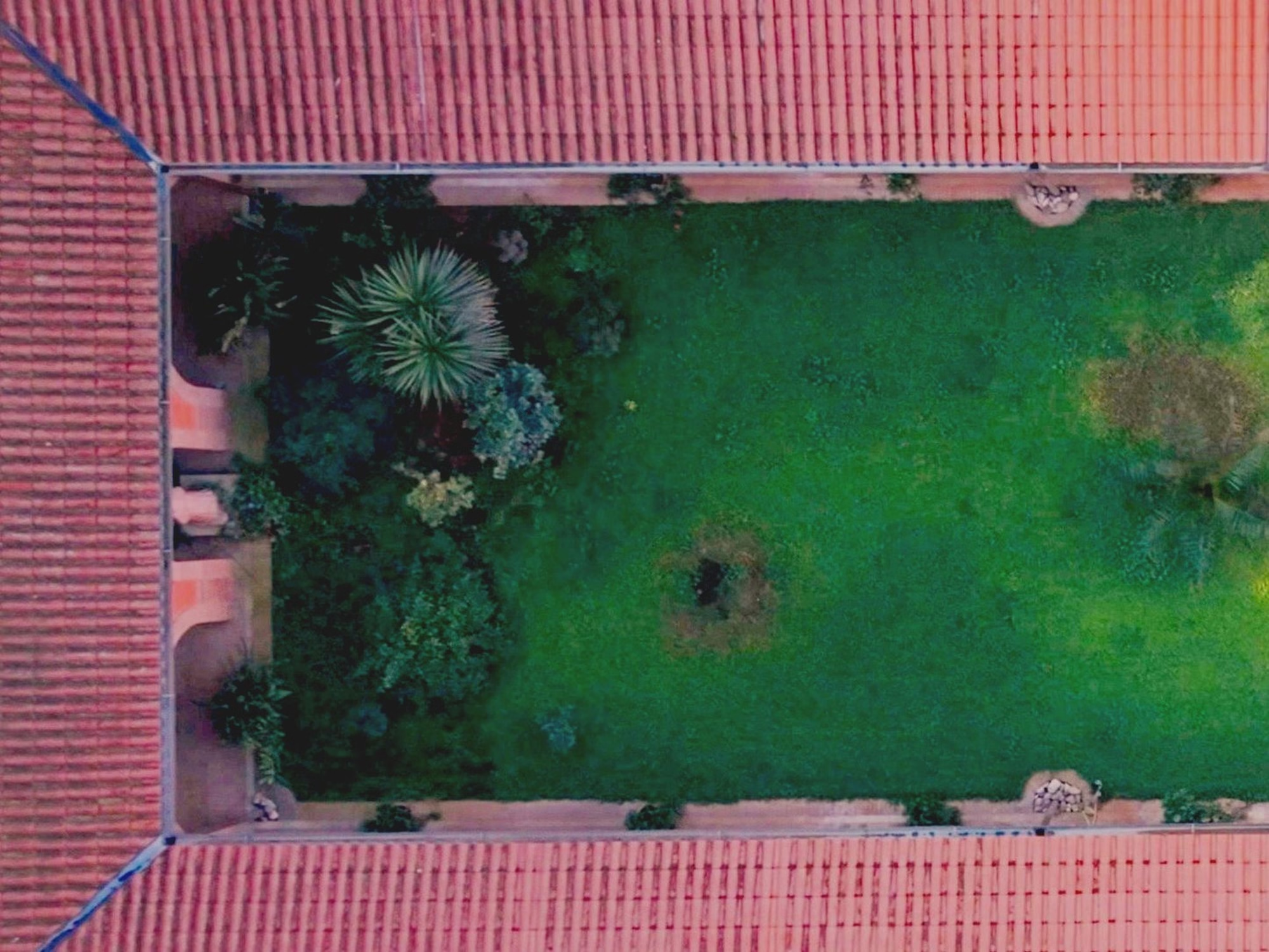
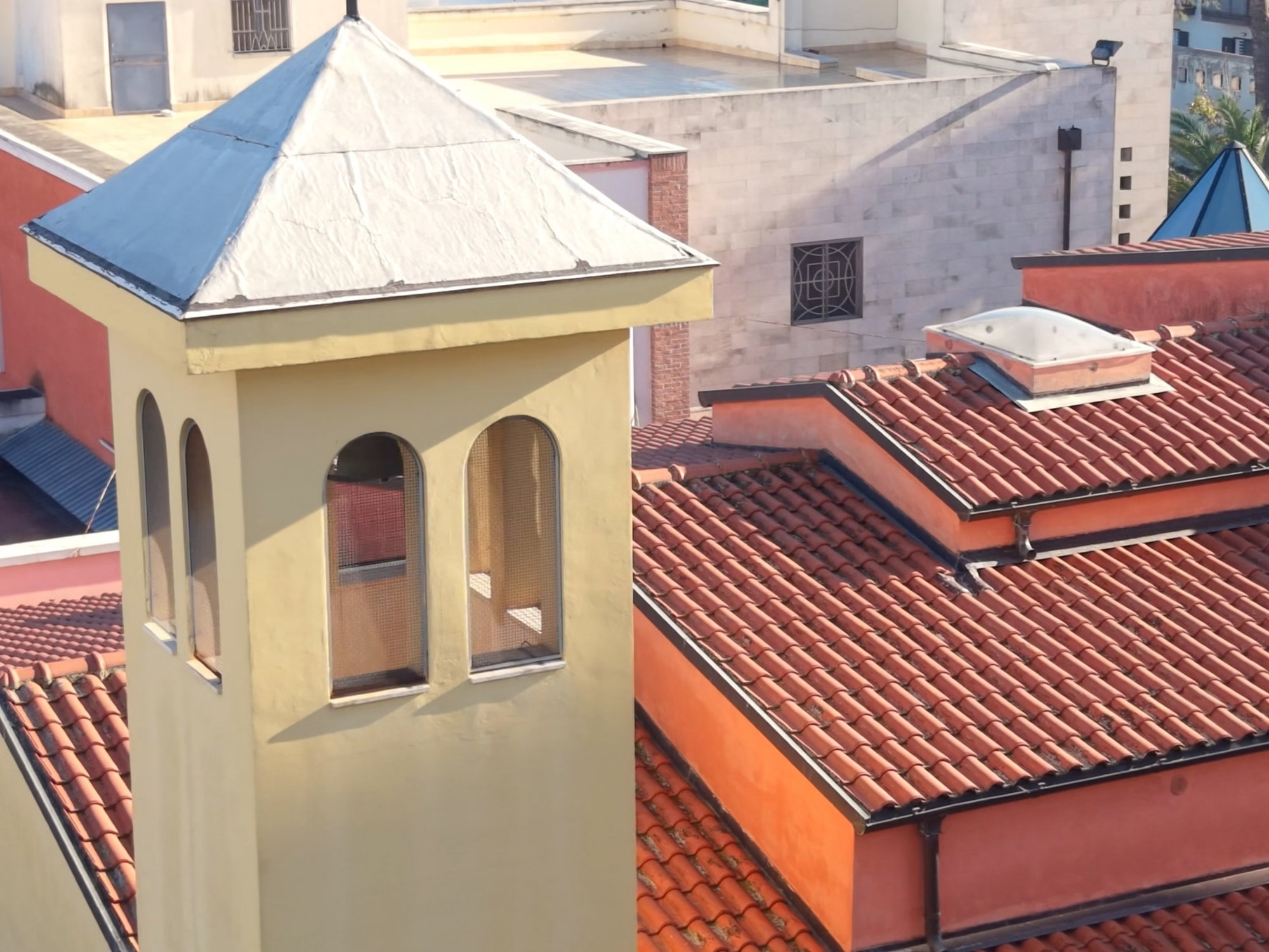
The church was later designed by the engineer Vito Antonio Tullo and was inaugurated in 1982. For twenty years after this, renovation work was led by the architect Vincenzo Loglisci from Gravina. The façade of the church was renewed, as well as some of the rooms of the convent, including the museum. The Tuscan-medieval style red brick façade of the church blends in with the modern blue and white ceramic reliefs in the centre, depicting Christ Risen with doves symbolizing peace, a work by Alfredo Verdelocco. There are many works of art inside the church and the convent; apart from those present in the museum, of particular note are the paintings of the Via Crucis (The Way of the Cross) and the Misteri del Rosario (Mysteries of the Rosary), embroidered by the local artist, Sister Donna Maria Gabriella Valla.