Monastero di San Domenico e Chiesa di Santa Maria di Costantinopoli
Cent. 17th
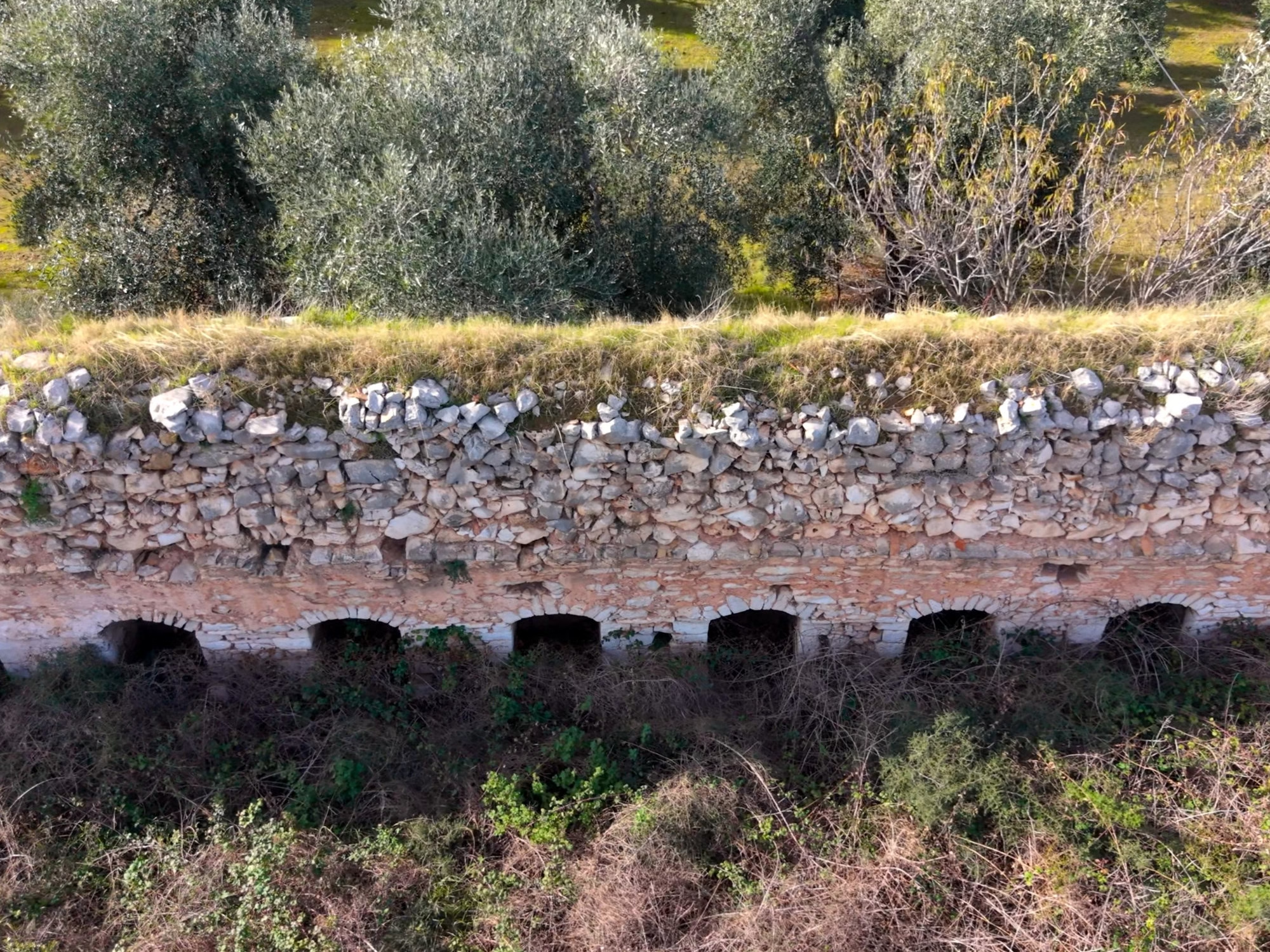
In the silent countryside, the timeless geometry of the dry-stone walls reminds us of an arduous past of sweat and exertion. Among the ruins and weeds are the remains of the old Masseria San Domenico which over time game its name to this district. This large rural complex originally belonged to the De Leone family and dates back to the 16th century. It was later donated to the Confraternity of Santa Maria di Costantinopoli, whose presence is documented in Palo since 1578. Consequently, it was donated, along with other assets, to the Padri Predicatori Domenicani when they settled in the monastery adjacent to the church of Santa Maria di Costantinopoli in Palo in 1671. This large masseria was the primary source of income of the Dominican monks. The buildings which lie in ruin once brimmed with life, still visible are the barrel vaults, the blackened fireplaces, stables with various troughs for sheep and cows, warehouses, storerooms for agricultural equipment and cisterns to gather rain water.
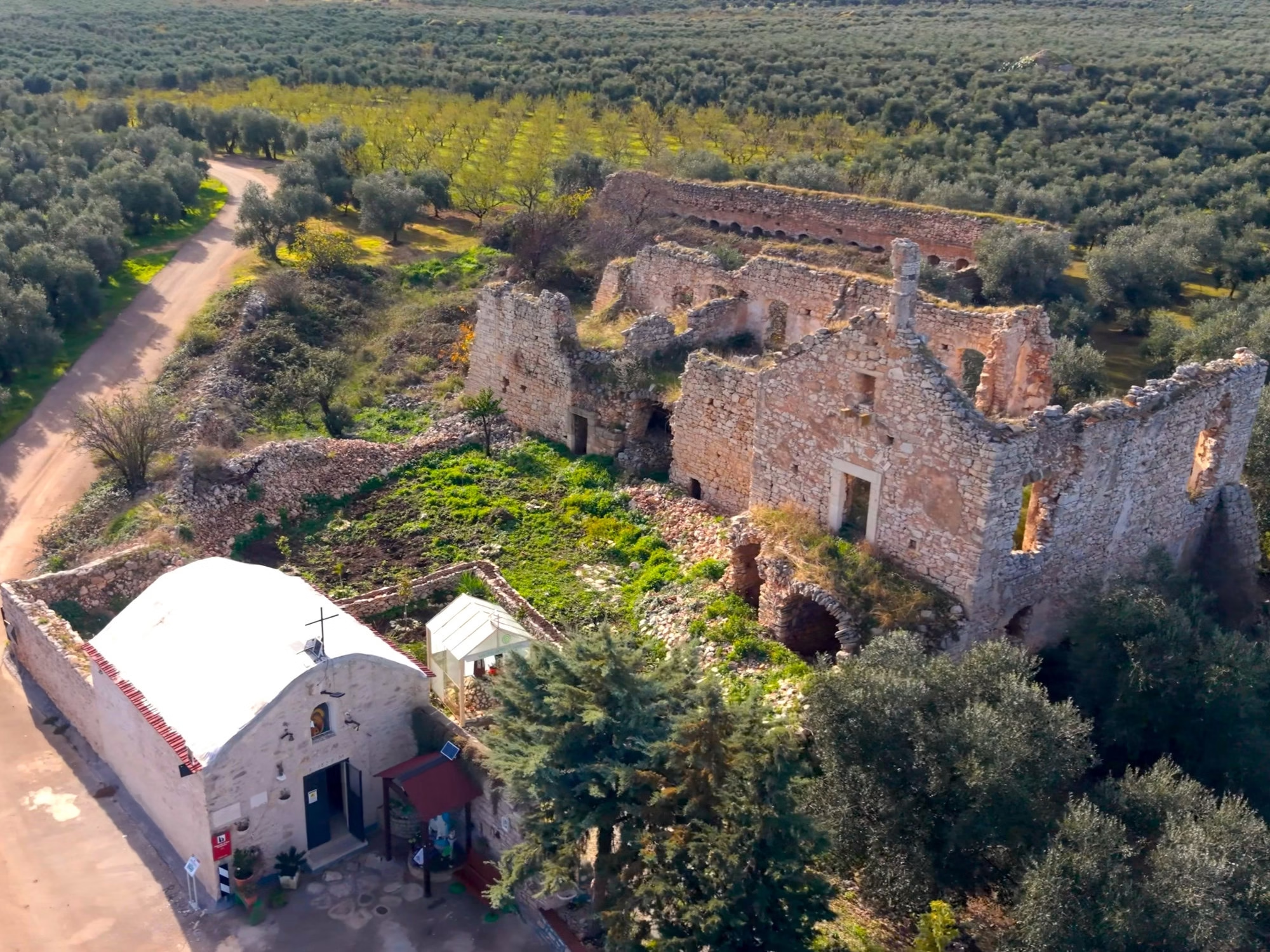
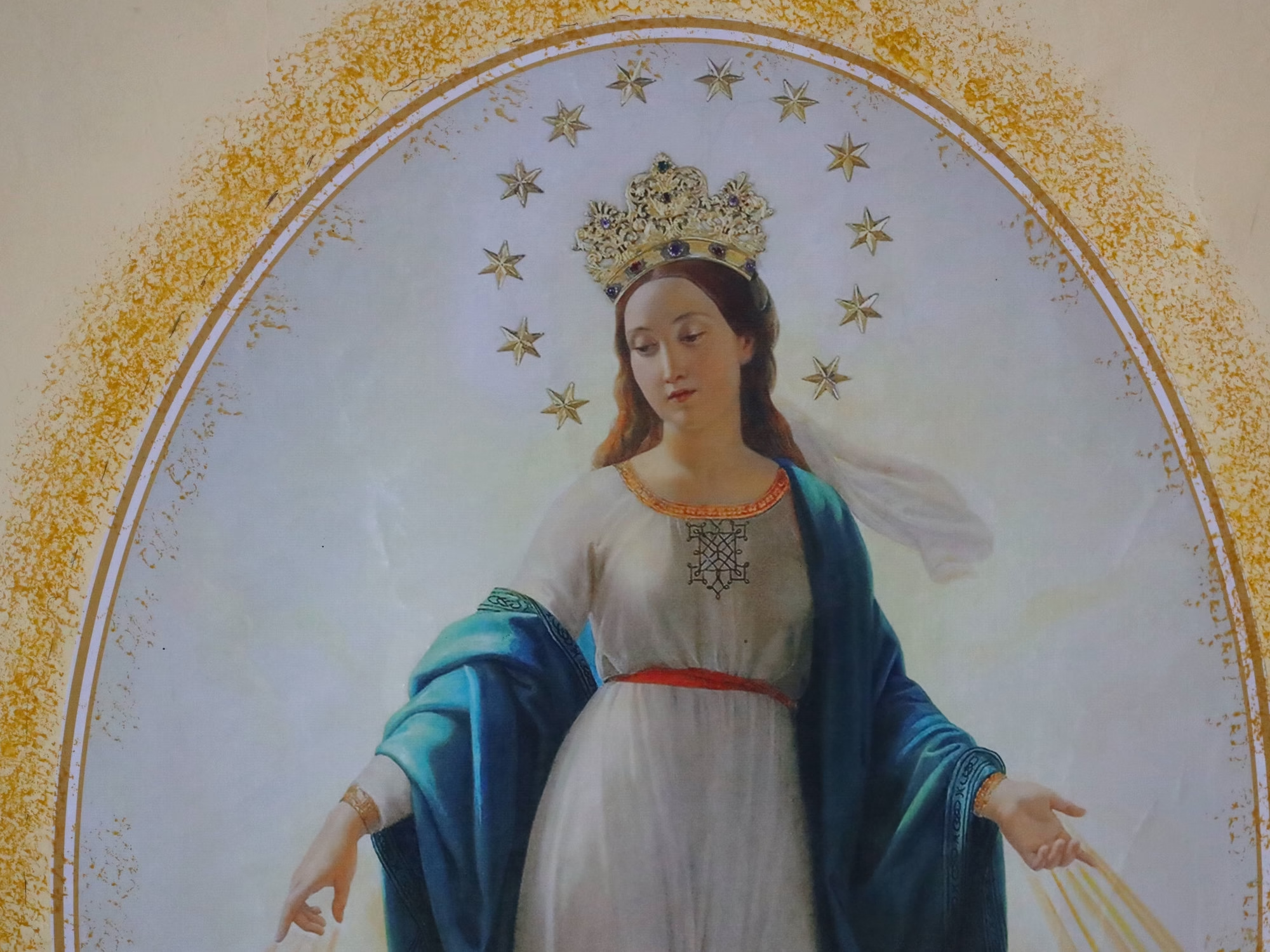
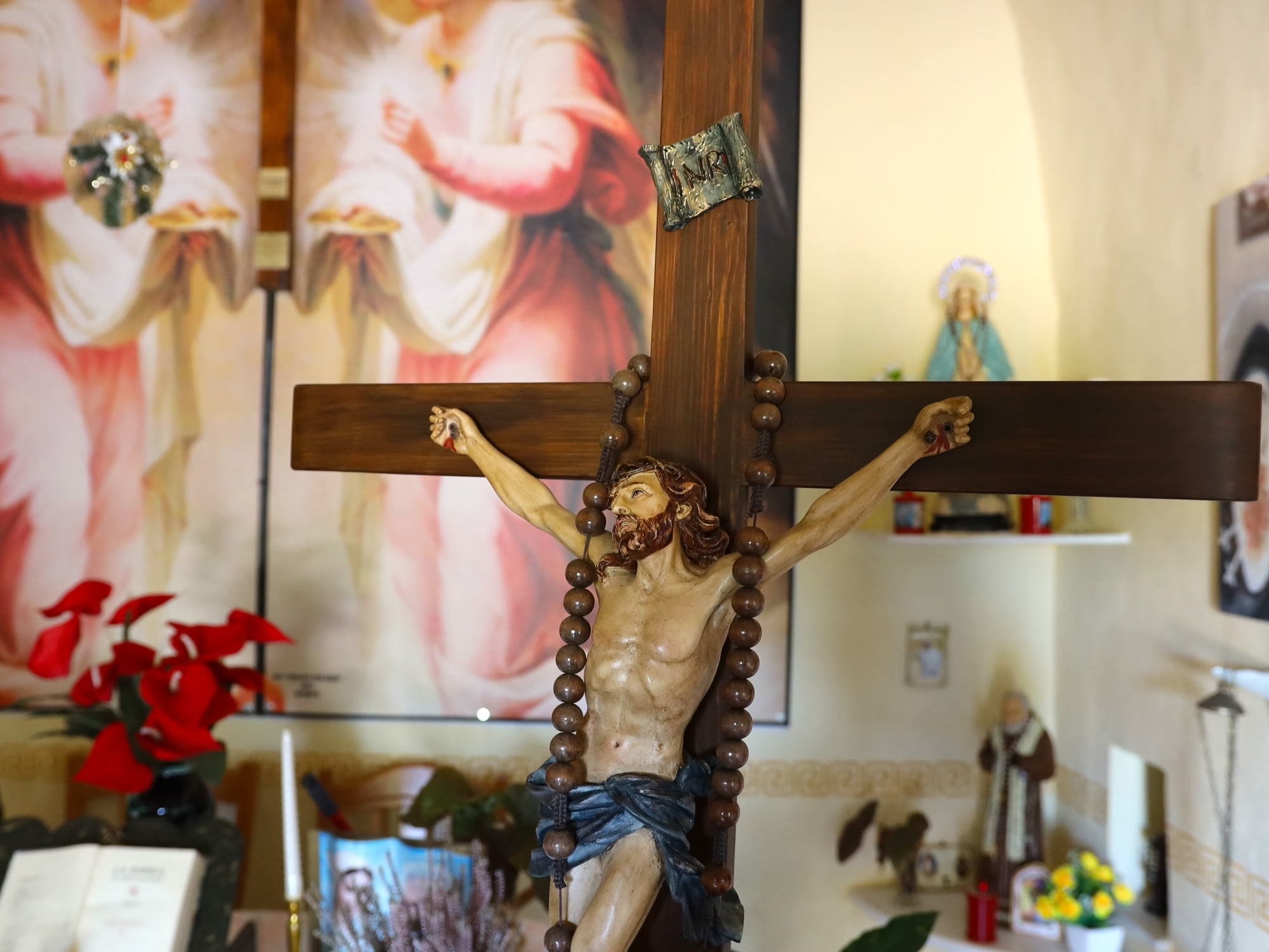
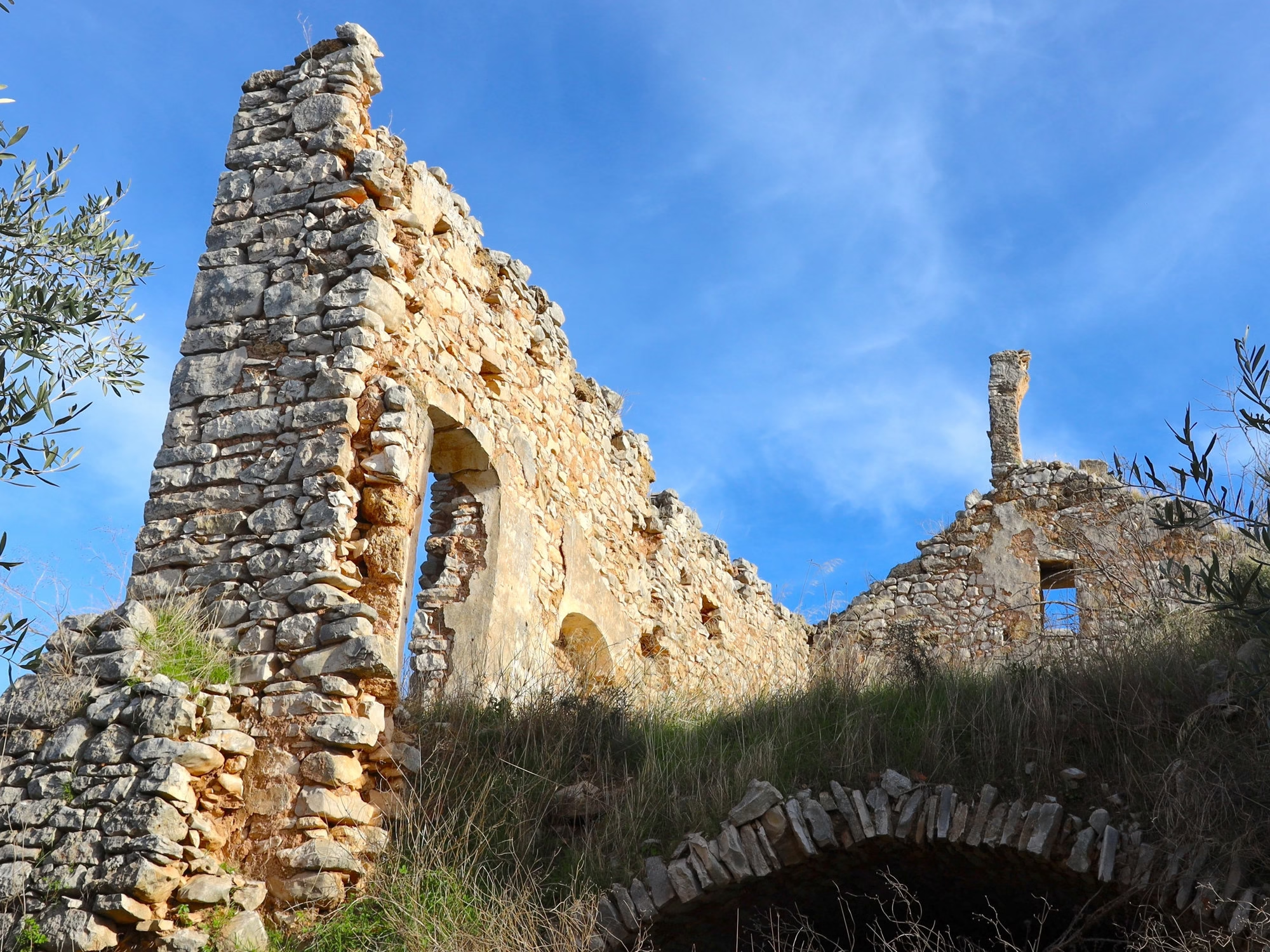
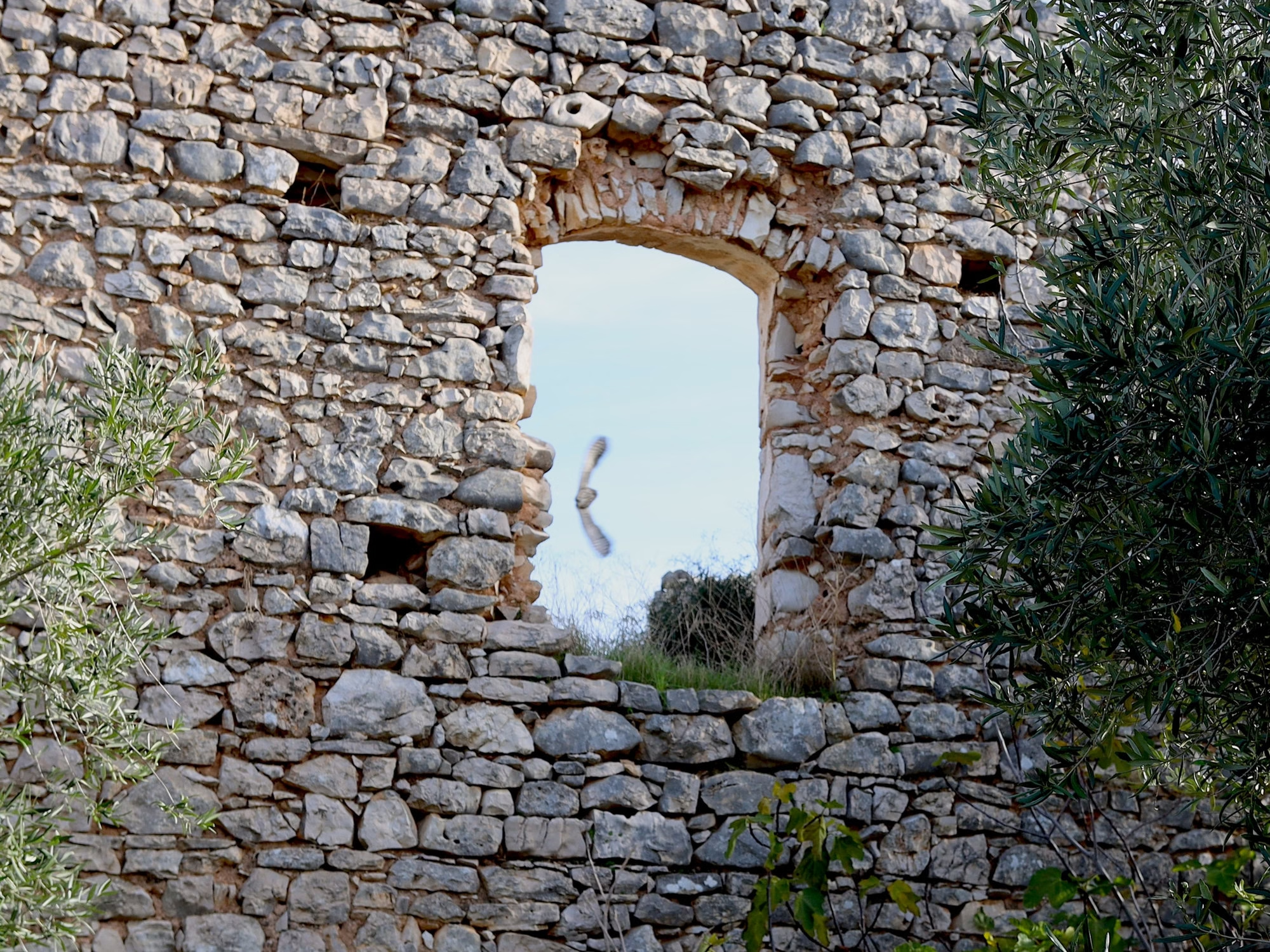
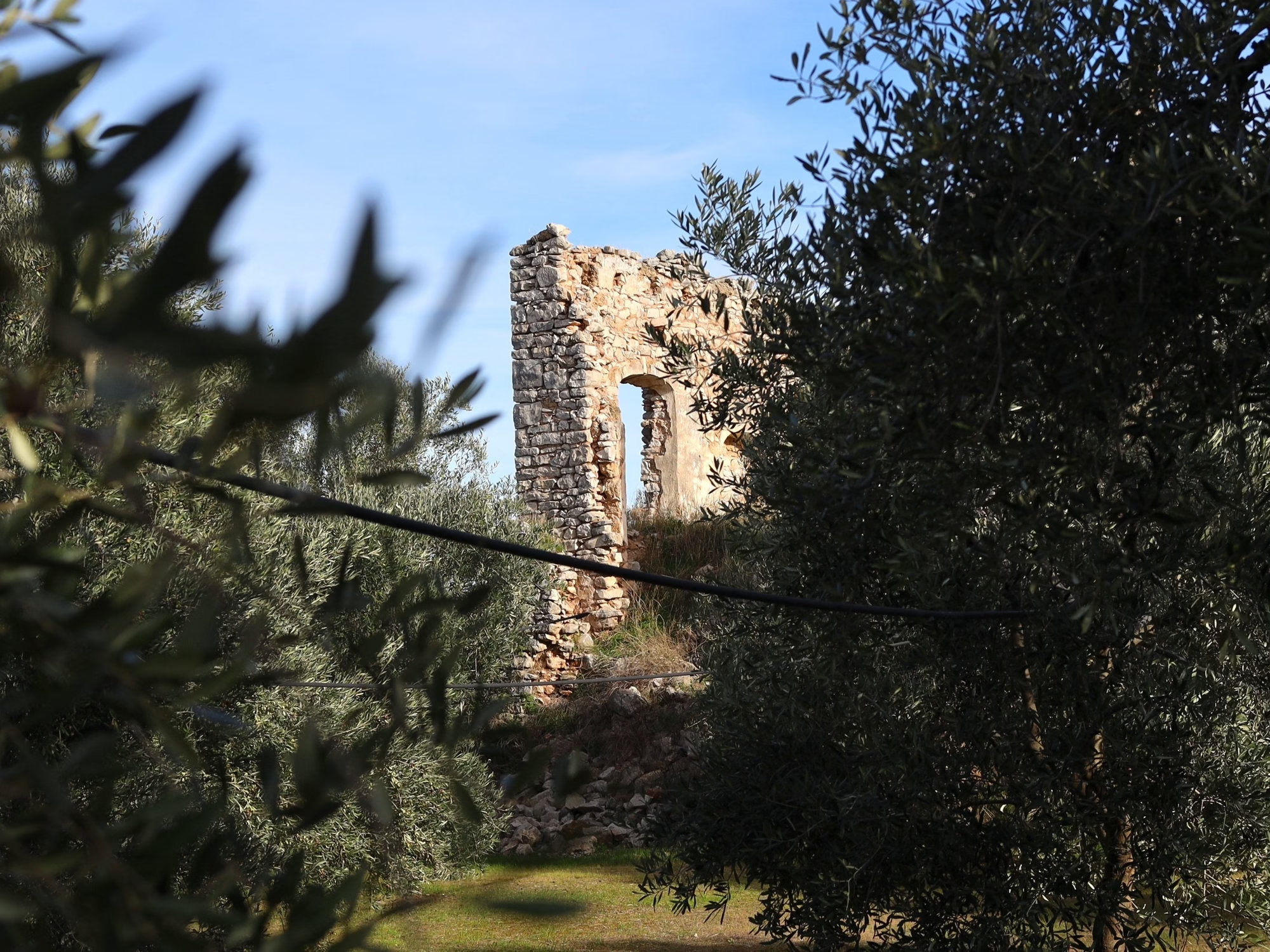
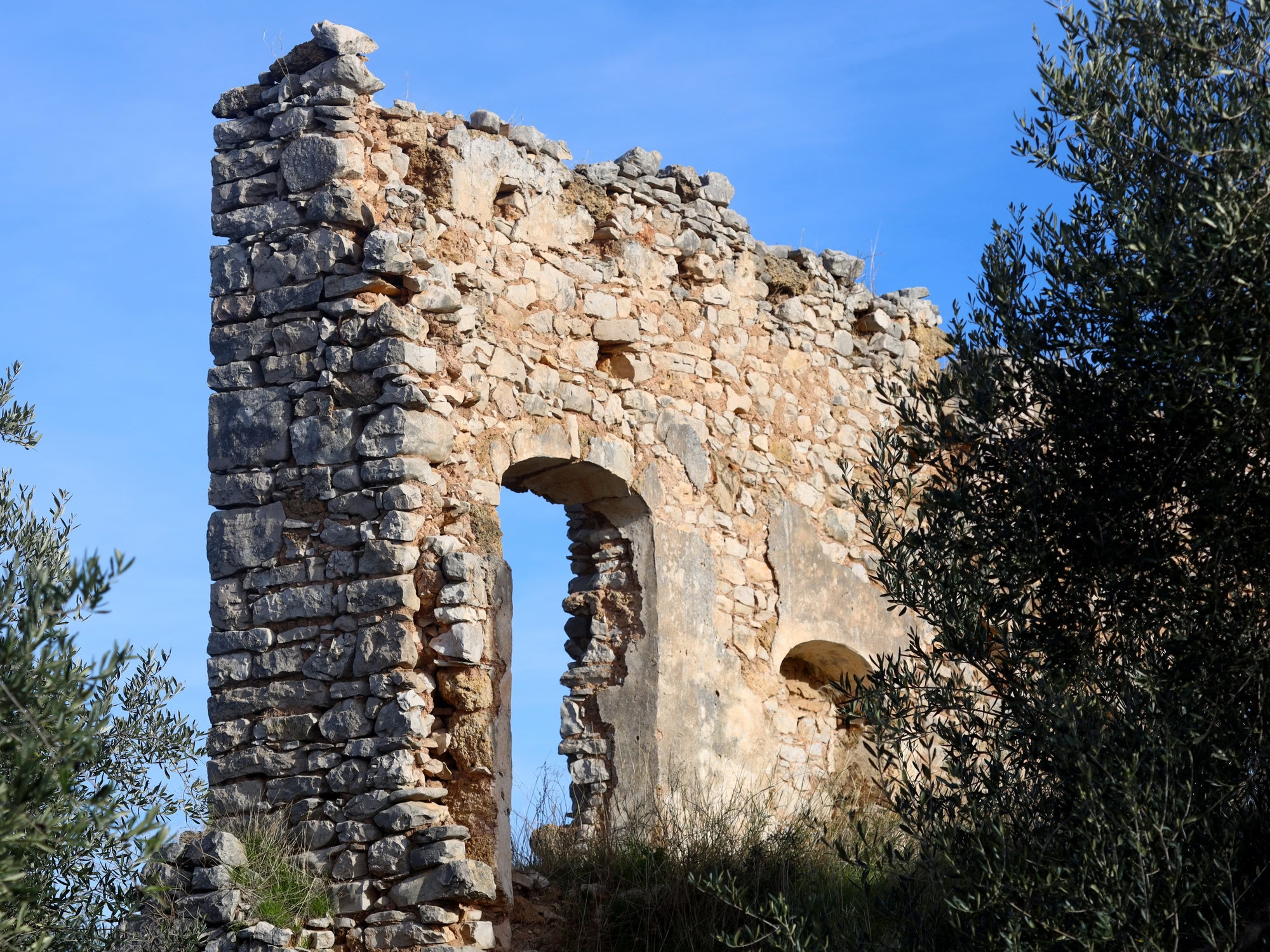
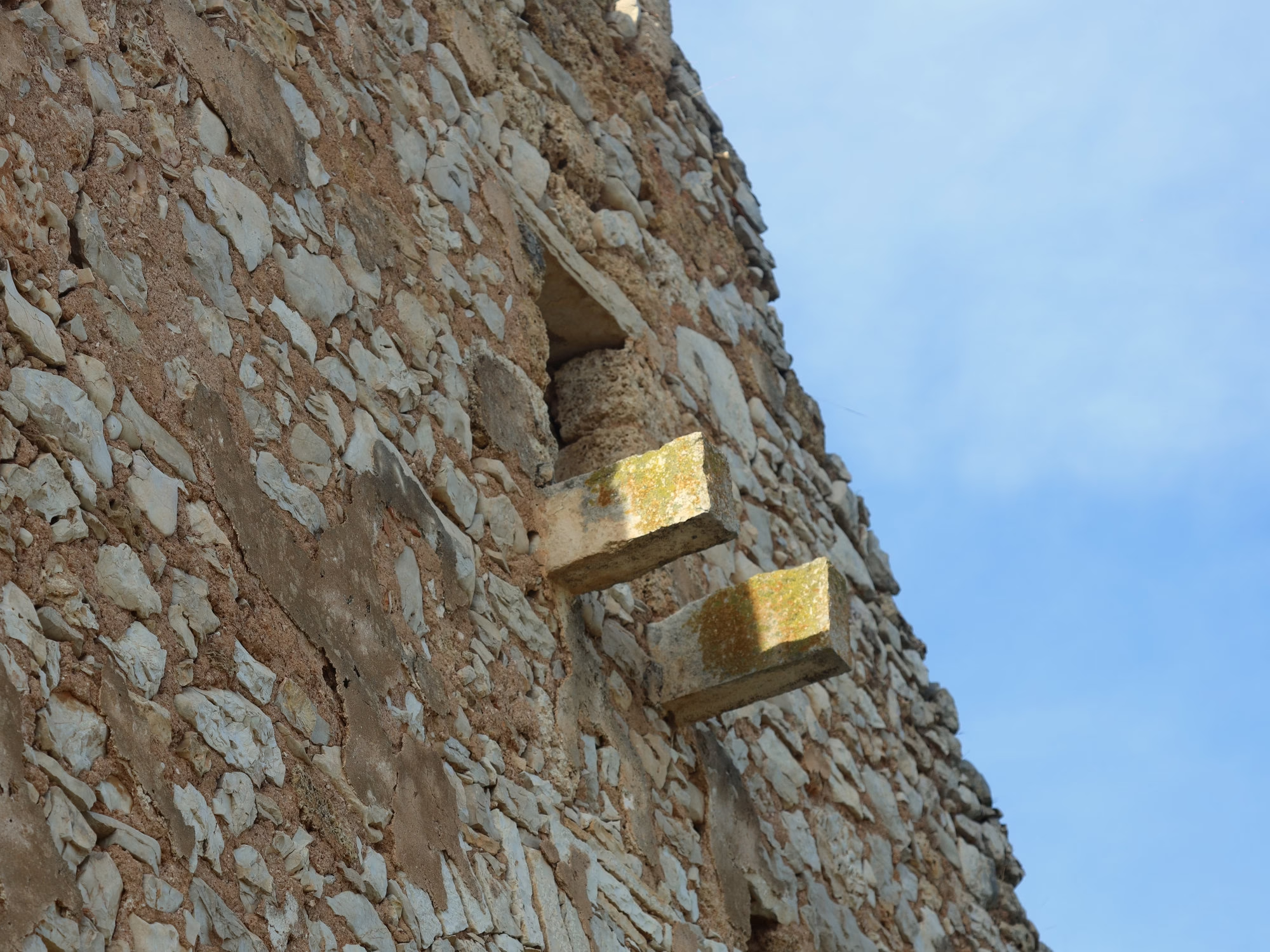
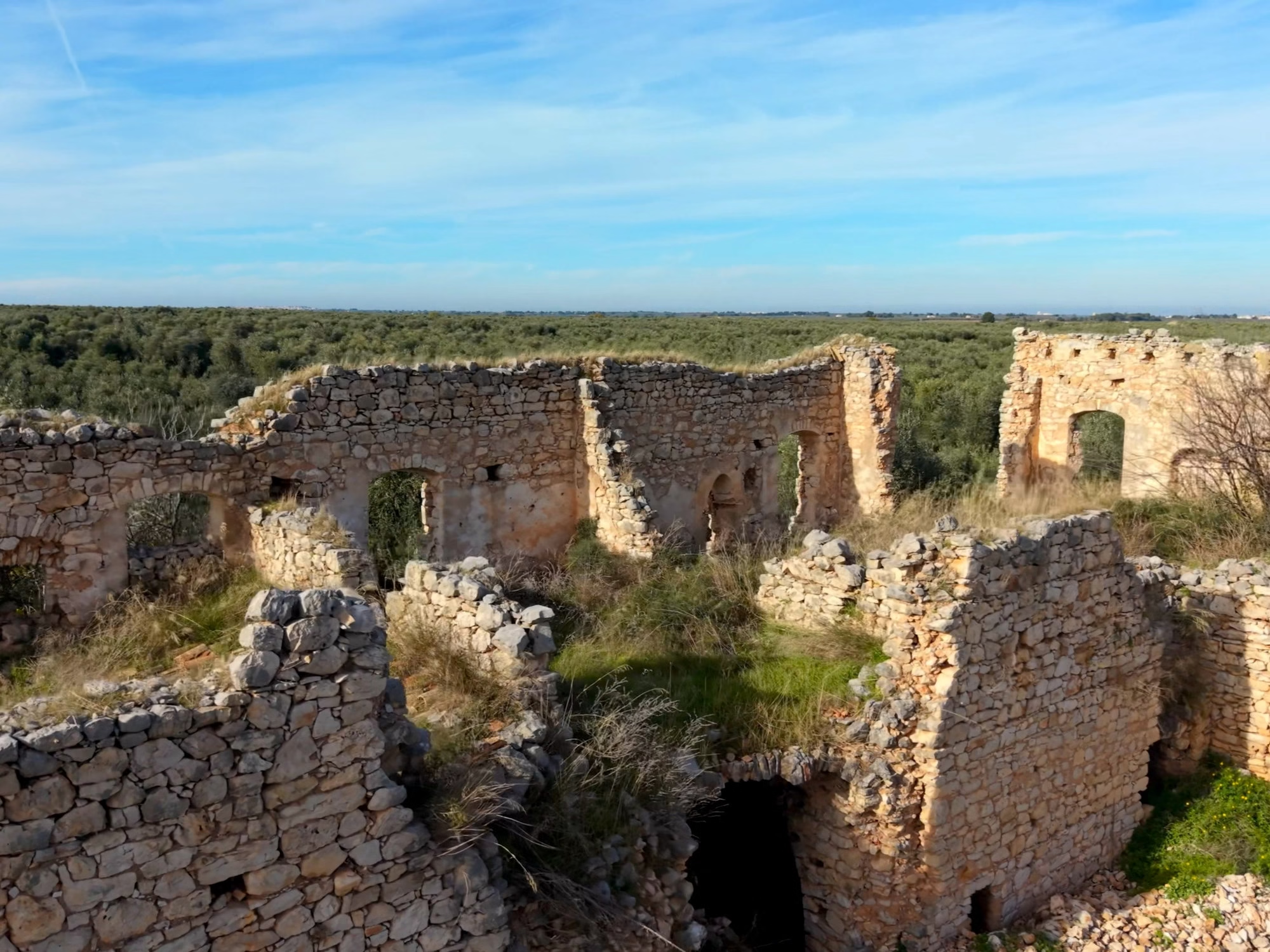
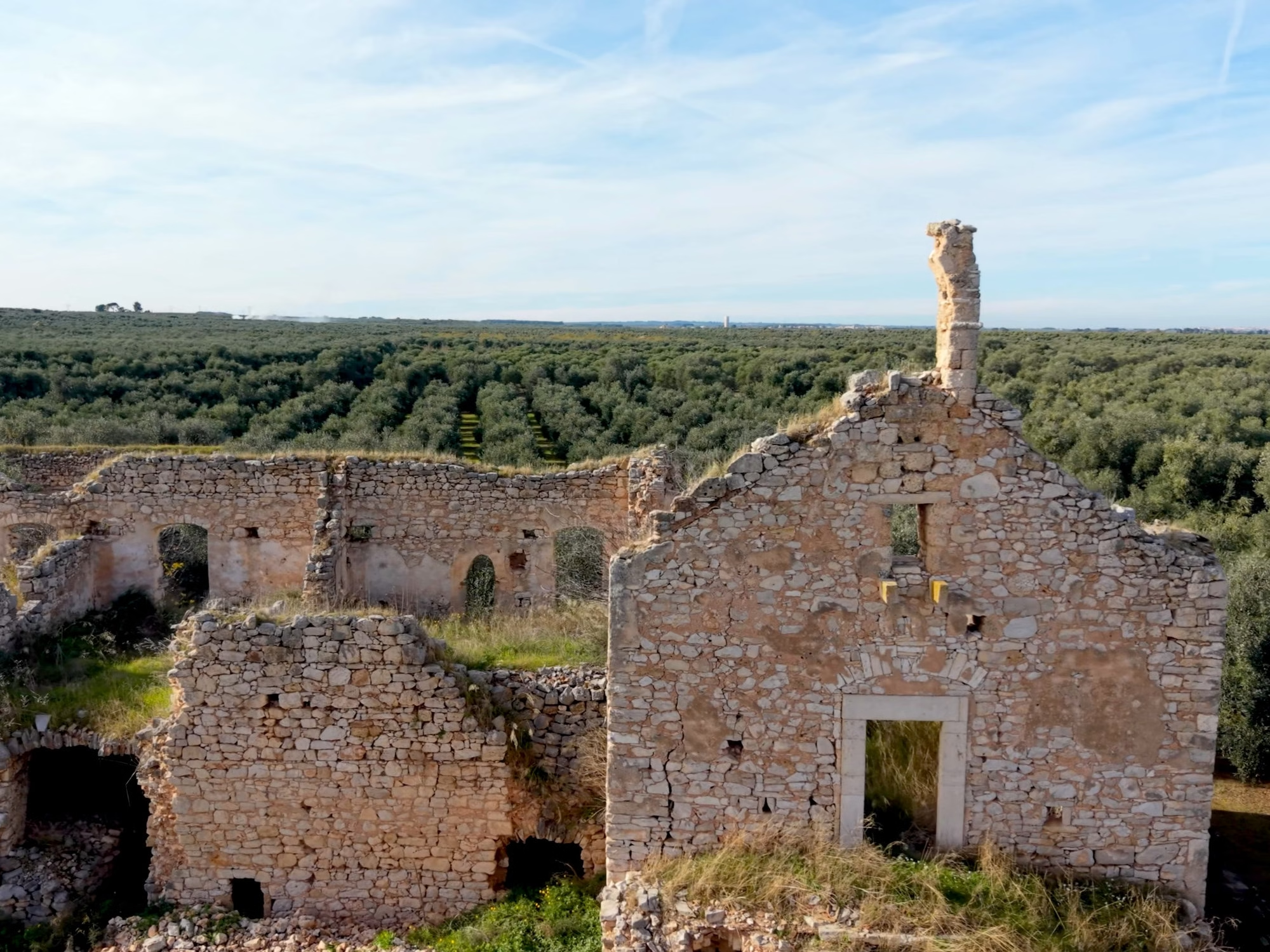
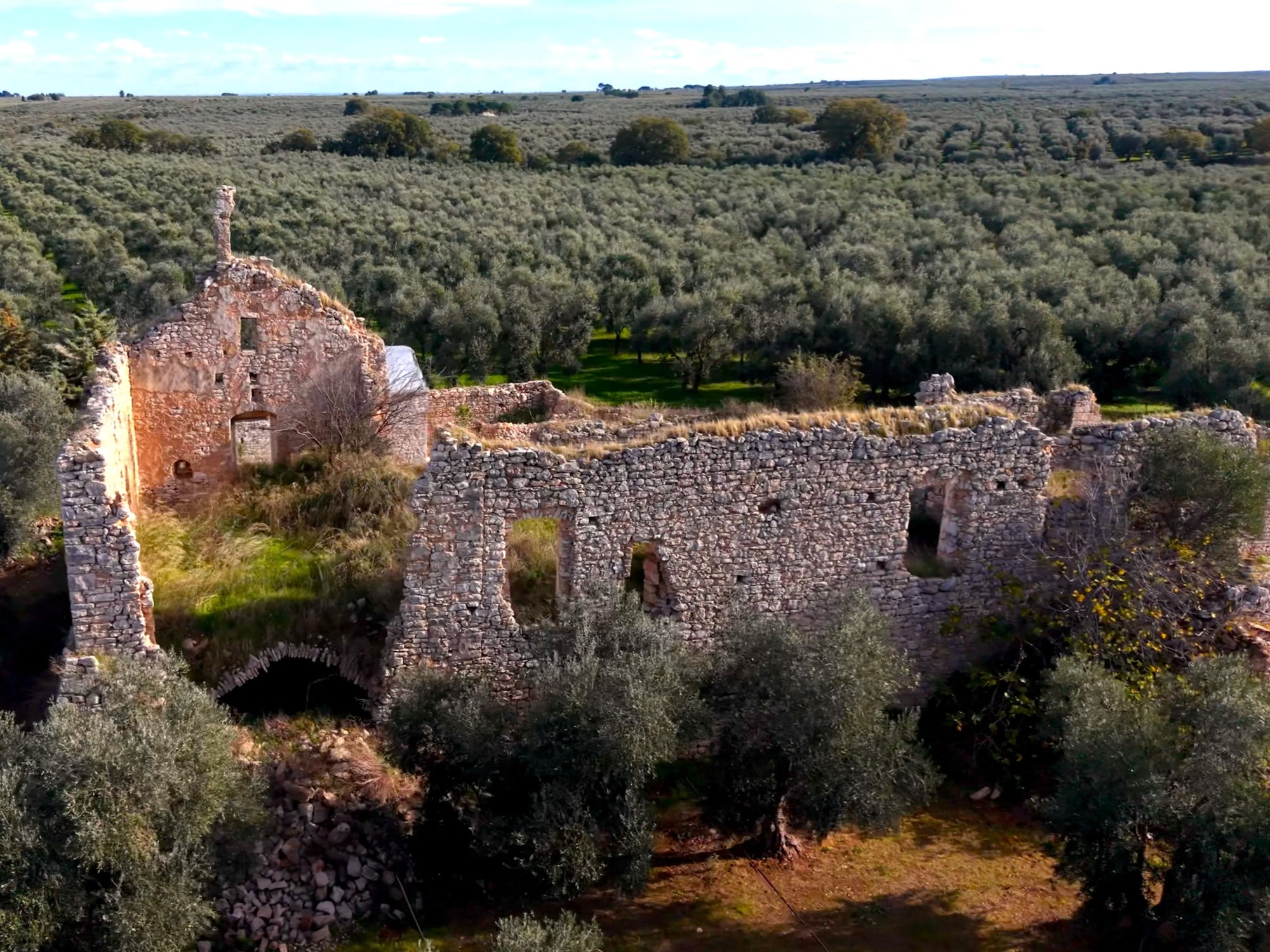
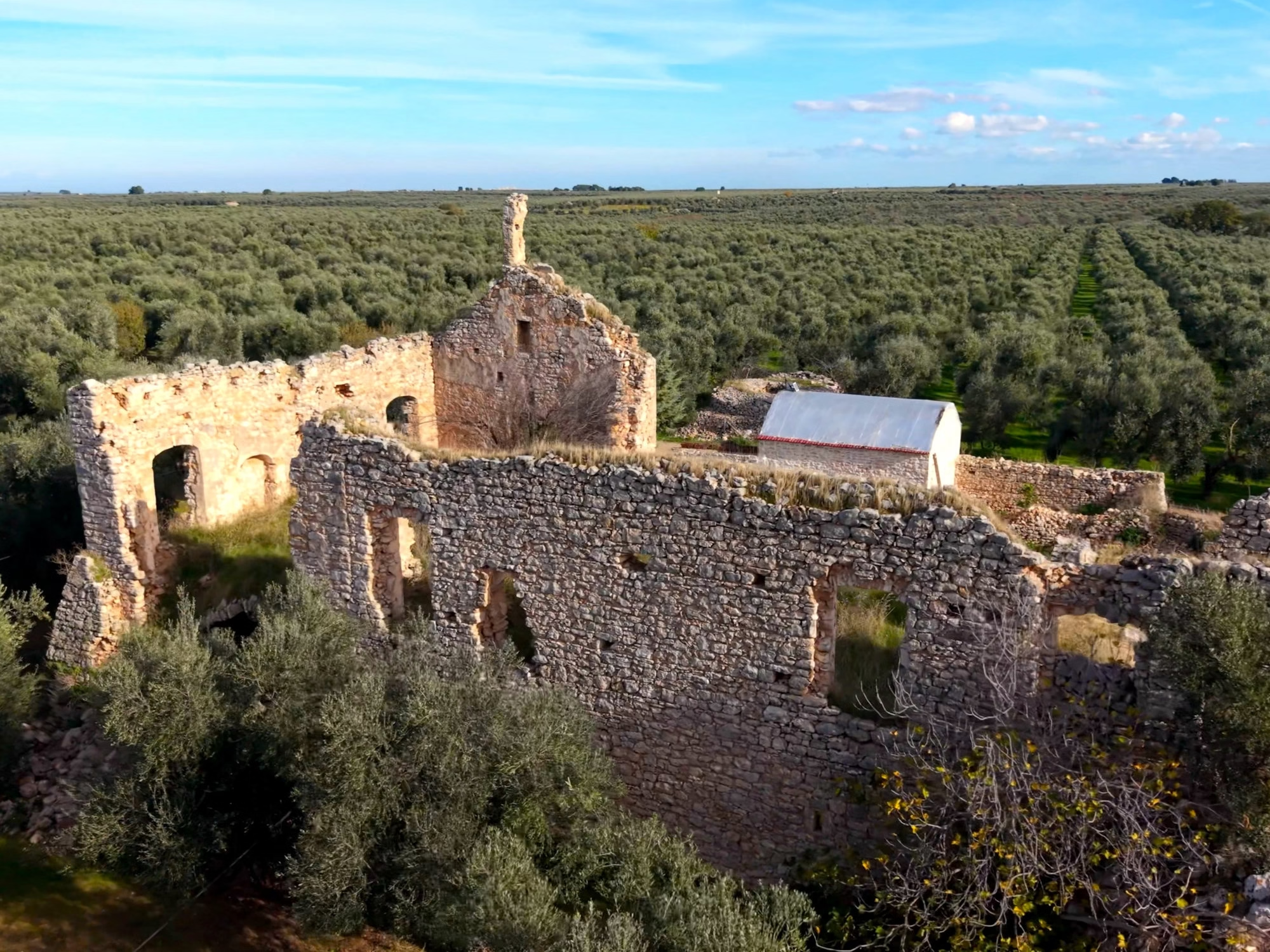
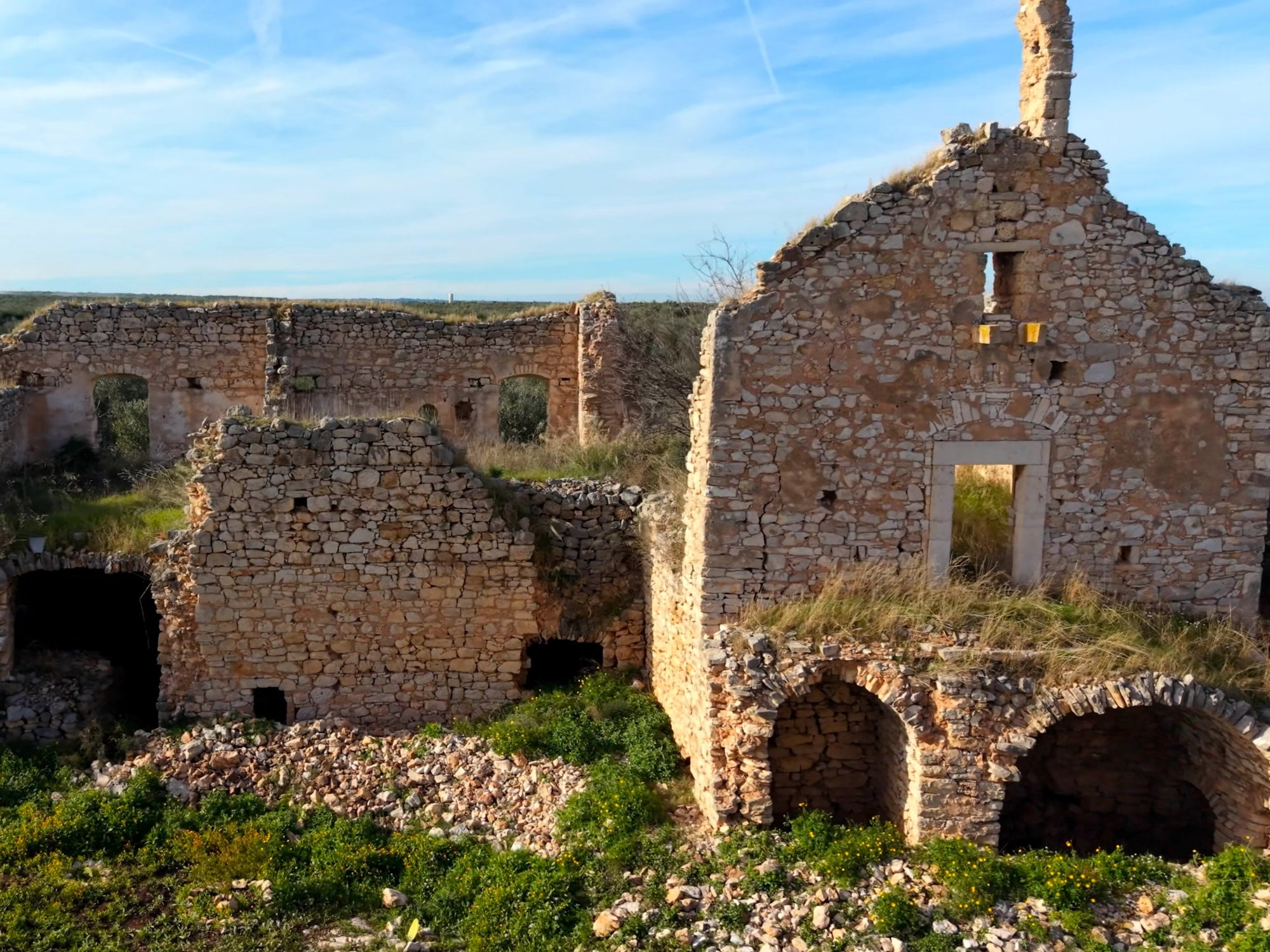
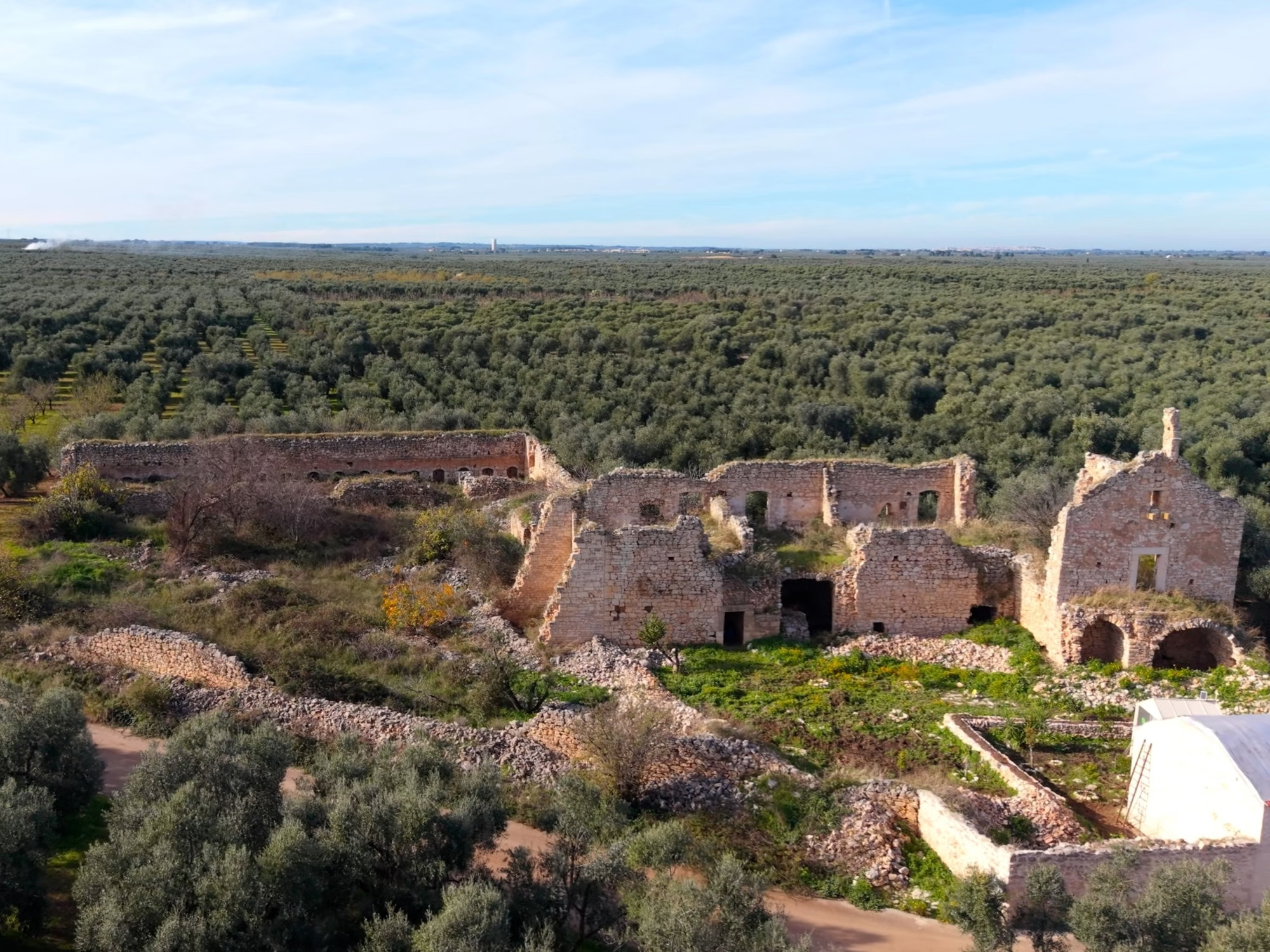
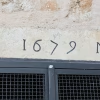
The chapel of Santa Maria di Costantinopoli, mentioned in many documents and probably built by the De Leone family, now lies in ruins. The ruined gabled bell tower once held a bell with the image of the Virgin and the inscription “S. Maria ora pro nobis. A.D. 1752”, now long gone. Near the edge of the property stands another chapel with a rectangular door on the architrave of which is inscribed: “F. 1679 M.” A small recess above the door once contained a fresco of St. Dominic. Inside, the ceiling is barrel-vaulted and long ago a painting depicting the Virgin Mary between St. Dominic and St. John the Baptist once stood on the altar. With the suppression of religious orders and the radical reforms imposed by the French government in 1810, the Dominican monks were forced to leave and all their property was confiscated and sold by the State. Today, the chapel of St. Dominic resists among the surrounding ruins thanks to the care of its devotees. This small oasis of peace and silence is a point of reference for cyclists passing by: a place to stop and rest where the stone and the very air are saturated with history.