Masseria Azzolini
Cent. 19th
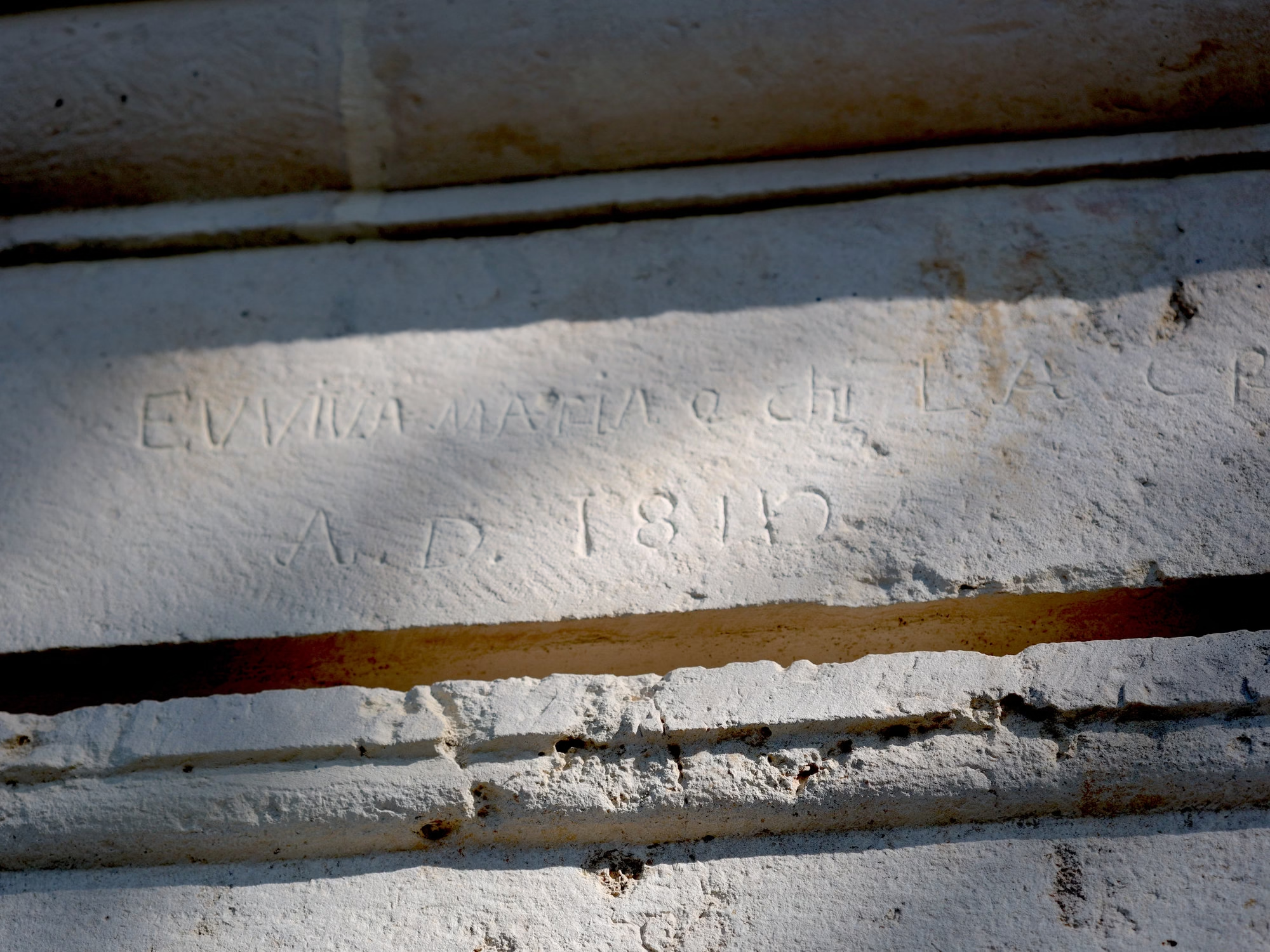
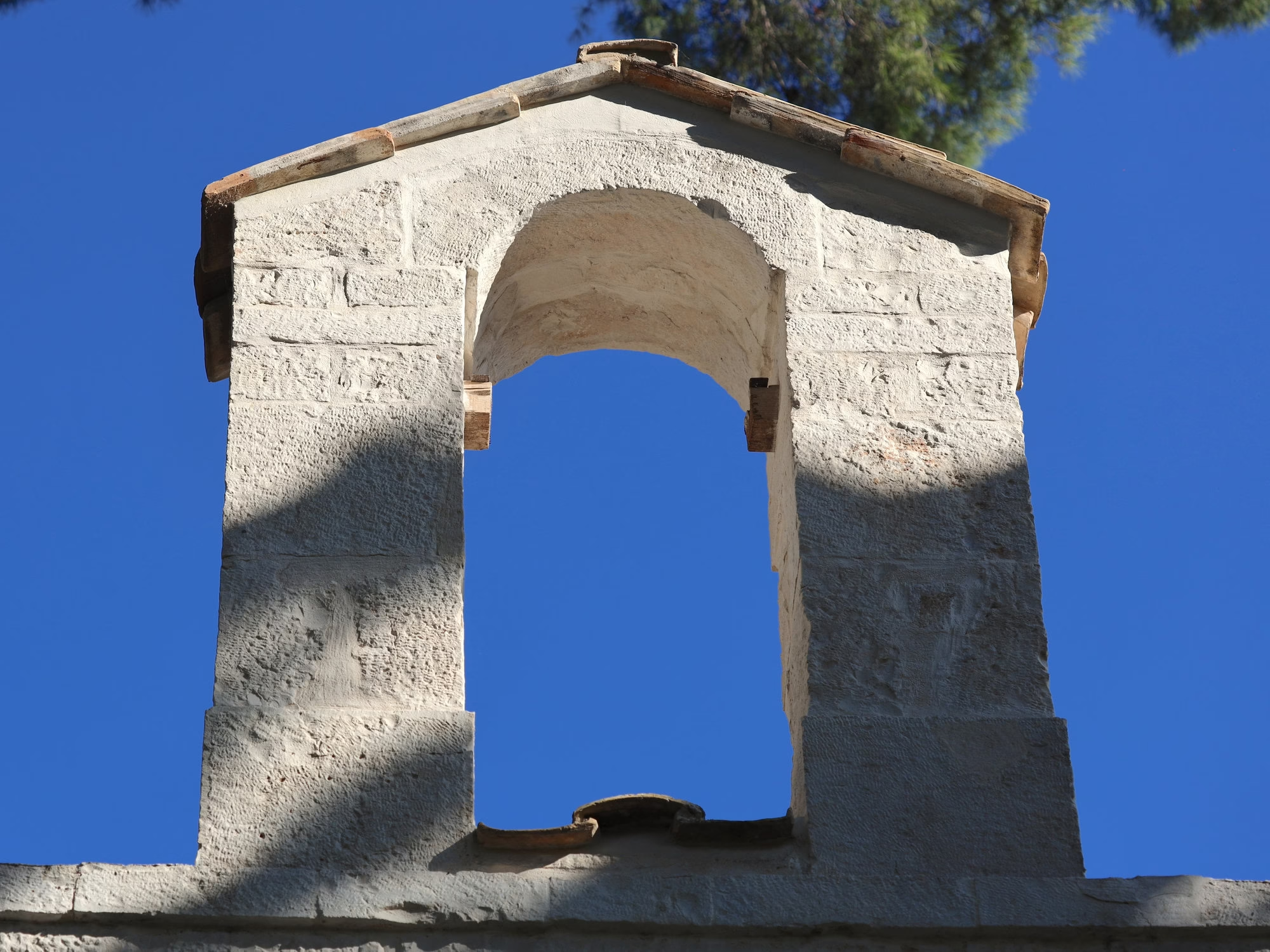
Nicola Azzolini was born in Molfetta but his story was closely tied to Palo del Colle. He arrived here in 1886 to restore a deserted mill. For years the work was hard and uncertain: the mill struggled but Nicola did not give up. With patience and persistence, he transformed the old mill into a modern system using cylinders. This turning point led to a thriving business producing pasta and bread. He took on more staff and the Azzolini brand became well-known in Italy and even overseas. His wealth was built with great sacrifice, innovation and tenacity but Nicola remained a simple man, dedicated to his work and uninterested in political or honorary ambitions. Casina Azzolini still belongs to his family. An elegant tree-lined road leads to the house: twelve ancient pines stand as silent guards. On the left of the driveway stands a small chapel with a small gabled bell tower above its trapezoid façade. The architrave of the rectangular entrance bears the inscription “Viva Maria 1840″.
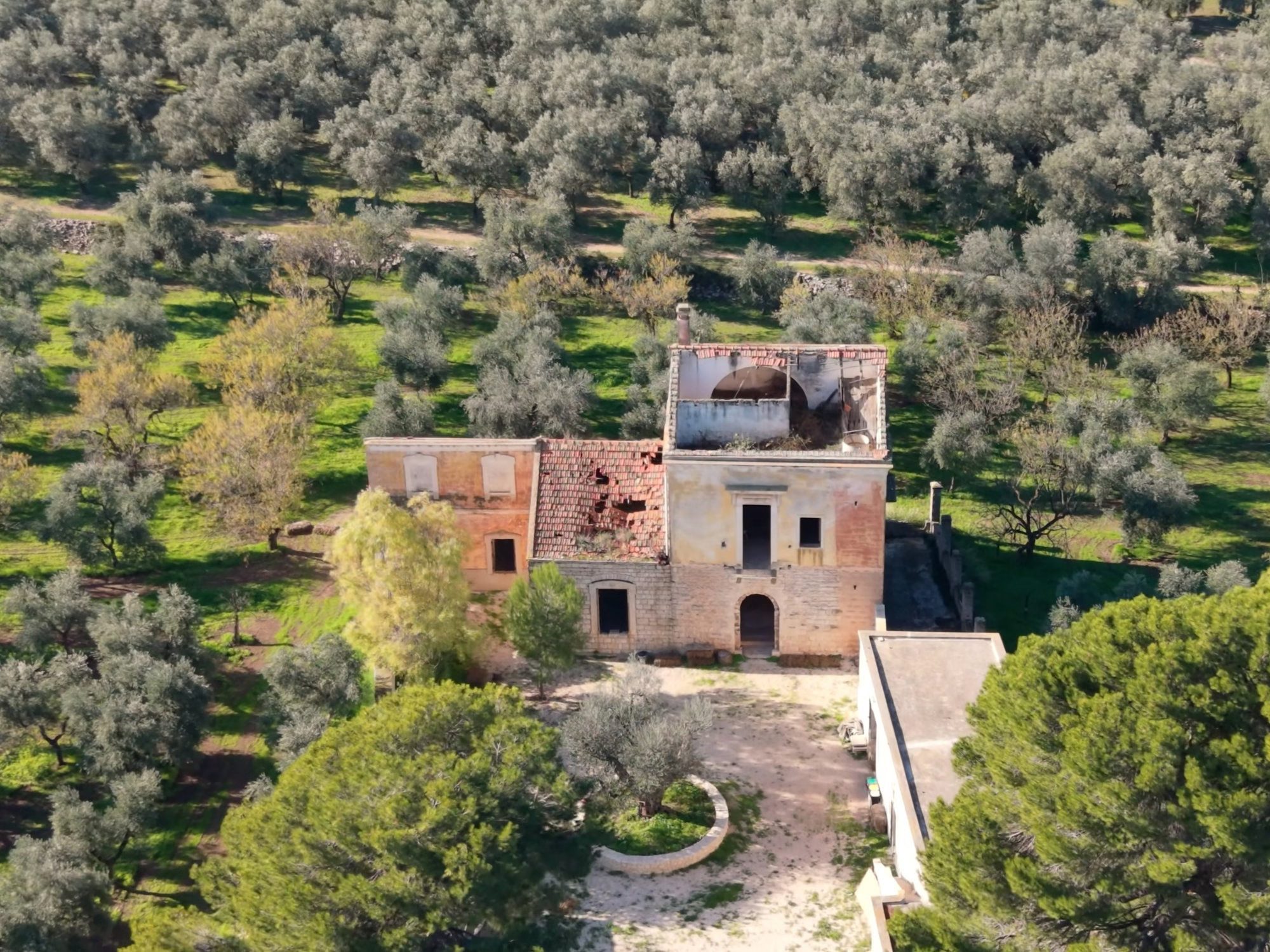
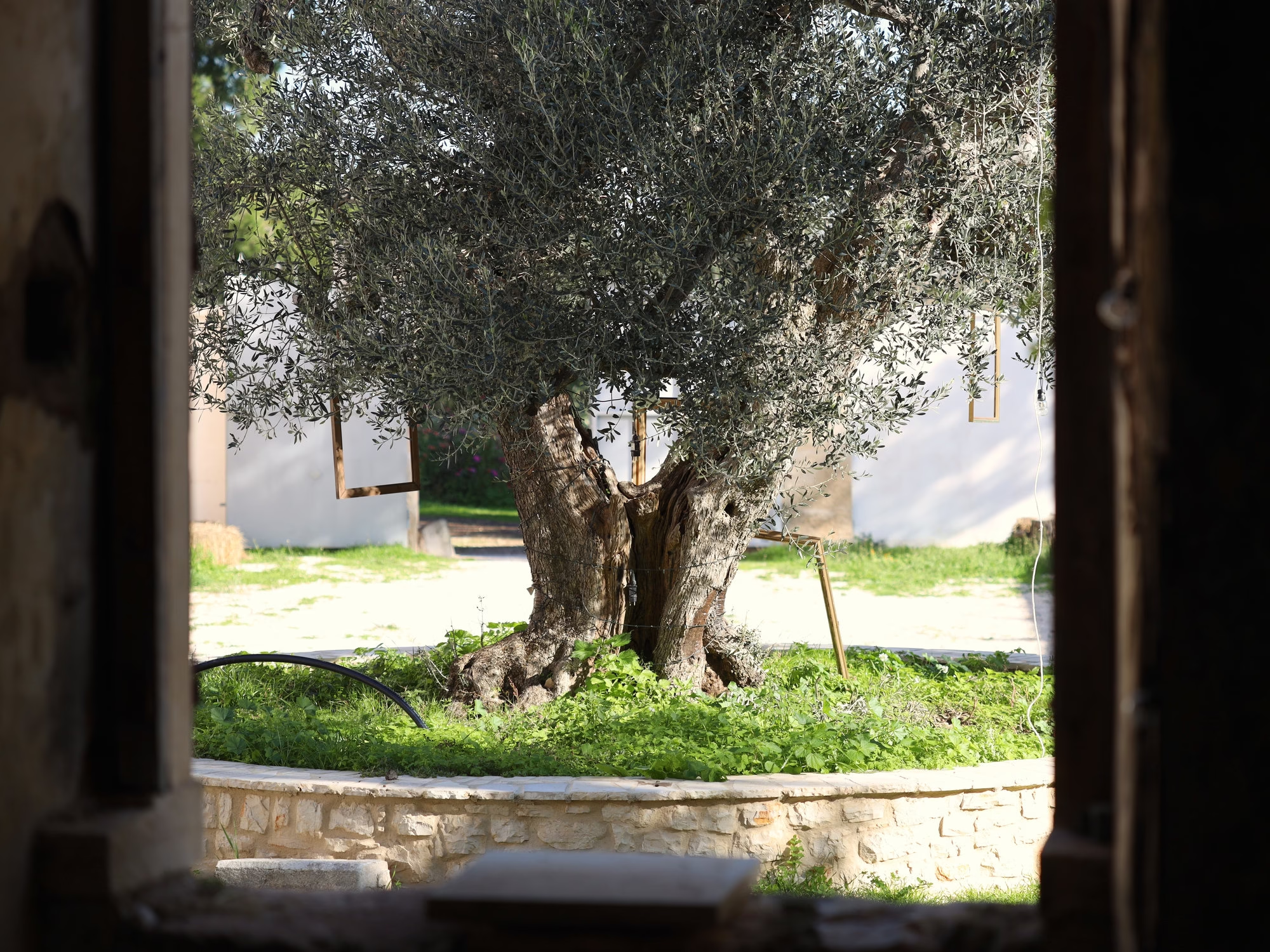
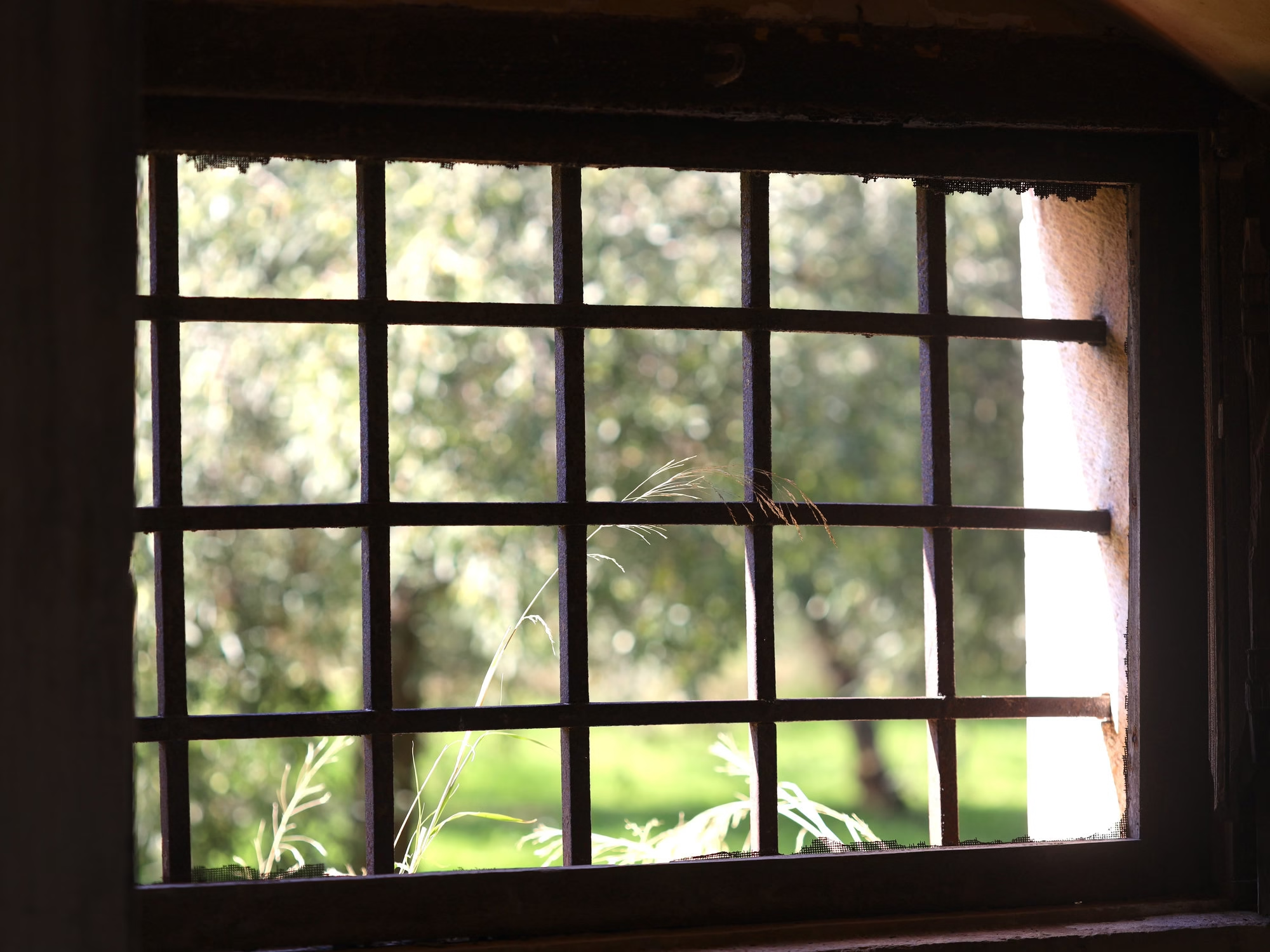
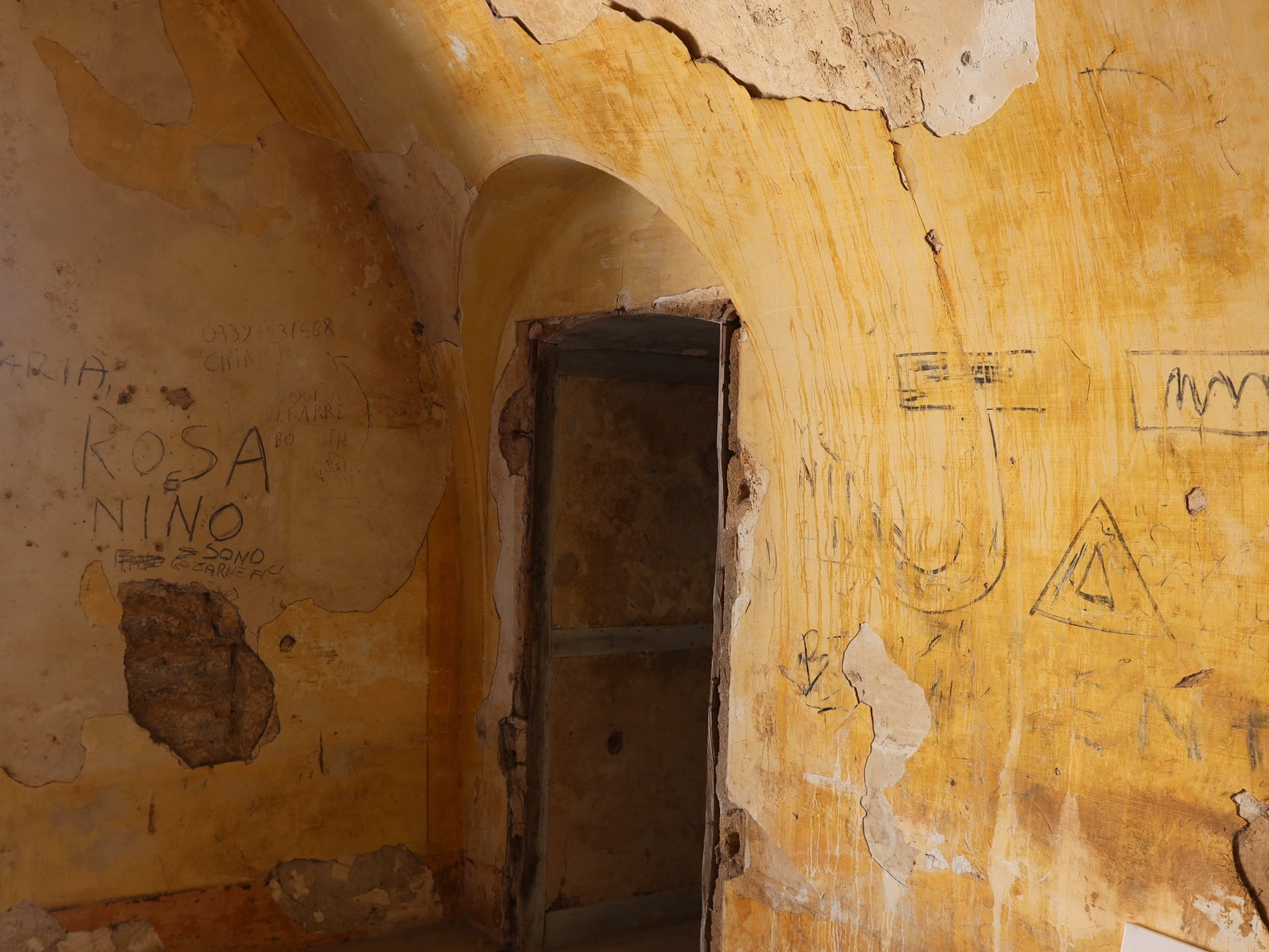
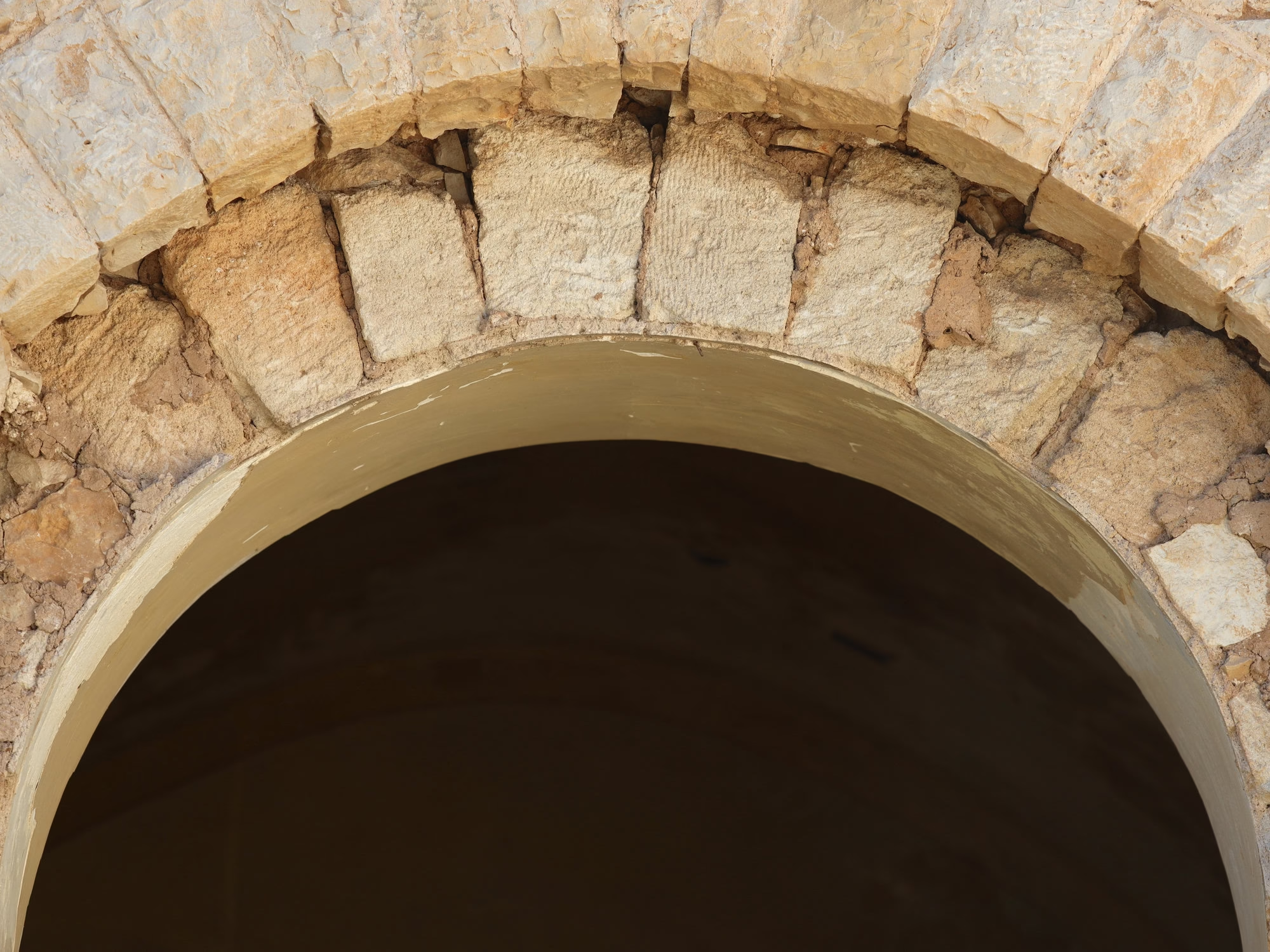
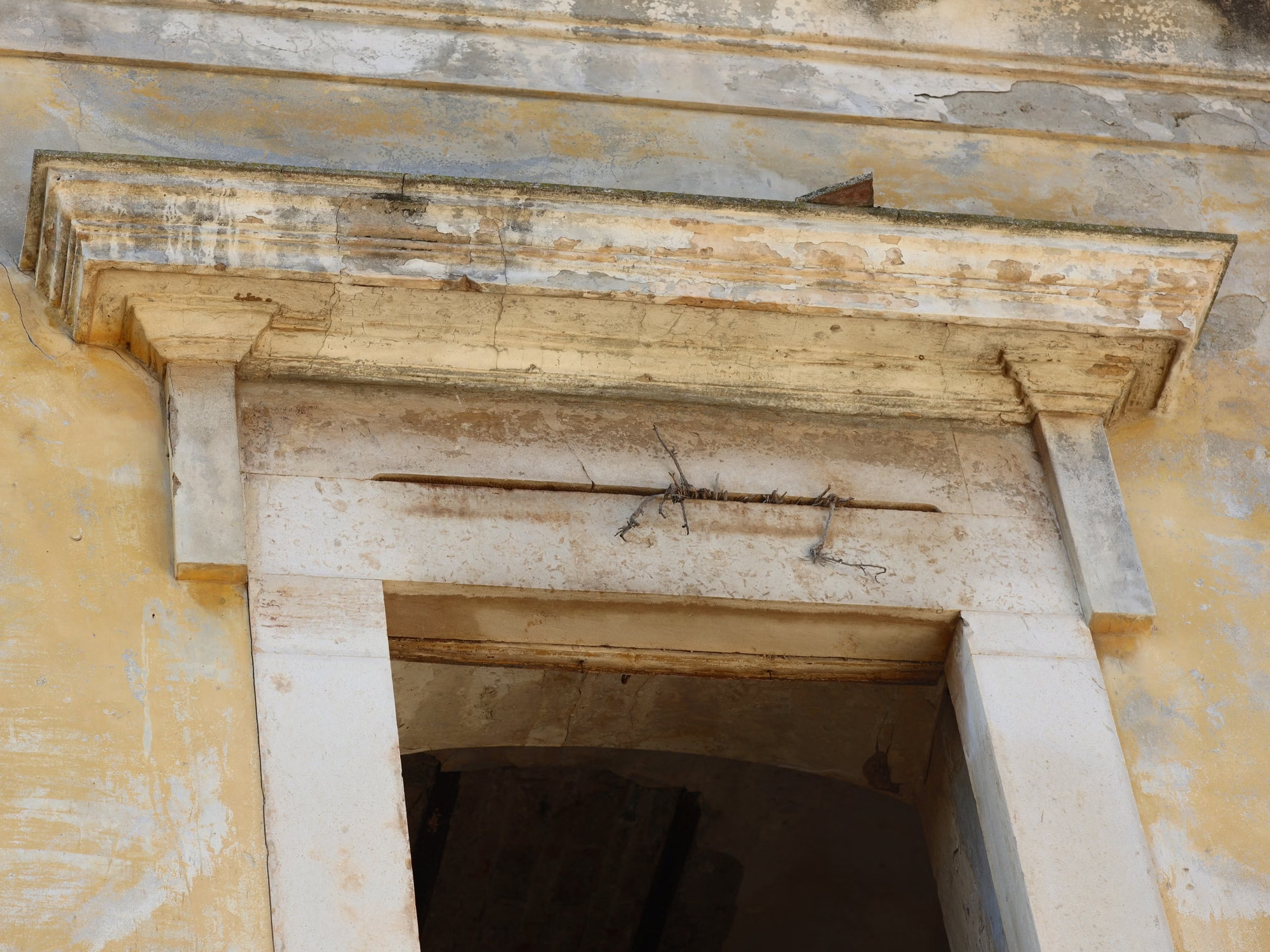
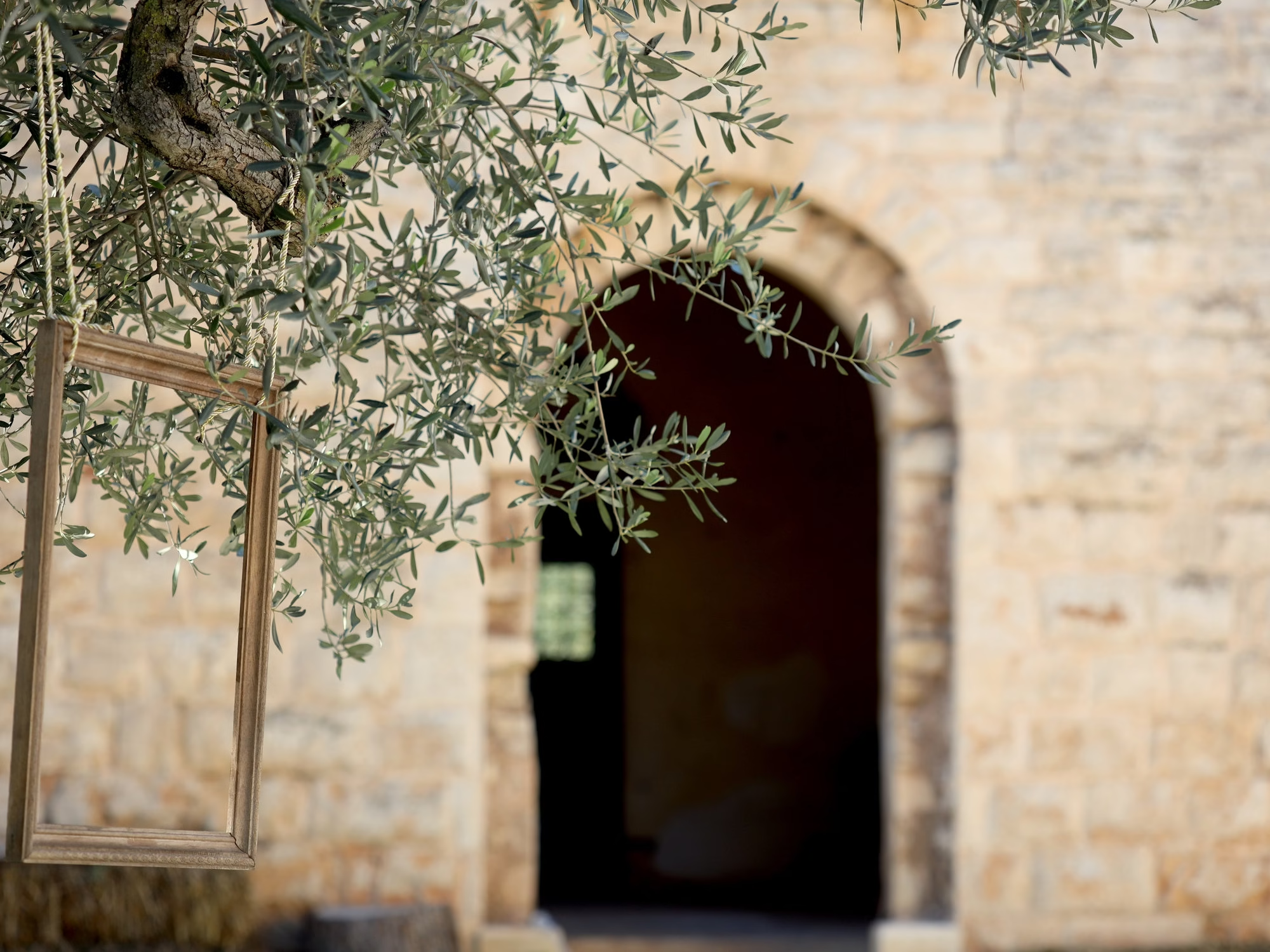
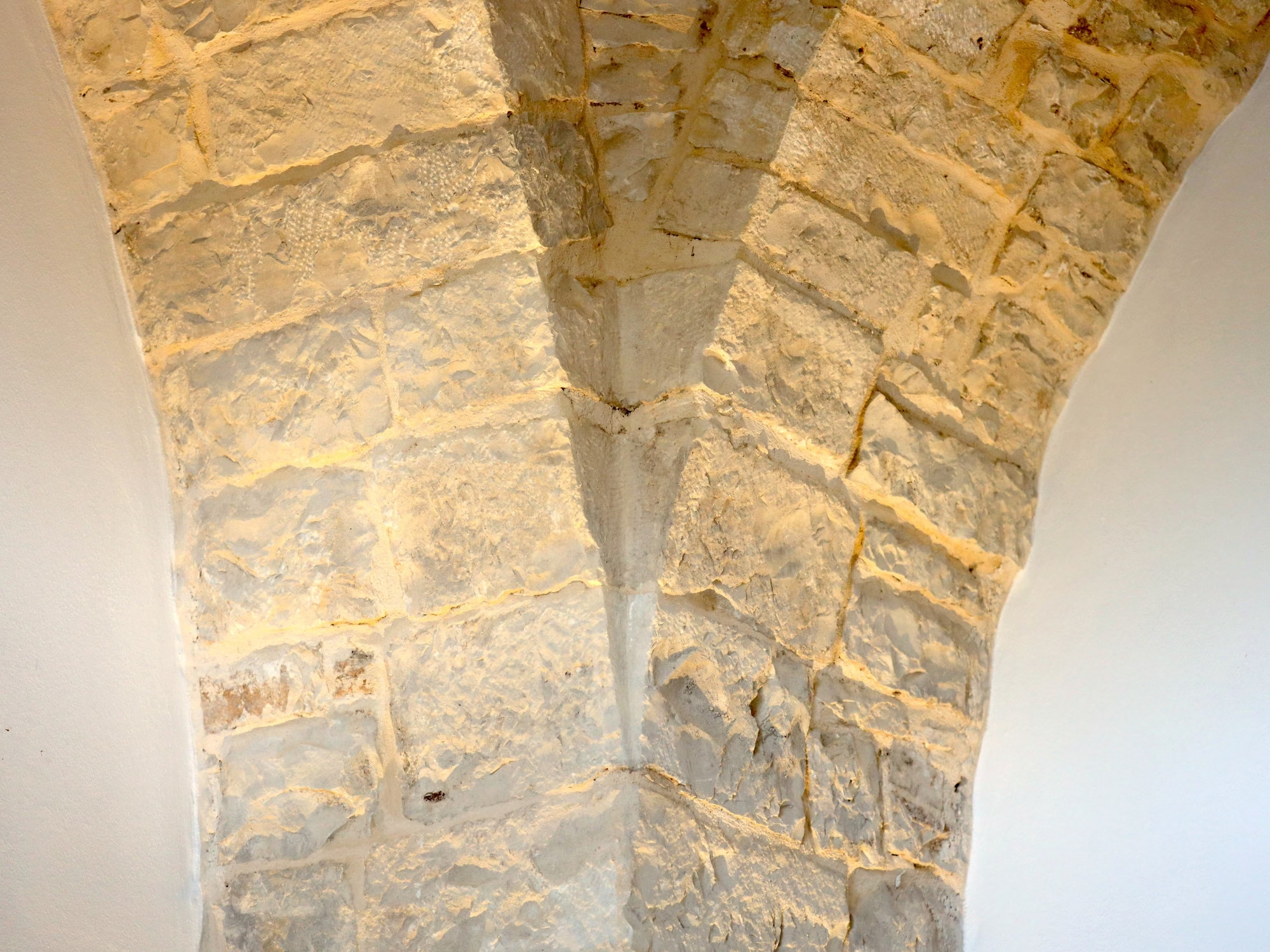
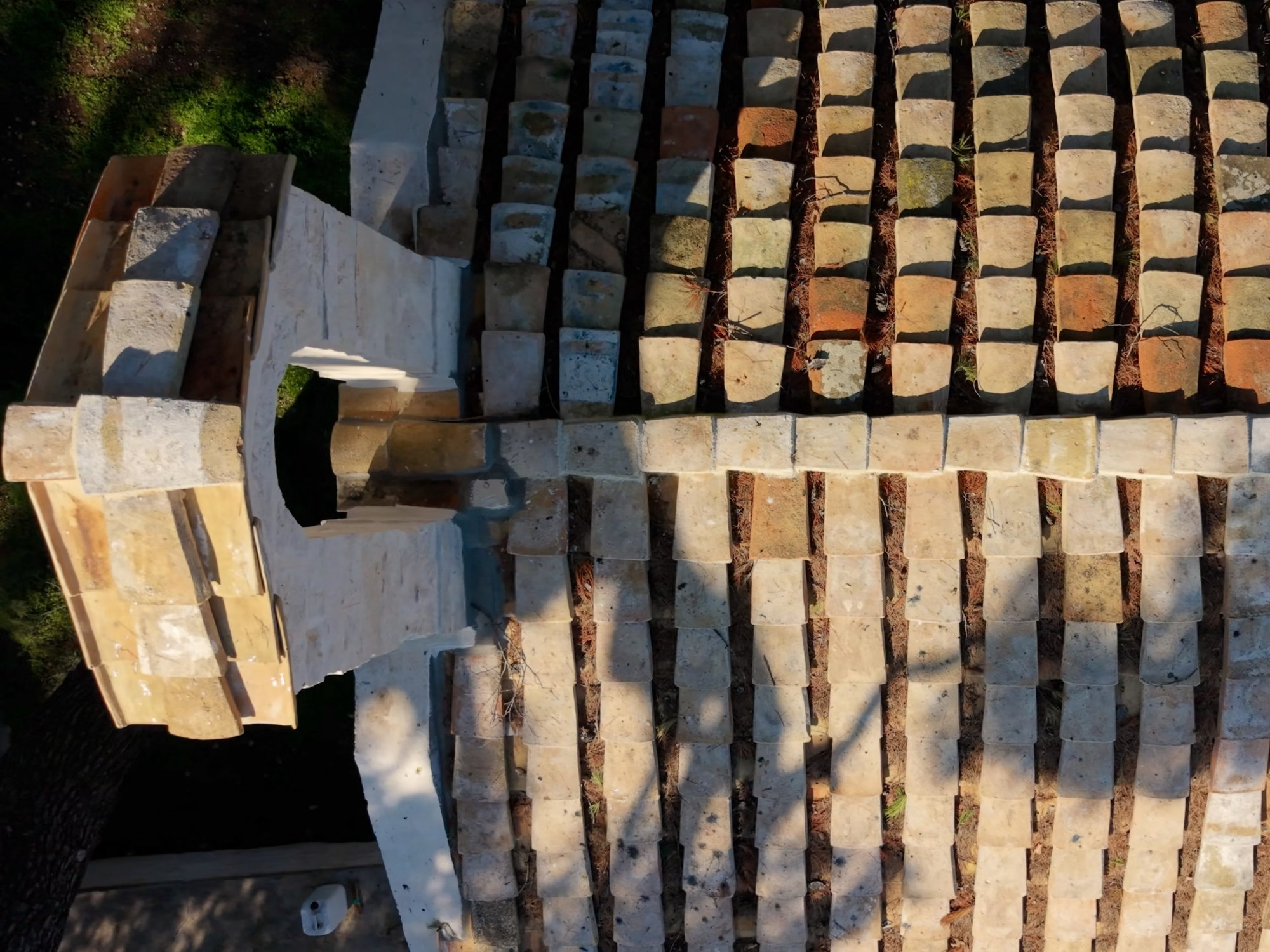
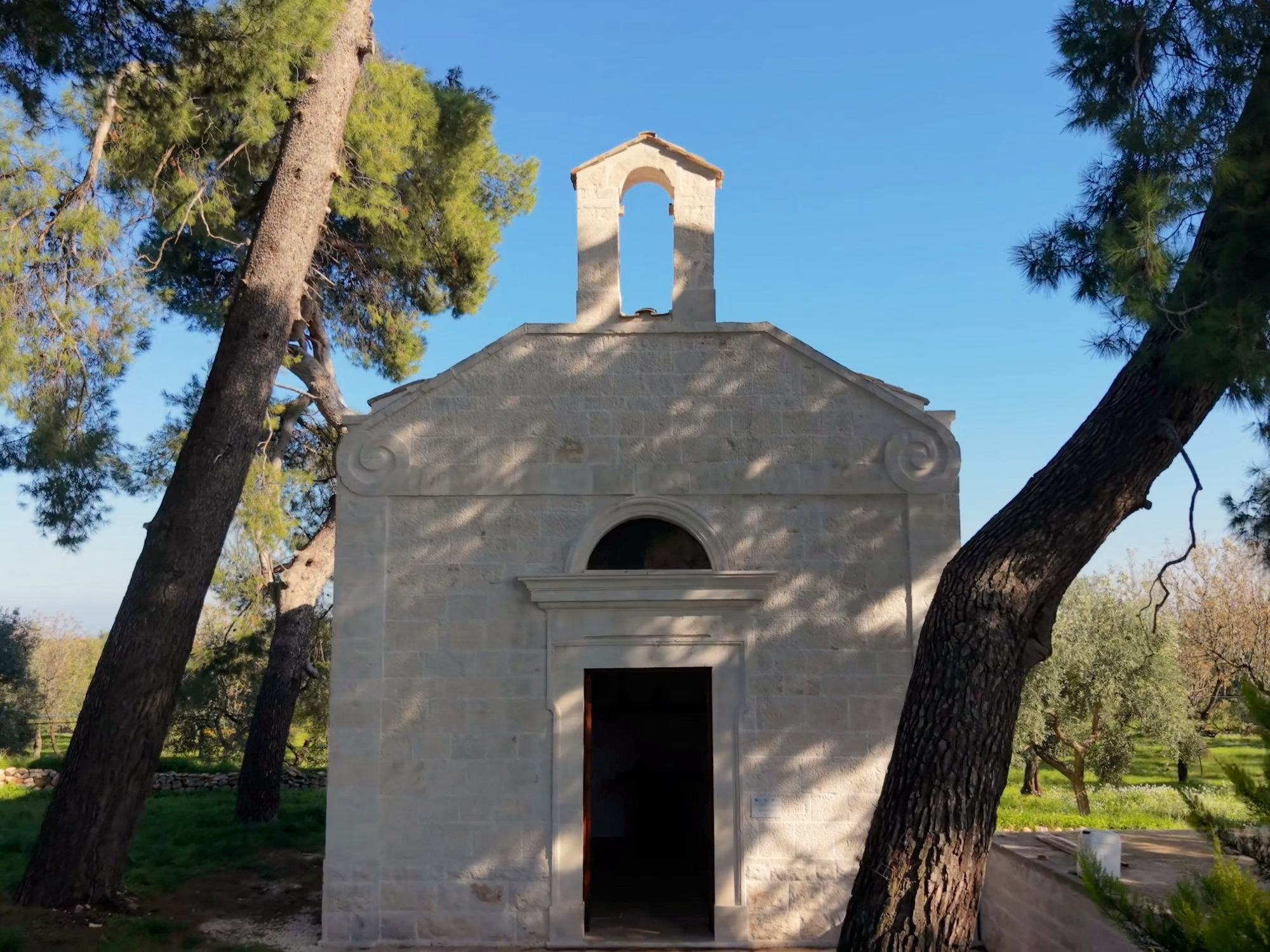
In the centre, on a protruding cornice is a semi-circular window filtering light into the chapel. The vaulted interior has a square plan and sadly shows the signs of desertion and vandalism. A temple-shaped shrine stands on what remains of the altar, once holding a painting of Our Lady of Carmel. Near the chapel, a square stone cistern gathered rain water. To the right of this is a stone trough which would have been used for the animals. Beyond the enclosing wall the driveway leads to a large square courtyard with an ancient olive tree at its centre, a symbol of deep roots and resistance. On the sides of the courtyard are warehouses and staff accommodation, on the left are other rooms with different uses. The manor house is elegant and imposing and dominates its surroundings with its vaulted rooms, the original nucleus of the building. Over the centuries other rooms and extensions were added to give it its current structure.