Masseria Ricchioni
Cent. 16th
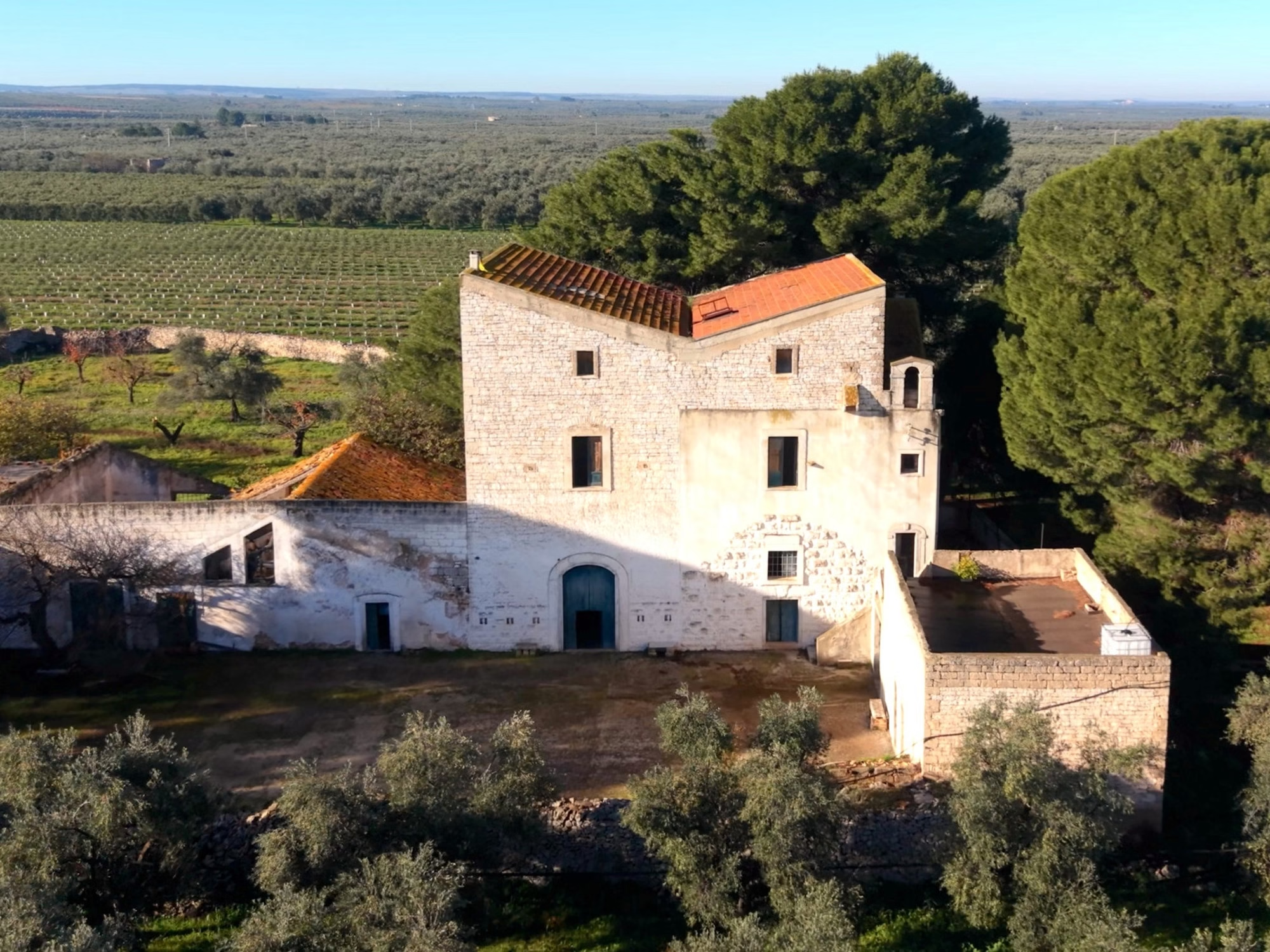
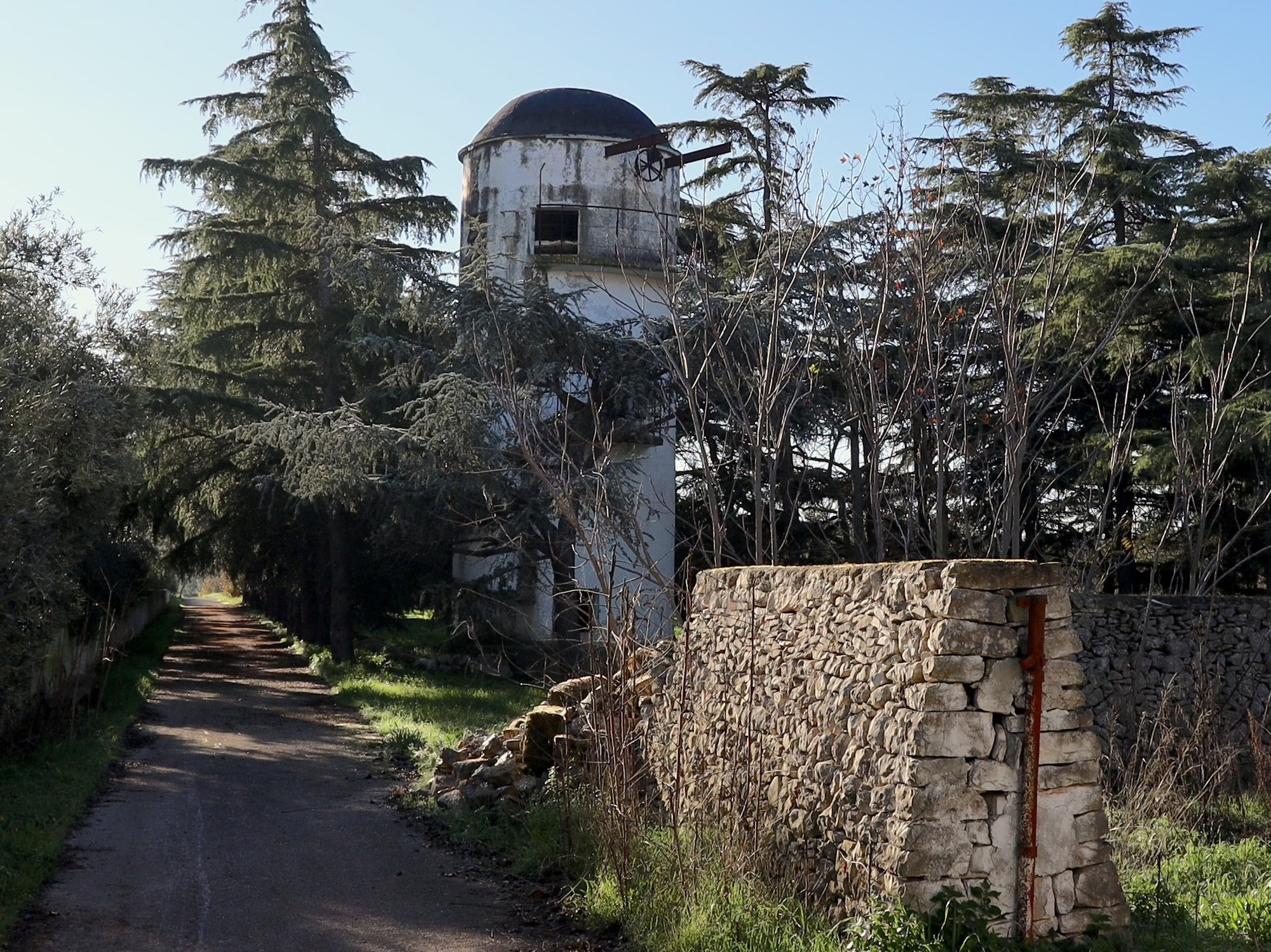
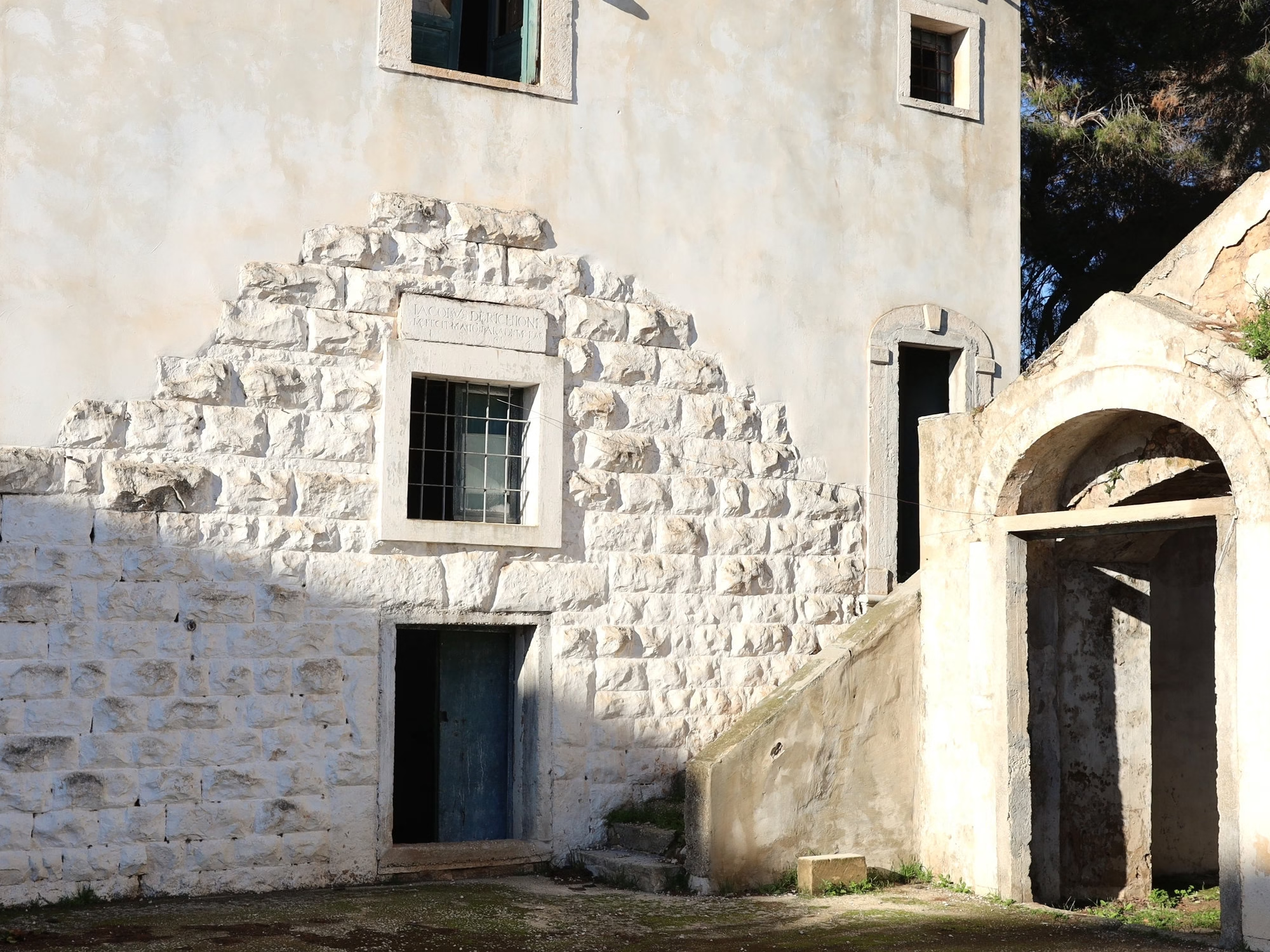
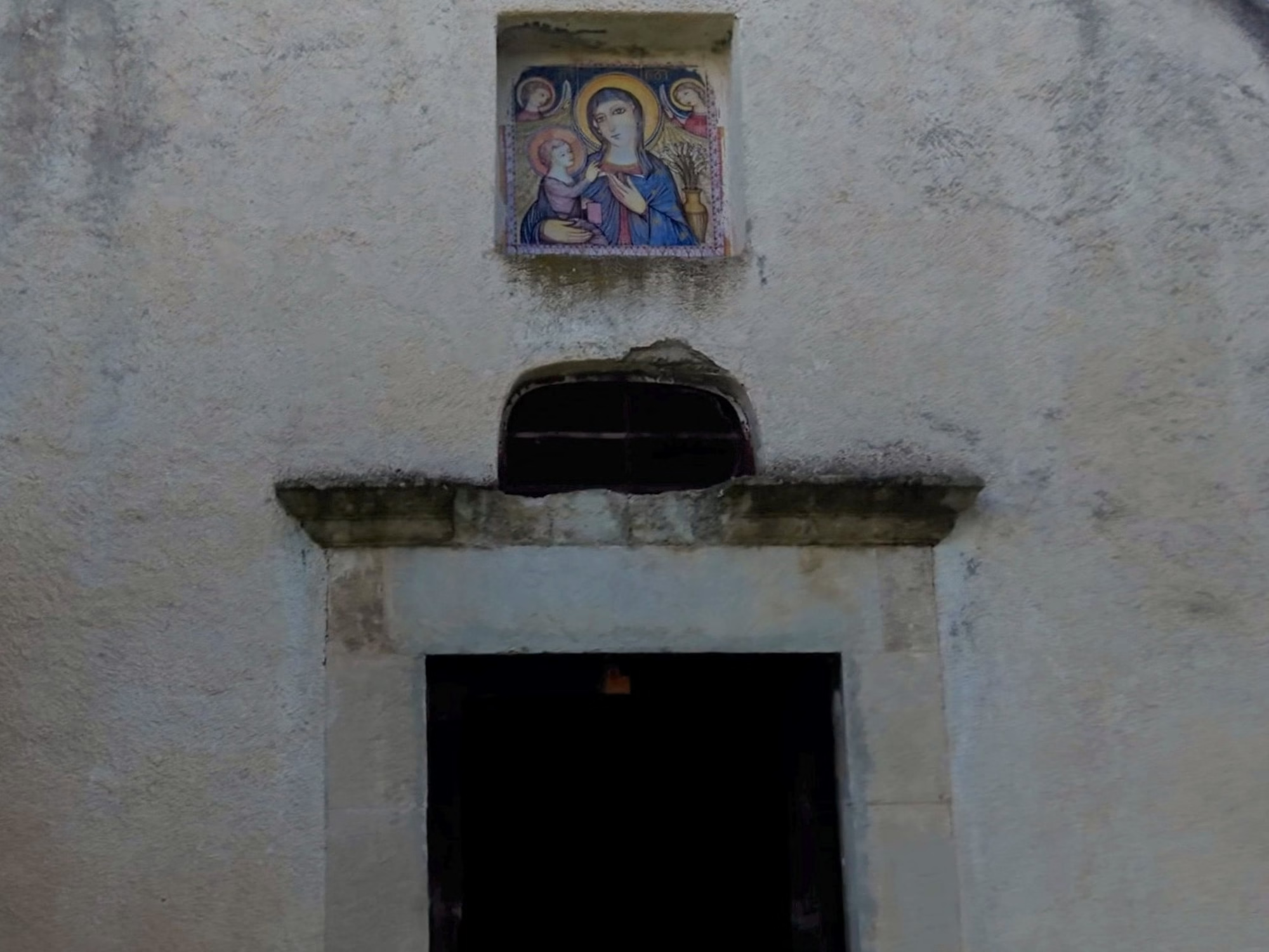
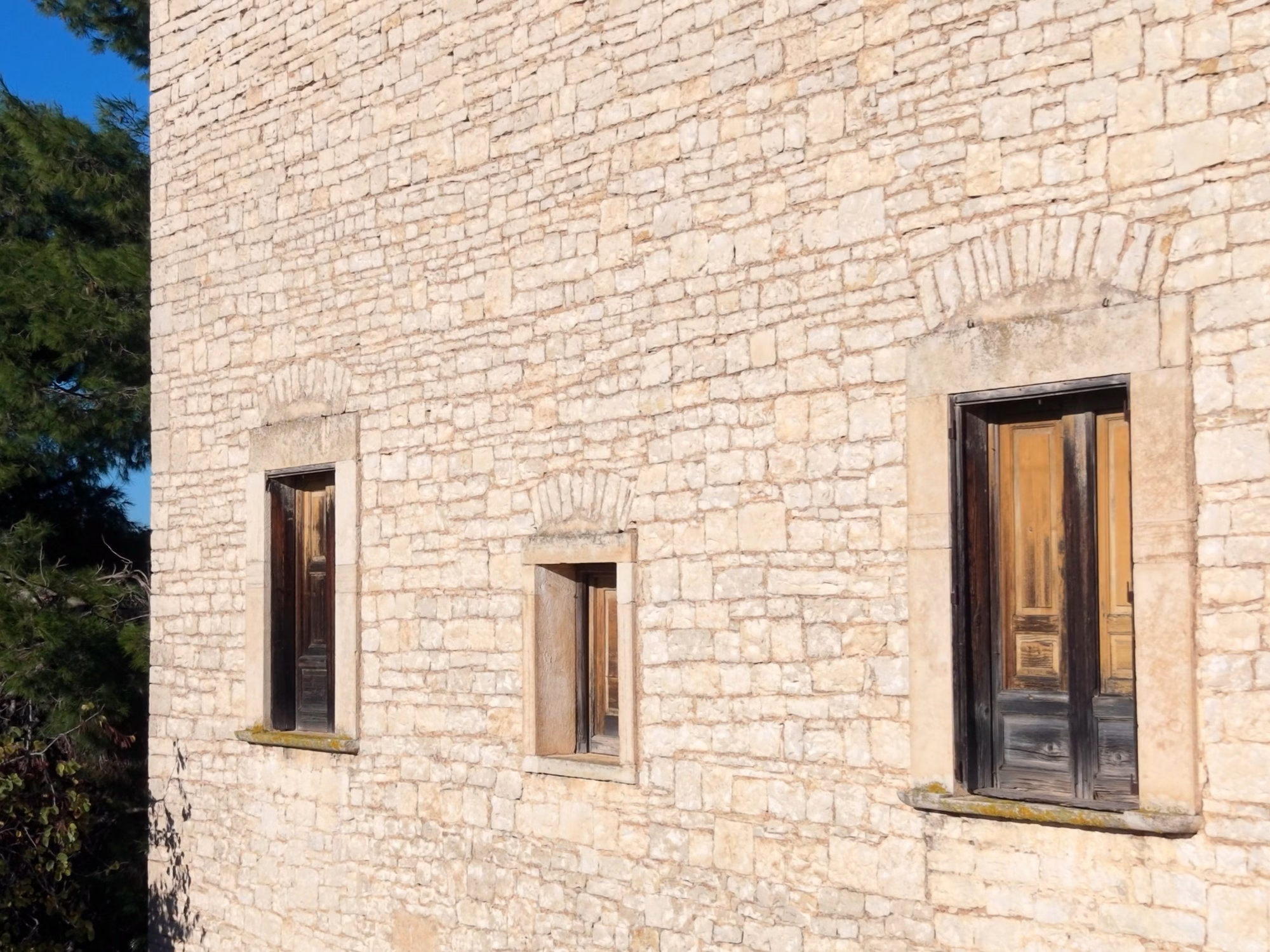
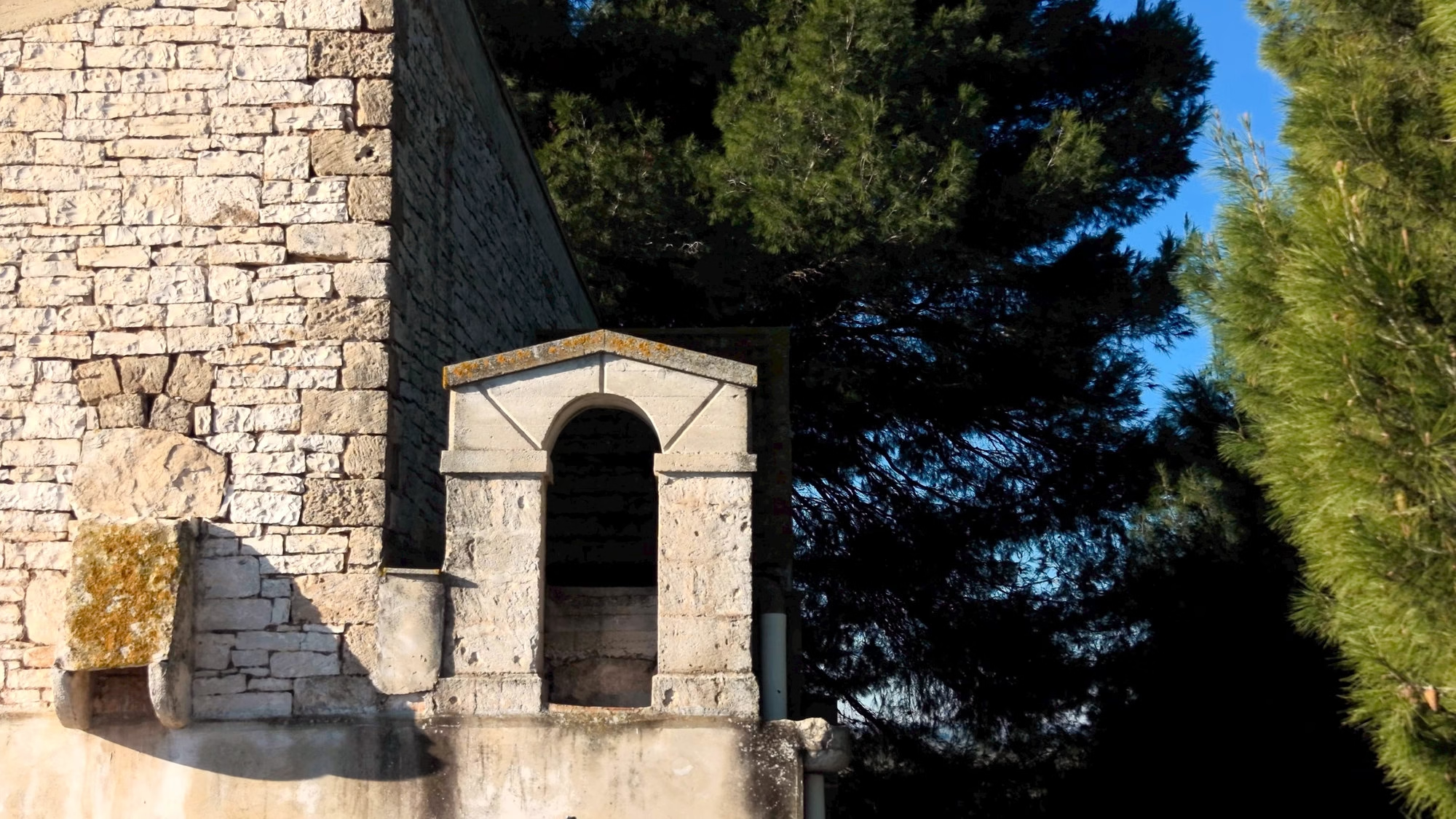
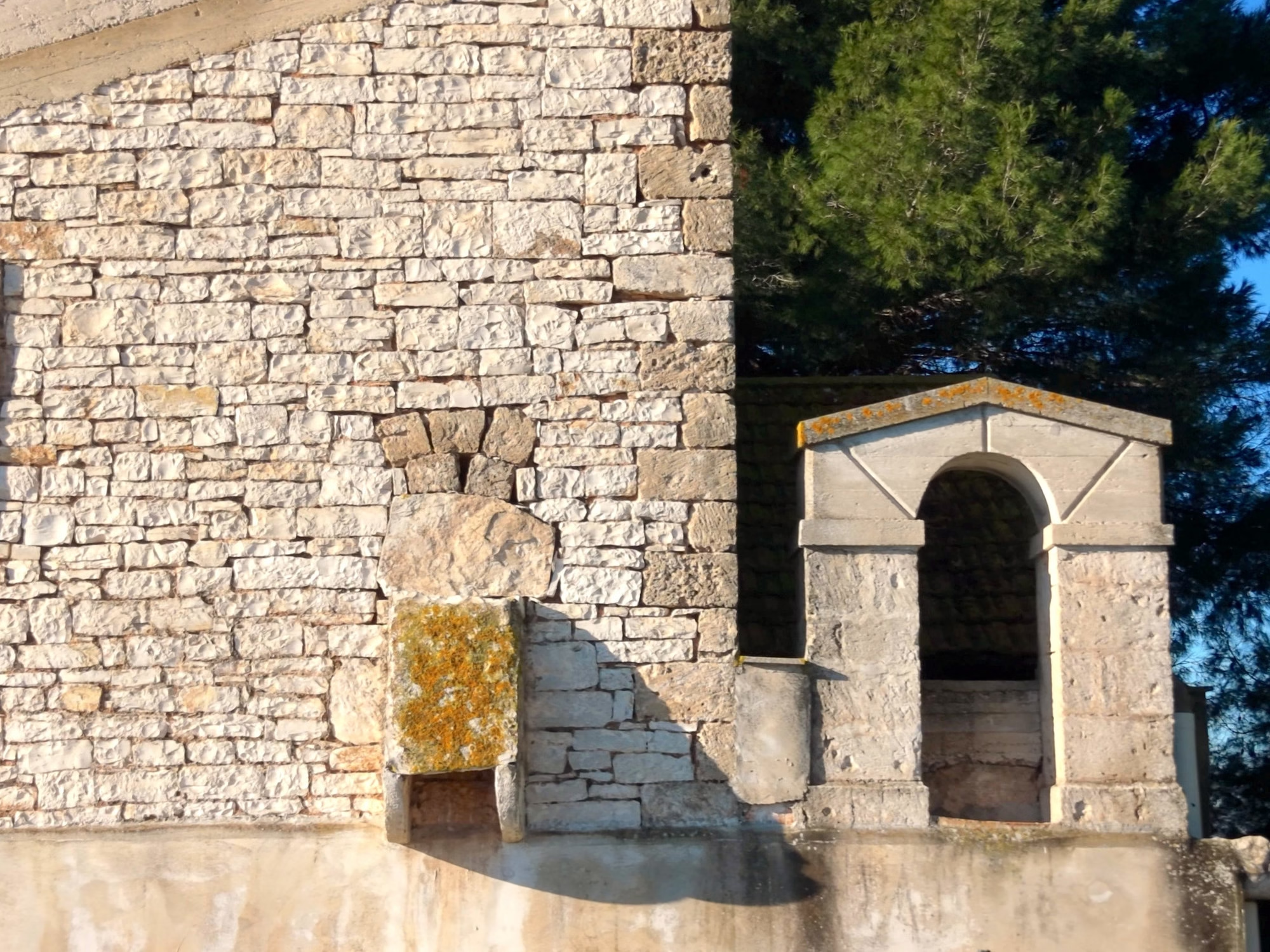
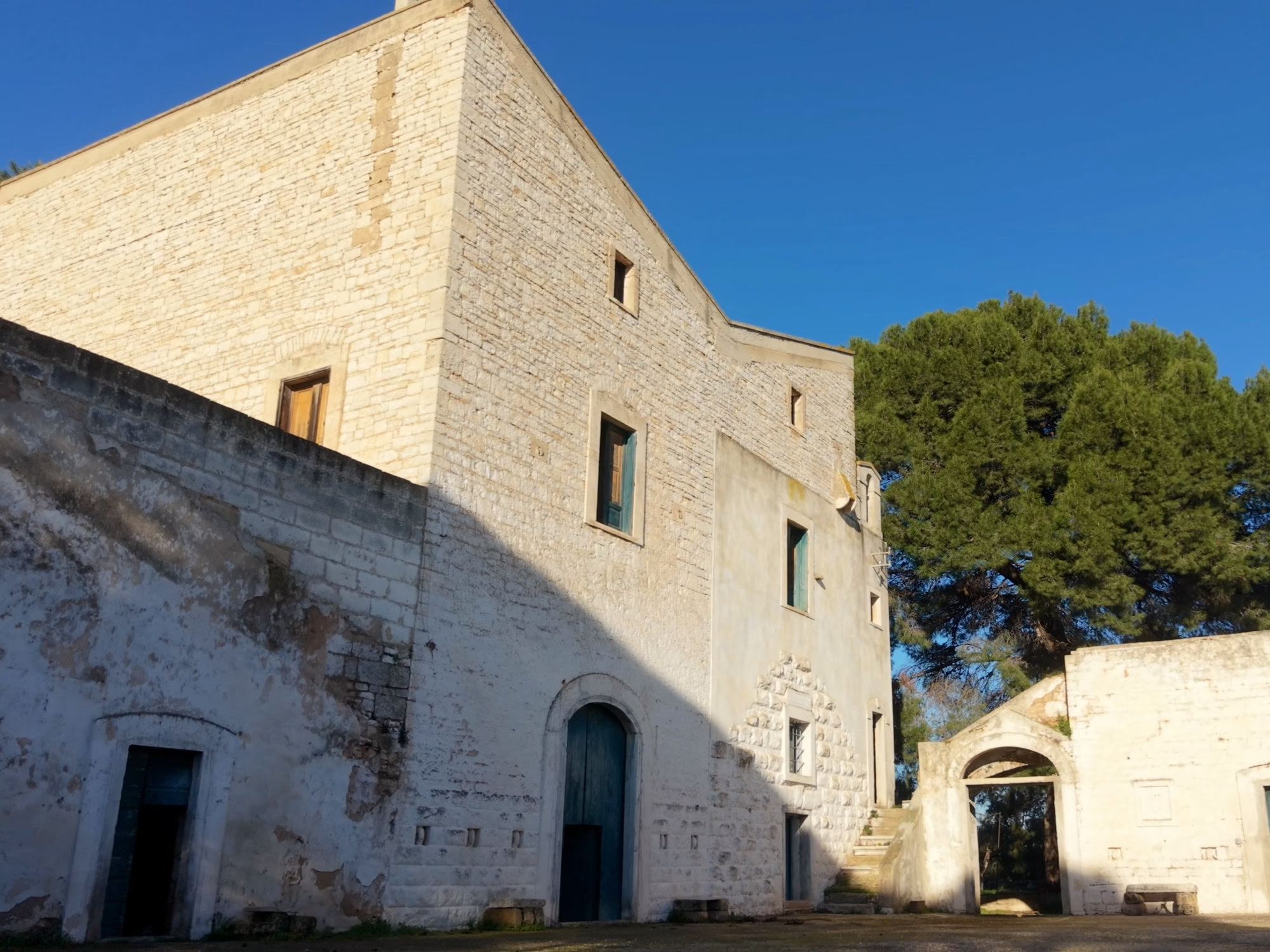
Not far from Auricarro, a tree-lined driveway leads the gaze towards the courtyard of Masseria Ricchioni. This rural complex dates back to the 16th century. The two-storey tower dominates the silence, guarding centuries of memories, despite bearing the marks of time and vandalism. All around, the wind blows through the olive trees that surround the estate. A hidden path leads to the “neviera”, an ancient structure which was used to preserve ice, a small example of peasant ingenuity. The family chapel stands just inside the confines of the property. Its gabled façade faces west and in the recess above the entrance, the Virgin with Child is depicted, with two angels. The interior of the chapel has a barrel-vaulted ceiling and long ago the painting of St. Paschal Baylon was placed on the altar. The history of the masseria is closely tied to that of the Ricchioni family who were originally from Auricarro.
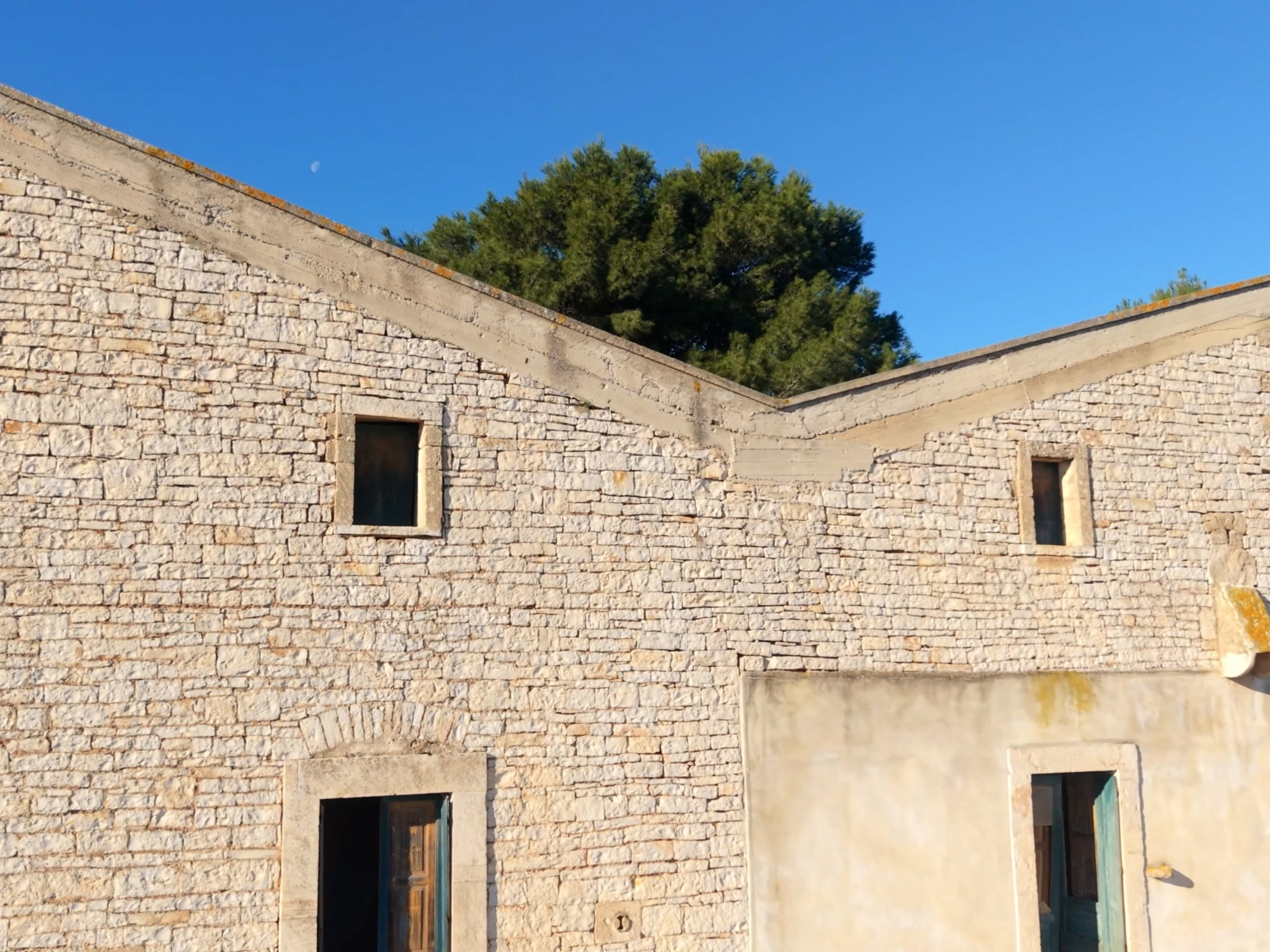
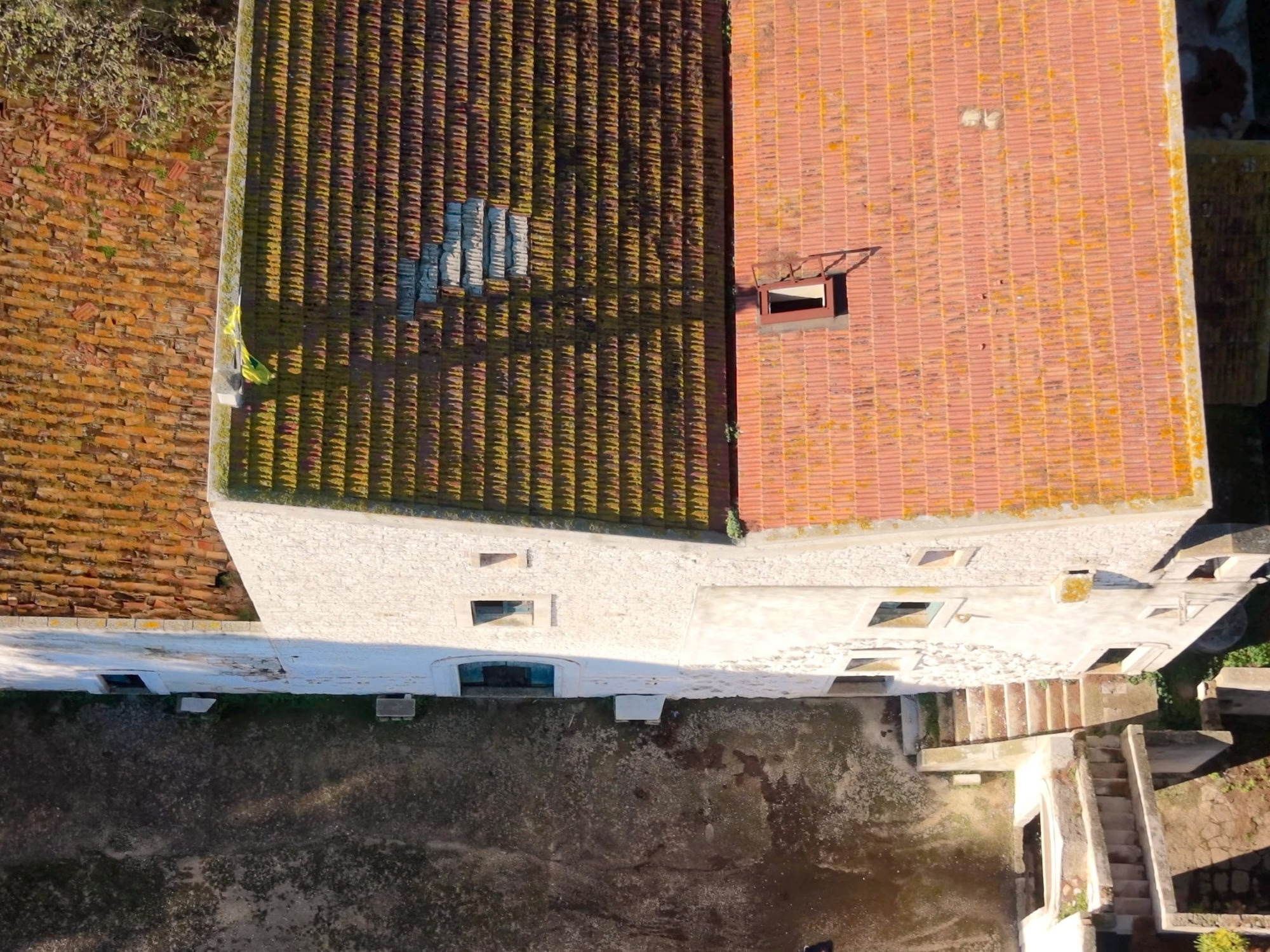
Having escaped the destruction of the hamlet of Auricarro in 1349, the family found refuge in Palo where they soon became important members of the community, counting priests, patriots and mayors in their number. The member of the family who is best remembered in more recent times, however, is Professor Vincenzo Ricchioni. He was a man of study and action who combined academic life with political commitment with one objective: to support agricultural production with dignity and strength. He was a rural sociologist with grand ideas and transformed the masseria with great swathes of olive and almond groves, vineyards and orchards which are still a testament to his dedication. Walking through these buildings and fields, it is almost as if you can hear the echo of voices, the rustle of workers’ clothes, their prayers recited in the chapel. The masseria is not just a place, it is a story, the testament of a family whose destiny was tied to the land, leaving a legacy of history, sacrifice and hope.