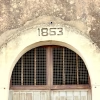
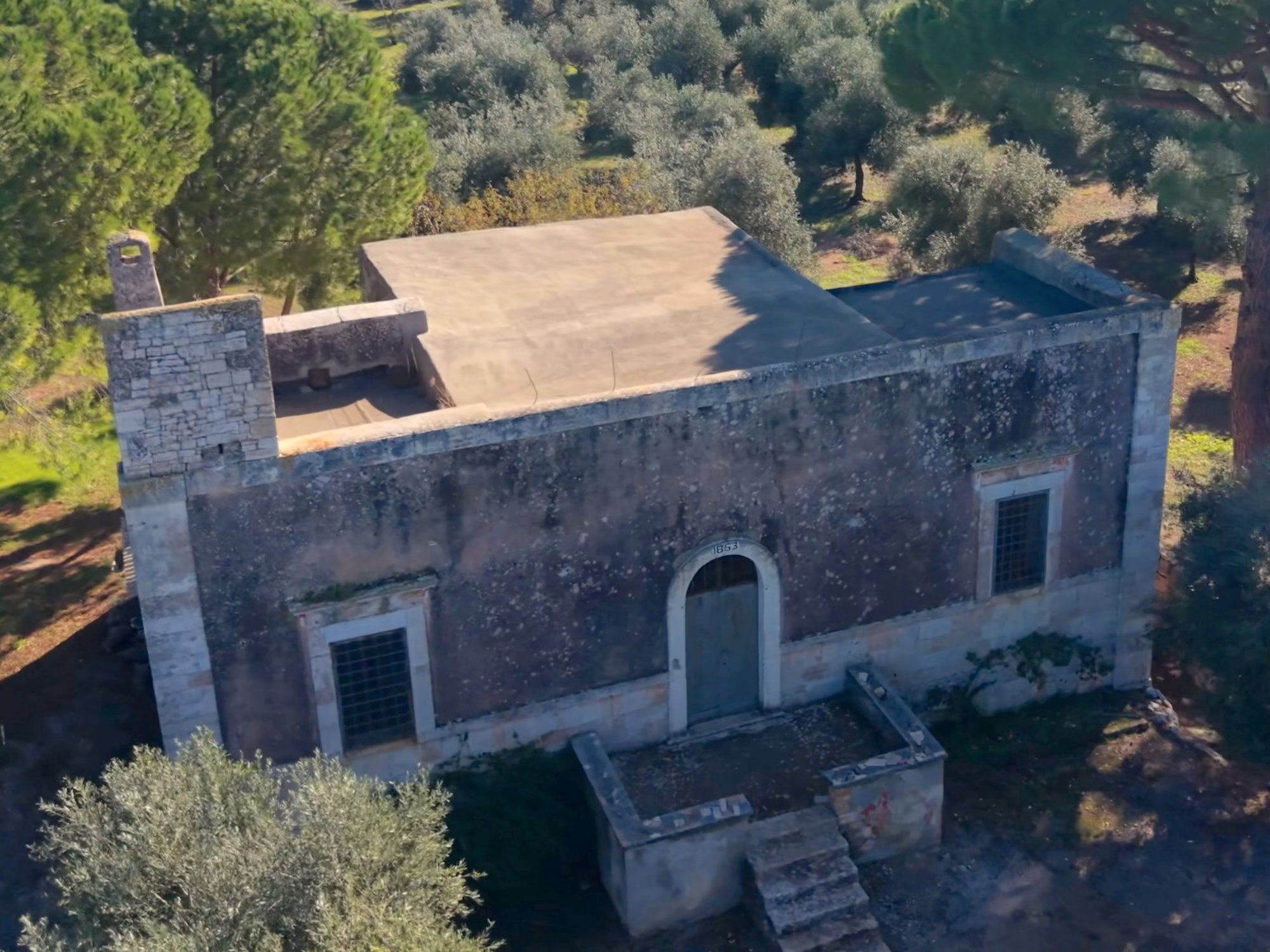
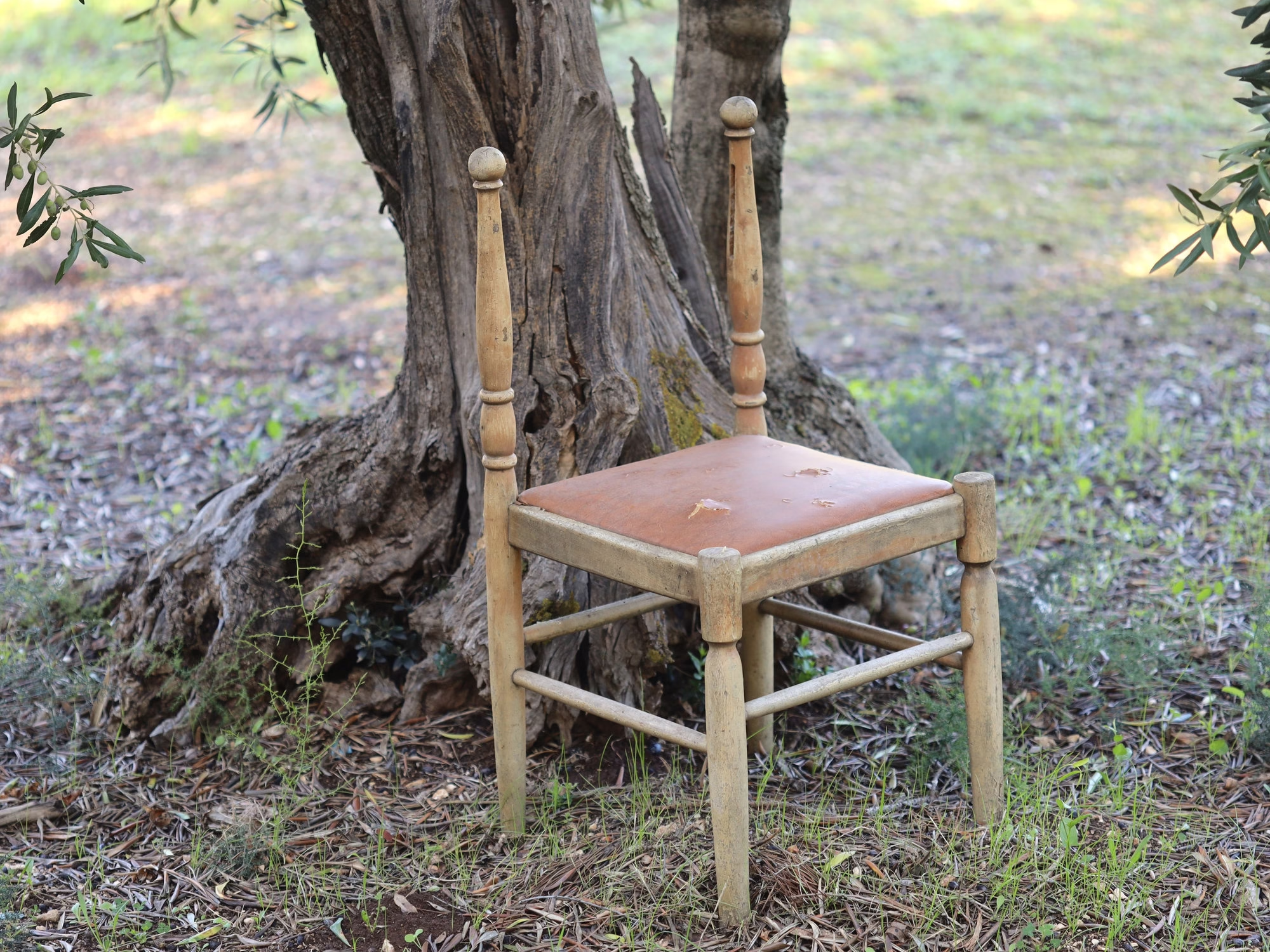
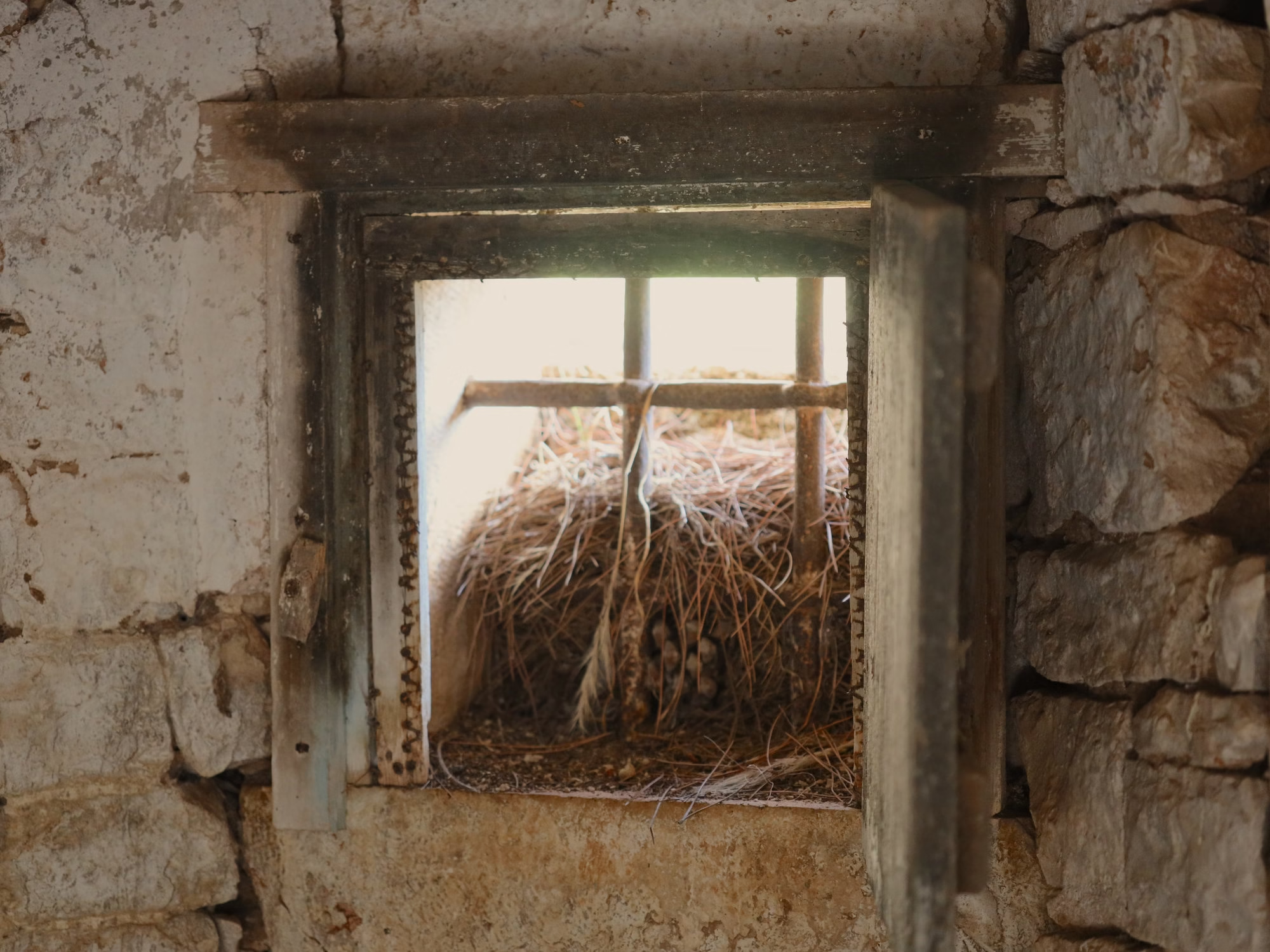
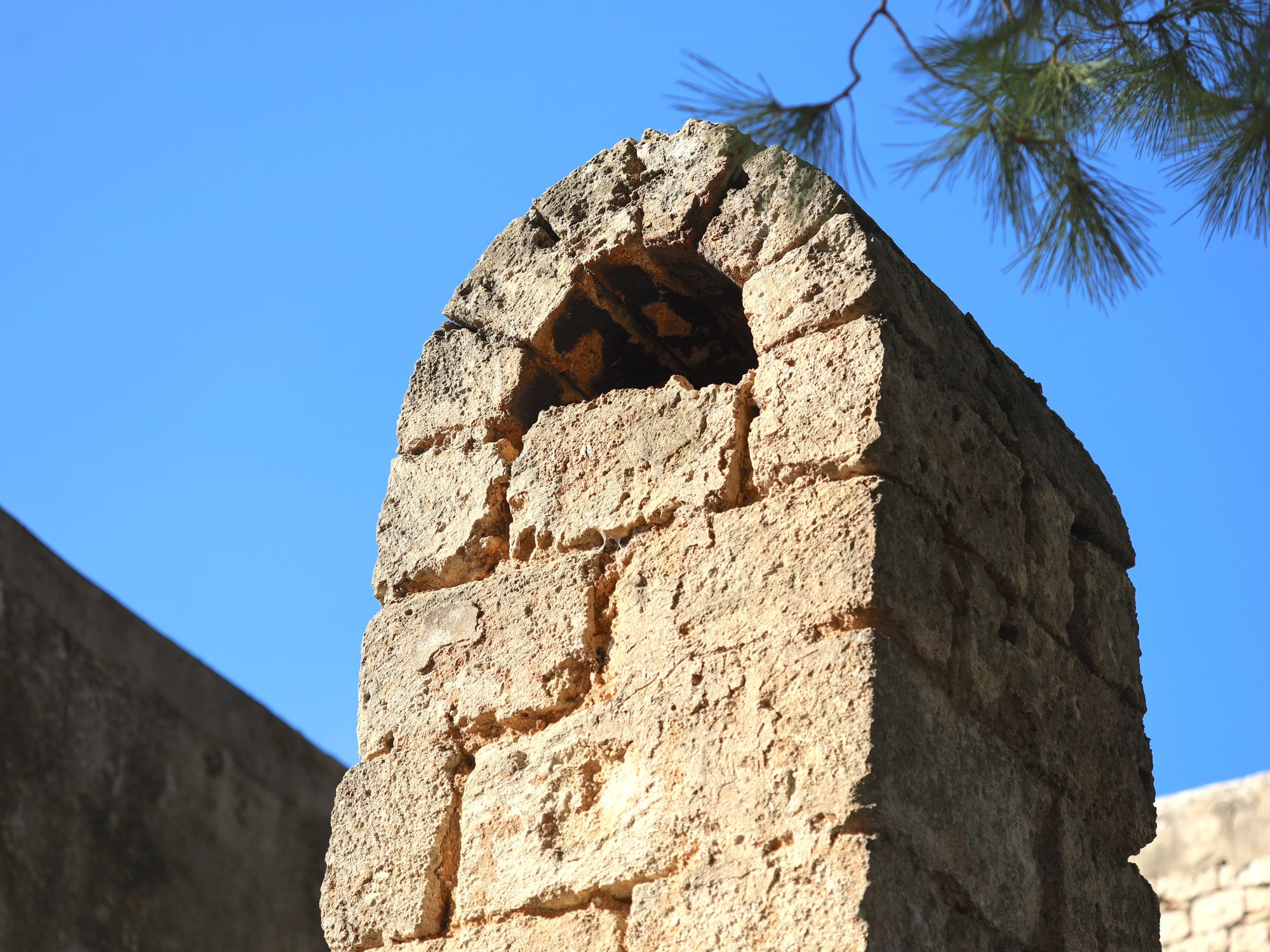
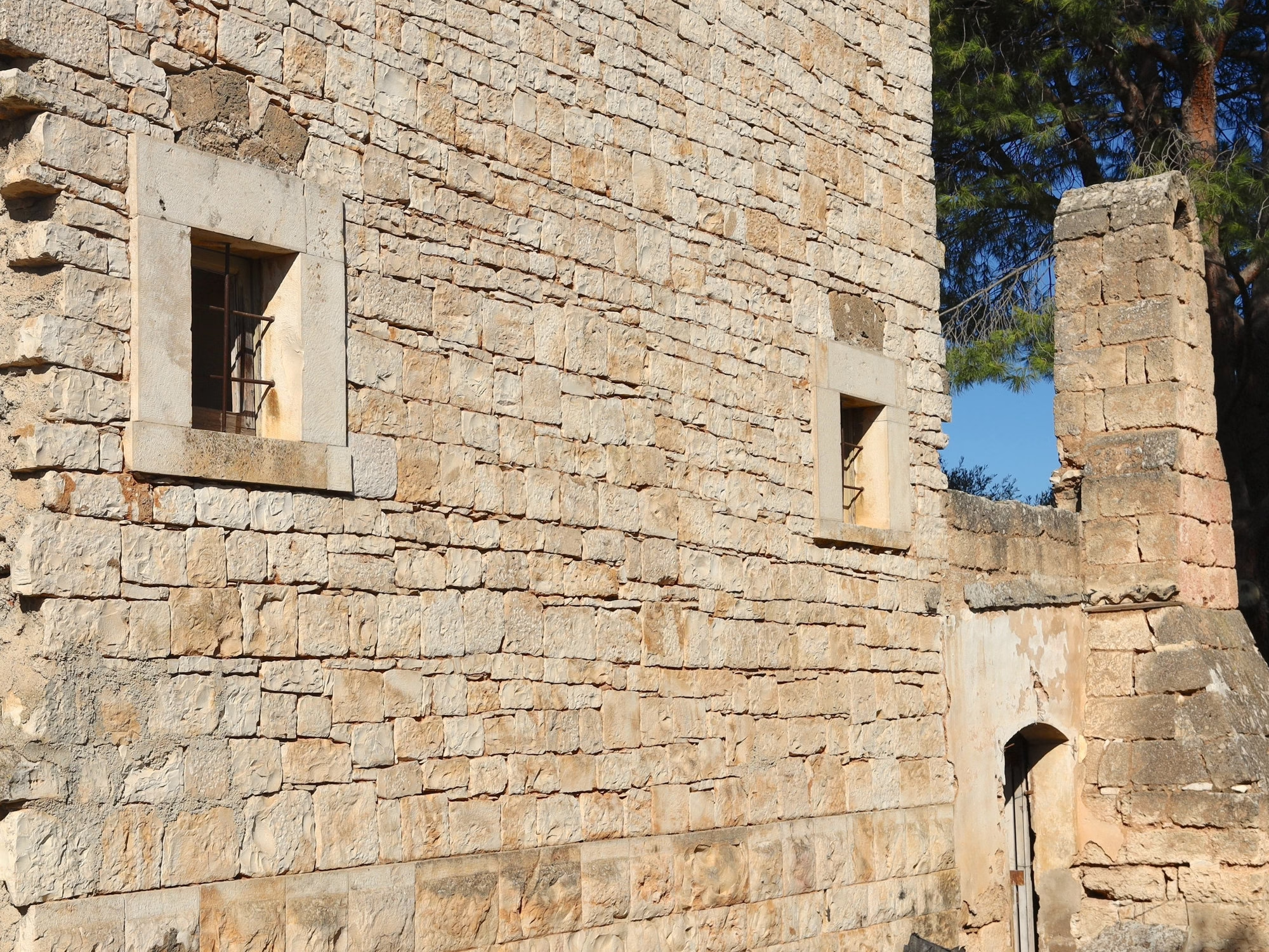
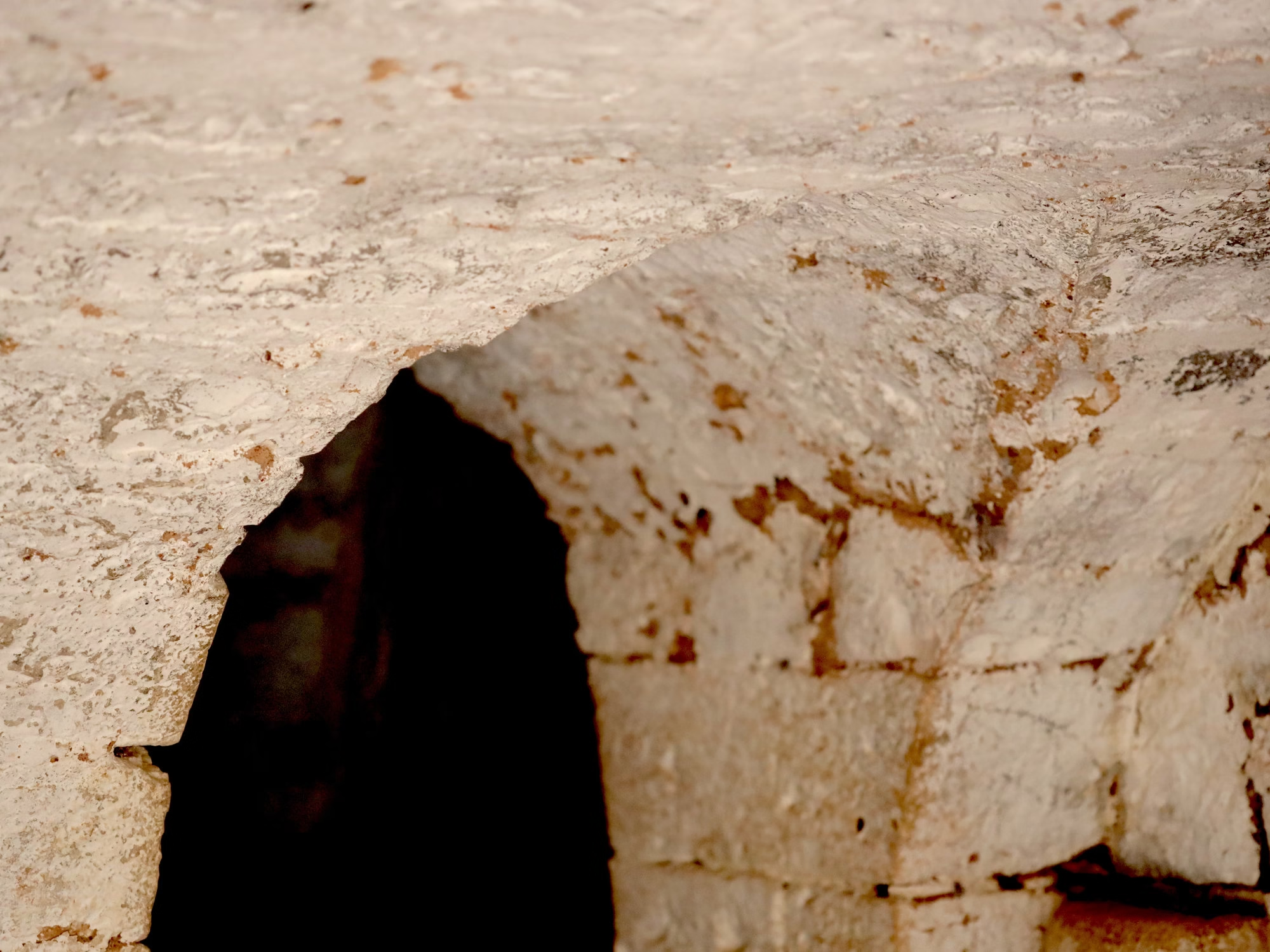
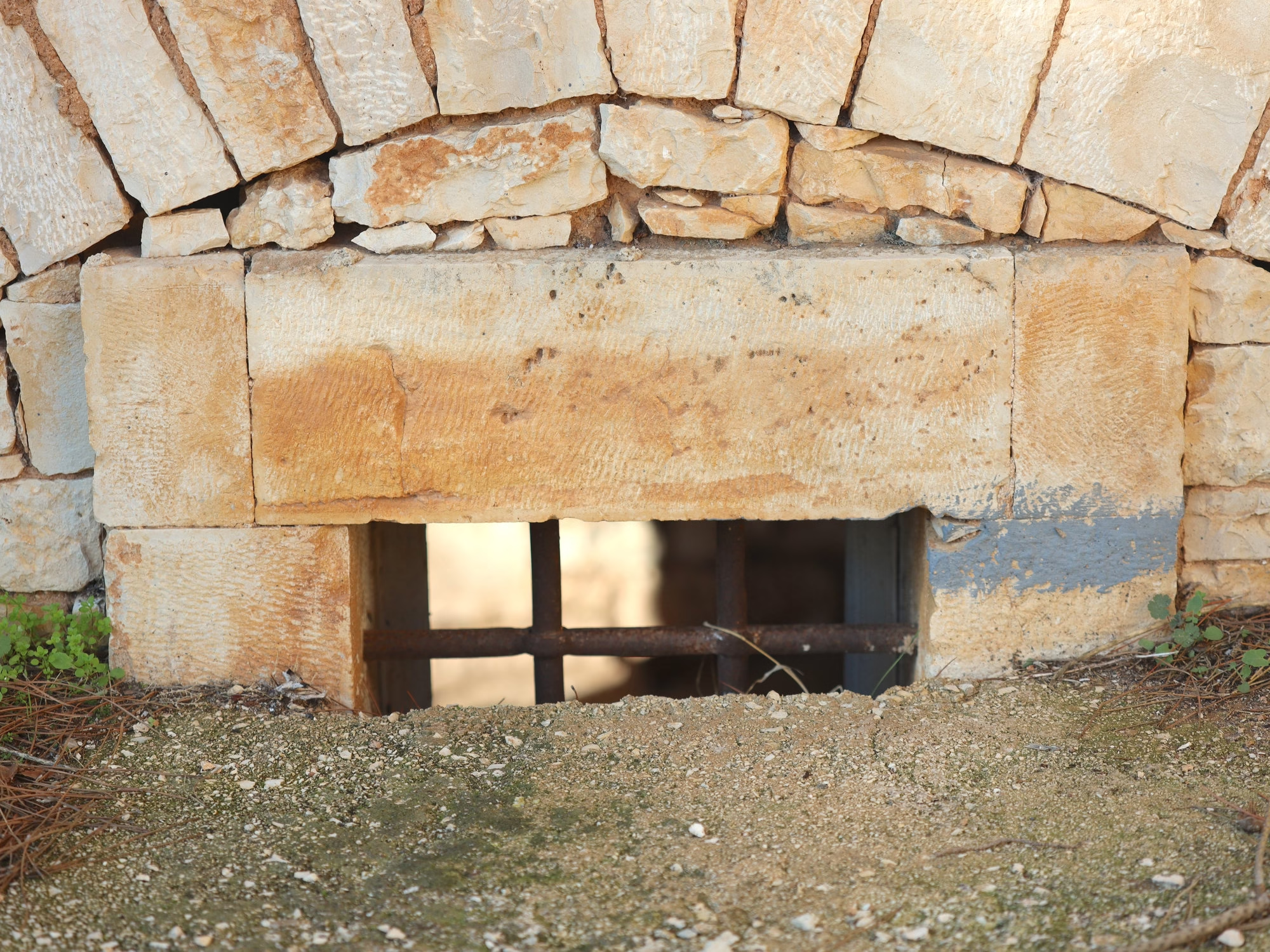
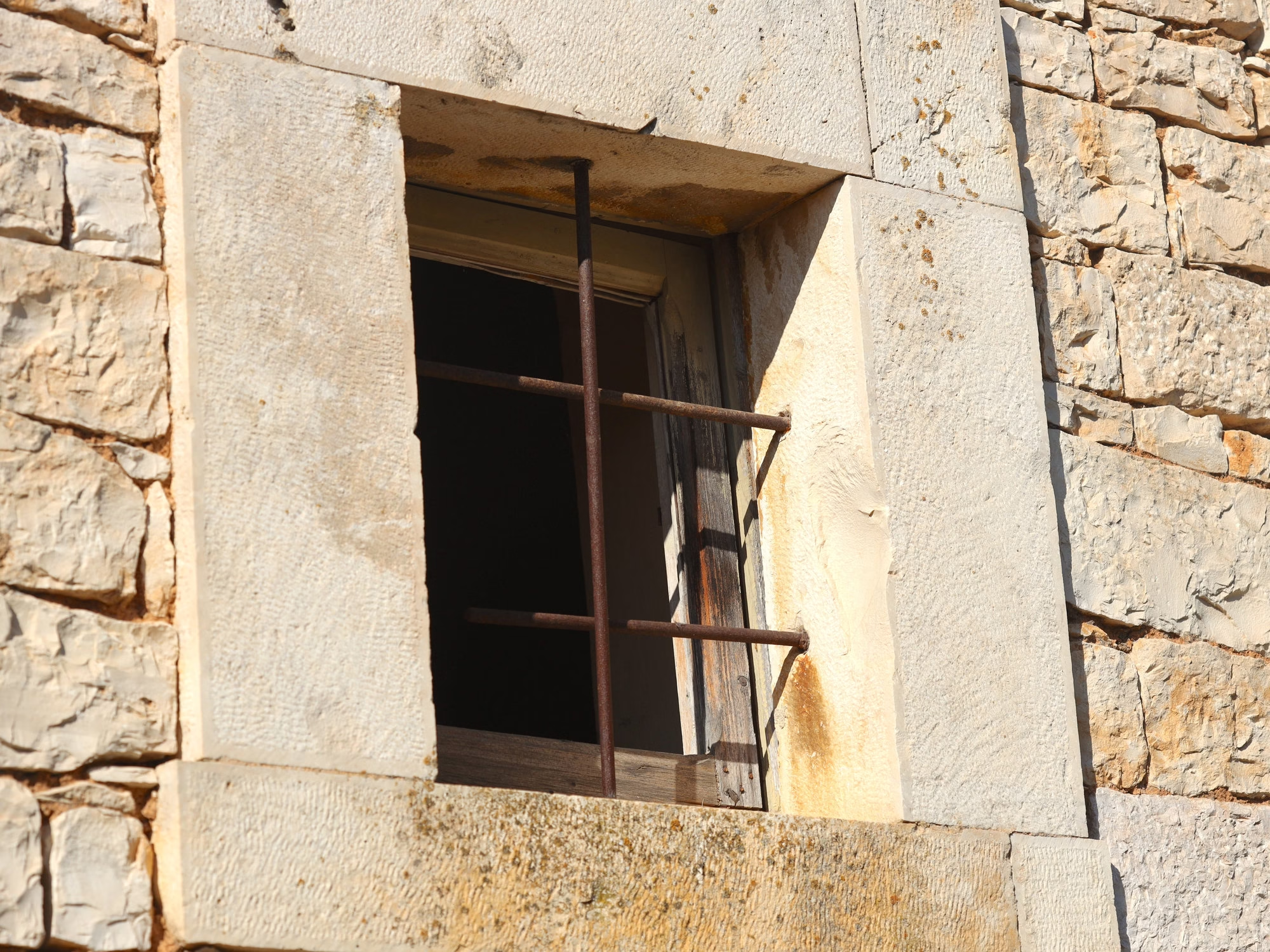
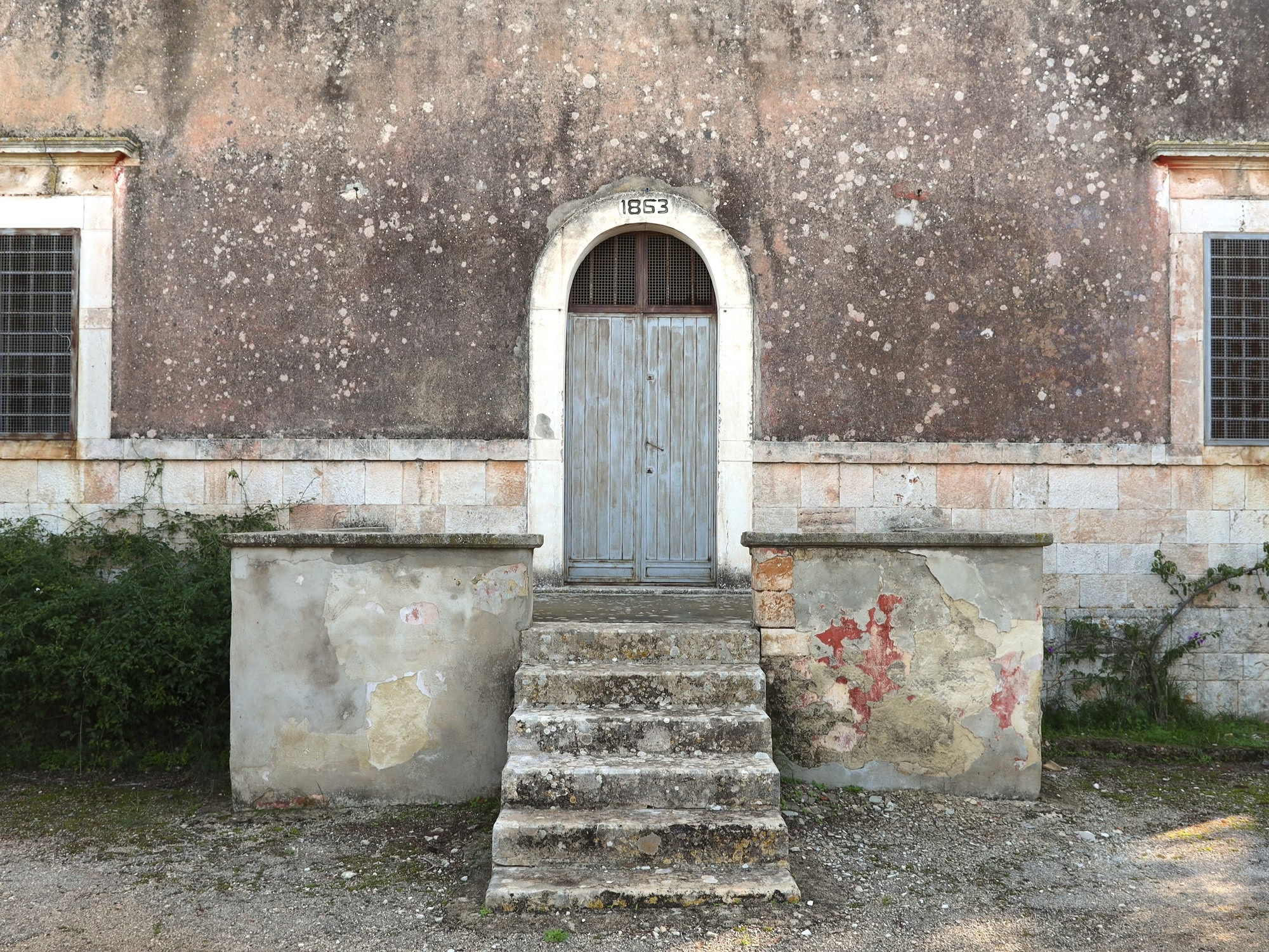
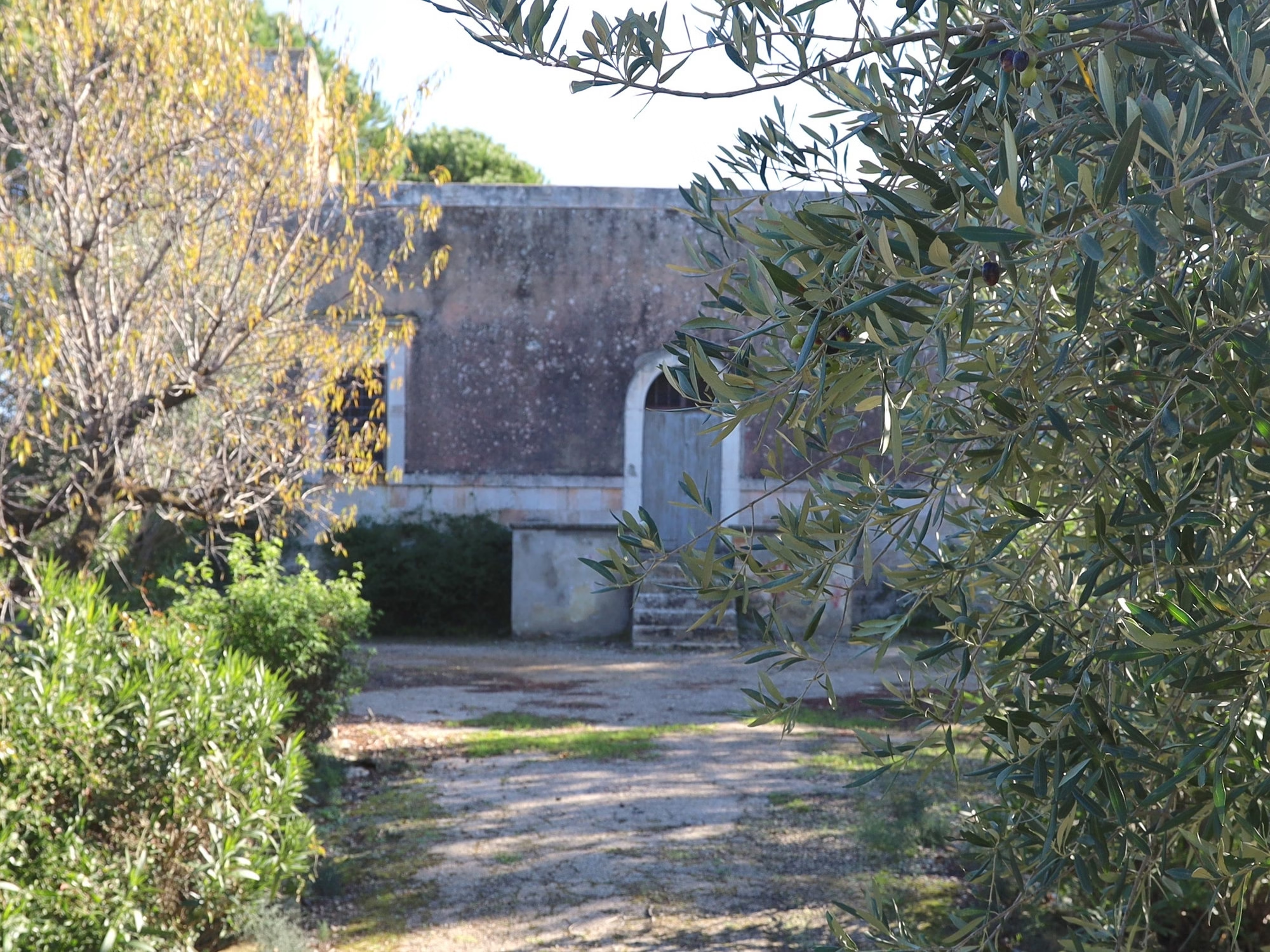
This house is not luxurious but preserves the same dignity since 1863, the year of construction inscribed on the round arch of the entrance. Five stone steps lead to the ground floor, to mark the solemn passage from present to past. The windows are protected by iron grates and open onto rooms which still preserve the silence and daily habits of the former residents. On the right, a sloping path gathers rain water and collects it in a nearby cistern, an ancient and ingenious method to guarantee water in times of drought. The same path gives access to two underground rooms, each containing a fireplace where perhaps the workers gathered in winter to warm themselves or to keep watch over the harvested crops.
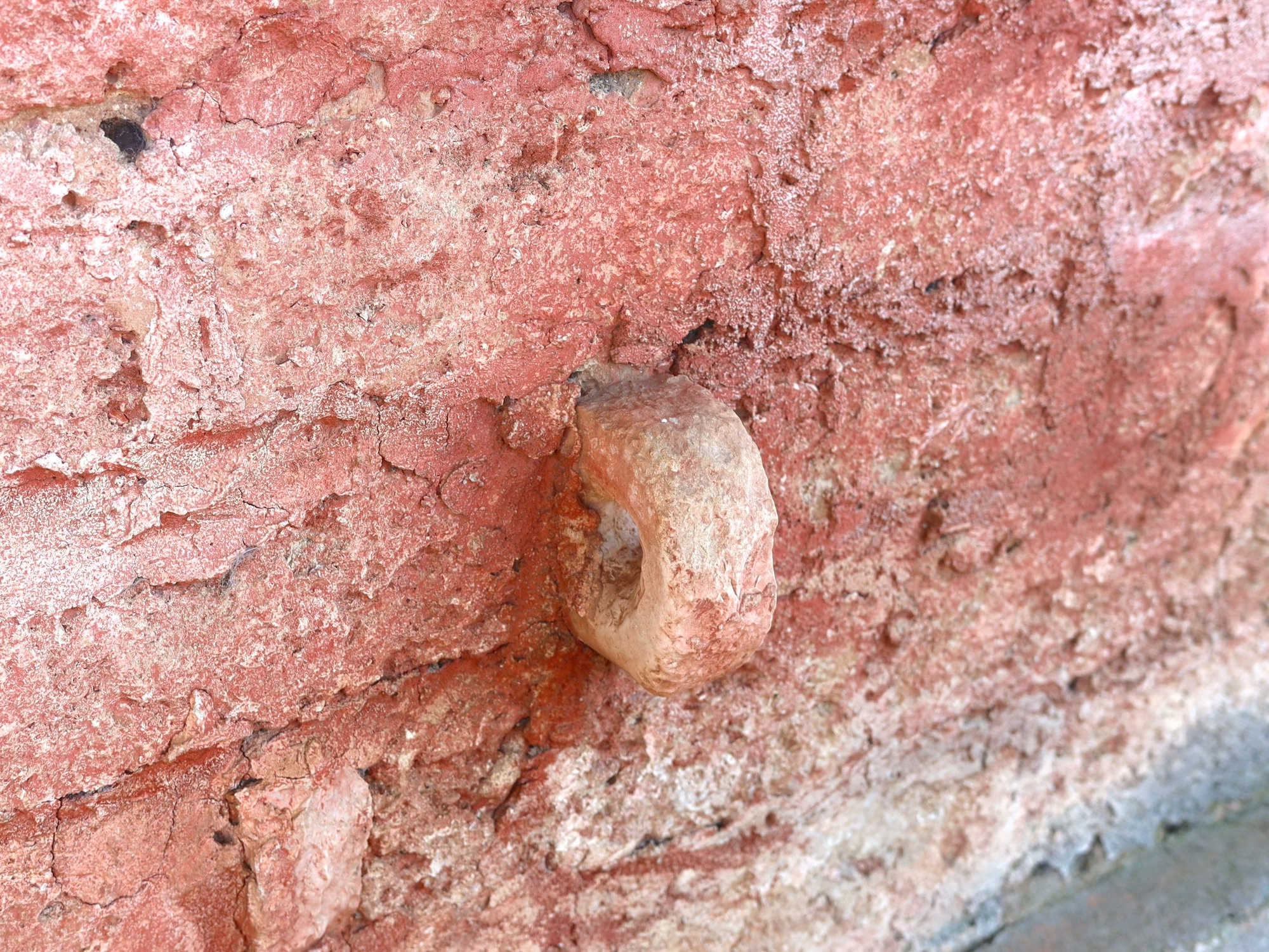
Behind the house, a large room houses an oven, where bread would be baked and shared. Set into the wall next to it are stone rings where horses would be tethered after returning from the fields while the men took care of them after a long day of work. Every detail is still alive with memories. A vast olive grove surrounds the property, the principal crop of this farm. The silver branches of the trees waving in the wind are reminiscent of the patient hands that gathered the olives and took them to the press to be transformed into liquid gold. The smell of the earth, of the chimney smoke and of freshly baked bread seems to hang in the air like a powerful lure. This building is full of the distant memory of fields, of hard work, and of a time when every daily act was closely tied to nature.