Masseria Panfresco
Cent. 17th
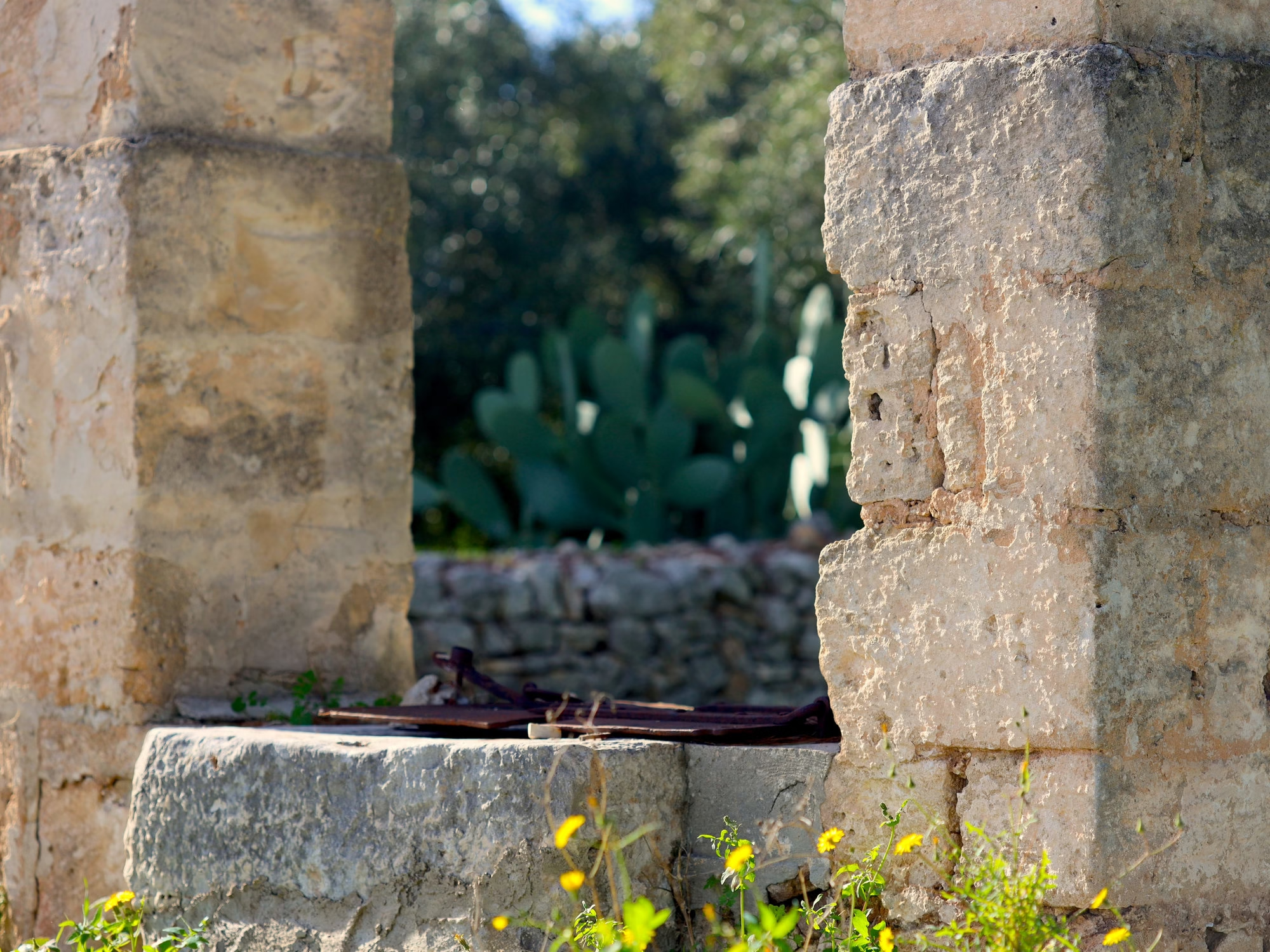
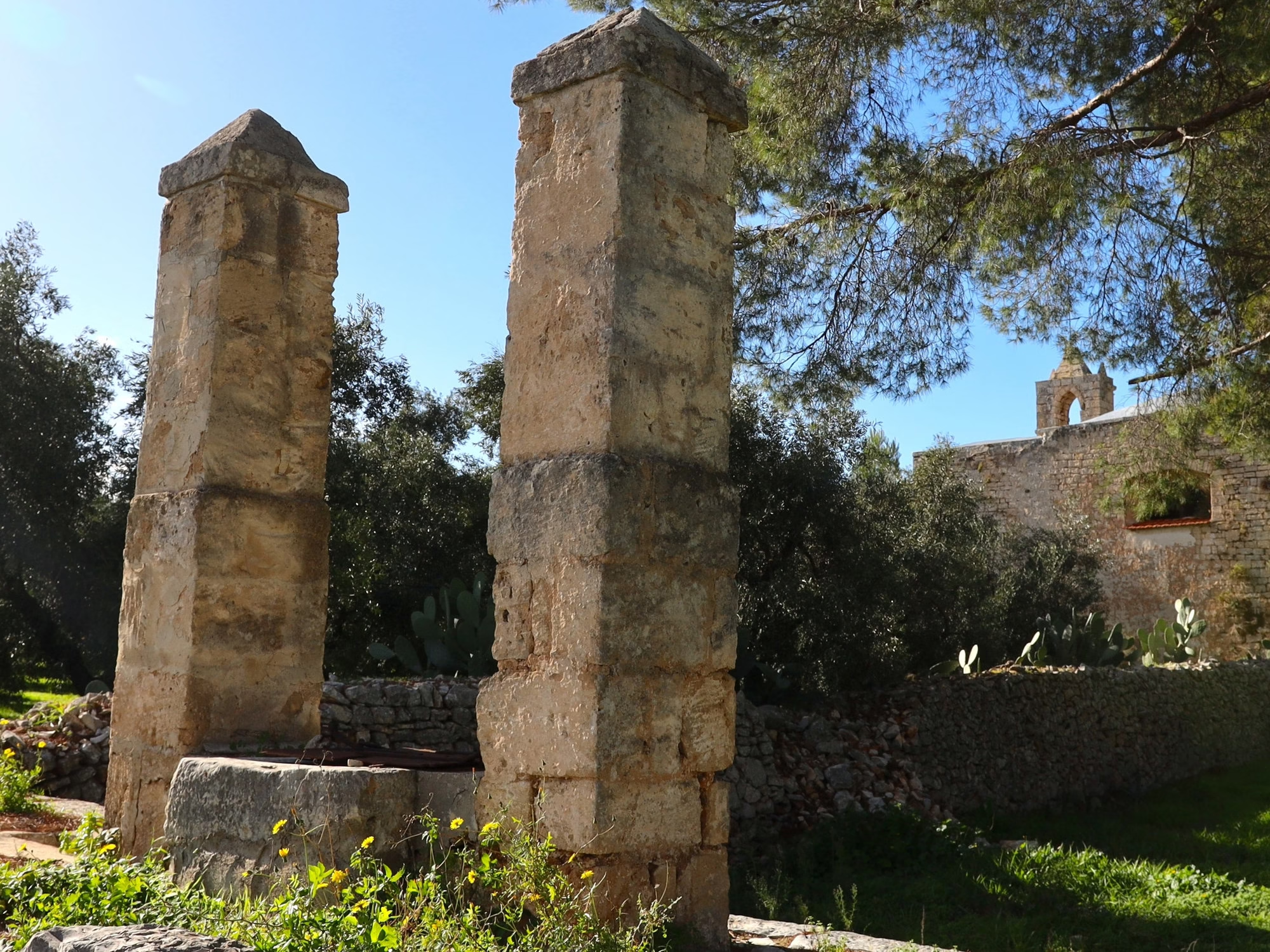
The name Panfresco came from the smell of freshly baked bread, not from official documents. Farm workers came from various neighbourhoods attracted by the lure of the wood-fired oven. Here, bread was baked for those who would stay in the fields for the whole week. The name stuck, being favoured more than the name of the owner, don Antonio Vessia, and his heirs. The first thing one sees after passing through the entrance is the large stone cistern which gathered rain water. The driveway is lined with conifers which lead the visitor towards the masseria, a cool and silent green corridor. On the outside is a seven-metre-long ashlar wall; one and half metres from the ground four stone rings are set into the wall, used for tethering horses. Behind this is the stable. The driveway continues into the heart of the masseria while to the north a high wall which is reinforced by strong buttresses and stands strong like a bastion.
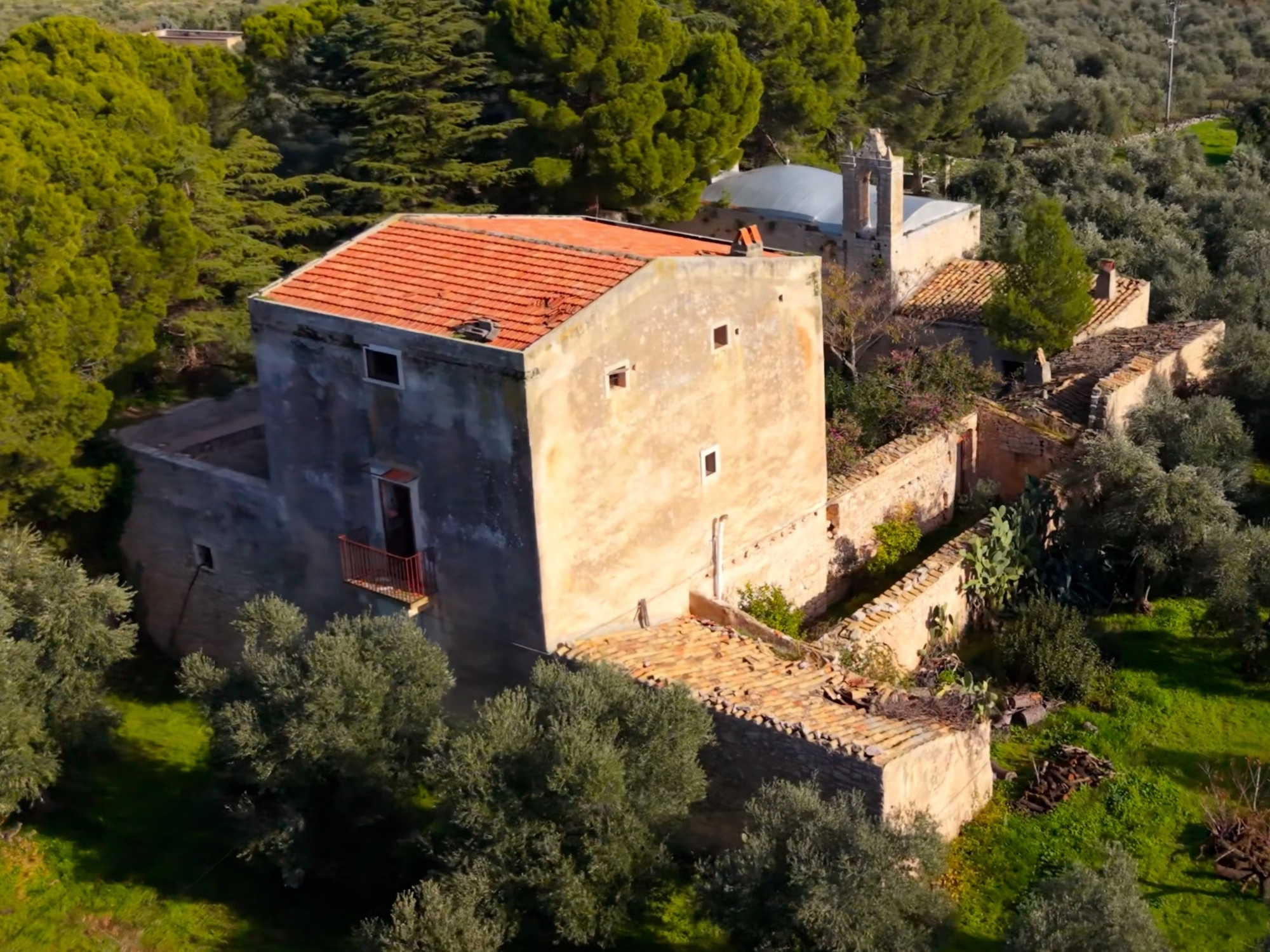
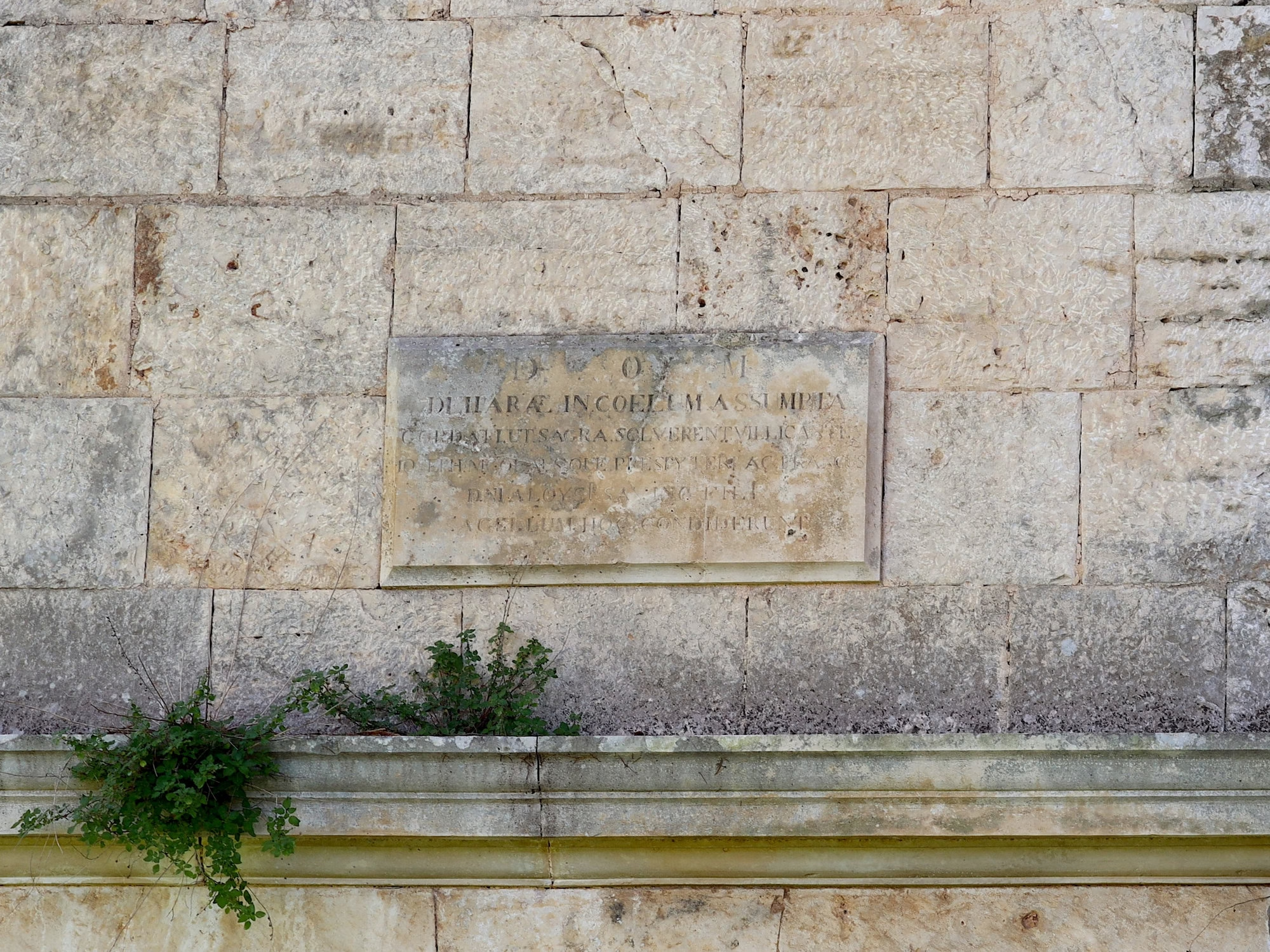
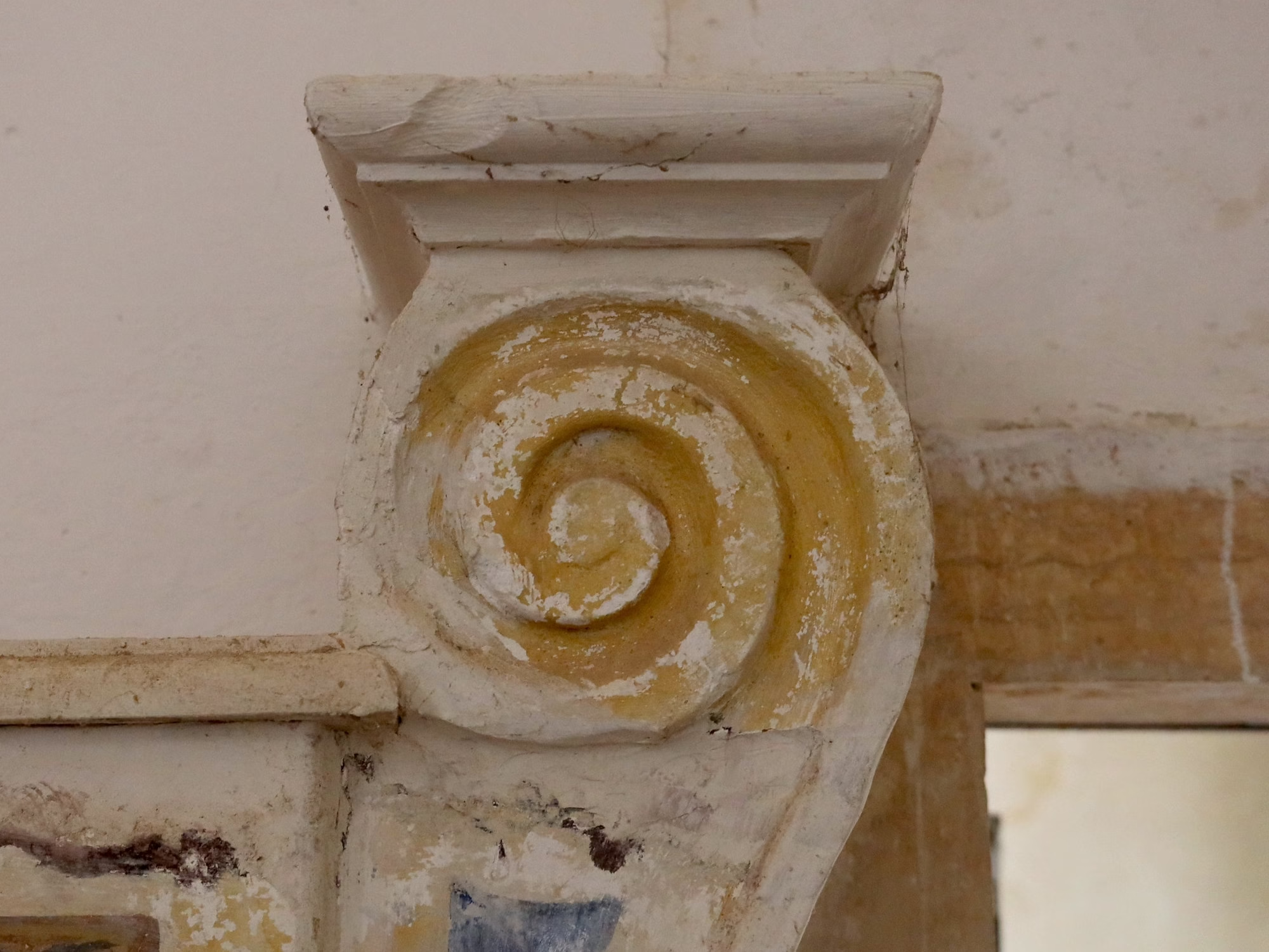
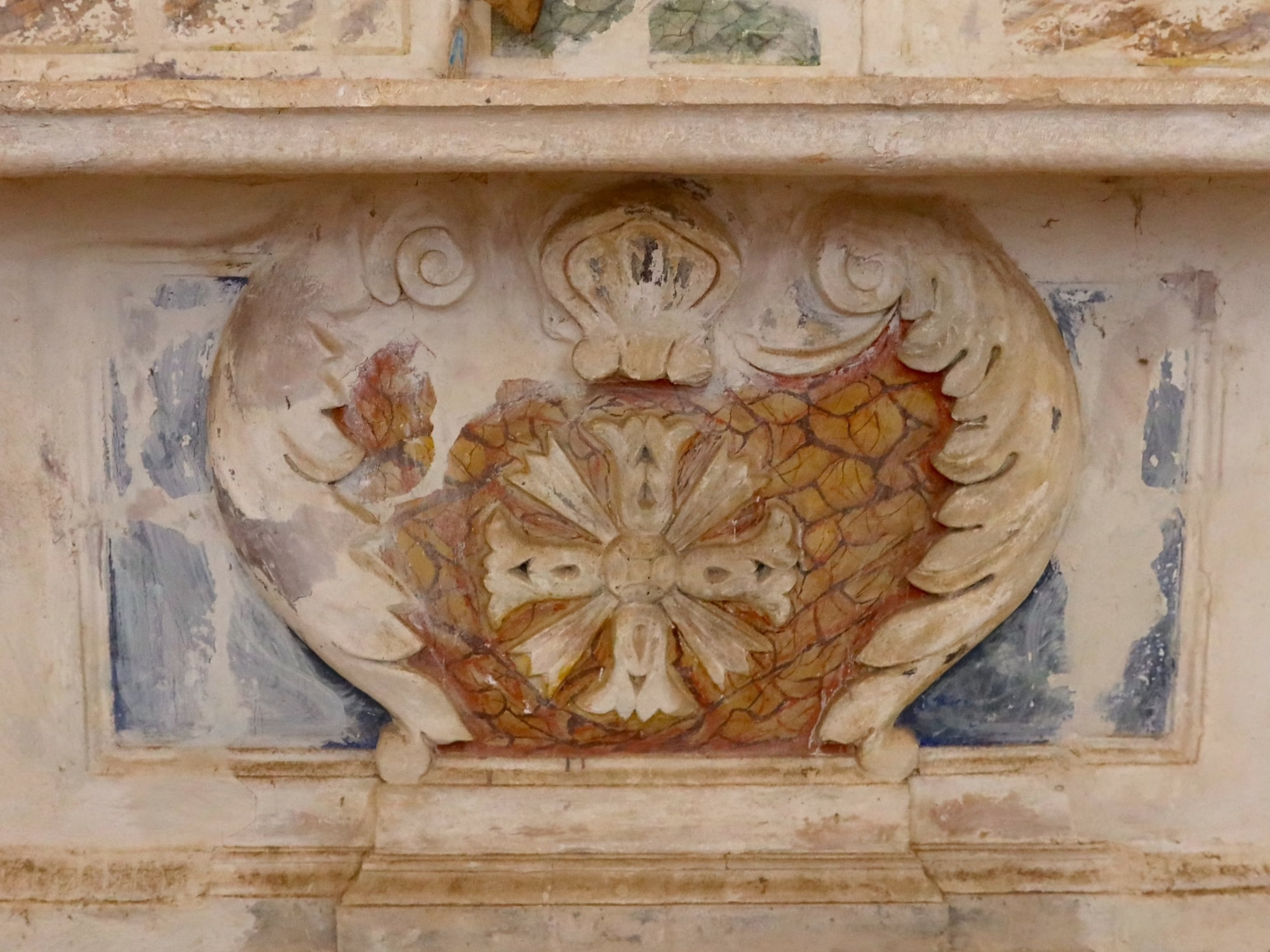
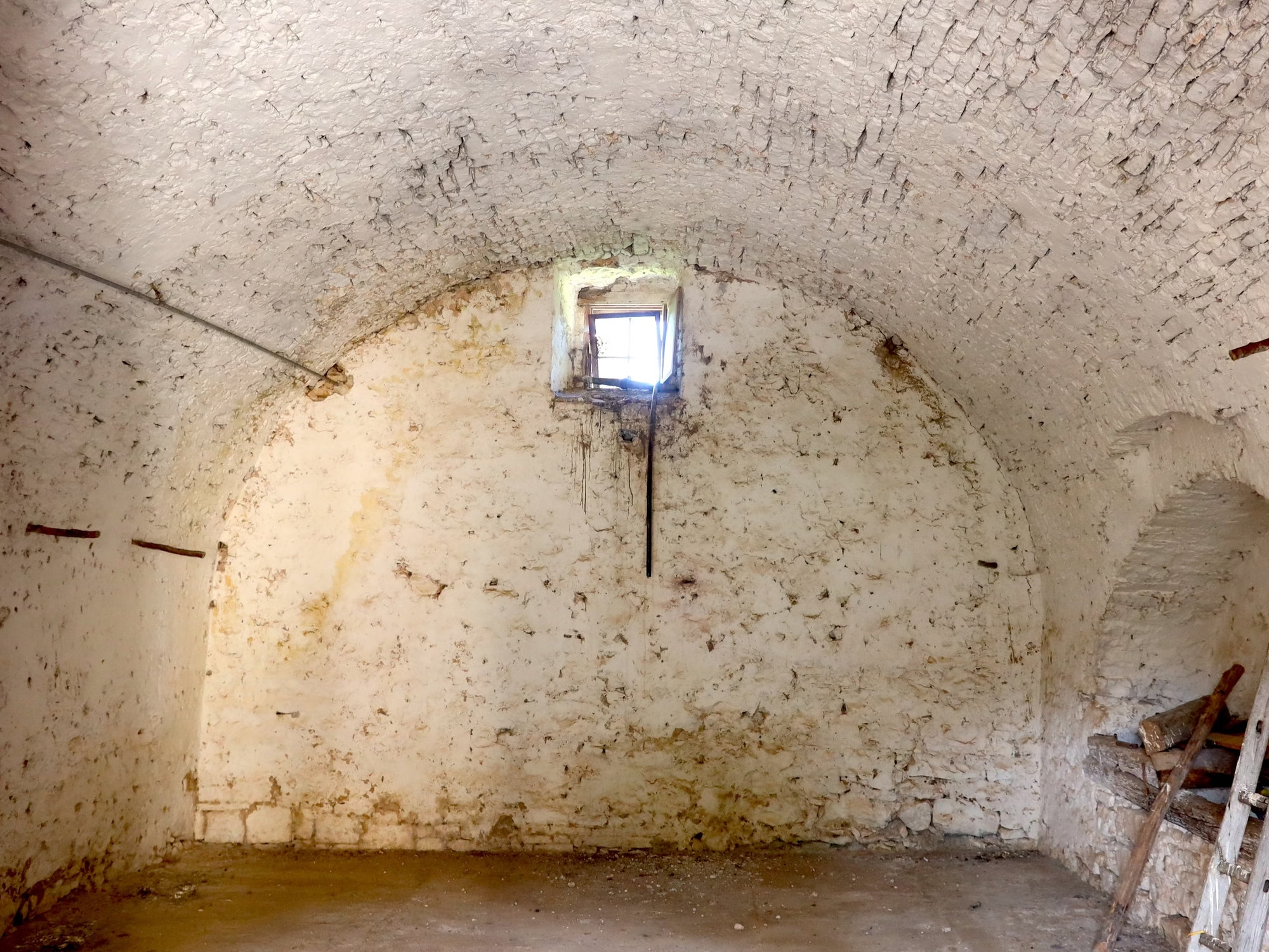
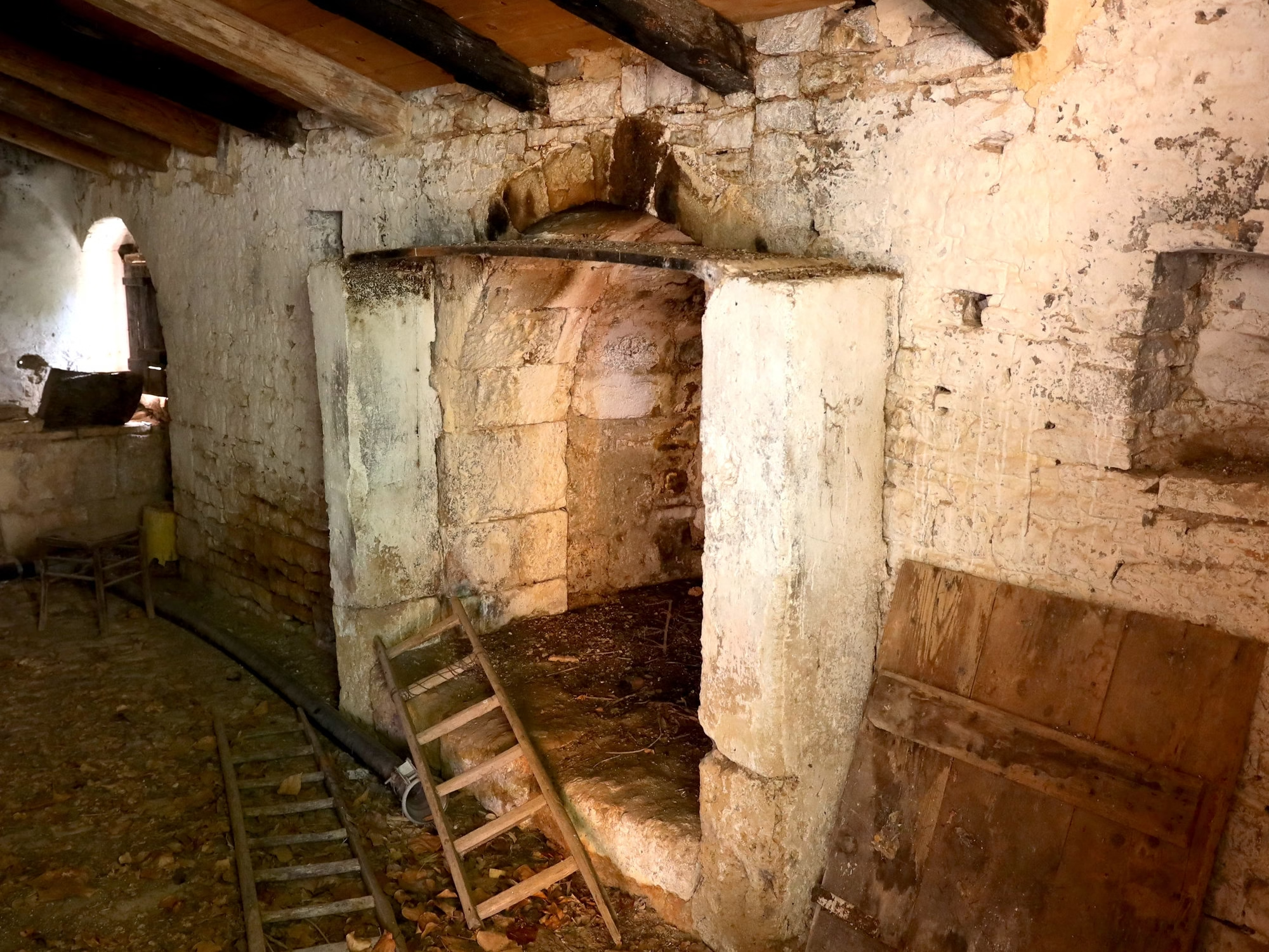
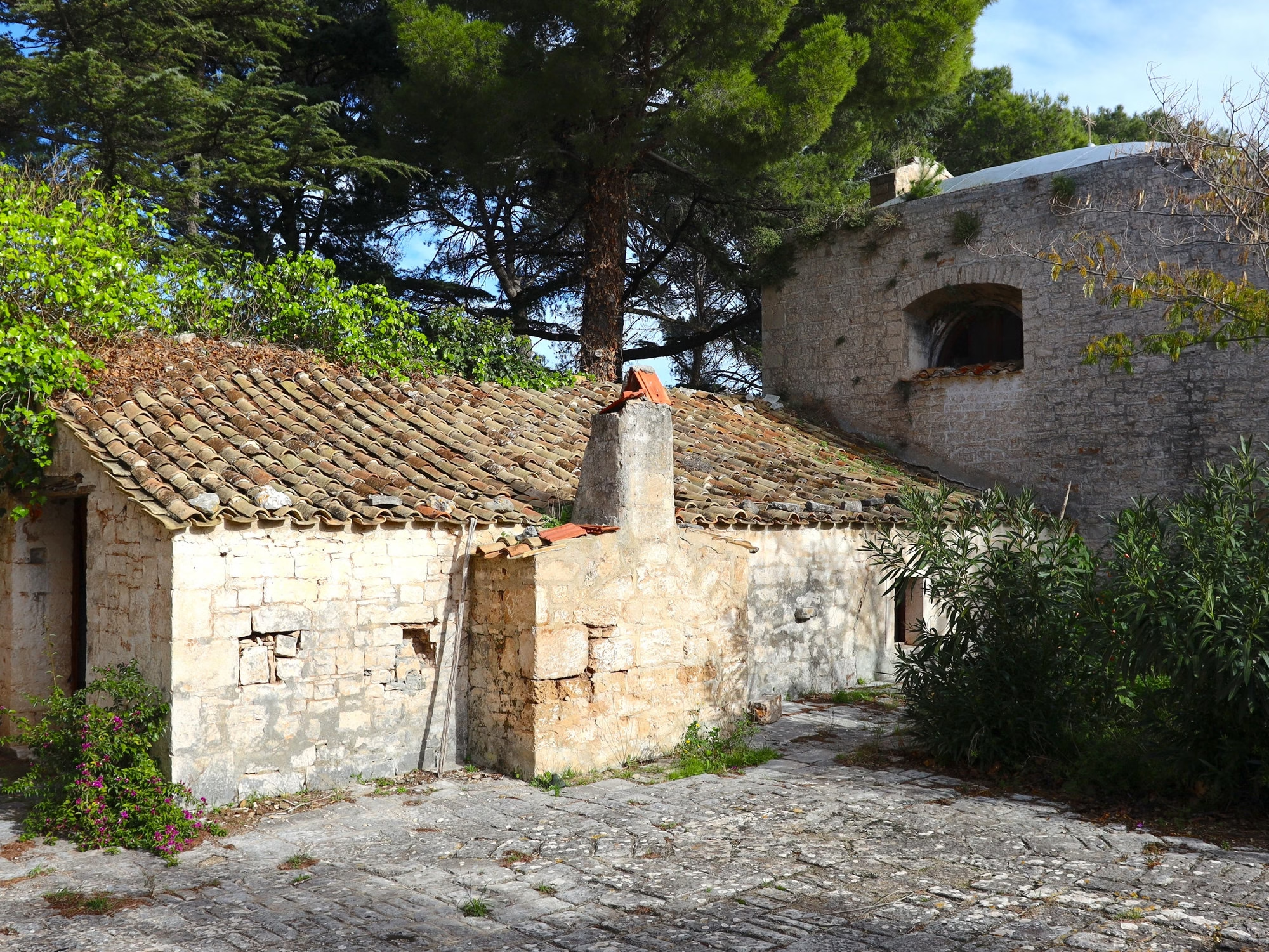
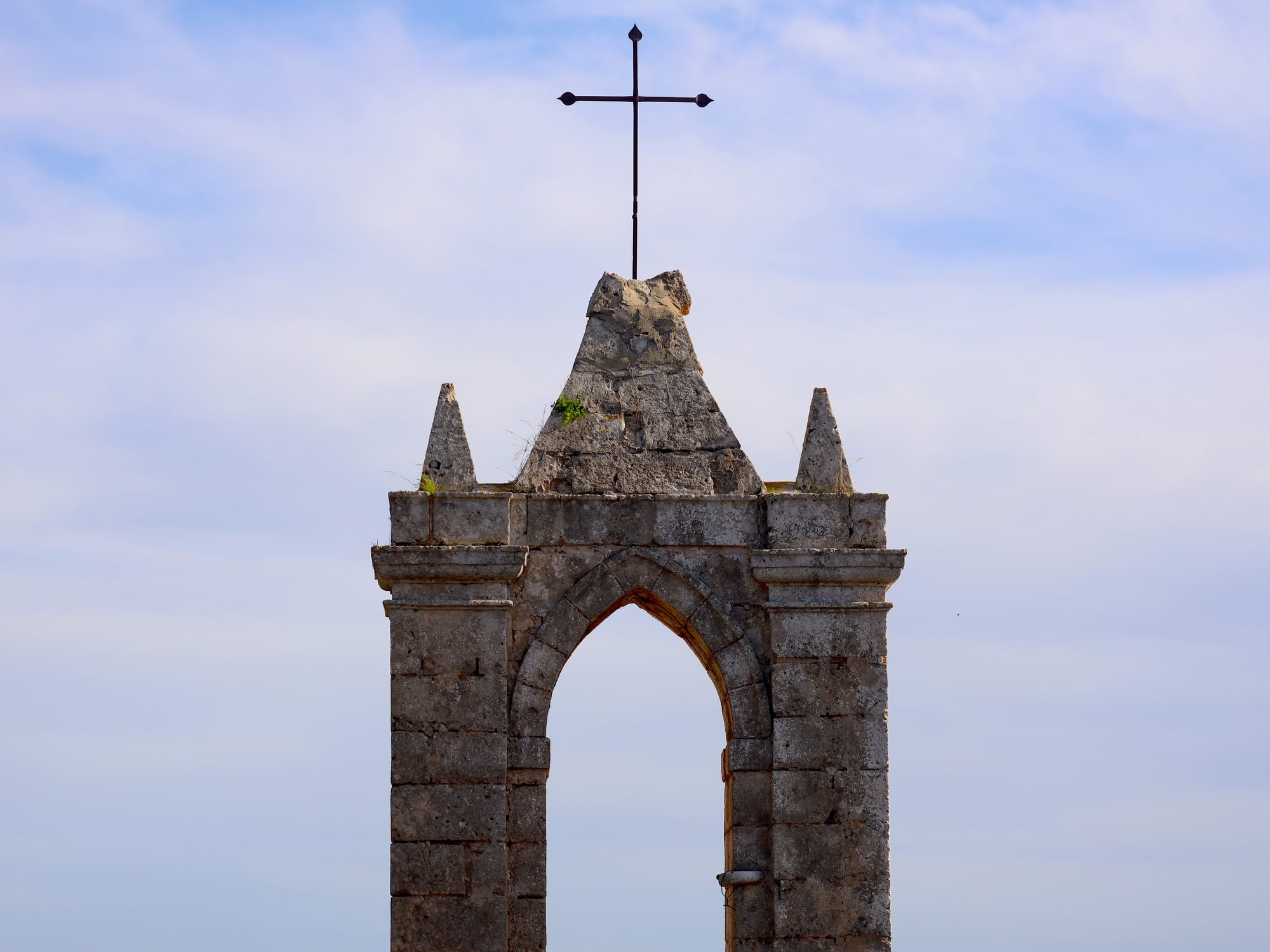
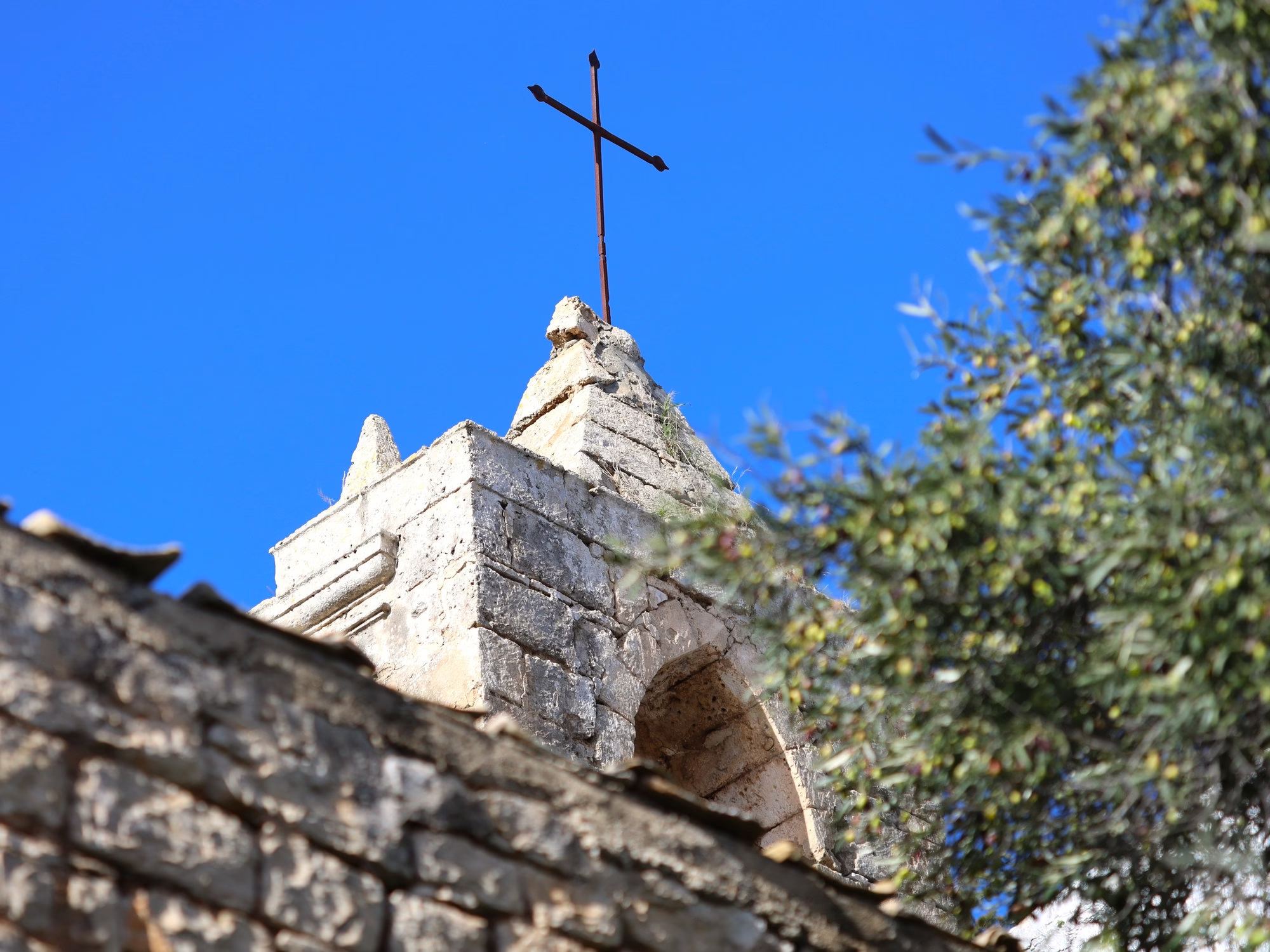
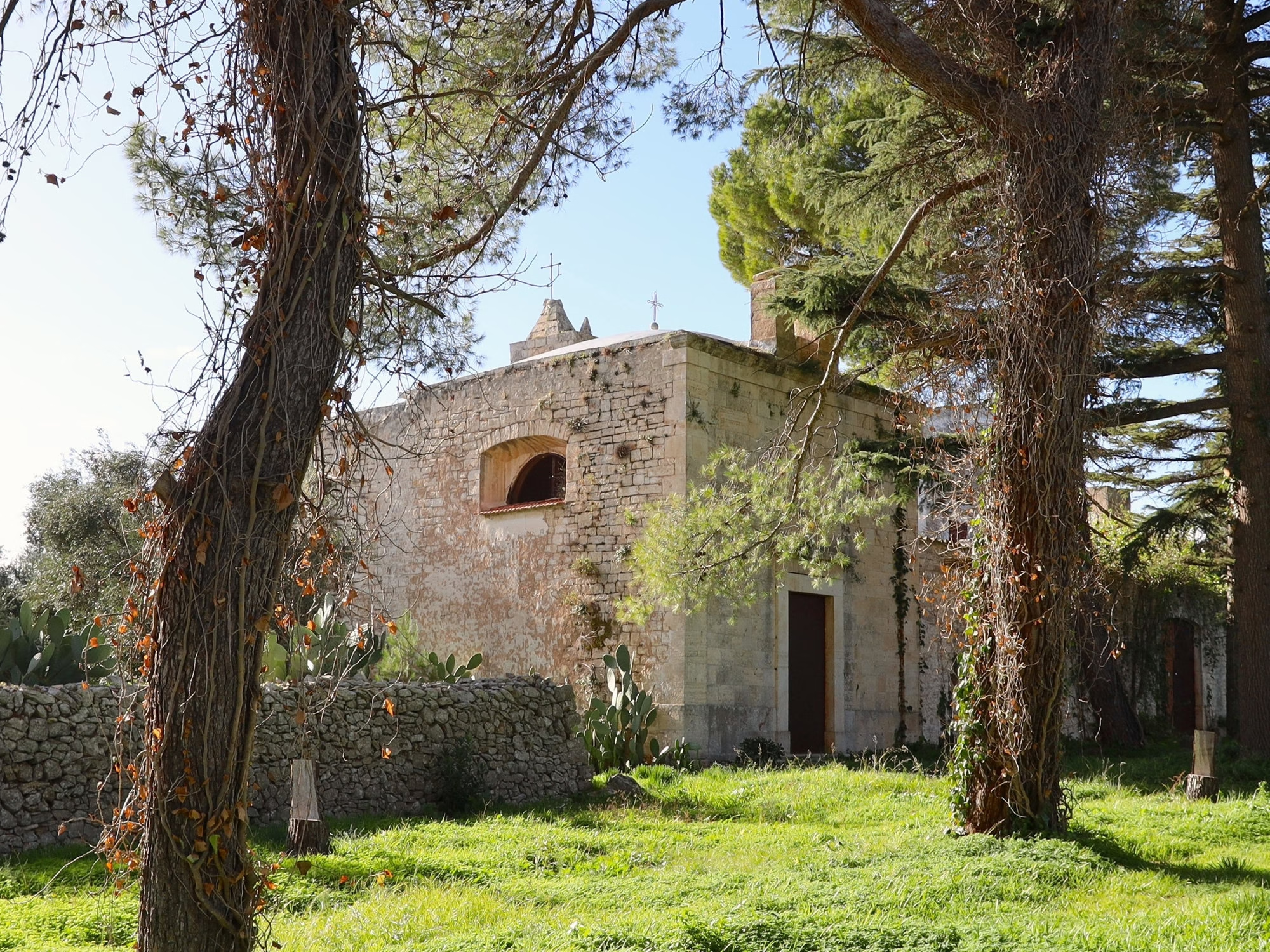
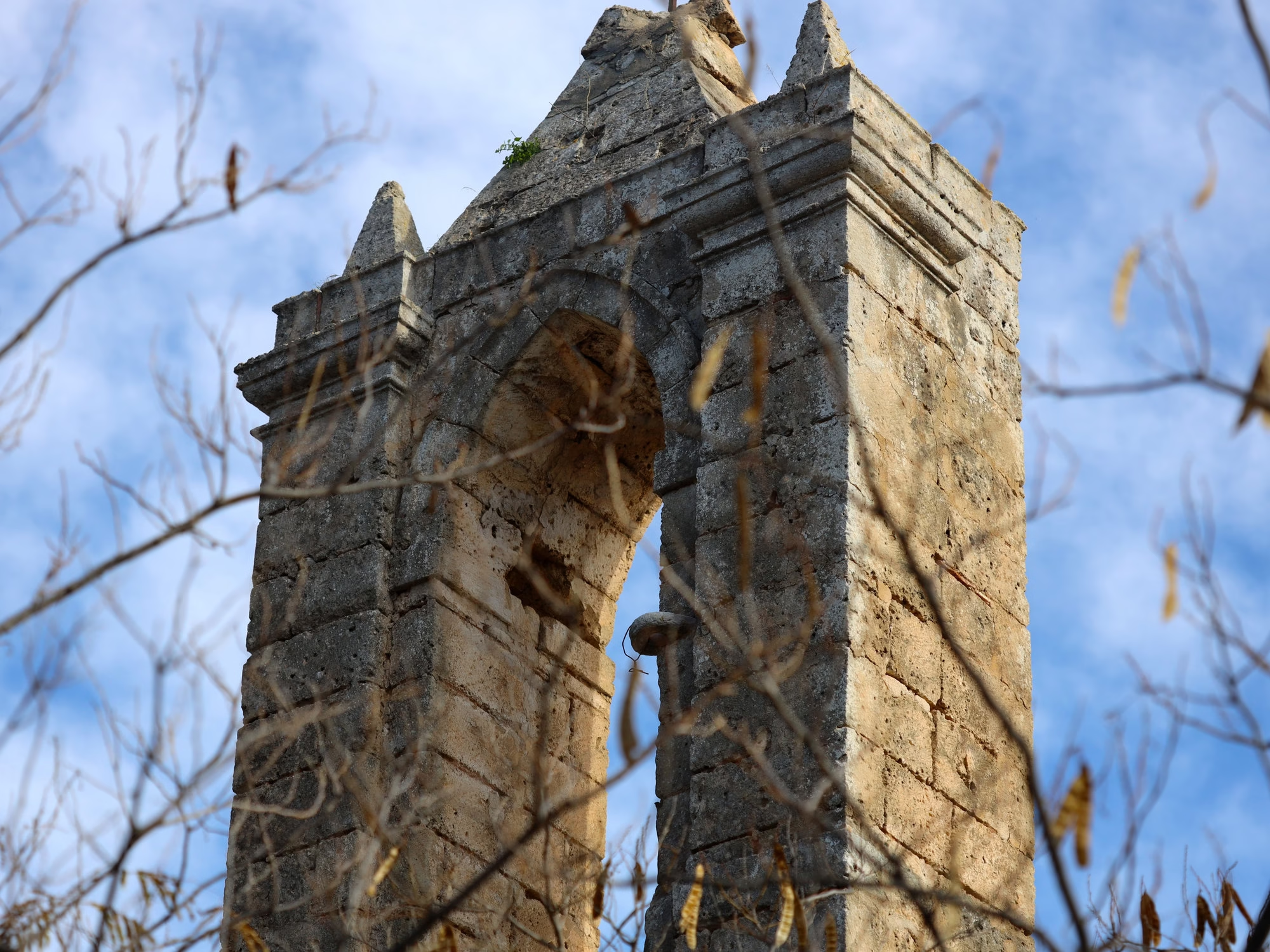
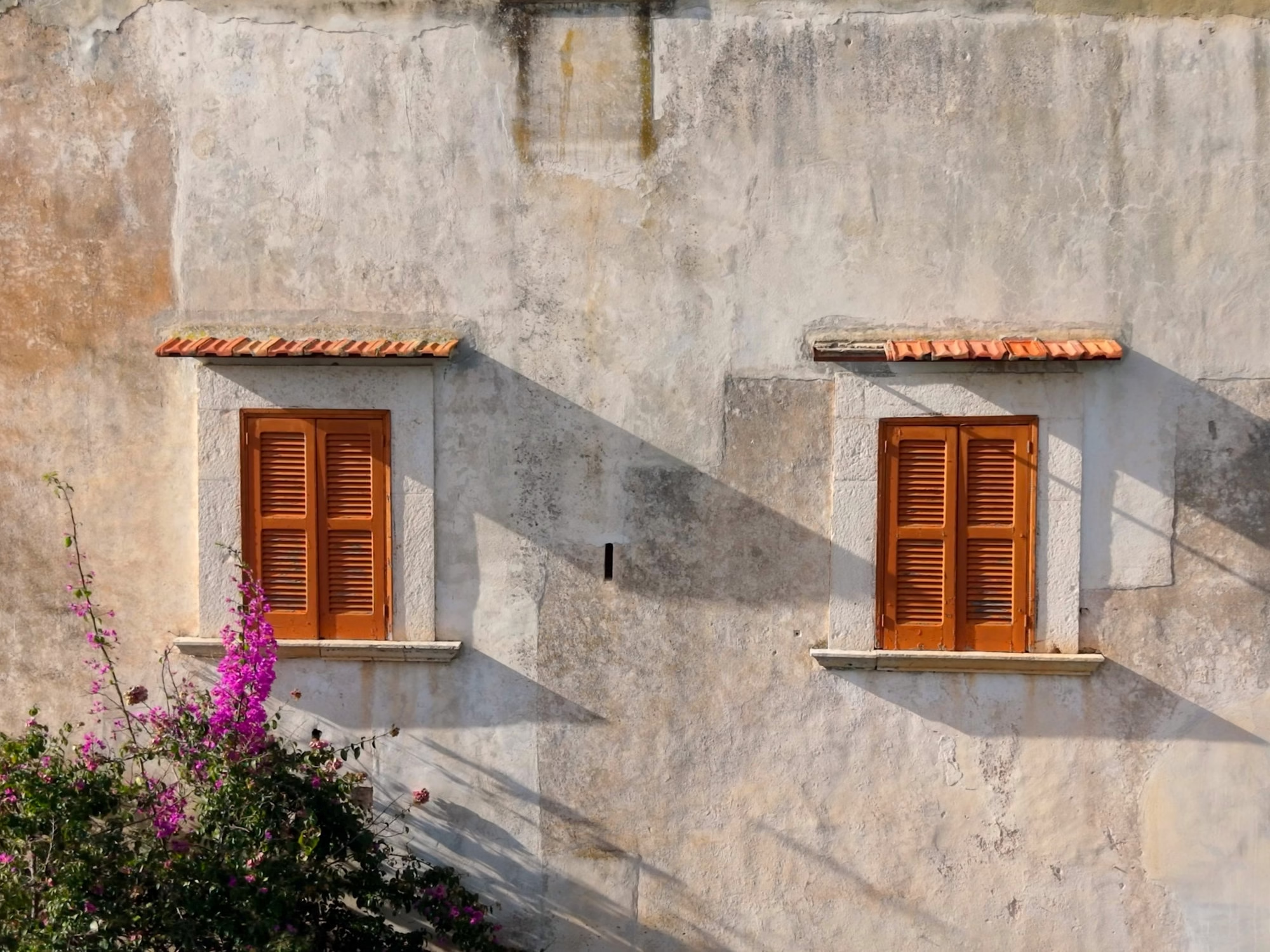
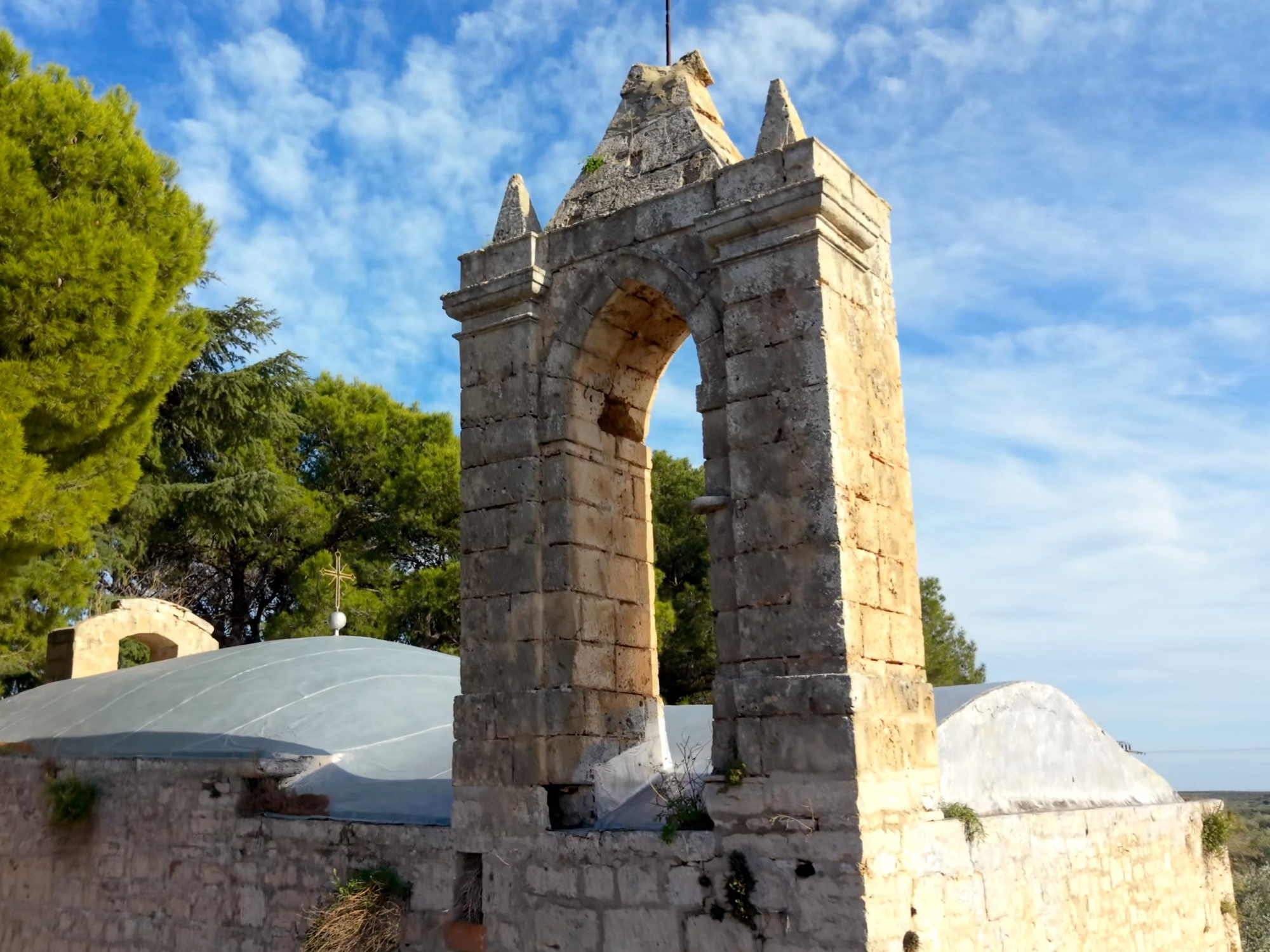
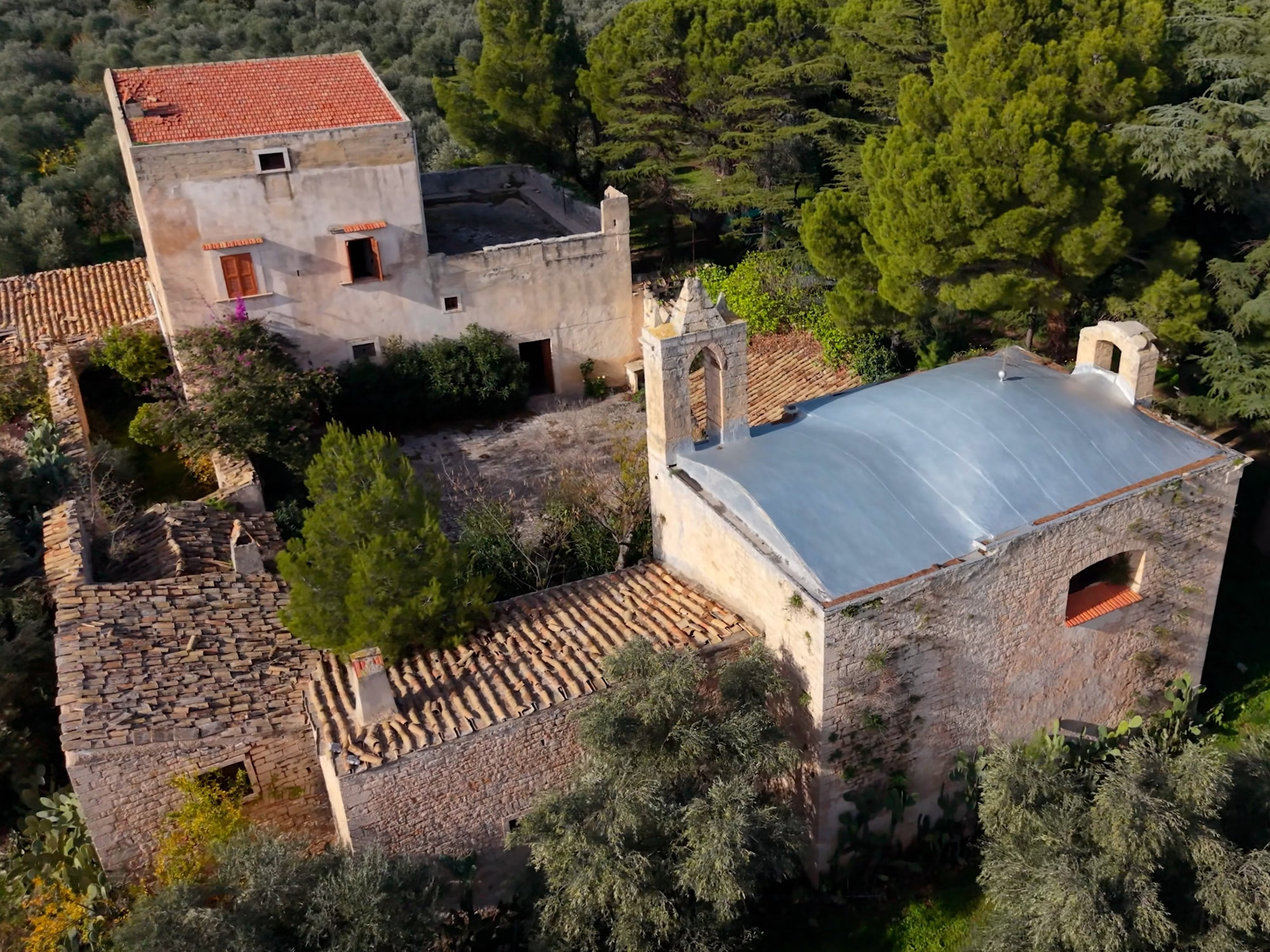
The manor house stands to the east, set on three levels. On the ground floor are the storerooms and cellars, on the second floor are the residents’ rooms with a large window which looks over the balcony, and above this is the attic. On the south side another high wall protects the rooms facing the courtyard where the workers’ voices would fill the air. At the centre of the community of the masseria was the chapel dedicated to Santa Maria Assunta. It was not only where Sunday Mass was held but it was a sign of the devotion that the people of Palo renewed with the recital of the Cento Croci on the eve of the festival in August. In that small chapel, the tired workers found comfort in their gesture of shared faith. On the eastern side there are two windows and a second bell tower, topped by a simple iron cross. This was the true heart of the Masseria Panfresco: a place where land, work and faith were blended together in a breath as warm as the freshly baked bread.