
Villa Mininni (Today villa delle querce)
Cent. 18th
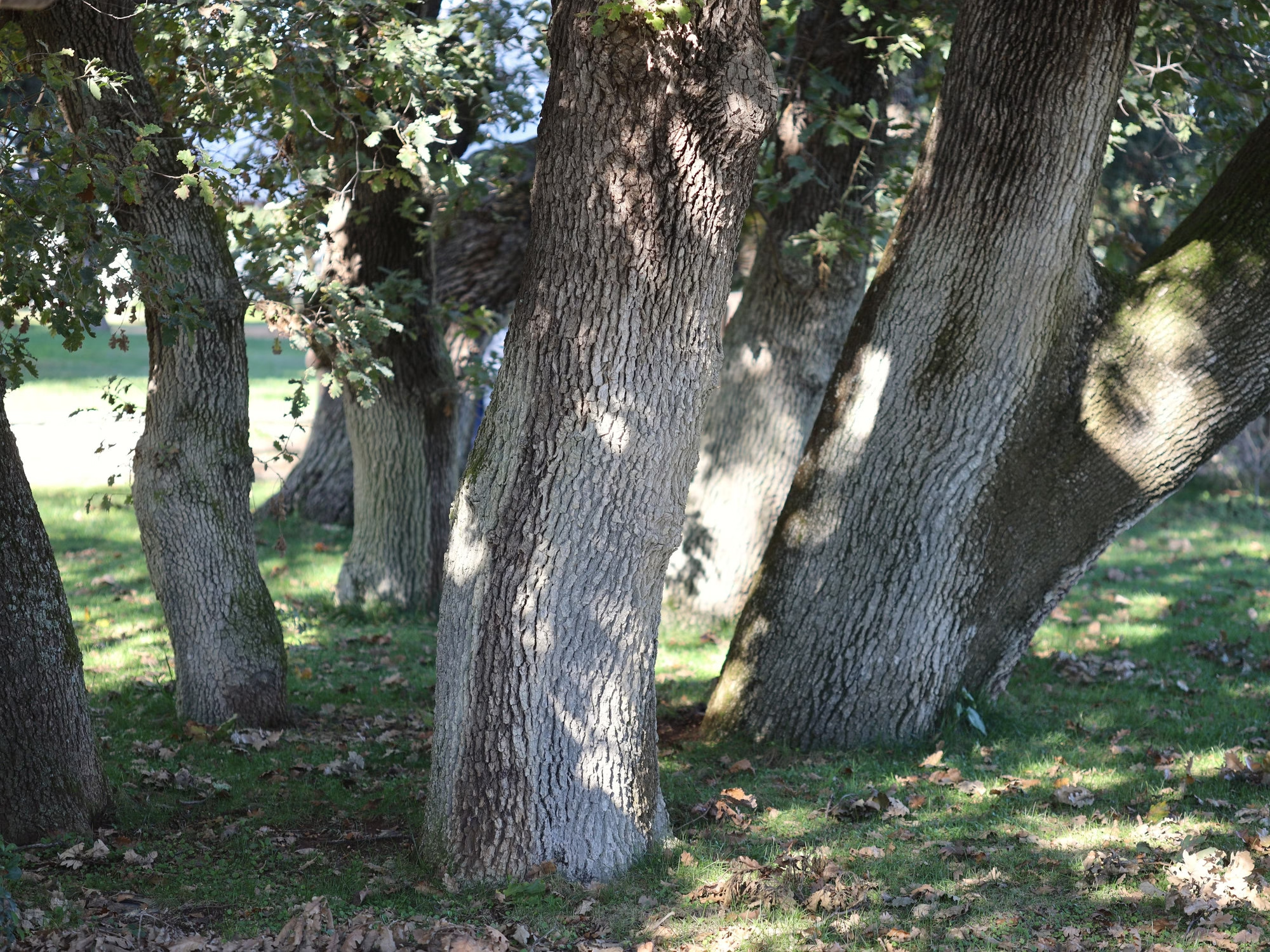
An elegant gate opens onto a shady driveway leading to Villa delle Querce, immersed in the silence of its ancient gardens. At the end of the 18th century, it was a hunting lodge belonging to the Mininni family who would spend time there among the oak trees and the countryside. It was the lawyer Giuseppe Mininni, once mayor of Palo, who transformed the building into a family residence. He was a man of great vision and tenacity, and after the Second World War he was committed to rebuilding the town: Piazza Santa Croce was repaved, having been destroyed by heavy military vehicles of the allies during the war; the Forges Davanzati primary school returned to its original function after having been used as a military hospital; he began construction of the market and the reclamation of Piazzale di Auricarro; and he even connected Palo to the sewage mains, resolving its long-standing hygiene problems.
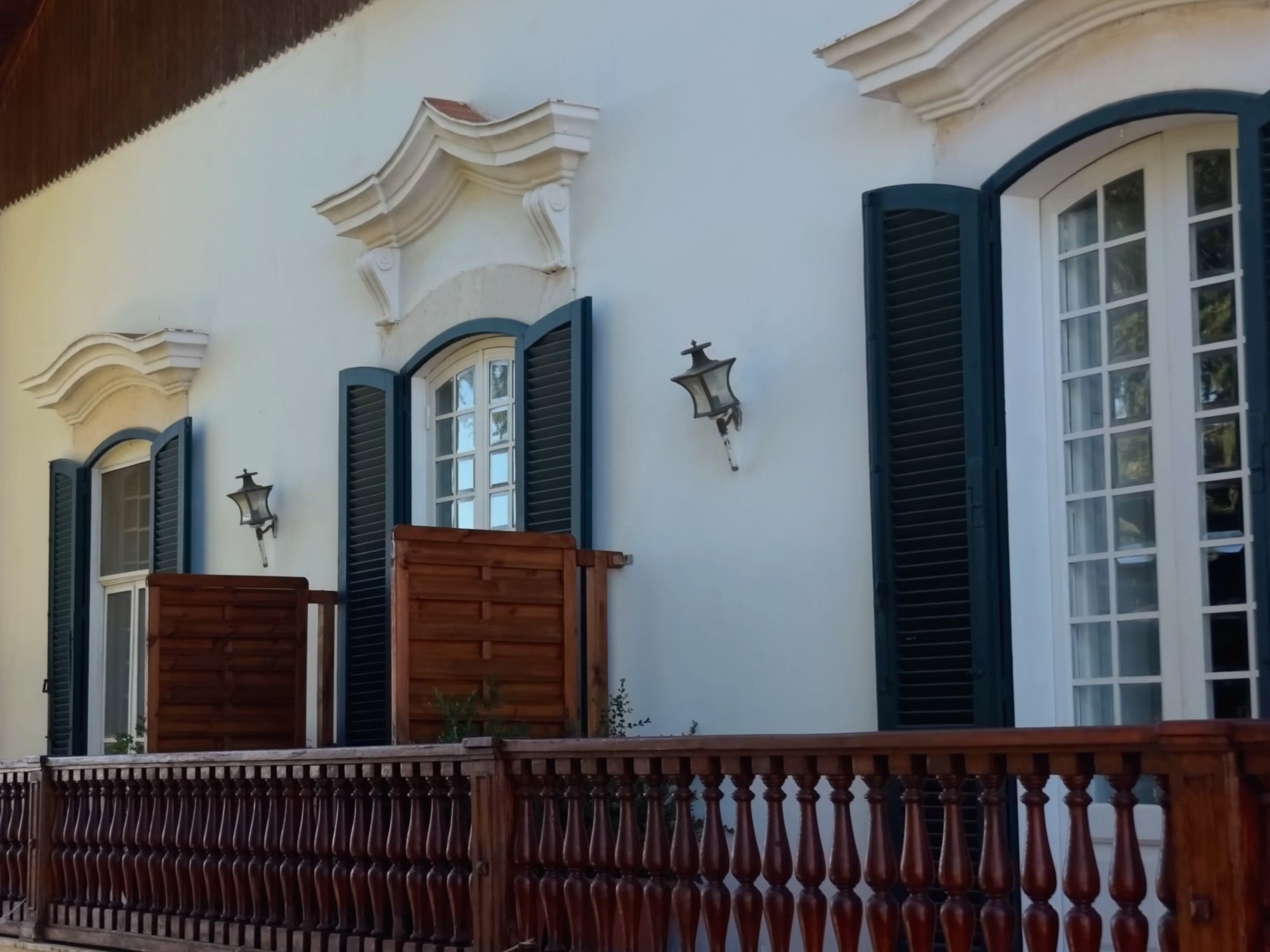
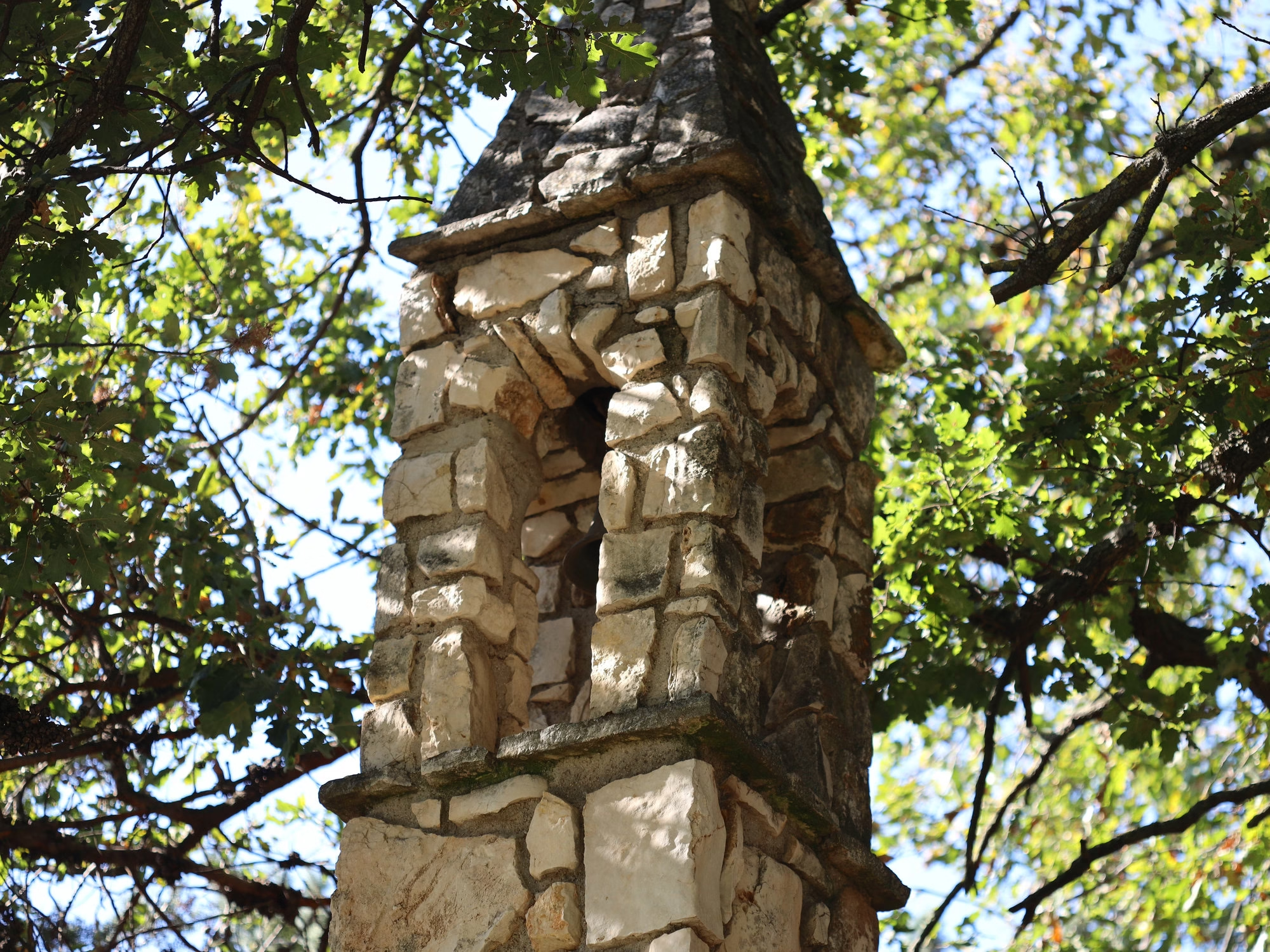
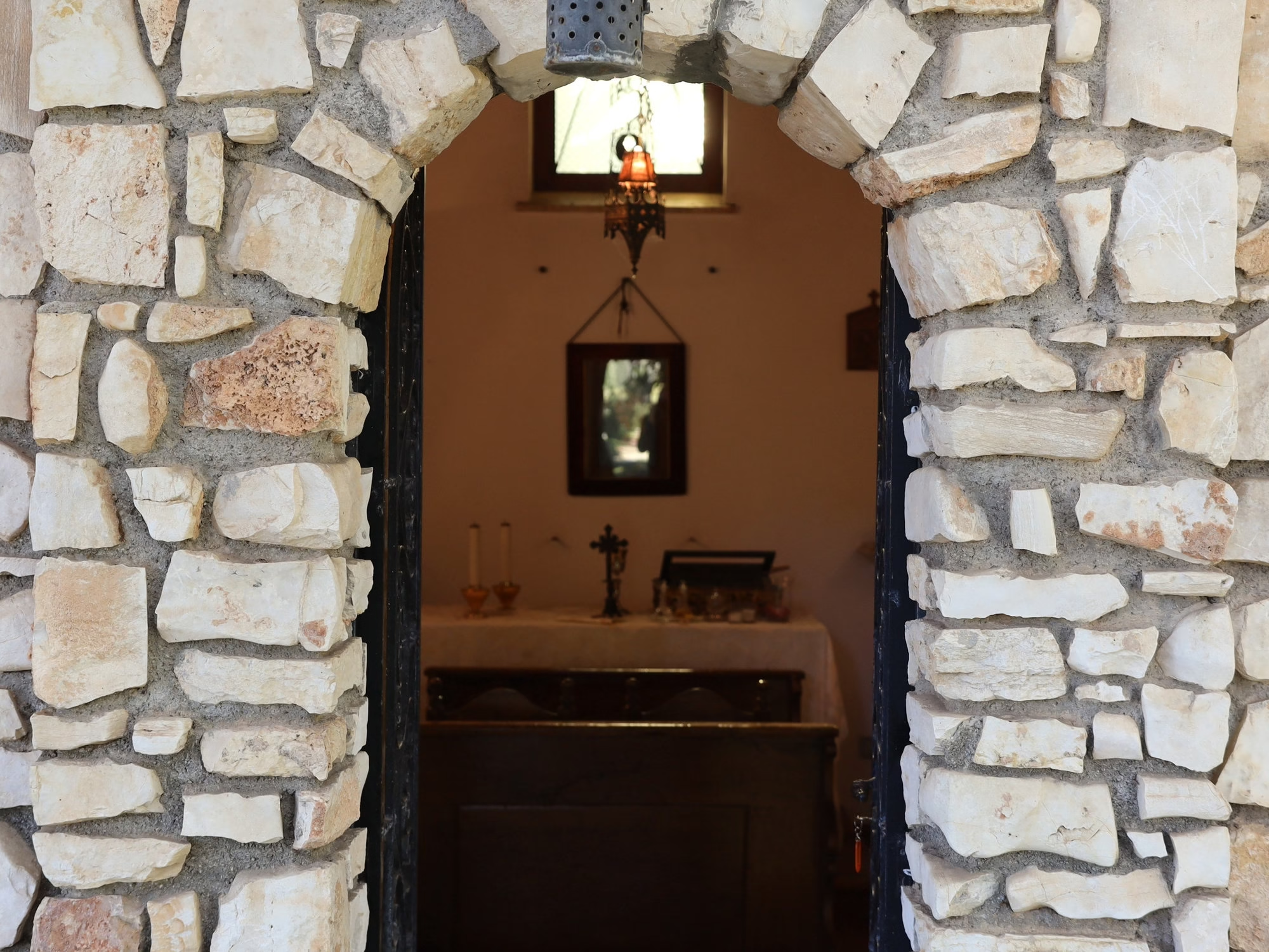
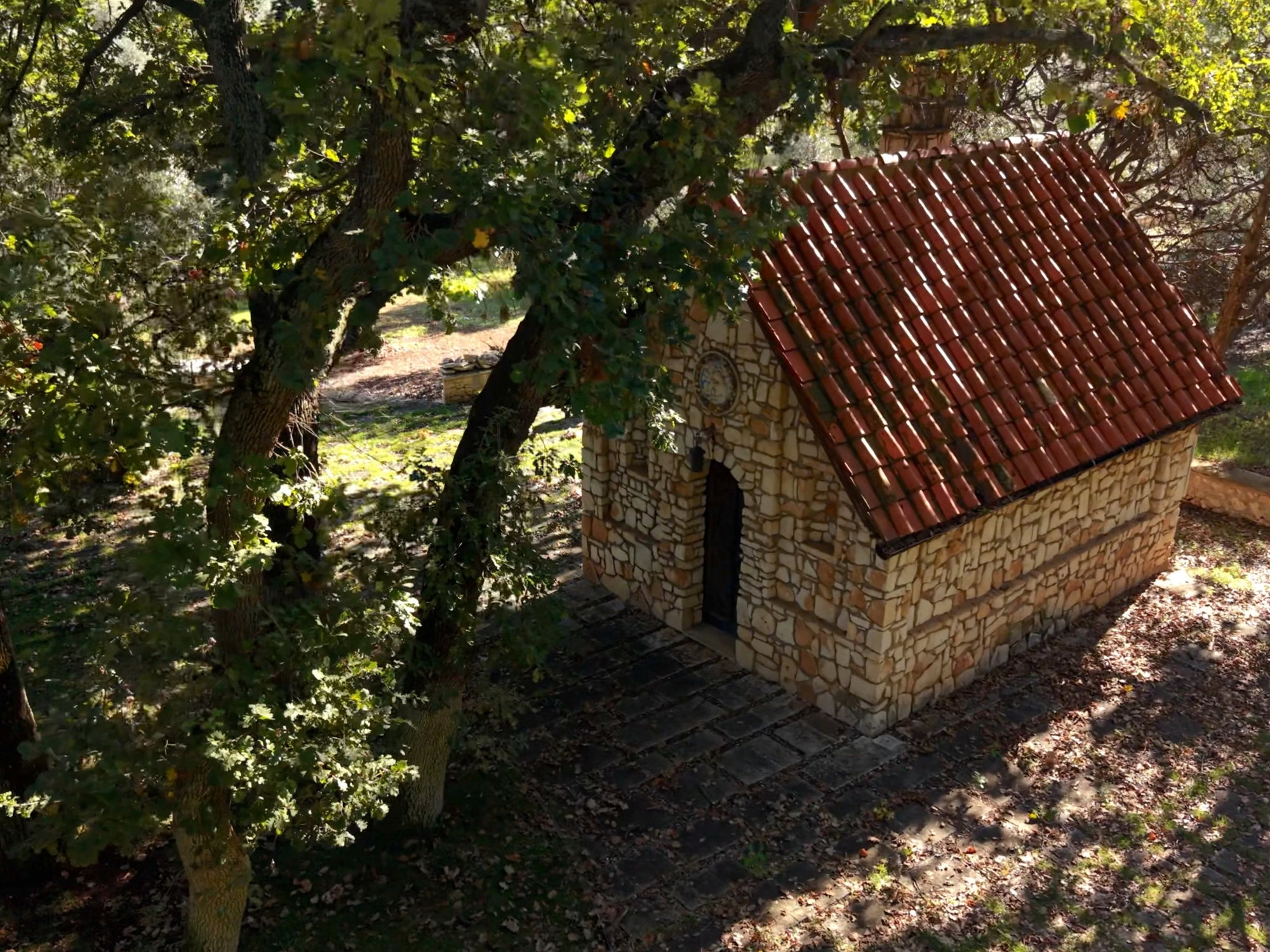
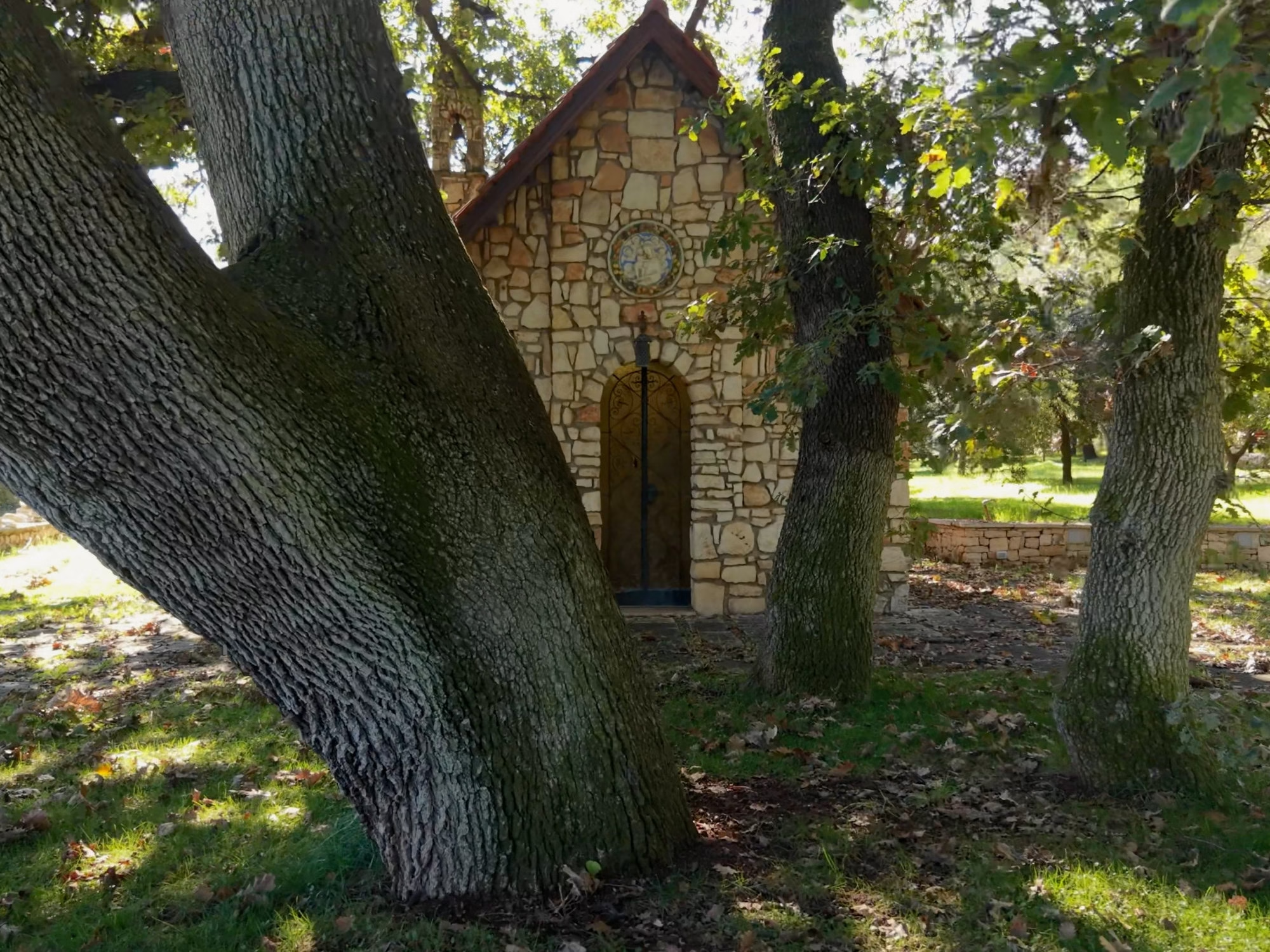
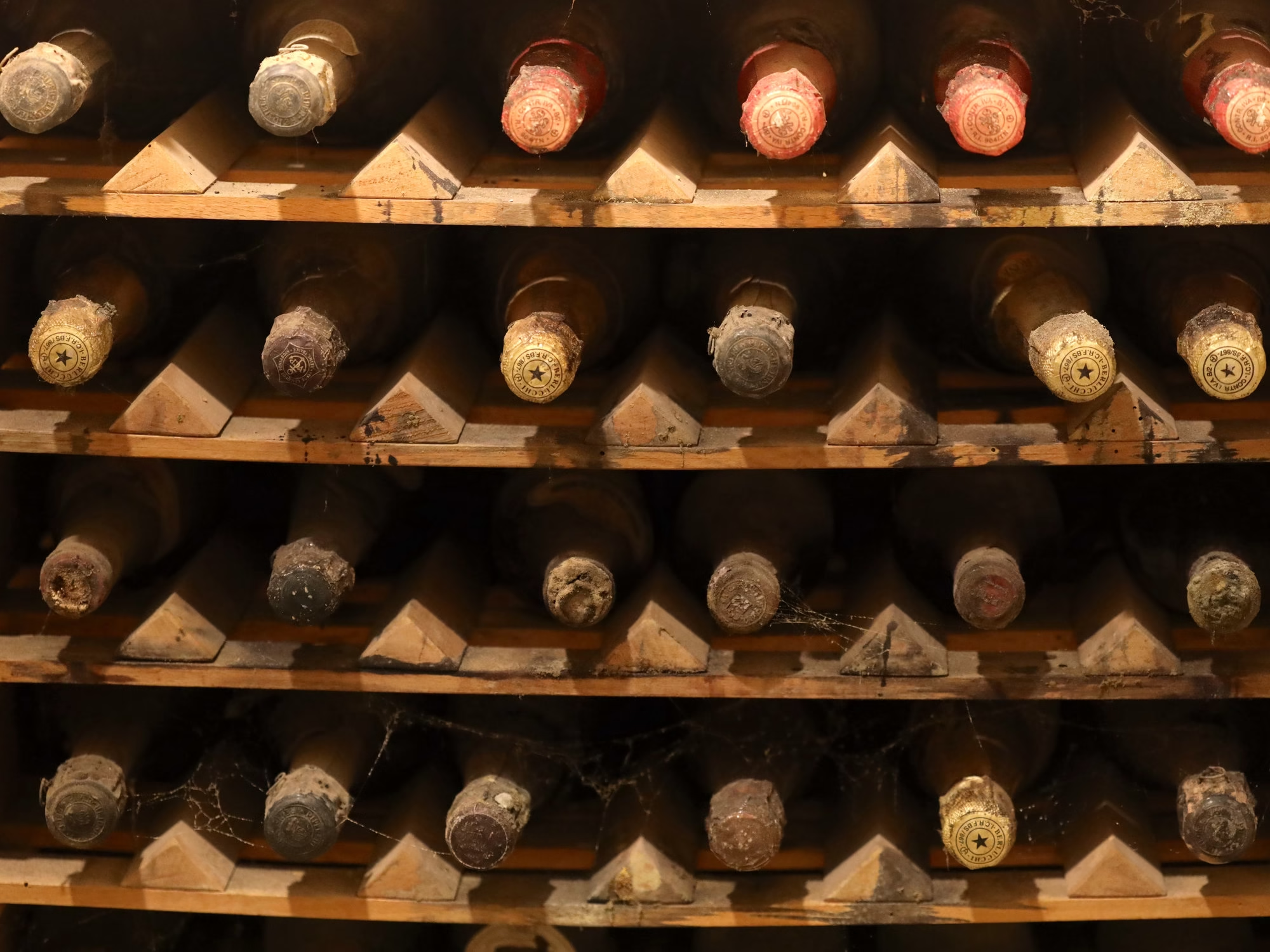
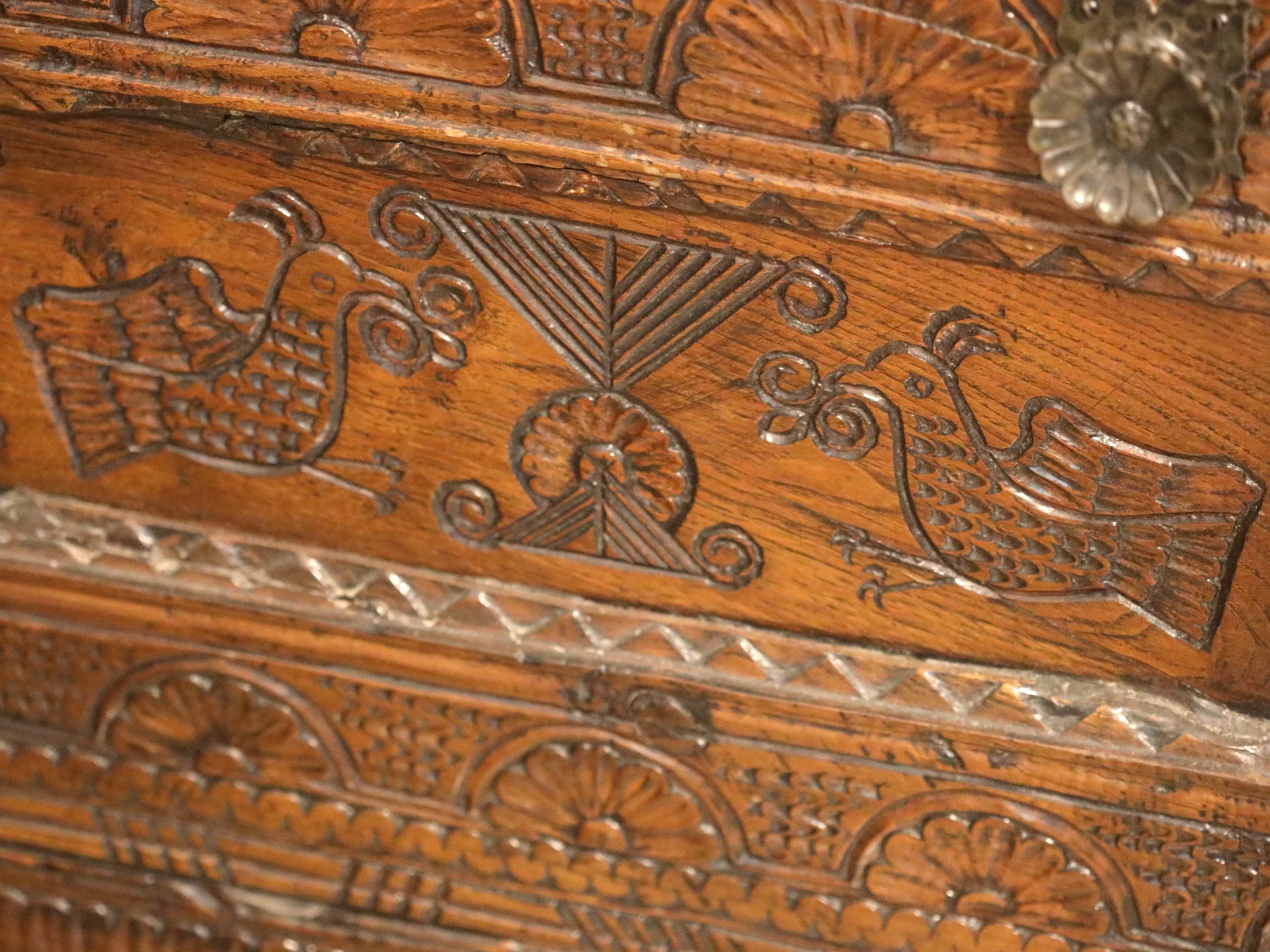
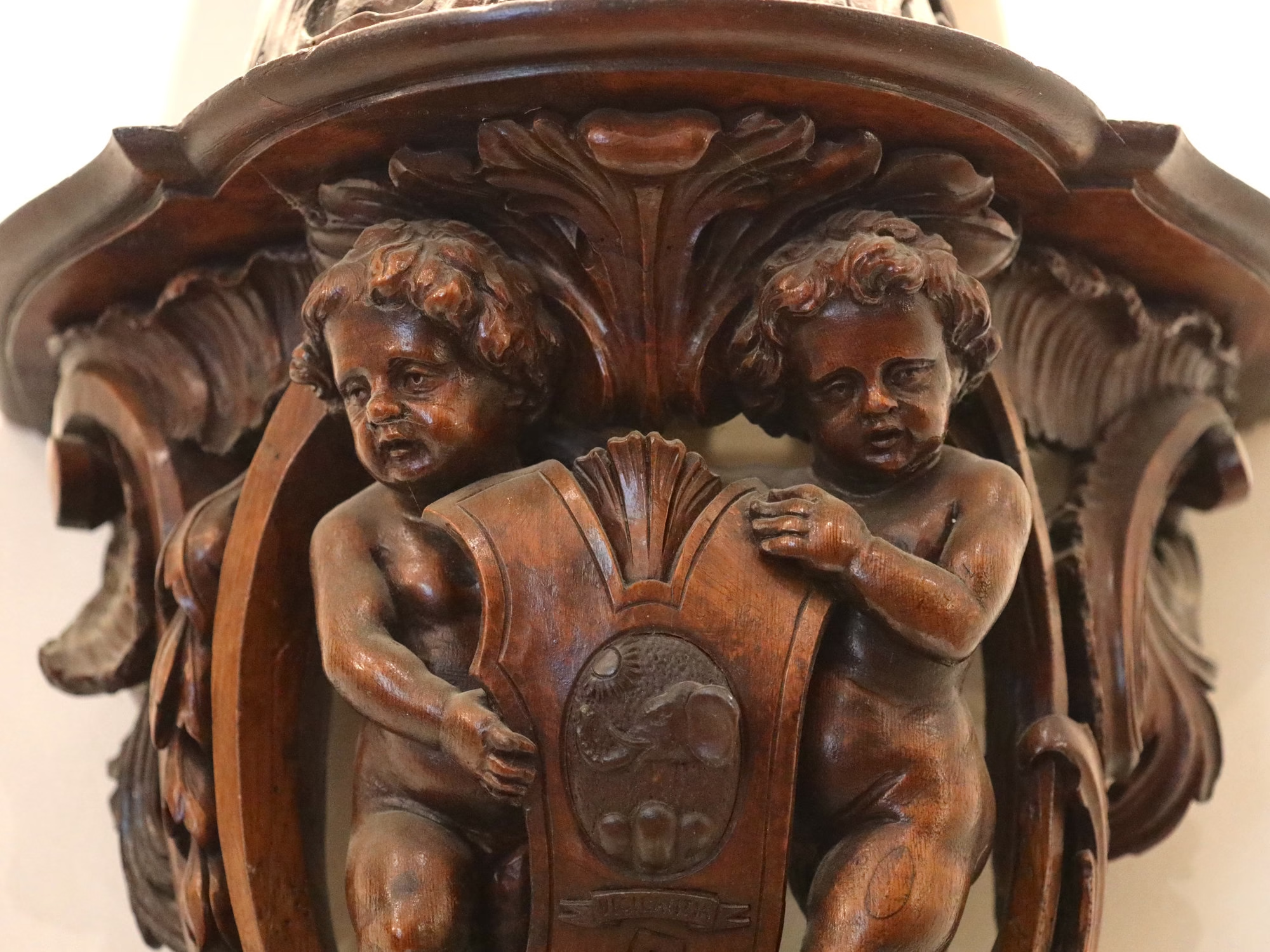

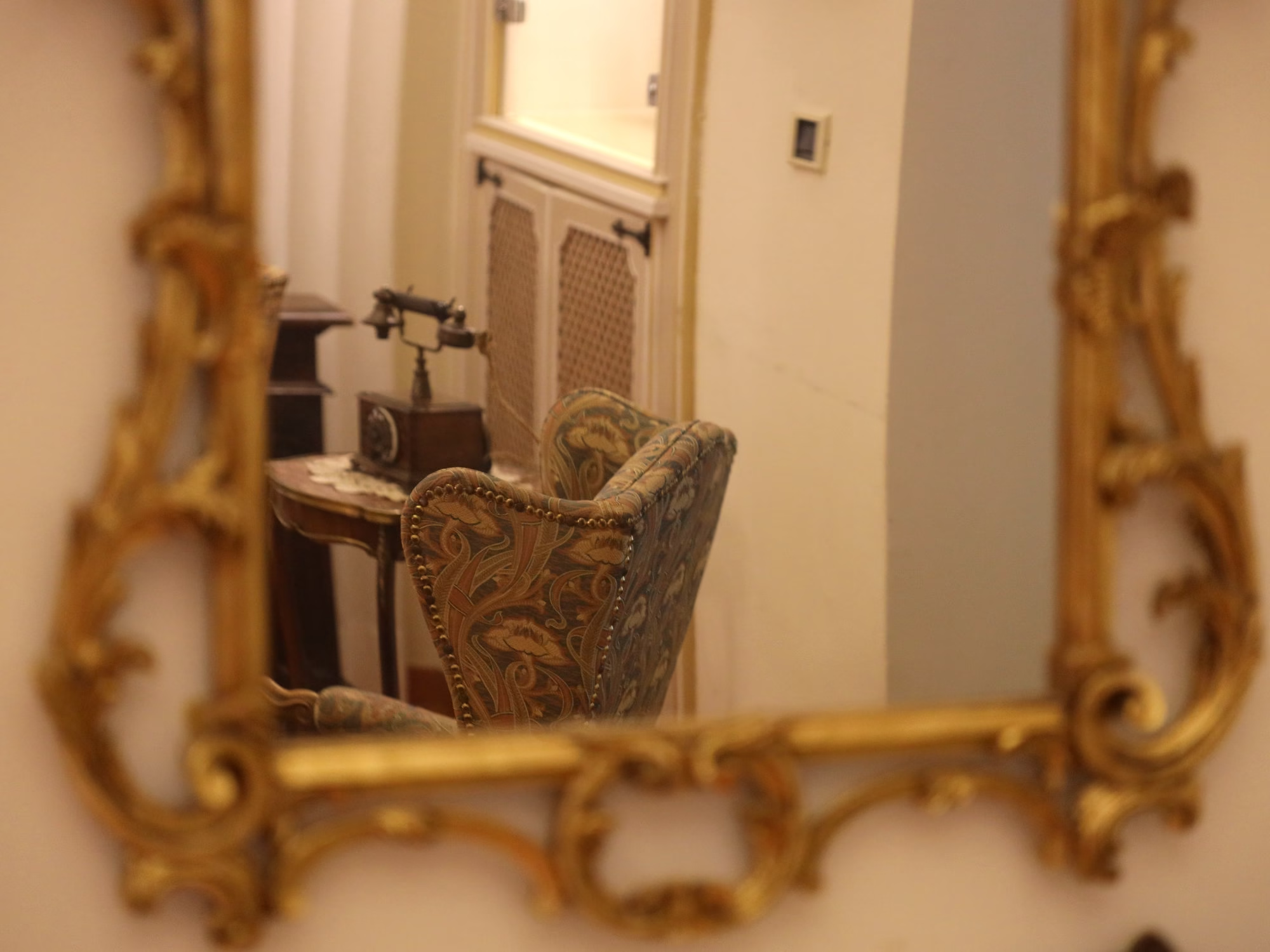
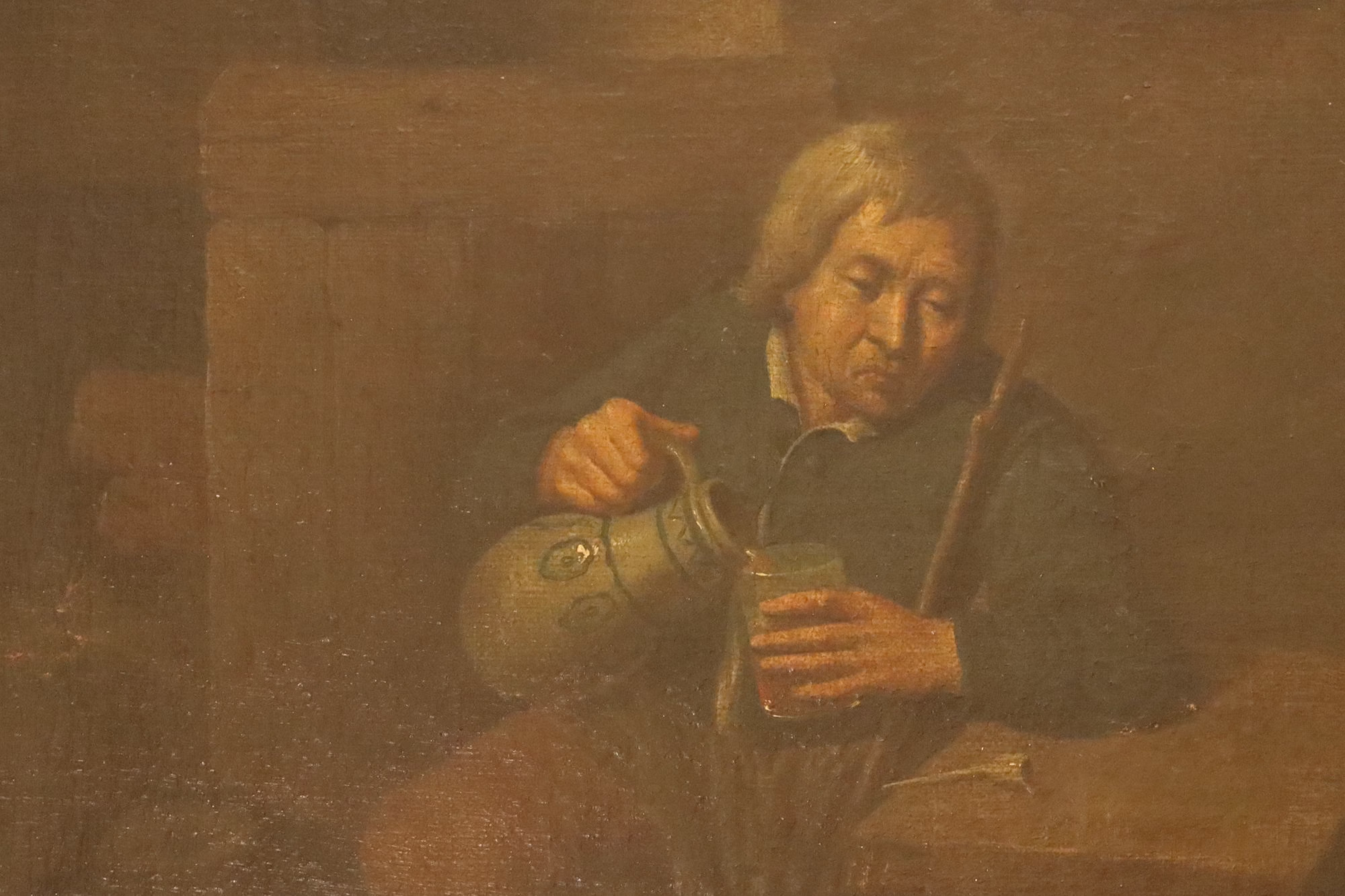
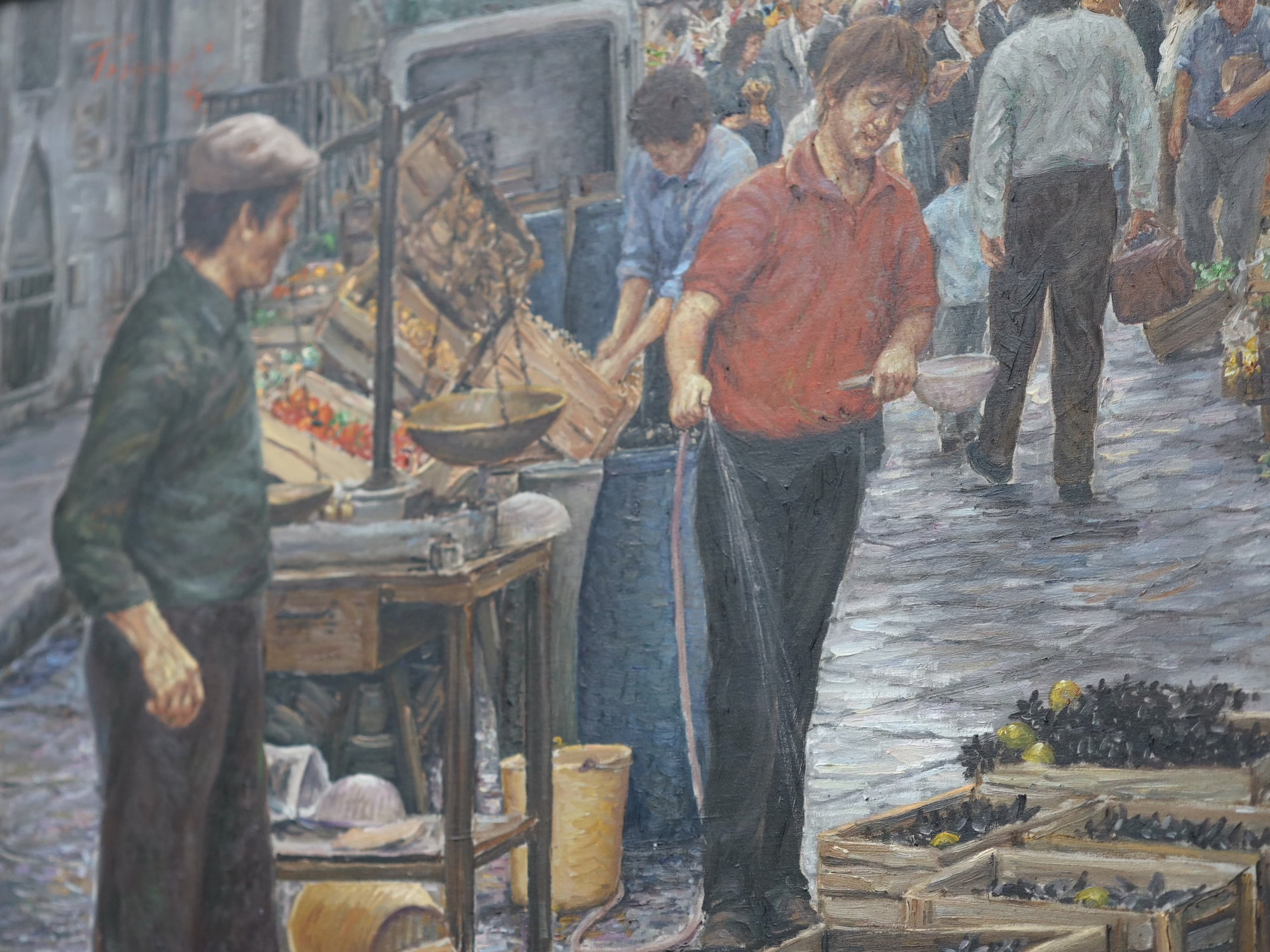
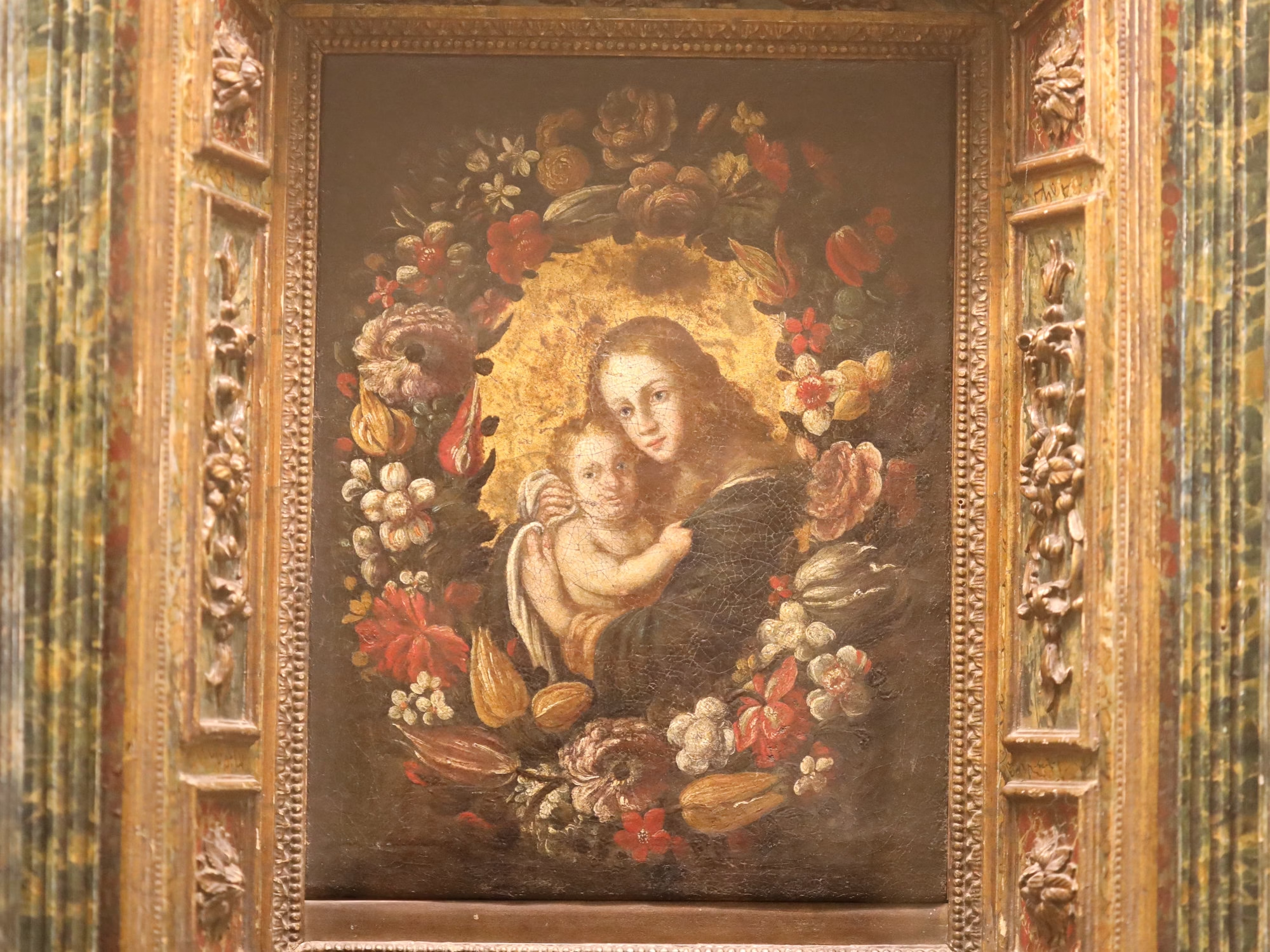
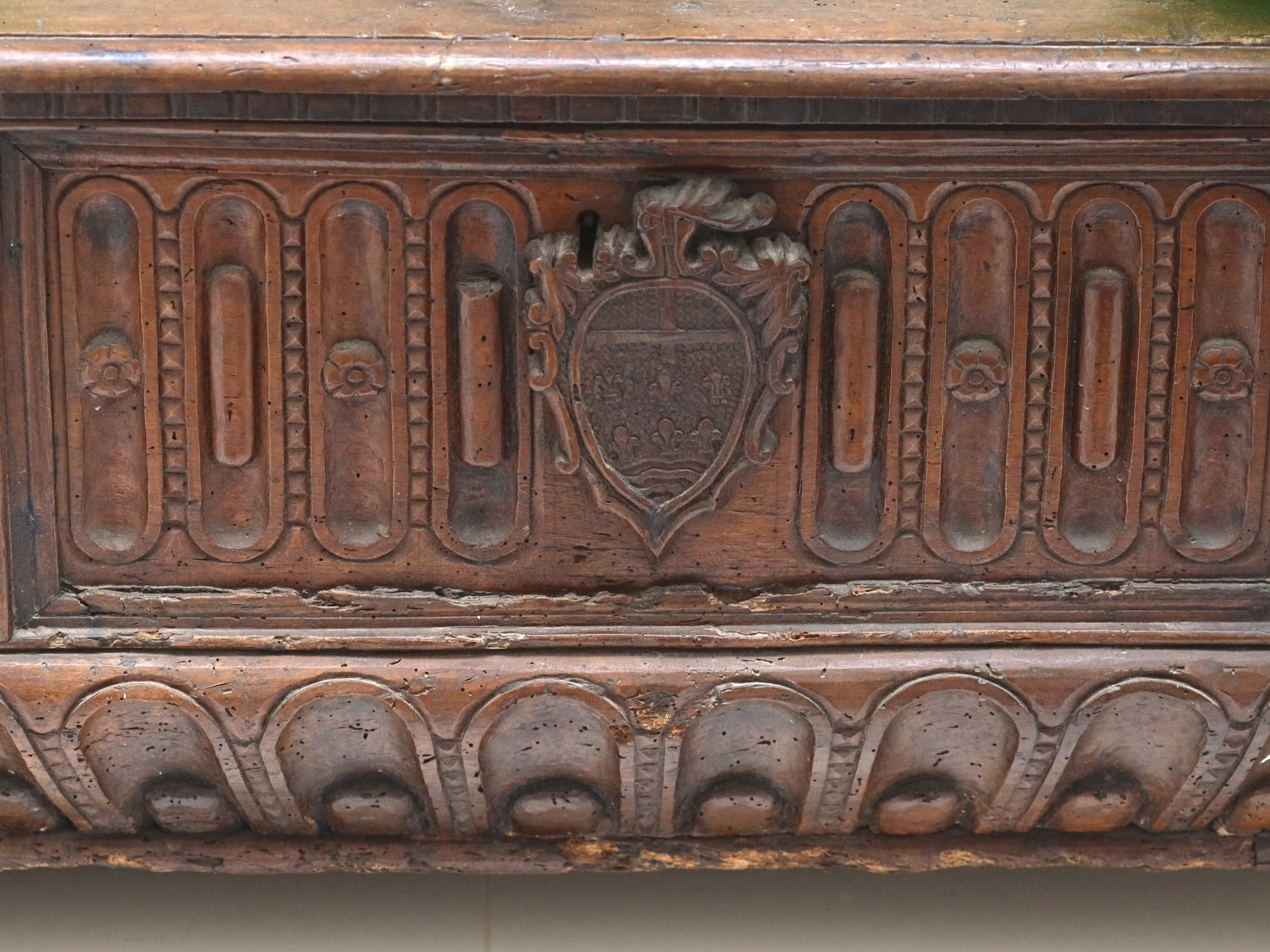
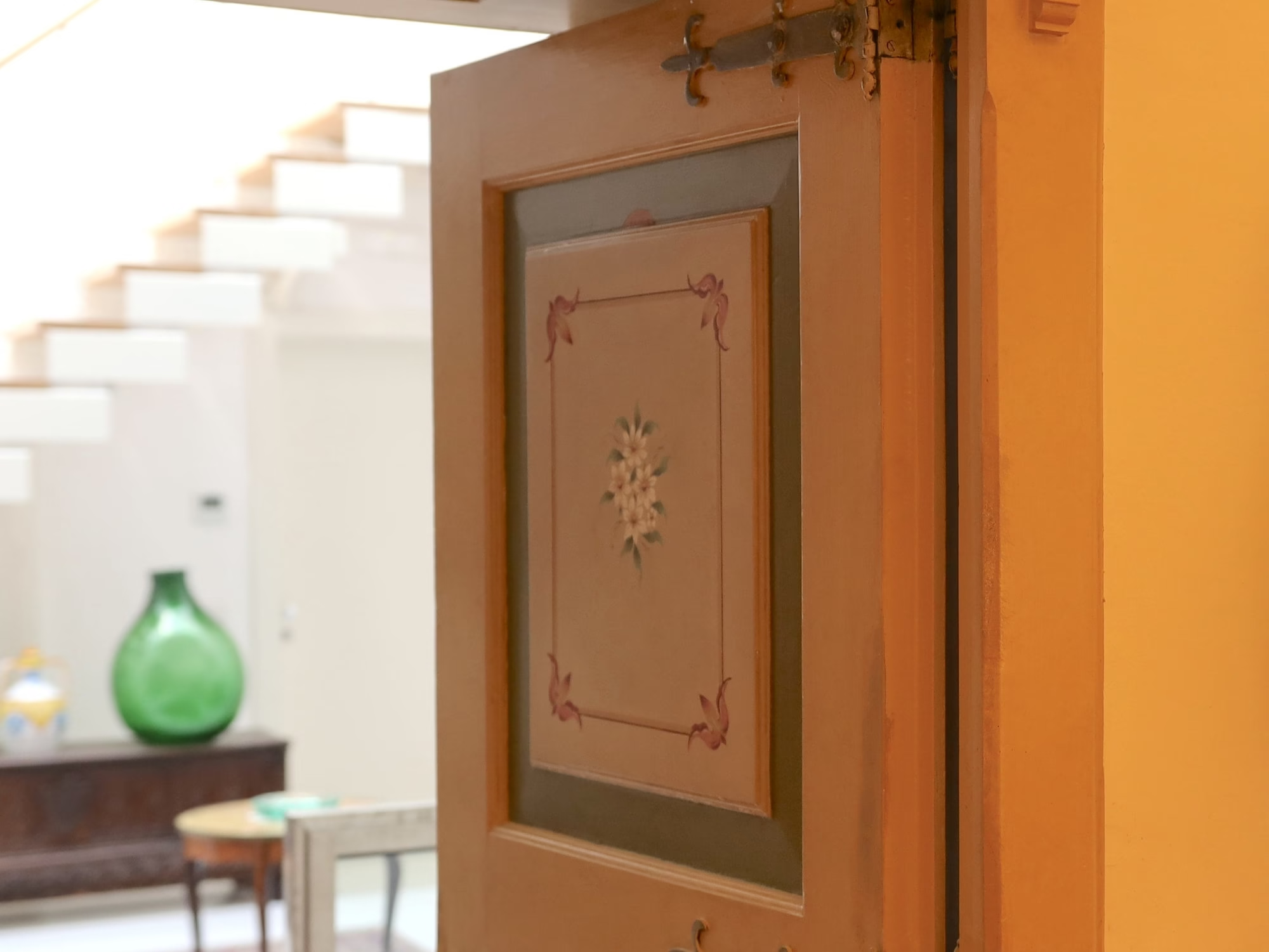
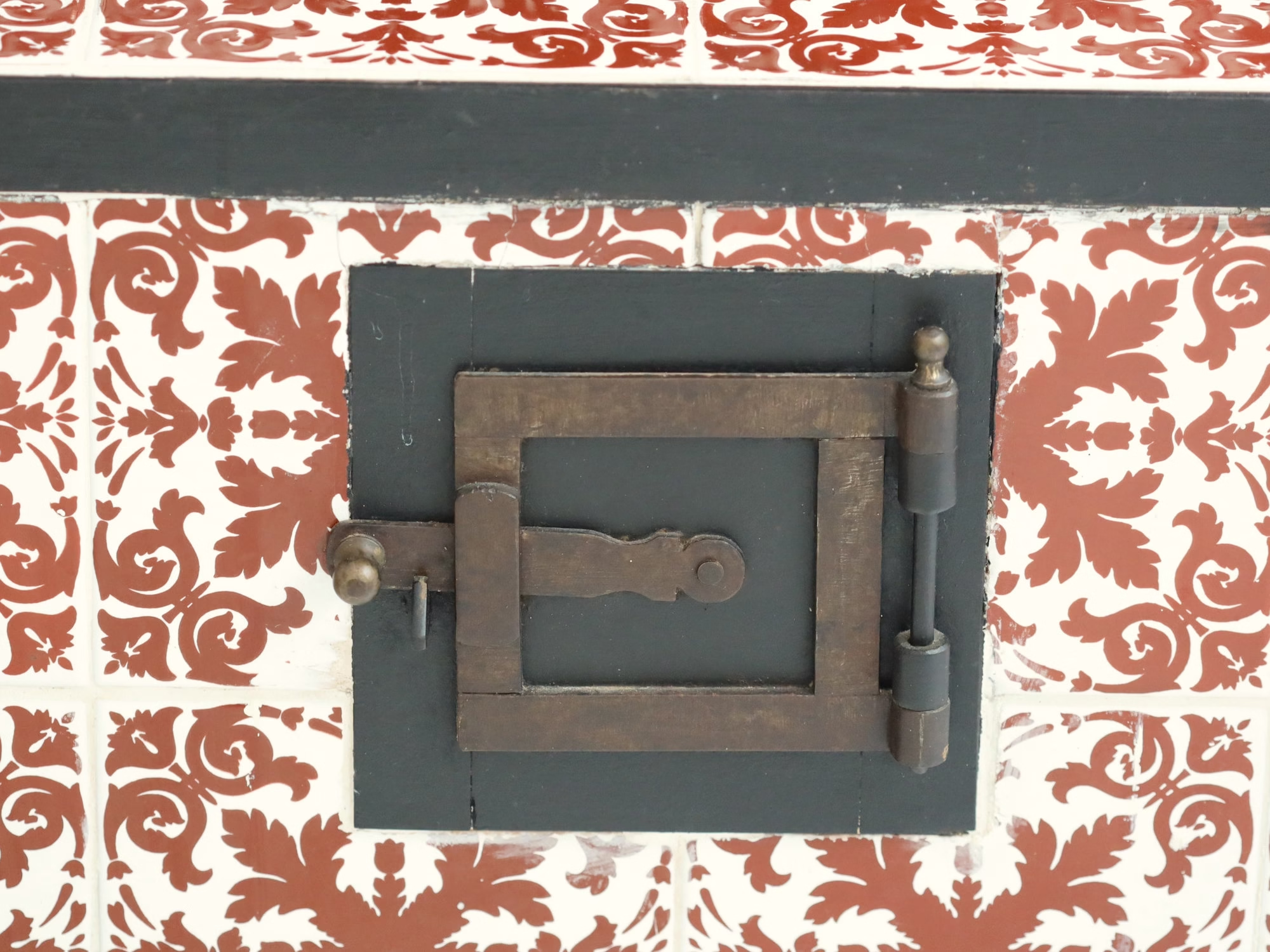
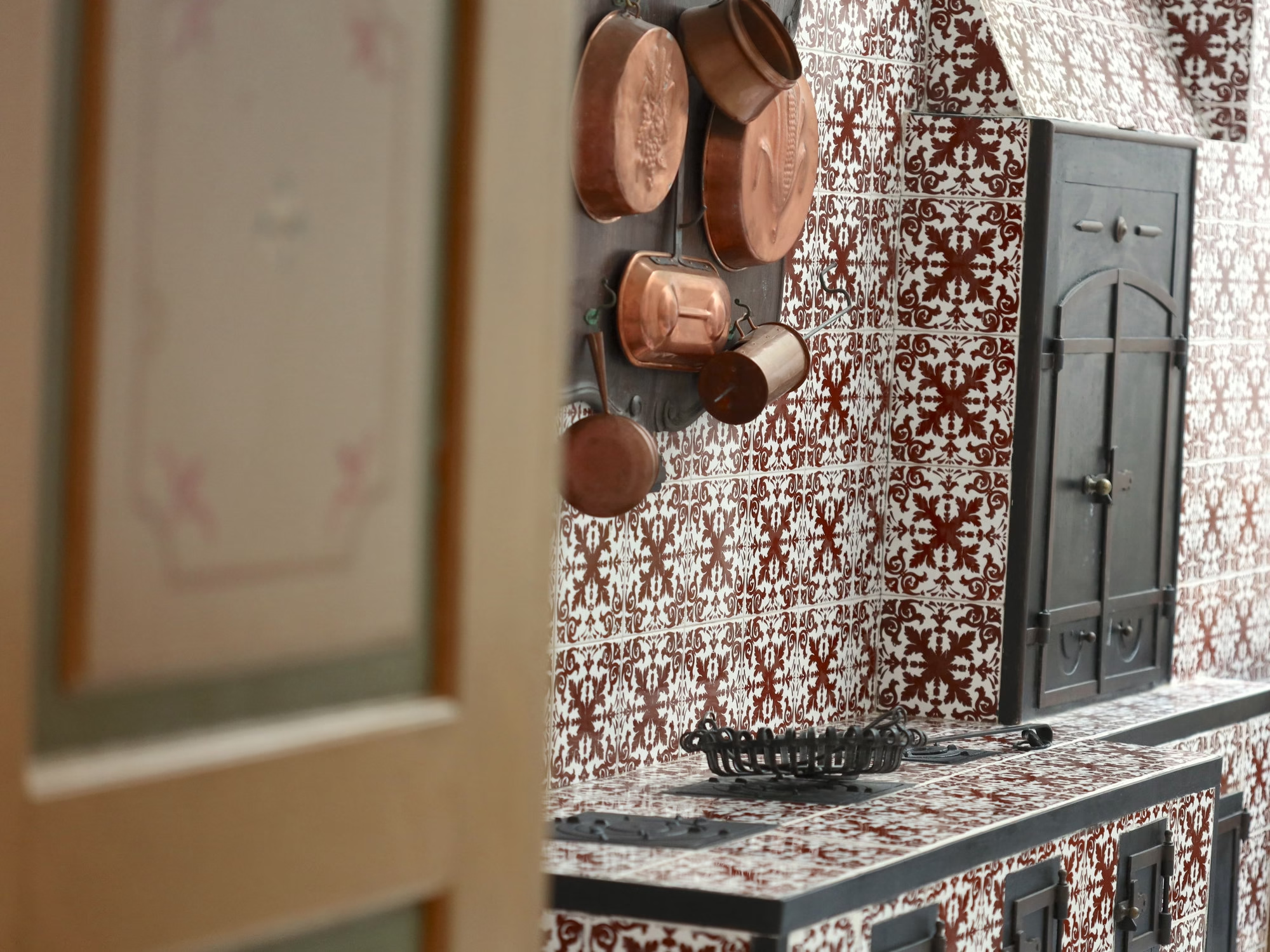
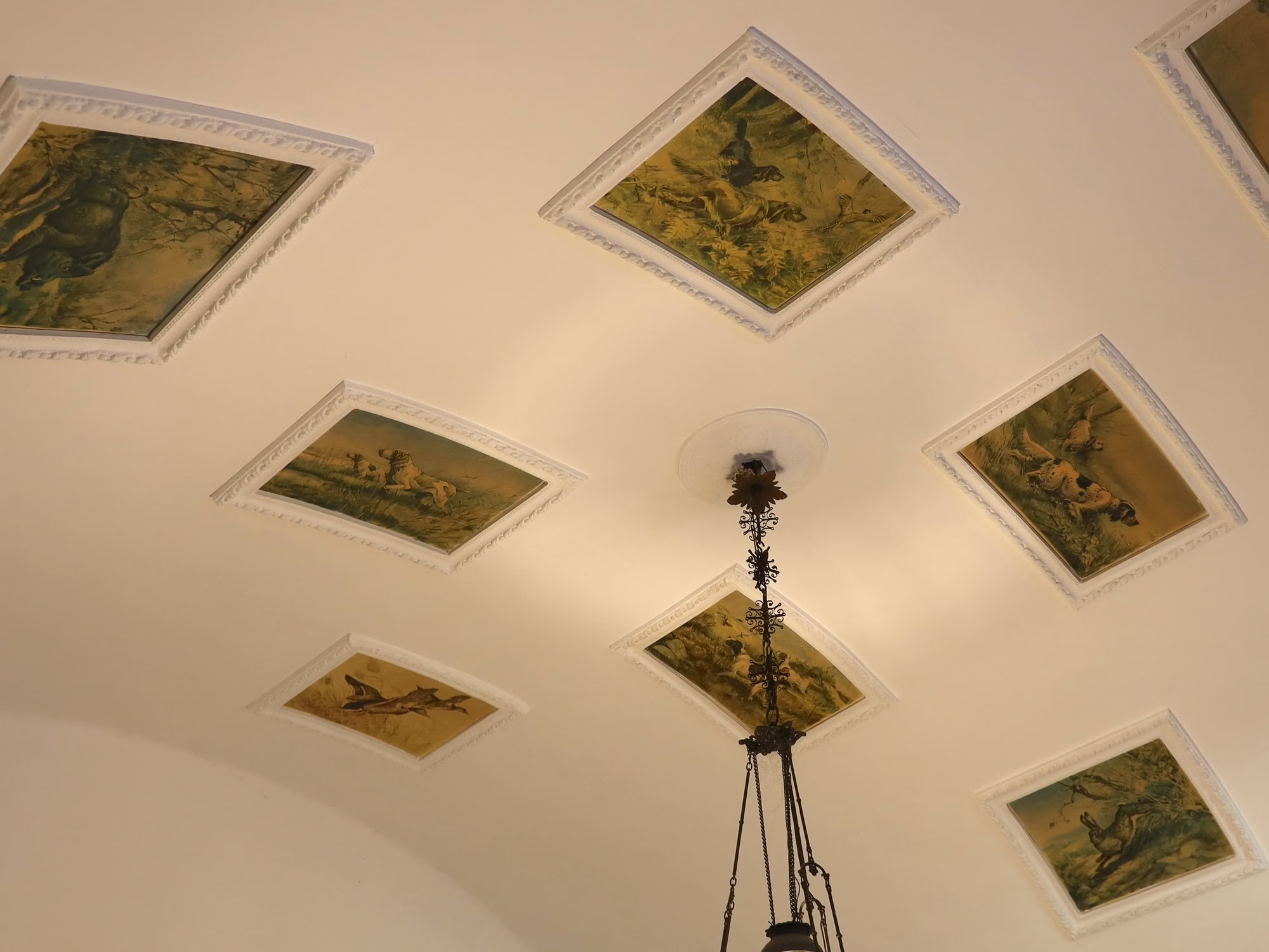
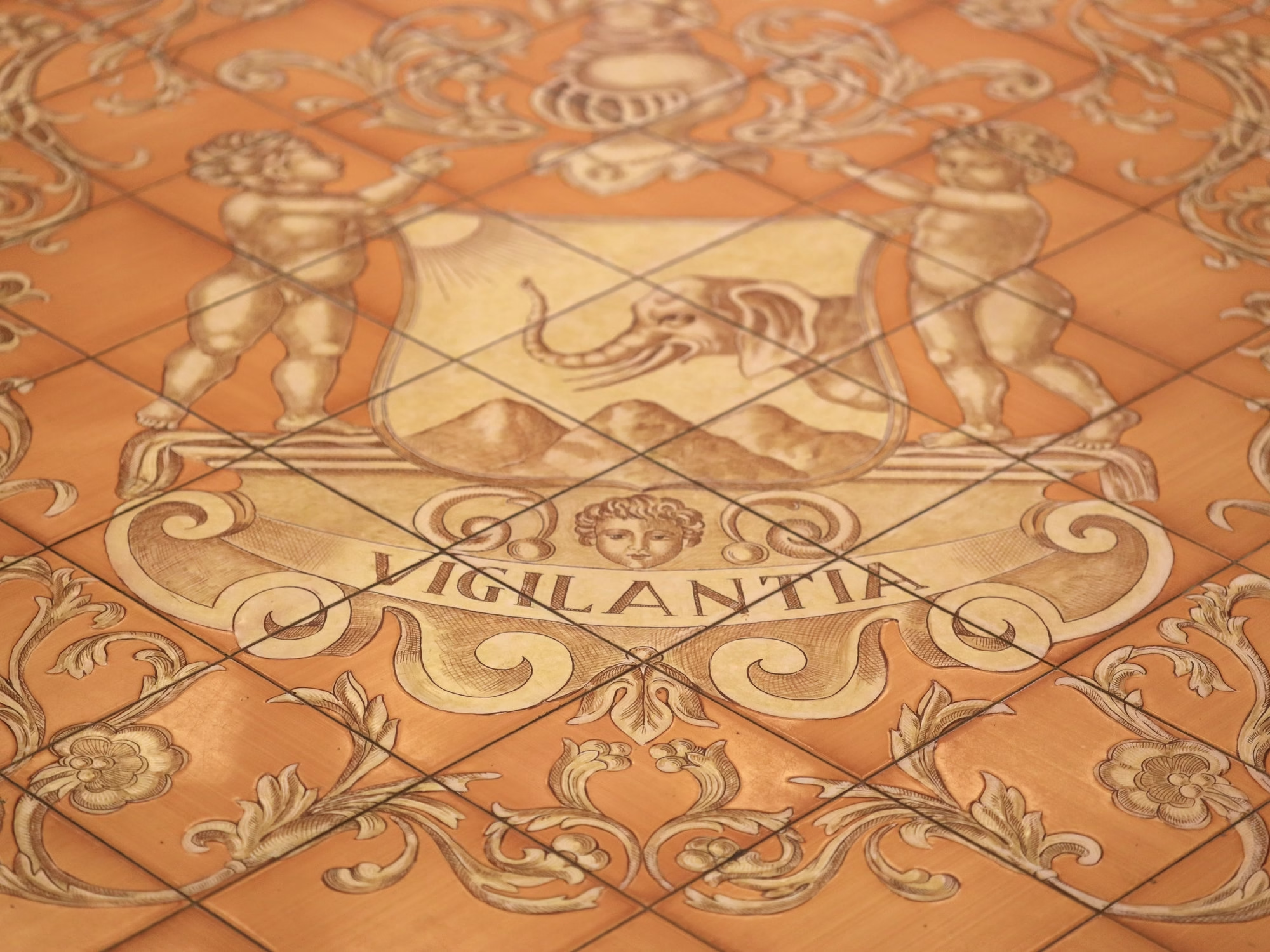
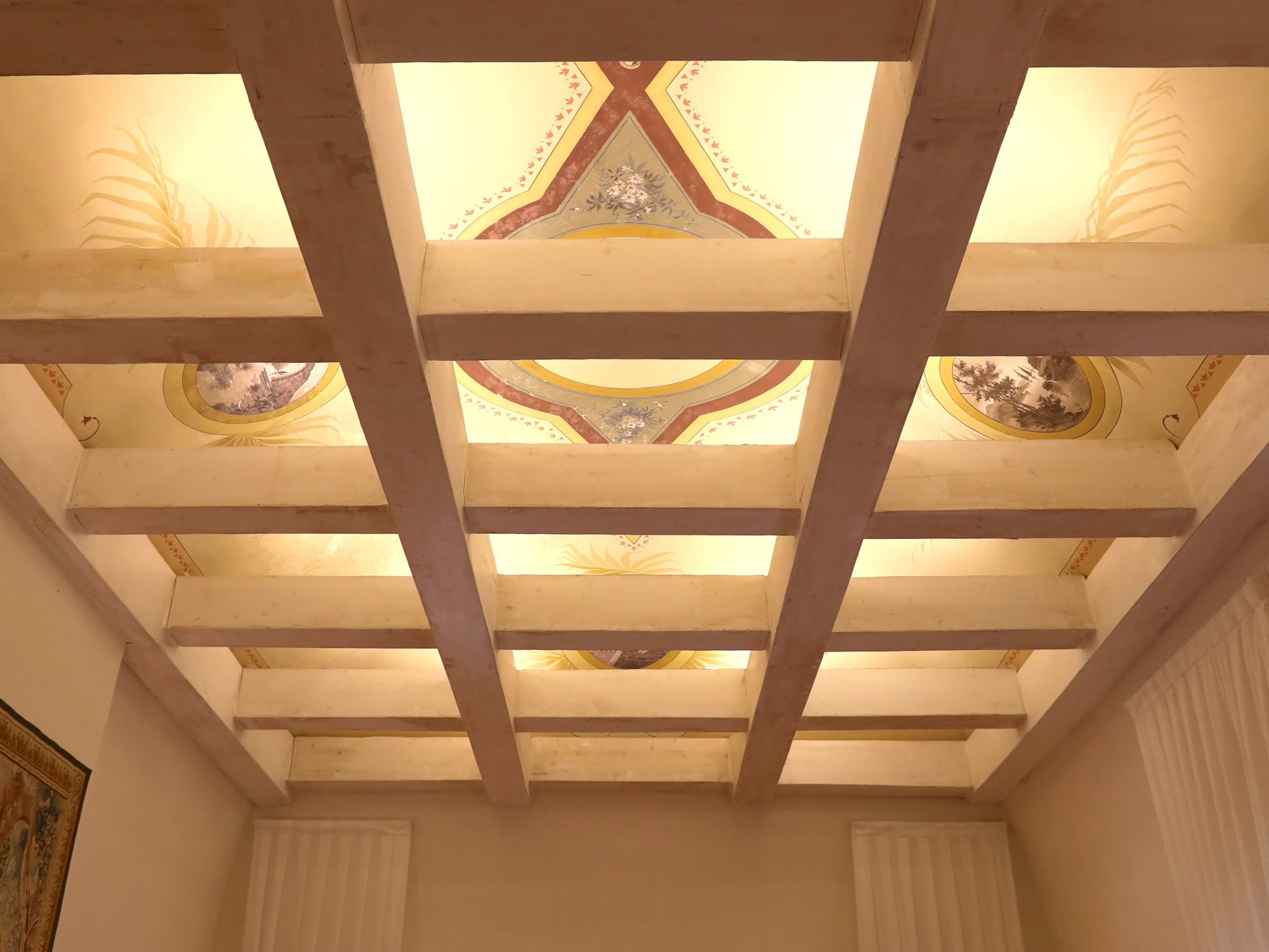
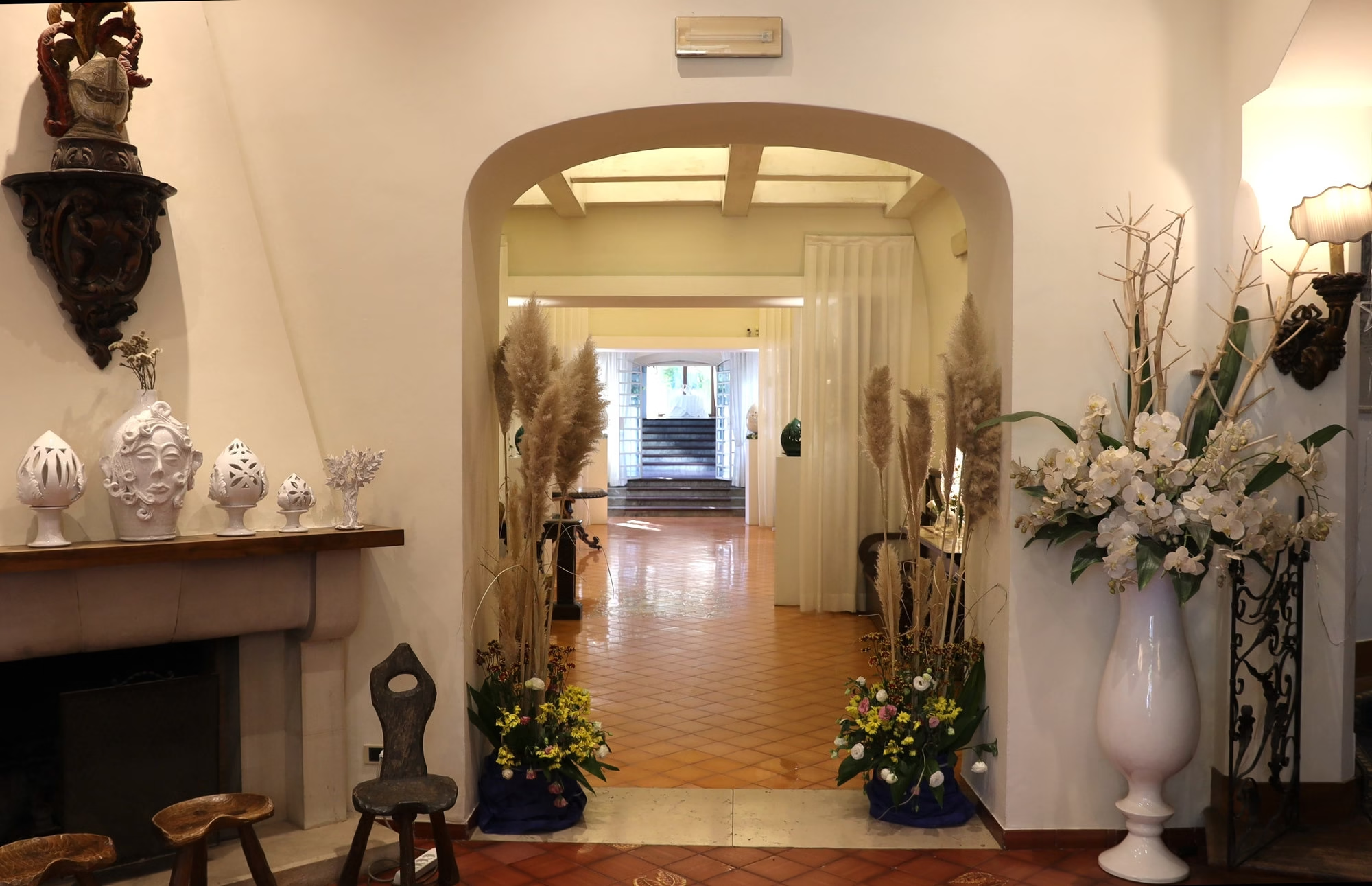
At the entrance to the house is the coat of arms of the Mininni family, embedded in the majolica floor: three mountains below an elephant turned to the sun, a symbol of strength and greatness, accompanied by the motto “Vigilantia”. Inside the building are two frescoed vaults, discovered under layers of wattle and daub, and restored for the admiration of visitors. In the heart of the villa the “Sala caccia” or “Hunting room” still contains antique furniture and an old majolica masonry kitchen which evokes the warmth of the families who once lived here. Outside, a high dry-stone wall separates the area dedicated to hosting from the area cultivated with olive groves, almost as if to separate parties from work, elegance from peasant traditions. The house has been modified over the centuries and today shows the signs of 20th century structural changes with architectural additions inspired by the buildings of northern Italy, blending harmoniously with the ancient stones. Today the elegant reception rooms and the large gardens make the villa the perfect place for hosting various events, but behind this remains the memory of what it once was: a hunting lodge, a family home, a fragment of history bound to the destiny of a town. Walking around the villa and gardens, you can almost hear the echoes of those who lived here.